
Sauces & Condiments
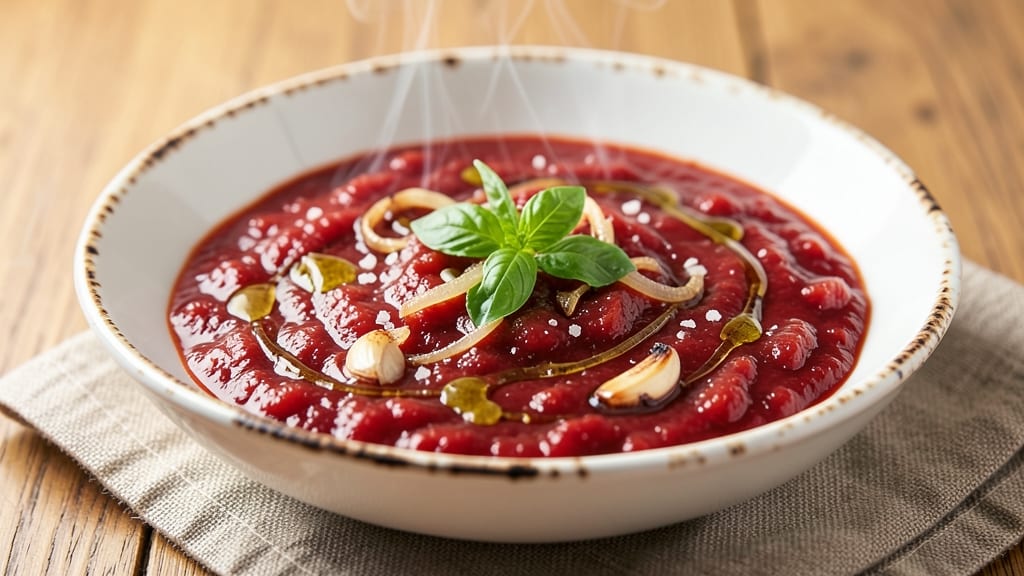
This awesome spaghetti sauce recipe delivers restaurant-quality depth without the messy splatter, using simple pantry staples and a foolproof simmering technique. The secret lies in slow-cooked tomatoes, aromatic herbs, and a touch of sweetness that balances acidity—transforming basic ingredients into a sauce so rich it'll have everyone asking for seconds.
I developed this version after years of testing, eliminating the need for fancy ingredients while keeping the flavor complex and satisfying.
What sets this sauce apart is its layered flavor profile—caramelized onions and garlic form the base, while crushed tomatoes and herbs infuse depth as they simmer for hours. The sauce thickens naturally without reduction, creating a velvety consistency that clings perfectly to pasta.
No blender required; just stir, simmer, and taste as you go. This method ensures every spoonful delivers that perfect balance of sweet, tangy, and savory notes.
By the time you're done, you'll have a deep, aromatic sauce that's versatile enough for spaghetti, meatballs, or even as a pizza topping. The best part? It tastes even better the next day, making it ideal for meal prep.
Store it in the fridge for up to a week or freeze portions for later—no splatter, no stress, just pure flavor. Ready to elevate your pasta nights?
Whether you're serving a family dinner or prepping for the week, this sauce delivers restaurant-quality results with minimal effort. The slow simmer develops flavors that take shortcuts to miss, while the simple ingredients keep it budget-friendly. Here's how to make it—no splatter, no fuss, just deliciousness.
Ingredients for awesome spaghetti sauce
Simple pantry staples transform into restaurant-quality spaghetti sauce with deep, layered flavor.
| Ingredient | Amount | Notes |
|---|---|---|
| Extra-Virgin Olive Oil 🫒 | ¼ cup | High-quality for caramelization |
| Yellow Onions 🧅 | 2 whole | Thinly sliced for even cooking |
| Garlic Cloves 🧄 | 6 cloves | Minced for aromatic base |
| Canned San Marzano Tomatoes 🍅 | 28 oz | Crushed by hand for texture |
| Dried Oregano 🌿 | 1 ½ tsp | Mediterranean variety preferred |
| Dried Basil 🌿 | 1 ½ tsp | Crushed between fingers |
| Red Wine 🍷 | ½ cup | Bold dry variety like Cabernet |
| Tomato Paste 🍅 | 2 tbsp | Squeeze tube preferred |
| Granulated Sugar 🍚 | 1 tbsp | Balances acidity naturally |
| Salt 🧂 | 1 ½ tsp | Diamond Crystal preferred |
| Black Pepper 🌶️ | ½ tsp | Freshly cracked for heat |
The onions and garlic form the aromatic foundation—caramelizing them slowly in olive oil develops sweetness that elevates the entire sauce. Yellow onions work best for their mild sweetness, but red onions add color if you prefer. Garlic should be minced finely for even distribution throughout the sauce. For the tomatoes, San Marzano cans from Italy are the gold standard—their sweetness and low acidity make all the difference. If you must use regular crushed tomatoes, add an extra pinch of sugar to balance the acidity. The dried herbs should be crushed between your fingers before adding to release their essential oils.
No red wine? Substitute with extra tomato paste and a splash of balsamic vinegar—it mimics the depth without the alcohol. Running short on tomato paste? Extra crushed tomatoes plus a pinch of sugar will compensate. The sugar isn't just for sweetness—it helps balance the acidity of the tomatoes, which is crucial for that restaurant-quality depth. If you're making this ahead, reduce the sugar slightly as flavors intensify during storage. For the olive oil, avoid the cheap stuff—look for extra-virgin with a fruity aroma, like California or Italian varieties at Whole Foods or specialty markets.
This sauce develops better with time—taste as you go and adjust seasoning gradually. Store in an airtight container in the fridge for up to 7 days, or freeze in portions for 3 months. The flavors meld beautifully overnight, so making it a day ahead is ideal. For freezing, use glass jars with at least 1 inch headspace to prevent cracking. When reheating, stir in a splash of water or broth if it thickens too much—it should remain velvety, not gluey.
Why You'll Love This Recipe
- Here’s what sold me: a single jar of tomatoes and a few cloves of garlic stretch into enough sauce for four meals. My wallet and my freezer thank me every time. Plus, it tastes just as good reheated as it does fresh.
- No-Fuss Pantry Starter: I swear by this sauce because it uses what’s already in my cupboard—no fancy shopping trips. That jar of San Marzano tomatoes? Yes. The onions and garlic I forgot about? Even better. It’s the kind of recipe that doesn’t judge you for skipping the market.
- Garlic-Oregano Magic: Between us, the secret’s in the slow-simmered garlic and that first sprinkle of oregano—it’s like a warm hug in a pot. The olive oil ties it all together, rich but never heavy, so every bite feels like a little Italian vacation.
- Weeknight & Potluck Hero: I make this when I’m too tired for fussing and when I’m hosting. Double the batch, freeze half, and boom—you’ve got dinner for two nights. (Yes, even on a Tuesday night.) It’s the sauce that works for spaghetti, meatballs, or just straight-up bread dipping.
Step-by-step instructions for deep, layered spaghetti sauce
This method builds flavor systematically—no shortcuts, just professional technique.
Develop the Aromatic Base
Heat the 0.25 cup extra-virgin olive oil in a heavy-bottomed saucepan over medium-low heat. Add the 2 whole yellow onions, sliced into ¼-inch strips, and cook for 8-10 minutes until soft and translucent. Stir occasionally to prevent browning—this foundational step creates the sauce's depth.
Push the onions to the side of the pan and add the 6 cloves minced garlic cloves. Cook for 30 seconds until fragrant but not browned. Garlic burns quickly—watch closely. This aromatic base forms the flavor backbone of your sauce, so take your time here. If the onions stick, add a splash of water and scrape with a wooden spoon to deglaze.
Build the Tomato Foundation
Add the 2 tablespoons tomato paste and stir vigorously for 1 minute to distribute evenly. This step prevents a raw taste and creates a velvety texture. Pour in the 0.5 cup red wine and simmer for 3-4 minutes until reduced by half, allowing the alcohol to cook off.
Next, add the 28 oz crushed San Marzano tomatoes, 1 tablespoon granulated sugar, 1.5 teaspoons salt, and 0.5 teaspoon black pepper. The sugar balances the tomatoes' acidity while enhancing their natural sweetness. Bring to a gentle simmer and cook uncovered for 20 minutes, stirring occasionally. This initial simmer breaks down the tomatoes' texture, creating a smoother base.
Layer the Herbs and Simmer
Reduce heat to low and stir in the 1.5 teaspoons dried oregano and 1.5 teaspoons dried basil. Crush the herbs between your fingers first to release their oils—this intensifies their flavor. Let the sauce simmer uncovered for 45-60 minutes, stirring occasionally. The sauce should thicken gradually, developing a glossy sheen.
Taste and adjust seasoning. You may need to add more salt or sugar depending on the tomatoes' acidity. The sauce is ready when it coats the back of a spoon smoothly and has a rich, concentrated flavor. If it thickens too much, whisk in 1-2 tablespoons water to reach your desired consistency. This long, slow cook time ensures deep flavor development without burning.
Finish and Rest
Remove from heat and let the sauce rest for 15 minutes. This resting period allows flavors to meld and the sauce to thicken further. Give it a final taste and adjust seasoning if needed—this is your last chance to perfect the balance.
Serve immediately over al dente spaghetti, or store in an airtight container in the refrigerator for up to 5 days. The sauce will continue to improve over time as the flavors deepen. For best results, reheat gently on the stovetop, stirring occasionally to prevent scorching. This sauce delivers restaurant-quality depth with minimal effort—just patience and attention to detail.
Pro Tips For Making Awesome Spaghetti Sauce
- CRANK THE HEAT FIRST: Sweat the onions and garlic on medium-high heat until they’re golden, not brown—this builds flavor fast. I used to low-and-slow it, and the sauce never tasted as deep. Once the onions smell sweet (about 5-6 minutes), drop the heat to medium to finish cooking.
- SMASH THOSE TOMATOES: Drain the San Marzano tomatoes but don’t rinse them—just crush them with your hands (or a wooden spoon) before adding to the pot. The broken skins release more juice and thicken the sauce naturally. Skimping here means a thinner, less rich sauce.
- SALT THE POT WATER: Toss a generous pinch of salt into the pot before adding the tomatoes—it balances acidity and lets the flavors meld faster. I learned this after a batch turned out too sharp; now I add it early, even if it seems weird.
- ADD OREGANO LATE: Stir in the dried oregano only in the last 10 minutes of cooking—it burns easily and loses its bright, herbal note if overcooked. Sprinkle it over the sauce at the end, then taste and adjust. Trust me, this makes a real difference.
Troubleshooting perfect results
Sauce Too Thin?
If your sauce is watery after simmering, don’t panic—this is an easy fix. The key is to simmer uncovered for an extra 15-20 minutes to let the liquid reduce naturally.
If it’s still too thin, whisk in 1-2 tablespoons of tomato paste or 1 tablespoon cornstarch mixed with water to thicken it gradually. For a smoother texture, mash a few San Marzano tomatoes by hand before adding them to the pot—this increases their thickness. 🍲
Sauce Too Thick?
Over-reduced sauce can become gluey, but a quick splash of liquid fixes it. Stir in 1-2 tablespoons of water, broth, or even a splash of red wine while heating on low. If it’s still too thick, simmer for another 5 minutes uncovered—this often helps the sauce loosen up.
For a richer texture, add a small pat of butter at the end, but taste first to avoid overpowering the flavors.
Bitter or Sour Taste?
Bitterness usually means the tomatoes are too acidic or the sauce needs balancing. Add ½ teaspoon sugar or 1 teaspoon honey to sweeten, then simmer for 5 minutes to meld. If the sauce tastes sharp, a pinch of baking soda (just ⅛ teaspoon) can neutralize acidity—use sparingly!
For extra depth, stir in 1 teaspoon fish sauce or soy sauce (trust me, it works!). 💡
Herbs Not Flavorful?
Dried herbs lose potency if not activated properly. Always crush them between your fingers before adding to release their oils. If the herbs taste dull, try toasting them in a dry pan for 30 seconds before adding to the sauce.
For a fresher taste, finish with 1 teaspoon fresh basil or parsley just before serving—this adds brightness without altering the base flavor.
Sauce Splattering?
Simmering sauce can be messy, but a few tricks prevent splatter. Keep the heat low to medium-low—never high—to avoid violent bubbles. If it’s foaming, stir gently to break the surface tension.
For extra insurance, place a splash guard or a metal spoon over the sauce while simmering. If you’re using a blender, let the sauce cool slightly first to avoid steam burns. 🔥
Nutrition facts
Frequently asked questions
Can I make this sauce without red wine?
Swap the 0.5 cup red wine for 1 tablespoon tomato paste plus 2 tablespoons balsamic vinegar—it mimics the depth and acidity perfectly. For extra richness, add 1 teaspoon soy sauce or a pinch of smoked paprika. The sauce will still develop that layered flavor, just with a slightly different profile.
How do I prevent my sauce from burning?
Use a heavy-bottomed saucepan and keep heat at medium-low—never high. Stir frequently, especially during the initial 20-minute simmer when the tomatoes release liquid. If you notice browned bits, deglaze with 1 tablespoon water or broth and scrape the bottom. A splash guard or even a metal spoon placed over the sauce helps too. Patience pays off—rushed cooking leads to burnt flavors.
Can I add meat to this sauce?
Yes! Brown ½ pound ground beef, Italian sausage, or pancetta in the same pan before adding onions. Drain excess fat, then proceed with the recipe. For extra flavor, sear 1-inch diced pancetta until crispy, then remove and crumble it into the finished sauce. Add meat during Step 2 after the wine reduces—this ensures it cooks through without drying out.
Why does my sauce taste better the next day?
The flavors deepen as the tomatoes break down further and the herbs infuse longer. The acidity mellows slightly, and the sugar balances perfectly. Store in an airtight container in the fridge for up to 5 days—the sauce thickens naturally and gains complexity. For even better results, reheat gently on low heat, stirring occasionally to prevent scorching.
What’s the best pasta to serve with this sauce?
Spaghetti is classic, but bucatini, linguine, or even rigatoni work beautifully. For heartier dishes, toss with penne or farfalle. The sauce’s velvety texture clings perfectly to al dente pasta—cook pasta separately and toss with 2-3 tablespoons pasta water to help the sauce cling. For a lighter option, serve over zucchini noodles or shirataki noodles.