
Sauces & Condiments
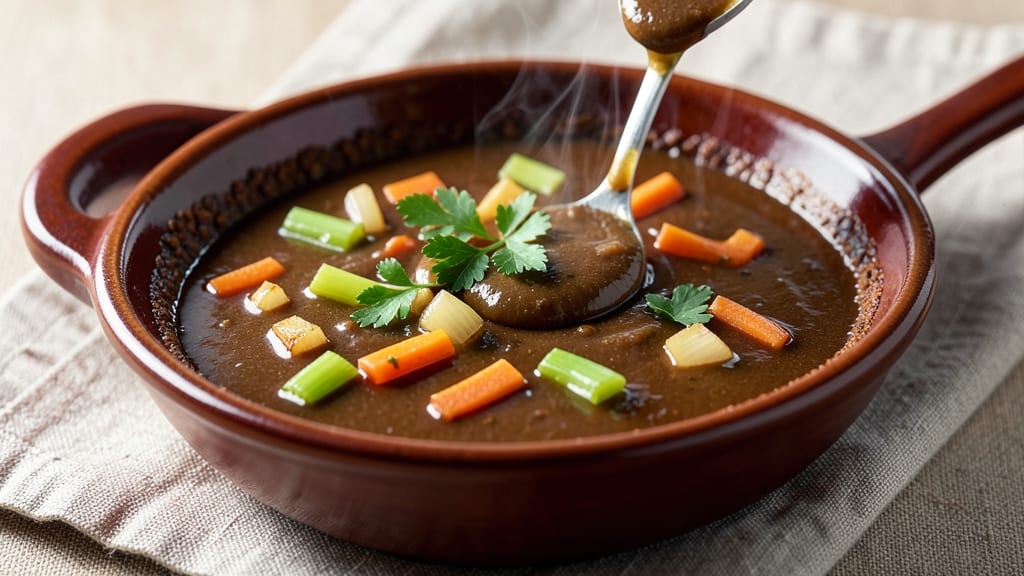
This basic espagnole sauce recipe is the secret weapon behind countless restaurant-quality dishes—rich, deep, and impossibly versatile. The foundation of French cuisine, it transforms simple ingredients into a velvety, complex sauce that elevates everything from roasts to pasta.
Mastering this technique unlocks a world of possibilities, from demi-glace to pan sauces, all starting with a perfect roux and slow reduction.
The process begins with a dark brown roux—cooked until it smells nutty and deep, not burnt—then deglazed with wine to release those caramelized flavors. A classic mirepoix of onions, carrots, and celery builds the aromatic base, while tomato paste adds subtle sweetness and depth.
The real magic happens during the hours-long reduction, where stock transforms into a concentrated, flavorful liquid that forms the heart of the sauce.
What you’ll end up with is a glossy, velvety sauce with layers of umami and caramelized richness, perfect for finishing meats, enriching soups, or as the base for other sauces.
The key is patience—rushing the reduction leads to a thin, flavorless result, while proper timing delivers a sauce so complex it feels like a secret. This is the kind of foundation that turns good cooking into extraordinary.
Once mastered, you can adapt it infinitely—add herbs for brightness, a splash of cream for richness, or a pinch of sugar to balance acidity. Store it in the fridge for up to a week or freeze for months, ready to transform any dish into something restaurant-worthy.
Let’s build this essential sauce step by step.
Ingredients for basic espagnole sauce
Mastering this sauce begins with a precise blend of aromatic vegetables, rich stock, and slow reduction techniques.
| Ingredient | Amount | Notes |
|---|---|---|
| All-Purpose Flour 🌾 | ½ cup | For dark brown roux |
| Unsalted Butter 🧈 | ½ cup | Cold, cubed for roux |
| Yellow Onions 🧅 | 1 whole | Diced, medium dice |
| Carrots 🥕 | 1 whole | Diced, medium dice |
| Celery Stalks 🥬 | 2 whole | Diced, medium dice |
| Tomato Paste 🍅 | 2 tbsp | High-quality, unsweetened |
| Dry Red Wine 🍷 | 1 cup | Bold, like Cabernet Sauvignon |
| Beef Stock 🥩 | 4 cups | Homemade or high-quality |
| Fresh Thyme 🌿 | 2 sprigs | Stems removed, leaves only |
| Fresh Parsley 🌿 | ¼ cup | Chopped, for finishing |
| Salt 🧂 | 1 ½ tsp | Diamond Crystal preferred |
| Black Peppercorns 🌶️ | ½ tsp | Freshly cracked |
The foundation of any great espagnole sauce lies in the mirepoix—equal parts yellow onions, carrots, and celery, all diced to a uniform medium size. Whole Foods or your local farmers market offer the freshest produce, but grocery store staples work perfectly when firm and vibrant. For the tomato paste, San Marzano is ideal due to its natural sweetness and depth, though any high-quality brand will suffice. The beef stock is non-negotiable—homemade stock delivers unmatched richness, but Kitchen Basics or Pacific Foods brands are excellent shortcuts. Fresh thyme and parsley elevate the sauce with bright, herbal notes, so avoid dried substitutes unless absolutely necessary—they lack the complexity of fresh.
No red wine on hand? Dry sherry or even apple cider vinegar can substitute in a pinch, though the depth of flavor will differ slightly. The tomato paste can be replaced with a small can of crushed tomatoes, strained to remove excess liquid, though this adds acidity. If you're using dried herbs, reduce the amount by one-third and toast them lightly in the roux for enhanced aroma. The flour and butter for the roux should be cold and cubed—this prevents burning and ensures a proper dark brown color. For a lighter roux, reduce the flour slightly, but remember: the deeper the roux, the richer the sauce.
This sauce develops over time, so patience is key. Store it in an airtight container in the refrigerator for up to one week, or freeze in ice cube trays for single-serving portions that last up to three months. To reheat, warm gently on the stove, adding a splash of stock or water if it thickens too much. The sauce will only improve with time, as the flavors meld and deepen. Portion it into small jars for easy access—perfect for finishing meats, enriching soups, or as a base for other sauces like demi-glace.
Why You'll Love This Recipe
- Pantry Staple Magic: I swear by this sauce because it’s made with stuff I always have—flour, butter, onions, carrots, celery. No fancy shopping trip needed, just open your cabinets and get cooking.
- Savory Depth in Minutes: That slow-cooked blend of onions, carrots, and celery? It builds layers of flavor so rich, you won’t believe it’s just a roux and veggies. The butter makes it velvety, the flour thickens it just right.
- Weeknight Workhorse: Toss it with pasta, drizzle over roasted chicken, or use it as a base for soups. It’s my go-to when I’m too tired to think but still want something hearty—no stress, no fuss.
- Budget-Friendly Bulk: A big batch stretches for days—freeze what you don’t use, and you’ve got a flavor bomb ready for next week’s meals. Honestly, it’s the kind of recipe that makes grocery money go further without sacrificing taste.
Step-by-step instructions for crafting espagnole sauce
Mastering this foundational sauce requires patience and precision—every step builds rich, complex flavor.
Develop a Dark Brown Roux
In a large, heavy-bottomed pot, melt the 0.5 cup Unsalted Butter over medium heat. Add the 0.5 cup All-Purpose Flour all at once and whisk vigorously to eliminate any lumps. The mixture will thicken slightly, forming a pale paste.
Here's where it gets critical: reduce heat to medium-low and continue whisking constantly. You're aiming for a deep, amber-brown color—this takes 20-25 minutes of uninterrupted cooking. The roux should smell nutty and develop a rich, toasted aroma. If it darkens too quickly or smells burnt, immediately reduce heat further. This roux forms the flavor backbone of your sauce, so don't rush it.
Sauté the Vegetable Base
Once your roux reaches that perfect dark brown stage, immediately add the diced 1 whole Yellow Onions, 1 whole Carrots, and 2 whole Celery Stalks. Stir well to coat the vegetables in the roux, then increase heat to medium-high. Cook for 8-10 minutes, stirring frequently, until the vegetables soften and begin to caramelize slightly.
This step builds depth—you want the vegetables to lose their raw edge while developing sweet, concentrated flavors. You'll know it's ready when they're tender but still hold their shape. The aroma should be sweet and earthy, with no hint of bitterness. This is your mirepoix foundation, and proper cooking here prevents a bland sauce later.
Deglaze and Incorporate Wine
Stir in the 2 tbsp Tomato Paste and cook for 2 minutes to deepen the sauce's color and complexity. Then, pour in the 1 cup Dry Red Wine all at once, scraping the bottom of the pot with a wooden spoon to release all the flavorful browned bits. This deglazing step is crucial—those bits contain concentrated flavor that would otherwise burn.
Let the wine simmer for 3-4 minutes until it reduces by about half and the alcohol aroma dissipates. You should notice the sauce beginning to thicken slightly as the wine cooks off. This reduction process removes the harshness of the wine while concentrating its fruity notes into the sauce.
Build the Sauce with Stock and Aromatics
Gradually whisk in the 4 cups Beef Stock, about 1 cup at a time, allowing each addition to fully incorporate before adding more. This gradual approach prevents the sauce from becoming too thin. Add the 2 sprigs Fresh Thyme and bring to a gentle simmer. Here's the key: maintain a barely perceptible bubble—you want the sauce to simmer gently, not boil vigorously.
Simmer uncovered for 45-60 minutes, stirring occasionally, until the sauce reduces by about one-third and coats the back of a spoon. The sauce should thicken noticeably and develop a glossy sheen. Skim off any foam that rises to the surface—this ensures a clean, velvety texture. The aroma should be rich, meaty, and complex, with notes of caramelized vegetables and thyme.
Finish and Season
Remove the sauce from heat and strain it through a fine-mesh sieve into a clean pot, pressing gently on the solids to extract maximum flavor. Discard the thyme sprigs. Return the strained sauce to the pot and stir in the 1.5 tsp Salt and 0.5 tsp freshly cracked Black Peppercorns. Taste and adjust seasoning—you may need additional salt depending on your stock's saltiness.
Finally, stir in the 0.25 cup chopped Fresh Parsley just before serving. This bright green herb adds freshness and visual appeal. The finished sauce should be velvety, with a rich mahogany color and a complex balance of sweet, savory, and umami flavors. Let it sit for 5-10 minutes before serving to allow the flavors to meld completely. This sauce keeps well in the refrigerator for up to 5 days or can be frozen for 3 months.
Pro Tips For Making Basic Espagnole Sauce
- Sweat the Veggies Slow: I used to rush the onion-carrot-celery mirepoix and end up with bitter, waterlogged veggies. Instead, cook them over medium-low heat for 15-20 minutes—until they’re soft enough to mash between your fingers but not browned. This builds flavor without burning, and you’ll taste the difference when you deglaze.
- Use Cold Butter: Add your butter to the roux in small cubes, not melted. Cold butter emulsifies better with the flour, giving you a smoother, silkier sauce. If it looks lumpy at first, just stir—it’ll come together once the butter melts completely.
- Deglaze with Wine First: Skip the water splash and use a splash of dry white wine (or broth) to lift the browned bits from the pan. The alcohol evaporates quickly, but it pulls out deeper flavor than plain water ever could. If you’re avoiding alcohol, a quick 30-second reduction of broth works just as well.
- Strain for Silky Smoothness: After simmering, don’t skip straining through a fine-mesh sieve. Even finely chopped veggies can make the sauce grainy, and a quick press with a spoon ensures a velvety texture. (Yes, it’s an extra step—but your sauce will taste like it came from a restaurant.)
Storing and reheating this dish
Refrigerator Storage
Let your espagnole sauce cool completely before transferring it to airtight glass containers—I prefer Pyrex with snap-on lids for easy handling. Store in the refrigerator at 40°F or below for up to 5 days, though the flavors actually deepen over time as the ingredients meld.
The sauce will thicken slightly when cold, so add 1-2 tablespoons of water or stock when reheating if needed. Always leave ½-inch headspace to prevent spills during storage. 💫
Freezer Preservation
For long-term storage, portion the sauce into quart-sized freezer bags or silicone ice cube molds—the latter makes single-use portions perfect for finishing dishes. Remove as much air as possible before sealing to prevent freezer burn. Label containers with the date and store for up to 3 months.
When ready to use, thaw overnight in the fridge or reheat directly from frozen using the stovetop method below. Never microwave frozen sauce—it breaks down the sauce's velvety texture. ❄️
Stovetop Reheating
This is the only proper way to reheat espagnole sauce—gentle heat preserves its rich texture. Transfer the desired amount to a saucepan and warm over low heat, stirring frequently to prevent scorching. If the sauce thickens too much, add 1 tablespoon of stock or water at a time.
Bring to a gentle simmer (not boil) for 5-7 minutes, then taste and adjust seasoning—it often needs a pinch of salt after reheating. For best results, reheat only what you'll use immediately. 🔥
Microwave Shortcut
When time is tight, transfer sauce to a microwave-safe bowl and heat on 50% power for 1-2 minutes, stirring halfway. Add 1 tablespoon of water if the sauce looks too thick.
Avoid full power—it creates a skin and ruins the sauce's silky consistency. This method works best for small quantities and should be a last resort for restaurant-quality results. 💡
Sauce Thickness Fixes
If your reheated sauce is too thin, simmer it uncovered for 3-5 minutes to reduce excess liquid. For extra thickness, whisk in 1 teaspoon of cold butter or 1 tablespoon of cornstarch slurry (mix 1 tbsp cornstarch with 2 tbsp cold water).
Never use flour directly—it can create lumps. The goal is to restore the sauce's velvety body without altering its complex flavor profile. ✨
Portioning for Convenience
Divide cooled sauce into small glass jars (like Le Parfait containers) for easy storage and reheating. These stack neatly in the fridge and make it simple to grab just the right amount for finishing meats or enriching soups.
I keep one jar permanently in my fridge for quick weeknight meals—just reheat and drizzle over grilled steaks or roasted vegetables. The convenience of pre-portioned sauce changes how often I use it in everyday cooking. 💛
Nutrition facts
Frequently asked questions
Why does my espagnole sauce taste bland?
Bland flavor usually means one of three things: undercooked mirepoix, insufficient reduction time, or weak stock. The vegetables must caramelize slightly (8-10 minutes of cooking), and the sauce needs to reduce by one-third (45-60 minutes simmering). Always use homemade or high-quality store-bought stock—low-sodium versions work best. For extra depth, add a pinch of sugar or a splash of balsamic vinegar at the end.
Can I make espagnole sauce without wine?
Substitute the 1 cup red wine with 1 cup beef stock or 1 cup apple cider vinegar for acidity. For a richer flavor, try ½ cup stock + ½ cup tomato juice. The key is maintaining the same liquid volume—wine adds depth, but these alternatives work in a pinch. If using vinegar, reduce the tomato paste to 1 tbsp to balance acidity.
How can I use this sauce beyond meat dishes?
Espagnole sauce is incredibly versatile! Use it to enrich pasta dishes (like pappardelle), drizzle over grilled vegetables, or mix into risotto for depth. It also makes an excellent base for soups—simmer with mushrooms and herbs for a rich broth. For vegetarian versions, replace beef stock with vegetable stock and add smoked paprika. The sauce's umami richness works beautifully in unexpected places like stuffed peppers or as a marinade.
What's the difference between espagnole sauce and demi-glace?
Demi-glace is essentially a reduced version of espagnole sauce—it's made by simmering espagnole sauce with additional stock until it's thicker and more concentrated. While espagnole sauce has a medium consistency, demi-glace is almost syrupy. Think of espagnole as the building block and demi-glace as its refined cousin. You can easily turn your finished espagnole into demi-glace by reducing it further with 1-2 cups additional stock until it reaches your desired thickness.
Can I make this sauce in a slow cooker?
While possible, it's not ideal for the roux step. First make the roux on the stovetop, then transfer everything to a slow cooker and cook on low for 4-6 hours. The slow cooker works best for the final reduction stage—just monitor the thickness and add stock as needed. For best results, finish the sauce on the stovetop to control the reduction better. The flavor will develop, but the texture may be slightly less refined than stovetop-only methods.