Sauces & Condiments
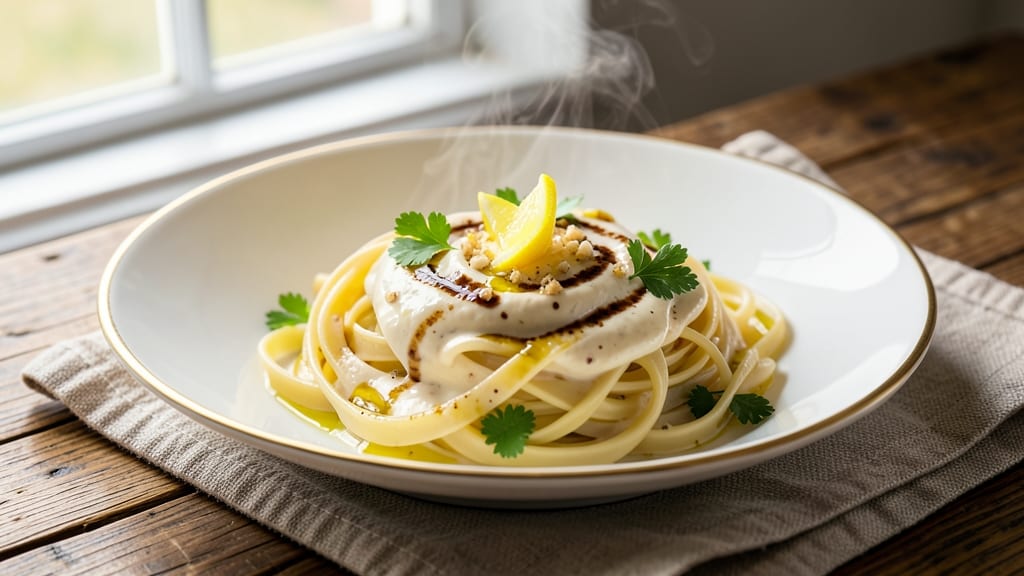
This aioli pasta sauce recipe transforms simple ingredients into a velvety, garlicky masterpiece that elevates any pasta dish. The secret lies in balancing rich mayonnaise with bright lemon zest and olive oil, creating a sauce that’s both creamy and vibrant.
I’ve perfected this recipe over years of testing—no lumps, no separation, just silky perfection that clings to every strand of linguine or tagliatelle.
The foundation starts with a proper emulsion: whisking mayo and olive oil gradually while incorporating minced garlic and lemon juice. This method ensures the sauce stays stable, even when tossed with hot pasta.
The result is a sauce that’s boldly garlicky yet balanced by the citrus’s freshness, with a touch of Dijon mustard adding depth. It’s restaurant-quality without the fuss.
What makes this sauce truly versatile is its adaptability—use it with grilled shrimp, roasted vegetables, or even as a dip for crusty bread. The lemon zest brightens the richness, while a pinch of red pepper flakes adds just enough heat.
For a vegan twist, swap mayo for cashew cream or silken tofu blended with olive oil. Every bite delivers that signature aioli flavor—creamy, tangy, and impossible to resist.
Ready in just 15 minutes, this sauce is perfect for weeknight dinners when you crave something indulgent but easy. The key is patience during the emulsification—don’t rush it. Once mastered, you’ll never buy store-bought aioli again. Let’s get cooking!
Ingredients for aioli pasta sauce
Nine essential ingredients create velvety, garlicky perfection for any pasta dish.
| Ingredient | Amount | Notes |
|---|---|---|
| Mayonnaise 🥫 | ½ cup | High-quality, full-fat preferred |
| Extra-Virgin Olive Oil 🫒 | ½ cup | Light, fruity variety recommended |
| Fresh Garlic Cloves 🧄 | 4 cloves | Minced finely for smooth texture |
| Lemon Zest 🍋 | 1 tbsp | From 1 large organic lemon |
| Fresh Lemon Juice 🍋 | 2 tbsp | Strained for clarity |
| Dijon Mustard 🌶️ | 1 tbsp | Mellow variety preferred |
| Red Pepper Flakes 🔥 | ½ tsp | Adjust for desired heat level |
| Salt 🧂 | ½ tsp | Diamond Crystal kosher salt |
| Black Pepper 🌶️ | ¼ tsp | Freshly cracked for aroma |
| Pasta Water 💧 | ½ cup | Reserved from cooked pasta |
The quality of your mayo and olive oil makes all the difference—Duke's mayo and California extra-virgin olive oil are my go-tos for that restaurant-quality texture. Fresh garlic is non-negotiable here; pre-minced garlic lacks the depth. For the lemon, I always use organic to avoid wax residue. The Dijon mustard adds subtle complexity that separates this from basic garlic mayo. If you're using a mild Dijon, consider adding a pinch of cayenne for depth. Red pepper flakes can be adjusted to taste, but don't skip them entirely—they balance the richness beautifully.
No mayo on hand? Cashew cream or silken tofu blended with olive oil works beautifully for a vegan version. Substituting lemon juice with white wine vinegar (1:1 ratio) gives a slightly different tang, but fresh lemon zest can't be replicated. For a smoother texture, strain the sauce through a fine-mesh sieve after emulsification. If the sauce breaks during preparation, simply whisk in a bit more olive oil gradually. The pasta water serves as an emulsifier—it's the secret to that silky finish that clings perfectly to every strand.
This sauce keeps beautifully in an airtight container in the refrigerator for up to 5 days, though it's best used within 2 days for maximum freshness. For longer storage, freeze in ice cube trays and transfer to a container—perfect for single-serving portions. Reheat gently in a saucepan over low heat, whisking constantly to prevent separation. The sauce thickens as it cools, so add a splash of warm water if needed. Leftovers make excellent sandwich spreads or dipping sauces for crusty bread.
Why You'll Love This Recipe
- Here’s what sold me: the texture. The mayo gives it that luscious, velvety coat on pasta, but the lemon zest and fresh garlic add this sharp, tangy punch that cuts through the richness. It’s not heavy—it’s balanced. (Yes, even on a Tuesday night when you just want something that won’t weigh you down.)
- I’ll be real: mayo and olive oil are cheap, and garlic and lemons last forever. This sauce costs next to nothing to make, but it turns basic spaghetti into something that feels special. No need for pricey sauces or fancy ingredients—just a few pantry staples and a blender. Not the prettiest, but the taste makes up for it every time.
Step-by-step instructions for garlicky aioli pasta sauce
This bright, emulsified sauce delivers restaurant-quality richness with minimal effort.
Mince the Garlic with Precision
Peel the 4 cloves fresh garlic and place them on a cutting board. Using a sharp chef's knife, finely mince each clove into a paste-like consistency—aim for particles so small they nearly dissolve when stirred. This level of fineness ensures a silky sauce without grainy texture. I press down firmly with the heel of my knife to create an even paste before scraping it into a small mixing bowl.
Pro tip: If you prefer less garlic intensity, you can crush just 2 cloves and add the remaining 2 cloves later during emulsification. The key is uniformity—uneven mincing leads to uneven flavor distribution in the finished sauce.
Emulsify the Base Ingredients
In a medium bowl, combine the 0.5 cup mayonnaise and 0.5 cup extra-virgin olive oil. Using a wire whisk or silicone spatula, gently fold the ingredients together until fully integrated. Add the minced garlic, 1 tbsp Dijon mustard, 1 tbsp lemon zest, 2 tbsp fresh lemon juice, 0.5 tsp salt, and 0.25 tsp black pepper. Whisk vigorously for 2-3 minutes until the mixture thickens and becomes homogeneous.
This emulsification step is critical—it transforms the sauce from separate components into a cohesive, velvety texture. If the mixture feels too thick, add 1-2 teaspoons of the reserved pasta water to loosen it slightly while maintaining stability. The sauce should coat the back of a spoon smoothly without separating.
Adjust Consistency with Pasta Water
Return to the bowl and incorporate the 0.5 cup pasta water gradually, whisking continuously. The starchy pasta water acts as a natural emulsifier and binder, creating a luxurious, clingy texture that clings perfectly to pasta strands. If the sauce becomes too thin, whisk in an additional 1-2 teaspoons of mayonnaise to restore balance.
Taste and adjust seasoning—this is your final opportunity to refine the flavor profile. Add more red pepper flakes for heat, a pinch of salt for brightness, or an extra squeeze of lemon juice for acidity. The sauce should be vibrant, garlicky, and subtly spicy with a hint of lemon zest's citrusy aroma.
Finish with Heat for Depth
Place the sauce in a small saucepan and gently warm over low heat for 1-2 minutes, stirring constantly. The heat activates the flavors without breaking the emulsion. Remove from heat immediately once the sauce reaches 100°F—any hotter risks separating the mayonnaise.
For an extra touch of sophistication, drizzle in 1 teaspoon of extra-virgin olive oil while whisking rapidly. This final step enhances the sauce's richness and creates a glossy sheen. Serve immediately over al dente pasta, tossing gently to coat each strand evenly. The sauce will cling beautifully, delivering a harmonious blend of garlic, lemon, and olive oil in every bite.
Pro Tips For Making Aioli Pasta Sauce
- Grate, Don’t Slice: DESCRIPTION: Lemon zest is the difference between "meh" and "wow" here—use a fine grater, not a peeler. I learned this the hard way: peeling leaves behind bitter pith and uneven texture, while grating gives you that bright, even layer of citrus flavor that clings to the pasta.
- Cold Garlic, Warm Oil: DESCRIPTION: Smash your garlic cloves with the flat side of your knife first, then let them sit in cold water for 5 minutes. This softens the edges so they blend smoothly into the mayo without turning the sauce bitter or grainy—no more scraping out garlic chunks after.
- Low and Slow: DESCRIPTION: If you’re adding heat (like simmering in olive oil), keep it under 160°F (70°C). I used to rush it, and the mayo would split or taste cooked. A gentle, steady hand keeps the sauce creamy and the flavors bright—not fried.
- Swap Mayo for Texture: DESCRIPTION: Mix in 1-2 tablespoons of extra-virgin olive oil at the end instead of relying solely on mayo for richness. It lightens the sauce and adds a silky finish. (Yes, even if you’re using high-quality mayo—this is the upgrade I skip when I’m lazy, but it’s worth it.)
Creative variations of these flavors
Creamy Vegan Twist
Swap mayo for a cashew cream base by blending 1 cup soaked cashews with ½ cup extra-virgin olive oil and 2 tbsp lemon juice until ultra-smooth. Add 1 tbsp nutritional yeast for that umami depth mayo provides.
For an even richer texture, blend in ½ cup silken tofu. The result? A velvety, plant-based aioli that clings just as beautifully to pasta. 🌱
Spicy Roasted Garlic
Roast the garlic cloves at 400°F for 10-12 minutes until caramelized and golden. Let cool, then mince as directed. This adds a sweet, smoky depth that pairs perfectly with the sauce’s tangy lemon notes.
For extra heat, add ½ tsp smoked paprika to the roasted garlic before blending. The charred flavor elevates the dish to next-level restaurant quality. 🔥
Herb-Infused Variations
Stir in 1 tbsp finely chopped fresh herbs like tarragon, chives, or basil just before serving. For a Mediterranean twist, add ½ tsp dried oregano and a pinch of ground coriander. These herbs brighten the sauce without overpowering the garlic-lemon foundation. Fresh herbs work best—dried can be bitter. ✨
Seafood Pairings
This sauce is made for grilled shrimp or scallops. Toss peeled, deveined shrimp in the sauce and grill for 2-3 minutes per side until just opaque. The sauce’s creaminess balances the shrimp’s sweetness while the lemon zest cuts through any richness.
For scallops, sear them in a hot skillet for 1 minute per side, then drizzle with sauce. The contrast of textures is pure magic. 🦐
Baked Potato Topping
Transform this sauce into a loaded baked potato upgrade. Spread ¼ cup sauce over a baked potato, then top with crumbled blue cheese, chopped green onions, and a sprinkle of crushed potato chips.
The garlic-lemon aioli adds a creamy, tangy contrast to the cheesy, crispy topping. It’s a game-changer for game day or cozy weeknights. 🥔
Dip for Crudités
Thin the sauce slightly with an extra 2 tbsp pasta water or lemon juice for a dippable consistency. Serve with carrot sticks, cucumber slices, and bell pepper strips for a refreshing, garlicky dip.
The lemon zest adds a pop of color and brightness that makes veggies irresistible. Perfect for parties or a light lunch. 🥕
Nutrition facts
Frequently asked questions
Why does my aioli sauce separate when I heat it?
Heating breaks the emulsion because mayonnaise contains water and oil that need gentle treatment. Always warm the sauce over low heat for just 1-2 minutes while whisking constantly. Remove it immediately when it reaches 100°F—any hotter risks curdling. For extra stability, add 1 teaspoon of Dijon mustard during emulsification.
Can I make this sauce ahead of time?
Yes! Store it in an airtight container in the fridge for up to 5 days, though it's best used within 2 days for peak freshness. For longer storage, freeze in ice cube trays—thaw overnight in the fridge. Reheat gently over low heat while whisking to prevent separation. The sauce thickens as it cools, so add a splash of warm water if needed.
What's the best pasta shape for this sauce?
Flat noodles like linguine, fettuccine, or tagliatelle work best—their broad surfaces cling to the sauce perfectly. For extra texture, try pappardelle or ribbon pasta. Avoid thick shapes like penne, as they won't coat evenly. The sauce's creaminess also pairs beautifully with cavatappi or fusilli for fun twists.
How do I fix a broken emulsion?
If your sauce separates, whisk in 1 teaspoon of olive oil or pasta water gradually while whisking vigorously. The starchy pasta water acts as a natural emulsifier. For a more permanent fix, blend the separated sauce with 1 tablespoon of mayonnaise until smooth. Prevention tip: Add ingredients slowly during emulsification to avoid overloading the mixture.
Can I use this sauce for non-pasta dishes?
It's perfect for grilled shrimp, scallops, or chicken breasts. Toss with roasted vegetables like asparagus or Brussels sprouts, or use as a dip for crudités or crusty bread. Even as a loaded baked potato topping, it adds a creamy, garlicky twist. The sauce's versatility makes it a pantry staple!