Sauces & Condiments
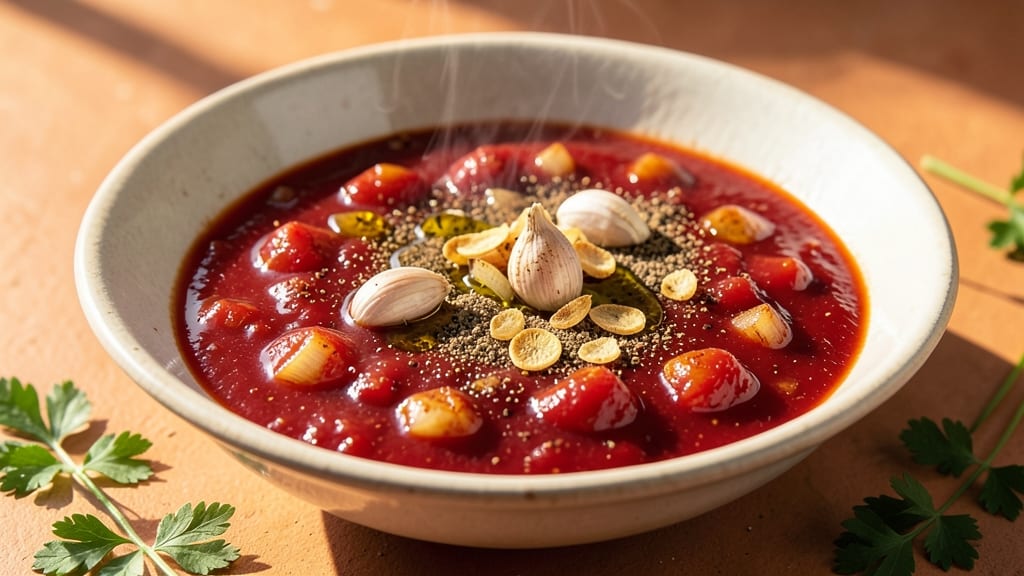
This Arabic tomato sauce recipe transforms simple ingredients into a rich, aromatic condiment that bridges Middle Eastern flavors with effortless versatility. 🌟 The secret lies in slow caramelization of onions and tomatoes, layered with warm spices like cumin and paprika that create depth without overpowering.
What starts as a humble sauce becomes the star of your meal—whether drizzled over grilled lamb, spread on flatbread, or served as a bold dip.
The process is straightforward yet transformative: onions sweeten into golden threads while tomatoes break down into a velvety consistency. Garlic and lemon brighten the sauce, cutting through the richness, while a pinch of chili adds subtle heat.
The result is a sauce that’s equally at home in a weeknight dinner or an elegant spread, with flavors that develop even more the next day.
What sets this sauce apart is its adaptability—use it as a marinade for chicken or beef, a topping for roasted vegetables, or a dip with warm pita. The texture is smooth yet clingy, clinging to every bite while delivering layers of smoky, spiced tomato flavor.
No special equipment is needed, just patience to let the flavors meld.
Perfect for those who love bold, aromatic sauces that elevate simple dishes into something extraordinary. The key is simmering low and slow—this isn’t a quick fix, but the payoff is a sauce that tastes like a taste of the Mediterranean. Let’s get cooking!
Ingredients for arabic tomato sauce
Nine essential ingredients create a sauce rich with caramelized onions and aromatic spices.
| Ingredient | Amount | Notes |
|---|---|---|
| Yellow Onions 🧅 | 2 whole | Thinly sliced for even cooking |
| Canned San Marzano Tomatoes 🍅 | 2 cans | 28 oz each, crushed by hand |
| Extra-Virgin Olive Oil 🫒 | ½ cup | High-quality, fruity variety |
| Ground Cumin 🌿 | 1 tbsp | Freshly toasted for depth |
| Smoked Paprika 🌶️ | 1 tbsp | For authentic smoky flavor |
| Garlic Cloves 🧄 | 4 cloves | Minced for aromatic punch |
| Fresh Lemon Juice 🍋 | 2 tbsp | Brightens the sauce |
| Red Chili Flakes 🌶️ | ½ tsp | Adjust for heat preference |
| Diamond Crystal Kosher Salt 🧂 | 1 tsp | Fine grain preferred |
| Fresh Flat-Leaf Parsley 🌿 | ¼ cup | Chopped for garnish |
The onions are the foundation—yellow onions work best for their natural sweetness. Trader Joe's and Whole Foods carry the freshest, but any grocery store will do. Thinly slice them for even cooking and maximum caramelization. San Marzano tomatoes are a must—their sweetness and low acidity make all the difference. Canned is fine (just check for no added salt), but fresh tomatoes work too if you're in peak season. The olive oil should be extra-virgin, not the cheap stuff—think fruity, peppery notes that elevate the sauce. Toast your cumin seeds in a dry pan for 30 seconds before grinding to release their aroma.
No San Marzano tomatoes? Crushed tomatoes in a jar work in a pinch, but add a pinch of sugar to balance acidity. Smoked paprika unavailable? Regular paprika plus a pinch of liquid smoke gets you close. Fresh garlic is ideal, but garlic powder at half the amount works if you're short on time. The lemon juice can be bottled, but freshly squeezed adds a brighter finish. For extra richness, stir in 1 tablespoon of tomato paste at the end. The parsley is optional but adds freshness—dried oregano at one-third the amount can substitute if needed.
This sauce tastes even better the next day as flavors meld. Store in an airtight container in the fridge for up to 5 days. For longer storage, freeze for 3 months. I like to portion it into ice cube trays—perfect for adding to dishes later. The sauce thickens as it cools, so stir in a splash of water if it becomes too stiff. Garnish with fresh parsley and a drizzle of olive oil before serving for that restaurant-quality touch.
Why You'll Love This Recipe
- Fewer Grocery Trips: I stock up on San Marzano tomatoes and cumin by the jar—this sauce lasts weeks, and the pantry staples (like olive oil) never expire. No last-minute store runs when I’m already exhausted from work.
- Smoky Depth Magic: That smoked paprika? It’s the secret weapon—just a pinch transforms simple canned tomatoes into something rich and complex. Honestly, I’ve tried store-bought sauces, and this one always wins.
- Weeknight Flexibility: Dinner with friends? A last-minute pasta night? This sauce works for both—toss it with couscous for a quick bowl or simmer it longer for a hearty stew. I’ve even used it as a marinade for grilled chicken.
- Budget-Friendly Staple: Onions, tomatoes, and spices cost pennies, but the flavor feels gourmet. Between us, this is how I feed my family well without breaking the bank—especially when I double the batch and freeze half.
Step-by-step instructions for Arabic tomato sauce
This sauce builds layer upon layer of flavor—caramelized onions, smoky spices, and bright acidity.
🔥 Step 1: Sauté Onions Until Deeply Caramelized
Heat the 0.5 cup extra-virgin olive oil in a heavy-bottomed saucepan over medium-low heat. Add the 2 whole yellow onions, sliced thinly, and cook them undisturbed for 10 minutes until they soften and begin to release their moisture. This is where the magic starts—you're building the sauce's foundation.
After the initial 10 minutes, stir occasionally and reduce the heat to low if the onions start to brown too quickly. You're aiming for 25-30 minutes total of cooking until the onions are deep golden brown with a jammy texture. They should smell sweet and caramelized—this is your signal they're ready. If they stick, don't panic—just add a splash of water and scrape up those flavorful browned bits from the bottom of the pan.
🍳 Step 2: Toast Spices and Add Tomatoes
Increase heat to medium and add the 1 tablespoon ground cumin and 1 tablespoon smoked paprika. Toast the spices for 1 minute, stirring constantly, until you can smell their warm, earthy aromas filling your kitchen. This step develops their flavors and removes any raw taste.
Pour in the 2 cans crushed San Marzano tomatoes (don't drain them—the juice adds body to the sauce) and stir to combine. Bring the mixture to a gentle simmer, then reduce heat to low. Let it cook uncovered for 20 minutes, stirring occasionally. You're looking for the sauce to thicken slightly and the flavors to meld together. The tomatoes should break down and create a rich, velvety consistency.
👨🍳 Step 3: Build Depth with Garlic and Chili
Add the 4 minced garlic cloves and 0.5 teaspoon red chili flakes to the simmering sauce. Cook for 3-4 minutes until the garlic is fragrant but not browned—this prevents bitterness. The chili flakes will infuse the sauce with subtle heat and complexity. Taste the sauce at this point and adjust the 1 teaspoon kosher salt as needed. Remember, the tomatoes already contain some salt, so go easy unless you're using low-sodium cans.
Here's the thing—this is where the sauce starts to come together. The garlic should perfume the sauce without overpowering it, and the chili should add warmth rather than heat. If you prefer more heat, add a pinch more chili flakes now. The sauce should be thick enough to coat the back of a spoon but still have some body.
⏰ Step 4: Finish with Lemon and Rest
Remove the saucepan from heat and stir in the 2 tablespoons fresh lemon juice. This brightens the flavors and cuts through the richness of the tomatoes and oil. The lemon juice will also help balance the spices. Let the sauce sit off the heat for 5 minutes—this resting period allows all the flavors to fully integrate and the sauce to thicken slightly.
Stir in the 0.25 cup chopped fresh parsley just before serving. The parsley adds freshness and a pop of color that makes the sauce look as good as it tastes. Real talk: this sauce tastes even better the next day as the flavors continue to develop. If you're serving it immediately, garnish each portion with an extra sprinkle of parsley and a drizzle of the reserved olive oil.
Pro Tips For Making Arabic Tomato Sauce
- Sweat the Onions Slowly: I used to rush the onions and end up with a bitter, sharp flavor that fought the tomatoes. Instead, cook them over medium-low heat until they’re deep golden—about 12-15 minutes—stirring occasionally. The sweetness develops, and the sauce won’t taste like raw onion punched you in the face.
- Crush the Tomatoes by Hand: Skip the blender—San Marzano tomatoes are juicy and break down easily. Use your fingers to smash them against the pot’s side before adding them to the pan. This incorporates air and releases more flavor, giving you a smoother, richer sauce without needing to strain. (Yes, it’s messy. Yes, it’s worth it.)
- Toast the Spices in Oil: Don’t just dump cumin and smoked paprika into the pot. Heat 1 tablespoon of olive oil in the pot until shimmering, then add the spices and toast for 30 seconds until fragrant. This wakes up their flavors and prevents a dull, dusty taste in the final sauce.
- Simmer, Don’t Boil: After everything’s combined, keep the heat at a bare simmer—tiny bubbles, not a rolling boil. Let it cook uncovered for 20-25 minutes so the excess water evaporates and the flavors concentrate. Skipping this step leaves you with a watery, insipid sauce that’s just sad.
Common mistakes when making your arabic tomato sauce
Overcooking Onions
I’ve burned more onions than I’d like to admit—once, I let them turn into blackened bits that tasted bitter and ruined the whole sauce. The key is patience: cook them on low heat for 25-30 minutes until golden, not black.
If they start to brown too quickly, reduce the heat immediately. A splash of water can rescue stuck onions, but don’t overdo it—you want caramelization, not a watery sauce. 🌡️
Skipping Spice Toasting
Toasting spices is non-negotiable—it’s what unlocks their full flavor. Skipping it means your sauce will taste flat and underseasoned. Heat the cumin and paprika for just 1 minute until fragrant.
If you rush this step, you’ll regret it when the sauce lacks depth. Pro tip: Use a light-colored pan so you can see when the spices change color.
Ignoring Resting Time
This sauce needs time to develop—don’t rush it! After adding lemon juice, let it rest for 5 minutes off the heat. This allows flavors to meld and the sauce to thicken naturally.
I’ve made this mistake and ended up with a thin, watery sauce. Trust the process—good things come to those who wait. ✨
Using Low-Quality Tomatoes
San Marzano tomatoes are worth the investment—they’re sweet, low-acid, and crush easily. Using regular canned tomatoes can make your sauce taste bland or overly acidic. If you must substitute, add ½ teaspoon sugar to balance the flavor.
Never use tomato paste as a replacement—it’s too thick and will alter the texture completely.
Over-Salting Early
The tomatoes already contain salt, so go easy with the kosher salt until the very end. Taste the sauce before adding all the salt—you can always add more, but you can’t take it out.
I’ve ruined a batch by over-salting before the garlic and lemon brightened the flavors. Patience is key here—build the sauce step by step.
Not Adjusting Heat
Simmering too vigorously can break down the tomatoes too quickly, making the sauce thin and mealy. Keep the heat at a gentle simmer—you should see small bubbles but no vigorous boiling.
If the sauce reduces too fast, lower the heat immediately. This is especially important during the 20-minute simmering phase with the tomatoes.
Nutrition facts
Frequently asked questions
Can I make this sauce without San Marzano tomatoes?
Yes, but you may need to adjust the flavor. Use high-quality canned crushed tomatoes and add ½ teaspoon sugar to balance any acidity. For extra depth, stir in 1 tablespoon tomato paste at the end. Avoid regular tomato sauce—it's too thick and will alter the texture completely.
How long will this sauce keep in the fridge?
The sauce tastes best when refrigerated for 1-2 days as flavors develop. Store in an airtight container for up to 5 days. For longer storage, freeze in portions for 3 months. The texture may thicken when cold—just stir in a splash of water if needed before using.
What's the best way to use this sauce?
This versatile sauce works as a marinade for grilled meats, a dip for warm flatbread, or a topping for roasted vegetables. Drizzle it over shawarma or kebabs for extra flavor, or use it as a base for lentil soups. The smoky depth pairs beautifully with feta cheese or hummus in mezze spreads.
Can I make this sauce in a slow cooker?
Sauté the onions first, then transfer everything to the slow cooker and cook on low for 4-5 hours or high for 2-3 hours. The slow cooking enhances the caramelization naturally. Just skip the final resting time—it'll thicken during cooking. The texture will be slightly different but still delicious.
Why does my sauce taste bland?
Blandness usually comes from skipping the spice toasting or using low-quality ingredients. Always toast the cumin and paprika for 1 minute to unlock their flavors. If using canned tomatoes, check for added salt and adjust accordingly. A squeeze of fresh lemon juice at the end brightens everything.