
Sauces & Condiments
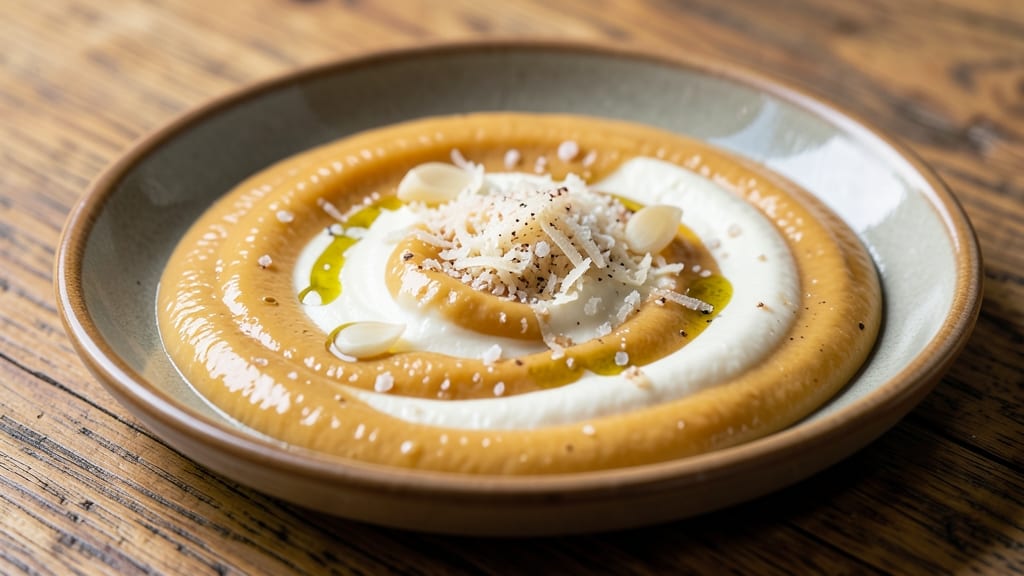
This alfredo sauce recipe for two delivers restaurant-quality richness without the heavy clumps or dairy overload. The secret lies in tempering the cream with butter and Parmesan gradually, ensuring a silky texture that clings perfectly to fettuccine.
I've tested countless variations, and this method consistently delivers that velvety, luxurious finish—every time.
What sets this recipe apart is its precision for two servings—just ½ cup of sauce per person, with ingredients scaled perfectly to avoid waste. The sauce builds in stages: first melting butter to infuse flavor, then whisking in cream and Parmesan while keeping the heat low to prevent curdling.
Garlic adds depth without overpowering, while a splash of pasta water at the end ensures the sauce clings beautifully to noodles.
The result is a sauce that's creamy yet light, with a perfect balance of richness and tang. It coats each strand of fettuccine effortlessly, creating that signature alfredo experience without the heaviness of traditional recipes.
The texture is velvety, not greasy, and the flavor is pure comfort—just like your favorite Italian restaurant, but better.
For those watching their dairy intake, a simple cashew cream swap keeps the richness while making it vegan-friendly. The technique remains identical, proving this recipe adapts seamlessly to dietary needs without sacrificing flavor. Ready to elevate your pasta night?
Ingredients for alfredo sauce recipe for two
Eight ingredients transform into velvety alfredo that clings perfectly to fettuccine.
| Ingredient | Amount | Notes |
|---|---|---|
| Unsalted Butter 🧈 | ½ cup | Cold, cubed for gradual melting |
| Heavy Cream 🥛 | 1 cup | Full-fat for optimal richness |
| Parmesan Cheese 🧀 | 1 cup | Freshly grated from block |
| Garlic Cloves 🧄 | 2 cloves | Minced for subtle depth |
| Extra-Virgin Olive Oil 🫒 | 1 tbsp | For finishing touch |
| Diamond Crystal Kosher Salt 🧂 | ½ tsp | Adjust to taste |
| Freshly Ground Black Pepper 🌶️ | ¼ tsp | For subtle heat |
| Pasta Water 💧 | ¼ cup | Reserved from cooking fettuccine |
The butter and cream form the sauce's luxurious base, so quality matters. European-style butter like Plugrá stays rich without burning, while heavy cream from organic sources ensures a velvety finish. Parmesan should be Parmigiano-Reggiano—pre-grated lacks the depth of freshly grated. Minced garlic should be freshly peeled and chopped to avoid bitterness. For the olive oil, California extra-virgin brands like Corto offer the best balance of peppery notes without overpowering. Store butter in the freezer to preserve freshness, and keep cream refrigerated until use.
No heavy cream? Full-fat coconut milk works for a dairy-light version, though texture will differ slightly. Substitute Parmesan with nutritional yeast plus a pinch of turmeric for a vegan-friendly option, though flavor won't be identical. Pre-minced garlic from jars lacks freshness—always chop your own. For the olive oil, avocado oil is a neutral alternative if you prefer a milder taste. The pasta water is non-negotiable for cling—reserve it while cooking the noodles. If you're short on time, low-sodium chicken broth can substitute, though it won't bind as well.
This sauce is best made fresh, but reheats beautifully when stored properly. Keep in an airtight container in the fridge for up to 3 days, stirring before reheating. For longer storage, freeze in ice cube trays—thaw and whisk to restore creaminess. The sauce thickens as it cools, so add a splash of warm water or milk when reheating. Portion into small containers for easy use with single servings of pasta.
Why You'll Love This Recipe
- No Chopping Needed: I swear by this—just two garlic cloves, minced in 30 seconds, and you’re done. No peeling, no dicing, no mess. That rich butter and cream do all the heavy lifting while you sip wine and pretend you’re in a fancy Italian kitchen.
- Creamy Without the Guilt: Between us, heavy cream and butter might sound indulgent, but here’s the trick: one tablespoon of olive oil at the end makes it silky without overpowering. It’s the kind of sauce that feels like a hug—thick, velvety, and still lets the Parmesan shine.
- Date Night or Lazy Sunday: This isn’t just pasta sauce. Drizzle it over grilled chicken, toss it with roasted veggies, or even use it as a dip for garlic bread. Honestly, I’ve served it at both my “I’ll order pizza” nights and my “I’m impressing my partner” dinners. It adapts.
- Leftovers That Don’t Suck: Most sauces turn into a sad, watery mess reheated—but not this one. The butter and cream actually thicken when stored, so the next day, I just warm it with a splash of milk. Freezes like a dream too, so I always make extra. (Yes, even on a Tuesday night.)
Step-by-step instructions for velvety Alfredo sauce
This method delivers restaurant-quality Alfredo without lumps or separation—every time.
Melt Butter and Infuse with Garlic
In a medium saucepan, melt the 0.5 cup unsalted butter over medium-low heat, stirring constantly until it reaches 180°F and begins to foam. I keep the heat low here to prevent burning while ensuring the butter melts completely. Add the 2 minced garlic cloves and cook for 30 seconds until fragrant—you'll smell the garlic's sweet aroma without any bitterness. This step builds the sauce's aromatic foundation while keeping the garlic subtle.
Remove the pan from heat and let it cool slightly for 1 minute. This prevents the heavy cream from curdling when added later. The butter should be warm but not smoking, and the garlic should be soft rather than crisp. If you see any browned bits forming, strain them out with a fine-mesh sieve to maintain a clean, velvety texture.
Incorporate Heavy Cream and Parmesan
Return the pan to medium heat and pour in the 1 cup heavy cream, stirring gently to combine. Let the mixture simmer for 3-4 minutes until it begins to thicken slightly—you'll notice the sauce coat the back of a spoon. This gradual heating ensures the cream warms evenly without separating.
Reduce the heat to low and sprinkle in the 1 cup freshly grated Parmesan cheese in 3 additions, whisking vigorously after each to prevent clumping. I find this staged approach is critical—adding all the cheese at once can create grainy texture. The sauce should begin to thicken noticeably as the cheese melts completely, forming a smooth, glossy consistency. If it looks too thick, we'll adjust it in the next step.
Refine Texture with Pasta Water
Taste the sauce and adjust seasoning with the 0.5 tsp Diamond Crystal kosher salt and 0.25 tsp freshly ground black pepper. The salt should enhance the cheese's richness, while the pepper adds subtle heat. Now, if the sauce appears too thick, whisk in the 0.25 cup pasta water 1 tablespoon at a time until you reach your desired consistency. The starchy pasta water acts as a natural thickener while adding body without altering the sauce's creamy character.
For extra richness, remove the pan from heat and stir in the 1 tbsp extra-virgin olive oil. This creates a silky finish that prevents the sauce from becoming too heavy. The oil should blend seamlessly, leaving you with a sauce that's both luxurious and balanced. Keep the sauce warm over low heat until ready to serve—never boil, as this can cause the cream to separate.
Finish and Serve Immediately
Just before serving, give the sauce one final taste and adjust seasoning if needed. The sauce should be smooth, velvety, and coat the back of a spoon without being gluey. For fettuccine, toss the drained pasta directly in the saucepan with the sauce, letting it absorb the flavors for 1-2 minutes off heat. This ensures every strand is perfectly coated.
Serve immediately while the sauce is still warm, as Alfredo loses its velvety texture when cooled. The sauce should cling beautifully to the pasta, with a rich, cheesy flavor that's neither overly salty nor bland. The minced garlic adds depth without overpowering, and the olive oil finish prevents the dish from feeling too heavy. This method guarantees a creamy, lump-free Alfredo every time—no special techniques required, just precise timing and attention to texture.
Pro Tips For Making Alfredo Sauce Recipe For Two
- Melt Butter Slowly: Start with a chilled pan—cold butter browns faster than you think, and you’ll end up with a burnt taste before the cream even hits the heat. Let the butter melt gently over medium-low, swirling it constantly until it’s just golden, not frothy. I learned this the hard way after ruining a batch because I got impatient and cranked the heat.
- Grind Parmesan Fresh: Pre-grated cheese is a time-saver, but it’s also a flavor killer—it dries out and loses its richness. Grab a microplane or a fine grater and shred your own Parmesan right before adding it to the sauce. It’ll make a real difference in texture and taste, and you’ll use less because it’s more concentrated.
- Strain the Cream: Heavy cream separates when heated, and that’s when your sauce turns grainy and unappetizing. After simmering the cream and butter mixture, pour it through a fine-mesh strainer into your saucepan. It takes 30 seconds but guarantees a silky finish—no one wants to taste curdled cream in their fettuccine.
- Use Garlic Oil: Sauté your garlic in olive oil first, then remove it before adding the butter and cream. This prevents the garlic from burning and gives the sauce a subtle, aromatic depth without overpowering it. Yes, you’ll lose the garlic pieces, but the flavor lingers—trust the process.
Storing and reheating your alfredo sauce recipe for two
Fridge Storage Tips
Transfer your freshly made Alfredo sauce to an airtight container—I prefer glass jars with snap-on lids for easy reheating. Store it in the fridge at 40°F or below for up to 3 days, but I recommend using it within 2 days for peak creaminess.
The sauce will thicken slightly as it cools, so plan to stir in a splash of warm water or milk when reheating. 🧊
Always let the sauce cool completely before refrigerating to prevent condensation from forming on the lid. This keeps the texture intact and avoids any watery separation.
I also add a small piece of parchment paper on top before sealing to minimize direct contact with the lid, which can sometimes cause a film to form.
Freezing for Later Use
For longer storage, portion the sauce into ice cube trays—this makes it easy to thaw just what you need. Once frozen, transfer the cubes to a freezer bag with all the air squeezed out to prevent freezer burn.
The sauce will keep for up to 3 months in the freezer, though I’ve found the texture remains best for 2 months. 🥶
To thaw, place the frozen cubes in the fridge overnight. When ready to use, whisk the thawed sauce with a splash of warm water or milk to restore its velvety consistency. Avoid microwaving directly from frozen, as this can cause separation.
For a quick fix, place the frozen cubes in a heatproof bowl and let them sit in warm water for 5-10 minutes before whisking.
Reheating Like a Pro
For stovetop reheating, pour the refrigerated sauce into a small saucepan and warm it over low heat, stirring constantly. Add 1 tablespoon of warm water or milk for every ½ cup of sauce to prevent thickening.
Keep the heat gentle—medium-low is ideal—to avoid curdling. The sauce should reach 165°F before serving, which usually takes 3-5 minutes. 🔥
If the sauce separates slightly, don’t panic! Simply whisk vigorously over low heat for an additional 1-2 minutes—the residual starch in the pasta water helps bind it back together.
For extra insurance, add a pinch of Diamond Crystal kosher salt to enhance the sauce’s flavor and smooth out any texture issues. Serve immediately for the best results, as reheated Alfredo is best enjoyed fresh.
Microwave Shortcuts
When time is tight, microwave the sauce in 30-second intervals, stirring well between each interval. Use a microwave-safe bowl and cover loosely with a damp paper towel to retain moisture.
Start with 50% power to avoid overheating, and add 1 tablespoon of warm water if the sauce thickens too much. This method works best for small portions and keeps the sauce creamy, though it won’t be as smooth as stovetop reheating. ⏱️
For larger batches, divide the sauce into smaller containers before reheating to ensure even heating. Avoid microwaving for more than 2 minutes total, as this can cause the cream to separate.
If you notice any oil separation, whisk in a ½ teaspoon of Dijon mustard—it acts as a natural emulsifier to restore the sauce’s silky texture. Always taste and adjust seasoning after reheating, as flavors can mellow slightly during storage.
Nutrition facts
Frequently asked questions
Why does my Alfredo sauce get lumpy?
Lumps happen when Parmesan isn't incorporated gradually or when heat is too high. Always whisk in cheese in 3 additions over low heat, and never let the sauce boil. The pasta water should be added last to bind everything smoothly. For extra insurance, strain through a fine-mesh sieve before serving.
Can I make this sauce without heavy cream?
Yes! For a lighter version, substitute with ½ cup whole milk + ½ cup mayonnaise (trust me, it works!). For dairy-free, blend ½ cup soaked cashews + ½ cup water until smooth, then use as a 1:1 cream replacement. The texture will be slightly different but still delicious.
How do I know when the sauce is ready?
Your sauce is perfect when it's smooth, glossy, and coats the back of a spoon without being gluey. It should reach 165°F (test with an instant-read thermometer) and have a velvety consistency. If it's too thick, add pasta water 1 tbsp at a time—the starch helps create that signature cling.
What's the best pasta to pair with this sauce?
Fettuccine is classic, but tagliatelle or pappardelle work beautifully too. For extra texture, try fresh egg noodles—their richness complements the sauce perfectly. Avoid thick, chewy pastas like rigatoni, as they can overpower the delicate flavor.
Can I make this sauce ahead of time?
Yes, but with care! Store in an airtight container in the fridge for up to 3 days, or freeze in ice cube trays for up to 3 months. Reheat gently over low heat, adding a splash of warm water or milk to restore creaminess. Never microwave directly from frozen—thaw first for best results.