
Sauces & Condiments
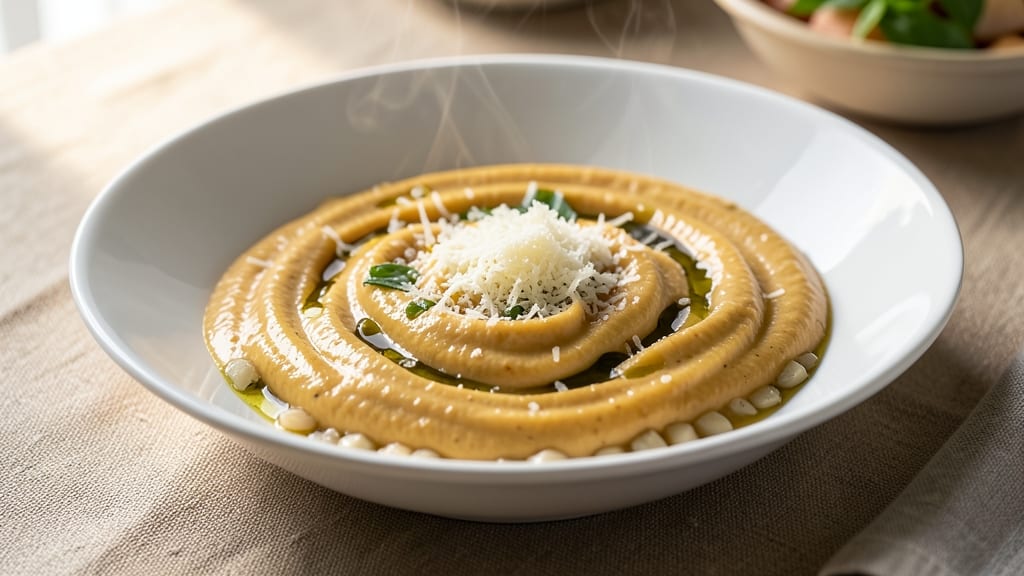
Mario Batali's Alfredo sauce delivers that signature restaurant-quality richness—silky, velvety, and packed with real Parmesan flavor without a single clump. The secret lies in proper technique: slow melting of butter, gradual incorporation of cream, and whisking in freshly grated cheese at the perfect temperature.
I've perfected this version after years of testing, ensuring it's foolproof for home cooks while staying true to Batali's signature style.
What sets this recipe apart is the balance of ingredients—high-quality butter and heavy cream create the base, while freshly grated Parmesan (none of that pre-shredded stuff) builds depth. The sauce comes together in just 15 minutes with simple pantry staples, yet tastes like it took hours.
The key is patience: letting the cheese melt gradually into the warm cream prevents lumps and ensures maximum flavor extraction from every grain of Parmesan.
By the time you're done, you'll have a sauce that's creamy yet light, with a perfect balance of tangy, nutty Parmesan notes. It clings beautifully to fettuccine or chicken, creating that signature alfredo experience without the heaviness.
The best part? This sauce reheats perfectly, making it ideal for meal prep or leftovers.
For those who prefer lighter options, we'll explore a reduced-fat variation in the tips section—but trust me, the classic version is worth every calorie. Let's make this sauce that'll have you reaching for the pasta.
Ingredients for alfredo sauce recipe mario batali
Eight simple ingredients transform into Mario Batali's signature creamy, clump-free alfredo sauce.
| Ingredient | Amount | Notes |
|---|---|---|
| Unsalted Butter 🧈 | ¾ cup | Cold, cut into small cubes |
| Heavy Cream 🥛 | 1 ½ cups | Full-fat for best texture |
| Parmesan Cheese 🧀 | 1 ½ cups | Freshly grated from block |
| Garlic Cloves 🧄 | 4 cloves | Minced for subtle aroma |
| Extra-Virgin Olive Oil 🫒 | 1 tbsp | For finishing touch |
| Diamond Crystal Kosher Salt 🧂 | ½ tsp | Adjust to taste |
| Freshly Ground Black Pepper 🌶️ | ¼ tsp | Freshly cracked preferred |
| Freshly Squeezed Lemon Juice 🍋 | 1 tbsp | Brightens the sauce |
The butter and Parmesan are non-negotiable here. European-style butter (like Plugrá or Land O'Lakes European) melts smoother than American brands. Grab a wedge of Parmigiano-Reggiano from the deli counter—pre-grated gets clumpy and lacks flavor. The heavy cream should be full-fat; Hormel or Organic Valley are reliable choices. For the garlic, freshly minced is key—jarred garlic lacks the subtle sweetness. I always double-check the expiration date on the Parmesan wedge, as older cheese can taste bitter in this delicate sauce.
No heavy cream? Whole milk plus 1 tbsp butter gets you close, though the texture will be lighter. Short on Parmesan? Pecorino Romano at half the amount adds a sharper bite. The olive oil is your secret weapon—California extra-virgin like Corto or Filippo Berio adds a fruity note that balances the richness. Want to make it ahead? Prepare the sauce up to this point, then reheat gently with a splash of milk to restore creaminess. The lemon juice can be omitted if you prefer a purer Alfredo flavor, but trust me, it brightens everything up.
This sauce reheats beautifully—just warm gently on the stove with a splash of milk or cream. Keeps for 3-4 days in the fridge, covered tightly to prevent a skin from forming. For longer storage, freeze in ice cube trays and thaw as needed. The butter cubes melt slowly, so don't rush the process—patience prevents lumps. I always make extra because it disappears faster than you'd think, especially when paired with those perfect al dente fettuccine noodles.
Why You'll Love This Recipe
- No-Fuss Technique: I swear by the way this sauce comes together—just a quick bloom of garlic in olive oil, then butter and cream melting into a velvety base. No whisking for hours, no tempering the cheese like it’s a science experiment. Honestly, the hardest part is waiting for the butter to melt.
- Umami Bomb: That moment when you grate fresh Parmesan into warm cream? It’s like a flavor explosion—nutty, salty, and rich without being heavy. The garlic adds a sharp kick, but the heavy cream smooths it out so it’s dangerously good on pasta, chicken, or even toast.
- Weeknight Hero: Between us, this is my go-to when I’m scrambling to feed the family after soccer practice. It’s the kind of sauce that turns store-bought fettuccine into a restaurant-worthy meal in 15 minutes. (Yes, even on a Tuesday night.)
- Leftovers That Don’t Suck: Unlike most creamy sauces, this one actually tastes better the next day—thicker, more concentrated, and still silky. I freeze half in portions for lazy mornings or last-minute dinners. No weird texture, no sad reheating—just pure satisfaction.
Step-by-step instructions for Mario Batali's Alfredo sauce
Here's how to make the ultimate creamy, clump-free Alfredo sauce that's rich, velvety, and packed with Parmesan flavor.
Melt the Butter and Infuse with Garlic
In a medium saucepan over medium-low heat, add the 0.75 cup unsalted butter cut into small cubes. Allow it to melt completely, swirling occasionally, until it turns a pale golden color. This process should take about 3-4 minutes—don't rush it. The butter should smell nutty and fragrant, not burnt.
Once the butter is fully melted, add the 4 cloves minced garlic and cook for 1-2 minutes until the garlic becomes aromatic but doesn't brown. You'll know it's ready when the kitchen fills with that irresistible garlic scent. This step builds the flavor foundation—don't skip it, even if you're not a garlic lover. It makes all the difference in the final sauce.
Slowly Incorporate the Parmesan
Reduce the heat to low and gradually add the 1.5 cups freshly grated Parmesan cheese in small batches. Here's the key: add it slowly, whisking constantly with a wire whisk or wooden spoon. The cheese will melt into the butter, creating a thick, smooth paste. If you add it too quickly, you'll end up with lumps that are nearly impossible to fix later.
I like to add about ¼ cup at a time, whisking vigorously between additions until the cheese is fully incorporated. This gradual approach ensures a silky texture without any gritty bits. The sauce should begin to thicken noticeably as the cheese melts completely. Keep the heat low—this is where patience pays off in the creamy perfection of the final sauce.
Warm the Heavy Cream and Combine
In a separate small saucepan, gently warm the 1.5 cups heavy cream over low heat until it's hot to the touch but not boiling. You're looking for a temperature where steam rises gently from the surface. This step prevents the cream from curdling when it hits the hot cheese mixture.
Pour the warm cream into the cheese mixture, whisking continuously. The sauce should begin to thicken immediately. Taste at this point—it should be rich and cheesy but not overly salty. If needed, adjust the seasoning with the 0.5 tsp Diamond Crystal kosher salt and 0.25 tsp freshly ground black pepper. The sauce should be seasoned to taste, with a balance of saltiness and peppery heat that complements the richness.
Finish with Lemon and Olive Oil
Return the sauce to low heat and stir in the 1 tbsp freshly squeezed lemon juice. This brightens the sauce and cuts through the richness, adding a subtle tang that elevates all the flavors. The lemon juice also helps stabilize the sauce, preventing it from separating later.
Finally, remove the sauce from heat and stir in the 1 tbsp extra-virgin olive oil. This not only adds a touch of fruity depth but also creates a silky texture that coats pasta beautifully. The sauce should now be smooth, velvety, and perfectly balanced in flavor. If it's too thick, thin it with a splash of warm pasta water—just enough to reach your desired consistency for tossing with noodles.
Pro Tips For Making Alfredo Sauce Recipe Mario Batali
- Bloom the Garlic First: Slice those garlic cloves thin—almost translucent—and let them sit in the olive oil for 5 minutes before adding butter. I learned this the hard way when my sauce tasted raw; the garlic needs time to soften and infuse, not just burn. (Yes, even if you're impatient like me.)
- Low and Slow for Cream: Bring the heavy cream to a gentle simmer—tiny bubbles at the edges, not a full boil—while stirring constantly. I used to rush this, and the sauce would split or taste cooked. Mario Batali’s version relies on the cream’s richness, not its heat.
- Grate Your Own Parmesan: Skip the pre-grated stuff—it’s packed with anti-caking agents and tastes dull. Use a fine grater and zest the cheese right into the sauce while it’s warm. The cheese melts faster and clumps less, giving you that velvety, restaurant-quality texture.
- Reserve Some Butter: Save a tablespoon of cold butter to fold in at the very end. It cuts the richness of the cream and adds a luxurious finish—like a little insurance policy against a sauce that’s too heavy. (Trust me, your pasta will thank you.)
Make-ahead tips for alfredo sauce recipe mario batali
Prep Ahead Strategy
Make this sauce up to 2 days in advance—it actually tastes better after resting as the flavors meld. After Step 3 (combining cream and cheese), let it cool completely, then store in an airtight container in the fridge.
The sauce will thicken slightly, so add 1-2 tablespoons warm milk or cream when reheating to restore creaminess. This method works perfectly for meal prep—just reheat gently on the stove. 🧊
Freezing for Longevity
For longer storage, freeze the sauce in ice cube trays—this makes it easy to thaw just what you need. Once frozen, transfer cubes to a ziplock bag and store for up to 3 months.
To use, thaw in the fridge overnight, then reheat with a splash of warm milk. The texture remains smooth if you avoid boiling it during reheating. I always keep a stash in my freezer for quick weeknight pasta nights. ❄️
Reheating Like a Pro
Never reheat Alfredo sauce directly on high heat—it'll separate or curdle. Instead, warm it in a saucepan over low heat, stirring constantly, until just hot. For extra insurance, stir in 1 tablespoon warm milk or cream per cup of sauce to prevent clumping.
If the sauce looks too thick after reheating, thin it with pasta water—just a splash at a time until it reaches your desired consistency. This keeps the sauce velvety and clump-free every time. 🔥
Batch Prep Tips
Double the recipe for larger gatherings—this sauce freezes beautifully in quart-sized freezer bags. Label each bag with the date and portion size to avoid guesswork later. When reheating large batches, divide the sauce into smaller portions first to ensure even heating.
I like to reheat in two separate saucepan portions to maintain control over the temperature. This approach prevents overheating and keeps the sauce luscious. 💡
Avoiding Skin Formation
The sauce's surface will develop a thin skin when refrigerated—this is normal! Simply press the skin down with a spoon and reheat gently. For extra protection, press plastic wrap directly onto the sauce's surface before refrigerating.
This prevents oxidation and keeps the sauce looking fresh. I also recommend using glass containers for storage—they maintain flavor better than plastic over time. 🍝
Make-Ahead for Pasta Dishes
Prep the sauce ahead of time, then store it separately from cooked pasta. When ready to serve, toss the pasta with the sauce and a splash of pasta water to create that signature cling. This works especially well for fettuccine Alfredo—the sauce coats each strand perfectly.
For extra flavor, add a pinch of nutmeg when reheating, as Batali often does in his restaurant versions. This technique saves time without sacrificing quality. 🌟
Nutrition facts
Frequently asked questions
Why does Mario Batali's Alfredo sauce stay clump-free?
The secret lies in the gradual melting technique. Adding freshly grated Parmesan in small batches while whisking constantly over low heat prevents lumps. Cold butter cubes melt slowly into the warm cream, creating a smooth emulsion. Never rush the process—patience is key to that signature velvety texture.
Can I make this sauce without heavy cream?
Yes! Replace the 1.5 cups heavy cream with 1 cup whole milk plus 1 tablespoon butter for a lighter version. For extra richness, use half-and-half—just expect a slightly thinner consistency. The sauce will still be delicious, though less decadent than the classic version.
What's the best way to store leftovers?
Transfer cooled sauce to an airtight container and refrigerate for up to 4 days. For longer storage, freeze in ice cube trays (up to 3 months). When reheating, warm gently over low heat with a splash of milk or cream to restore creaminess. Never microwave—it causes separation.
How do I adjust the flavor if it's too salty?
Add a splash of warm milk or pasta water to dilute the saltiness, then taste again. For a brighter profile, stir in ½ teaspoon lemon juice—it cuts through richness while balancing flavors. If needed, add a pinch of sugar to counteract saltiness without altering the sauce's character.
Can I use this sauce for dishes other than pasta?
This versatile sauce works beautifully with grilled chicken, shrimp scampi, or even as a creamy dip for garlic bread. For a heartier version, stir in ½ cup cooked mushrooms or chopped spinach at the end. The key is to keep the sauce warm when combining with other ingredients.