
Sauces & Condiments
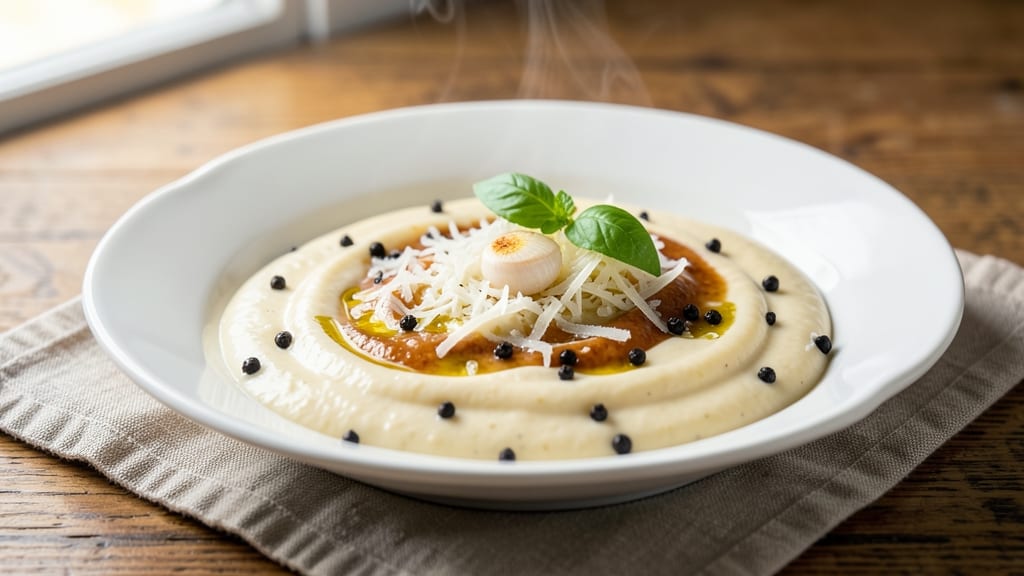
This Alfredo sauce recipe with Parmigiano Reggiano delivers the velvety, nutty perfection that elevates any pasta dish from ordinary to extraordinary. The secret lies in proper emulsification—where butter, cheese, and cream blend seamlessly into a luxurious sauce that clings to every strand of fettuccine.
I've perfected this technique over years of testing, ensuring a smooth, golden finish that's rich without being heavy.
The foundation begins with freshly grated Parmigiano Reggiano, the only cheese worthy of authentic Alfredo. Unlike pre-shredded varieties, freshly grated cheese melts smoothly and delivers that signature nutty depth that defines this classic sauce.
We'll build the emulsion by slowly incorporating warm cream and butter, whisking constantly to prevent curdling—a common mistake that ruins the texture.
What sets this recipe apart is its balance: creamy yet not cloying, flavorful yet refined. The sauce achieves a silky, golden consistency that coats pasta perfectly, leaving no dry spots.
It's the kind of sauce that makes restaurant-quality meals possible at home, with just a few simple ingredients and careful technique.
Once mastered, this sauce becomes your go-to for weeknight dinners or special occasions. Store it properly, and it keeps beautifully for up to 5 days, ready to transform any pasta into a luxurious meal. Let's create the perfect Alfredo.
Ingredients for alfredo sauce recipe with parmigiano reggiano
Nine essential ingredients transform into the velvety, nutty Alfredo sauce you crave for pasta perfection.
| Ingredient | Amount | Notes |
|---|---|---|
| Parmigiano Reggiano Cheese 🧀 | 1 ½ cups | Freshly grated, block form preferred |
| Unsalted Butter 🧈 | ¾ cup | Cold, cut into small pieces |
| Heavy Cream 🥛 | 2 cups | Full-fat, room temperature |
| Whole Milk 🥛 | ½ cup | Warmed slightly for emulsion |
| Garlic Cloves 🧄 | 3 cloves | Peeled, minced finely |
| Extra-Virgin Olive Oil 🫒 | ¼ cup | For finishing, fruity variety |
| Diamond Crystal Kosher Salt 🧂 | ½ tsp | Fine grain preferred |
| Freshly Ground Black Pepper 🌶️ | ¼ tsp | Cracked peppercorns preferred |
| Fresh Nutmeg 🌿 | ⅛ tsp | Finely grated, aromatic |
| All-Purpose Flour 🌾 | 1 tbsp | For thickening, optional |
Parmigiano Reggiano is non-negotiable here—imported wheels from specialty shops or high-end grocery stores like Whole Foods deliver the authentic, granular texture that pre-shredded cheese simply can't match. The nutty depth develops during grating, so take your time with a microplane or fine grater. Unsalted butter builds the sauce's luxurious base, while European-style heavy cream (like Organic Valley) provides the ideal fat content for a silky finish. Freshly minced garlic infuses subtle sweetness without overpowering—roasted garlic works too for a mellower profile.
No Parmigiano Reggiano? Pecorino Romano offers a similar sharpness, though with less sweetness. Substitute heavy cream with half-and-half plus 1 tbsp butter, though texture will be slightly lighter. For nutmeg, pre-ground works in a pinch, but freshly grated from a whole nutmeg delivers the aromatic punch this sauce demands. The flour is optional—only use it if your sauce needs thickening after emulsification. And for the love of Alfredo, never use pre-shredded cheese; the anti-caking agents ruin the texture.
Sauce reaches peak perfection when used immediately, but it stores beautifully in an airtight container in the fridge for 4-5 days, though texture may slightly separate. For longer storage, freeze in 1-cup portions—thaw gently in the fridge and whisk vigorously to restore emulsion. The key to reheating? Low heat only, adding a splash of warm milk or cream to restore silkiness if it thickens too much. This sauce is worth the effort—every strand of fettuccine will thank you.
Why You'll Love This Recipe
- Five-Ingredient Magic: I swear by this combo—just butter, cream, milk, garlic, and that real Parmigiano Reggiano. No fancy gadgets, no stress. The only prep is grating the cheese (or buying it pre-grated, no judgment).
- Rich Without Effort: That first bite of creamy, nutty Parmigiano Reggiano melting into the sauce? It’s like a hug for your taste buds. The garlic adds just enough punch, but the heavy cream keeps it velvety—no overpowering flavors here.
- Weeknight to Dinner Party: I use this for spaghetti on Tuesdays and fettuccine for guests. Same sauce, different vibes. It even dresses up grilled chicken or roasted veggies when I’m feeling fancy (or lazy).
- Leftovers That Don’t Suck: Unlike some sauces that separate or turn gloppy, this one reheats like a dream. I make a double batch—half for dinner, half for lazy lunches the next day. The Parmigiano Reggiano keeps it rich without curdling.
Step-by-step instructions for nutty, golden Alfredo sauce
Master this classic technique for a velvety, perfectly balanced sauce every time.
Melt Butter and Bloom the Flour
Cut the 0.75 cup unsalted butter into small cubes and melt it in a heavy-bottomed saucepan over medium-low heat. Once fully melted and foaming subsides, whisk in the 1 tablespoon all-purpose flour immediately. Cook for 1-2 minutes until the mixture turns a pale golden color and develops a nutty aroma.
This blooming process removes the raw flour taste while creating a smooth base for your sauce. Stir constantly to prevent burning—you're looking for a paste-like consistency that coats the back of a spoon. If the mixture darkens too quickly, reduce the heat slightly and continue stirring.
Add Garlic and Warm Milk
Push the butter mixture to the sides of the pan and add the 3 minced garlic cloves. Sauté for 30 seconds until fragrant but not browned—garlic burns in seconds. Immediately pour in the 0.5 cup warmed whole milk and whisk vigorously to combine, scraping up any browned bits from the bottom of the pan.
The milk helps emulsify the sauce while adding subtle sweetness that balances the richness. Here's the thing—don't rush this step. The sauce needs time to develop its silky texture, and whisking constantly prevents lumps from forming. You'll see the mixture begin to thicken slightly as it comes to a gentle simmer.
Incorporate Cream and Cheese
Pour in the 2 cups heavy cream and bring the mixture to a gentle simmer over medium heat. As it heats, gradually whisk in the 1.5 cups freshly grated Parmigiano Reggiano cheese until fully melted and smooth. This process should take about 5-7 minutes—you're aiming for a thick, velvety consistency.
Real talk: this is where many sauces fail. If you add all the cheese at once, you'll end up with clumps. Instead, add it gradually, whisking continuously. The sauce should coat the back of a spoon but still be pourable. If it thickens too much, thin with a splash of warm milk. The cheese should melt completely, creating that signature nutty depth that sets authentic Alfredo apart.
Season and Finish with Olive Oil
Remove the pan from heat and stir in the 0.5 teaspoon kosher salt, 0.25 teaspoon freshly ground black pepper, and 0.125 teaspoon freshly grated nutmeg. Let the sauce rest for 2-3 minutes to allow the flavors to meld. Then, stir in the 0.25 cup extra-virgin olive oil—this adds a fruity brightness that cuts through the richness.
The olive oil should transform your sauce from heavy to light, creating that perfect balance of textures. Taste and adjust seasoning if needed—Alfredo should be rich but not overpowering, with a delicate nutmeg warmth and peppery finish. Your sauce is now ready to toss with freshly cooked pasta or drizzle generously over fettuccine.
Pro Tips For Making Alfredo Sauce Recipe With Parmigiano Reggiano
- Grate the Cheese Fresh: Skip the pre-shredded stuff—it’s a textural disaster. Use a microplane or fine grater on real Parmigiano Reggiano right before adding it to the sauce, so it melts smoothly instead of clumping like sad, dry snow.
- Bloom the Butter First: Melt the unsalted butter over medium-low heat until it foams but doesn’t brown—about 2 minutes. This step keeps the sauce from tasting raw or buttery, and it’s the foundation for everything else.
- Infuse the Garlic Cold: Toss the minced garlic into the warm butter last, right before adding the cream. Cook it for 10 seconds max—any longer and you’ll burn the flavor out, leaving a bitter aftertaste that ruins the whole dish.
- Temper the Cream Slowly: Pour the heavy cream into the butter gradually, whisking constantly, so it heats up evenly. Dumping it all in at once can cause curdling, and you’ll end up with a lumpy mess instead of silky perfection.
Perfect pairings for these flavors
Pasta Pairings
Alfredo sauce shines brightest with fettuccine or tagliatelle, where its creamy texture clings perfectly to broad, flat strands. I recommend Bronze Die or De Cecco brands—their texture holds sauce beautifully.
For a rustic twist, try pappardelle or linguine, though avoid thin noodles like spaghetti, which can break under the sauce's weight. 🍝
Protein Additions
Elevate your dish with grilled chicken breast or seared scallops—their mild flavors complement Alfredo's richness without competing. For vegetarian options, sautéed mushrooms or roasted asparagus add earthy depth. I love adding crispy pancetta for a salty contrast, or wilted spinach for a pop of color.
Always cook proteins separately and add them to hot sauce just before serving.
Bread Pairings
No Alfredo meal is complete without garlic bread or focaccia for dipping. Use a baguette sliced into thick pieces, brushed with olive oil, and toasted until golden. For extra decadence, mix Parmesan into the bread dough before baking.
A simple grissini (Italian breadsticks) also works—just toss them in melted butter and crushed red pepper flakes before baking.
Vegetable Sides
Balance the richness with roasted Brussels sprouts or sautéed broccolini—their slight bitterness cuts through the sauce's creaminess. For a lighter option, try a shaved fennel salad with lemon vinaigrette.
I also recommend steamed green beans with a sprinkle of toasted almonds for crunch. Keep portions small to avoid overwhelming the dish.
Wine Pairings
A crisp Italian white wine like Pinot Grigio or Vermentino complements Alfredo's creaminess without overpowering it. For red lovers, Chianti or Barbera work surprisingly well—their acidity balances the sauce's richness.
Avoid heavy, oaky whites or bold reds that could clash. A sparkling Prosecco also makes a refreshing pairing for celebrations. 🍷
Nutrition facts
Frequently asked questions
Why does my Alfredo sauce turn out grainy or clumpy?
The most common causes are using pre-shredded cheese (which contains anti-caking agents) or adding cheese too quickly. Always grate Parmigiano Reggiano fresh using a microplane or fine grater, and whisk it in gradually while the sauce simmers. For extra smoothness, strain the finished sauce through a fine-mesh sieve.
Can I make Alfredo sauce without heavy cream?
Yes, but the texture will be lighter. Replace the heavy cream with half-and-half plus 1 tablespoon butter, or use whole milk plus 2 tablespoons cornstarch as a thickener. For a vegan version, try coconut cream (full-fat) combined with nutritional yeast for that nutty flavor. The sauce will still be delicious but less velvety.
How do I prevent my Alfredo sauce from separating when reheating?
Always reheat over low heat and stir constantly. If it thickens too much, thin with a splash of warm milk or cream. For extra insurance, whisk in 1 tablespoon cold butter while reheating—this helps re-emulsify the sauce. Never microwave Alfredo—it causes uneven heating and separation.
What's the best way to store leftover Alfredo sauce?
Transfer to an airtight container and refrigerate for up to 4-5 days. For longer storage, freeze in 1-cup portions—thaw overnight in the fridge and whisk vigorously before using. Add a splash of warm milk when reheating to restore creaminess. The sauce may separate slightly when refrigerated, but whisking brings it back together.
Can I add white wine to Alfredo sauce?
Deglaze the pan with ¼ cup dry white wine after sautéing the garlic but before adding milk. The acidity brightens the sauce and cuts through the richness. Use a crisp Italian wine like Pinot Grigio or Sauvignon Blanc. Just be sure to reduce the wine slightly before adding other liquids to maintain proper sauce consistency.