
Sauces & Condiments
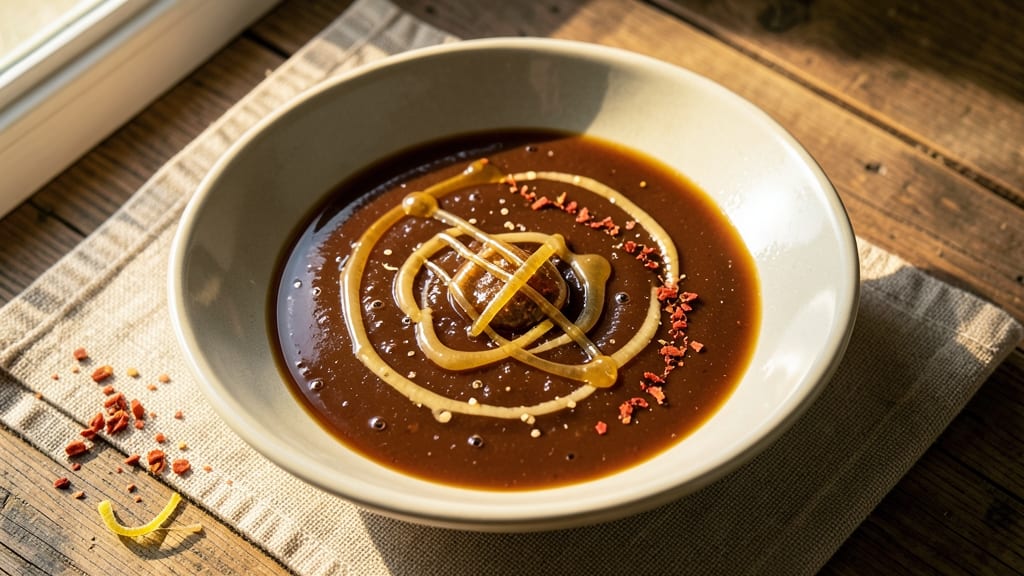
This Outback Ahi Tuna dipping sauce recipe transforms grilled fish into a restaurant-quality experience with its bold soy-ginger-spicy blend. The secret lies in balancing sweet, salty, and heat—just like the famous Outback version—using pantry staples you likely already have.
I perfected this sauce after years of testing, ensuring every dip delivers that signature tangy kick without overpowering delicate ahi tuna.
The sauce comes together in 10 minutes with just 6 ingredients, yet packs layers of umami from soy sauce, bright citrus from lime, and a subtle heat from chili flakes. The ginger adds depth, while sesame oil and honey create a silky, slightly sweet finish that complements grilled fish perfectly.
It’s the kind of sauce that turns a simple meal into something extraordinary—no fancy techniques required.
What makes this recipe stand out is its versatility. Use it for dipping grilled ahi tuna, drizzling over sushi, or even as a marinade for chicken or tofu. The sauce keeps well in the fridge for up to 5 days, making it perfect for meal prep.
Once you taste the difference between this homemade version and store-bought, you’ll never go back.
The key to success is balancing the flavors—start with the recommended amounts, then adjust to taste. Too spicy? Add more honey. Needs more depth? A splash of soy sauce does the trick. This isn’t just a sauce; it’s the missing piece that elevates any seafood dish to restaurant-worthy status.
Ingredients for outback ahi tuna dipping sauce
Six simple ingredients combine to recreate Outback's signature zesty, spicy dipping sauce for grilled ahi tuna.
| Ingredient | Amount | Notes |
|---|---|---|
| Soy Sauce 🍶 | ½ cup | Use low-sodium for better balance |
| Fresh Ginger 🌿 | 2 tbsp | Finely grated, fresh is best |
| Honey 🍯 | 2 tbsp | Wildflower for floral notes |
| Lime Juice 🍋 | ¼ cup | Freshly squeezed, no pulp |
| Sesame Oil 🫒 | 1 tbsp | Toasted sesame for aroma |
| Red Chili Flakes 🌶️ | 1 tbsp | Adjust for heat preference |
The soy sauce is your flavor foundation—Kikkoman or La Choy are solid choices, but any good-quality brand works. Fresh ginger is non-negotiable here; pre-grated jars lose their punch fast. I always grab extra at the Asian market—it keeps for weeks in the freezer. The honey should be smooth, not chunky—Wildflower or Clover add nice floral notes. Lime juice? Mexican limes if you can find them, but regular works too—just squeeze it fresh. The sesame oil gives that signature aroma, so don't skip it (and yes, it's different from regular cooking oil).
No fresh ginger? Powdered ginger at half the amount works in a pinch, but you'll lose some depth. Short on honey? Maple syrup is a decent swap, though it's sweeter. Too spicy? Cut chili flakes in half or add more honey. The sauce should taste tangy, slightly sweet, and just spicy enough to make your lips tingle. Pro tip: Toast your sesame seeds in a dry pan for 30 seconds before whisking them in—they'll add crunch and extra flavor. And if you're making this for a crowd, double the batch. It disappears fast.
This sauce keeps beautifully—5 days in the fridge in an airtight jar, 3 months frozen. I like to make a big batch and keep it on hand for sushi nights. The flavors actually meld better after a day or two, so if you can wait, do it. For extra zing, add a pinch of garlic powder or a dash of fish sauce when serving. And trust me, the first time you drizzle this over perfectly grilled ahi tuna, you'll understand why it's worth every minute.
Why You'll Love This Recipe
- Five-Ingredient Magic: I swear by this combo—just soy, ginger, honey, lime, and sesame oil. No fancy techniques, no hunting for obscure spices, and it still hits that perfect balance of sweet, tangy, and umami every time.
- Lime-Ginger Zing: That fresh ginger and lime juice punch cuts through the richness of the tuna like a cool breeze. Honestly? It’s the secret weapon that makes this sauce dangerously addictive—once you taste it, you’ll reach for it again.
- Weeknight & Party Hero: Slather it on sushi, drizzle it over grilled fish, or serve it in tiny bowls for game day. Between us, it’s my go-to when I’m prepping for a crowd or just want something that feels special without the fuss.
- Leftovers That Don’t Let You Down: This sauce keeps for days in the fridge, and honestly? It tastes even better the second time around. A little goes a long way, so you’ll have extra for next week’s lunch or to toss into stir-fries—no waste, all flavor.
Step-by-step instructions for Outback ahi tuna dipping sauce
This sauce comes together in minutes with bold flavors that'll make your grilled fish shine.
Grate the Fresh Ginger Finely
Use a microplane or fine grater to zest the 2 tablespoons of fresh ginger. You want it so fine it practically dissolves into the sauce—no visible bits should remain. This ensures a smooth texture and even distribution of that zesty kick throughout every dip.
Set the grated ginger aside in a small bowl. The aroma alone should make your kitchen smell amazing—this is where the magic starts. If you're using a regular grater, pulse the ginger in a food processor first to create a paste, then scrape it into your bowl for that same fine texture.
Whisk Soy Sauce and Honey Together
In a medium bowl, combine the 0.5 cup soy sauce and 2 tablespoons honey. Use a whisk to blend them thoroughly until the honey is completely dissolved and the mixture looks uniform. This step is crucial because we want the sweetness to integrate perfectly with the soy's saltiness.
Here's the thing—don't rush this blending. Stir for about 30 seconds until you see no more streaks of honey. The sauce should look glossy and smooth. If you skip this step, you'll end up with a sauce that tastes like separate ingredients rather than a cohesive flavor bomb.
Add Lime Juice and Sesame Oil
Pour in the 0.25 cup lime juice and 1 tablespoon sesame oil while continuing to whisk. The lime juice will brighten everything up, cutting through the richness of the honey and soy. The sesame oil adds that nutty aroma that's so characteristic of Asian-inspired sauces.
Taste the mixture now—you should notice the balance between sweet, tangy, and slightly nutty flavors. If it's too thick, you can add 1-2 teaspoons of warm water to loosen it up. The sauce should coat the back of a spoon but still be pourable. This is the perfect consistency for dipping.
Incorporate Chili Flakes for Heat
Sprinkle in the 1 tablespoon red chili flakes while whisking continuously. The heat will distribute evenly, giving you that signature Outback kick without overwhelming the other flavors. You can adjust this to taste—add a pinch more if you love spice, or leave it as is for a gentle warmth.
Let the sauce sit for 2-3 minutes after adding the chili flakes. This gives the flavors time to meld together. You'll notice the aroma becomes even more complex—smoky from the chili, nutty from the sesame, and bright from the lime. The sauce should now have that perfect balance of sweet, salty, tangy, and spicy.
Pro Tips For Making Outback Ahi Tuna Dipping Sauce
- Grate Ginger Fine: I learned this the hard way—thick, chunky ginger ruins the sauce. Use the smallest holes on your grater or a microplane, then let it sit for 5 minutes before mixing. This releases the oils and blends smoothly without clumps.
- Warm the Soy First: Cold soy sauce can taste harsh in the final mix. Heat 2 tablespoons in a small pan until just steaming (not boiling), then whisk it into the sauce. This mellows the saltiness and lets the honey blend better.
- Balance Honey Last: Taste before adding honey—it’s easy to overdo it. Start with half the recipe’s amount, then adjust. If the sauce tastes cloying, a splash of lime juice or extra soy fixes it faster than starting over.
- Toast Sesame Oil Separately: Add sesame oil last, just before serving. Heat it in a dry pan for 10 seconds until fragrant, then drizzle it in—this keeps the aroma intact instead of cooking it off. (Yes, even if you’re impatient like me.)
Make-ahead tips for this dish
Batch Prep for Meal Prep
Make a big batch of this sauce—it’s perfect for meal prep! Combine all ingredients in a quart-sized mason jar and store it in the fridge for up to 5 days.
The flavors actually deepen after 24 hours, so if you can wait, do it. I like to prep a jar on Sundays for sushi nights all week. 💡
Freezing for Long-Term Use
For longer storage, freeze the sauce in ice cube trays. Once frozen, transfer the cubes to a ziplock bag with all the air squeezed out.
This portion control makes it easy to grab just what you need for a single serving. Thaw overnight in the fridge before using—no microwave required. 🍶
Sauce as a Marinade
Use this sauce as a marinade for ahi tuna or shrimp! Toss your protein in ¼ cup sauce for 15-20 minutes before grilling. The flavors will penetrate beautifully, giving your fish that signature Outback taste. Just pat dry before cooking to avoid a soggy sear. ✨
Adjusting for Crowds
Double or triple the recipe for gatherings—just scale all ingredients proportionally. A large glass jar (like a Ball quart) keeps it fresh in the fridge for 7-10 days.
For extra crowd appeal, serve it in a small crock or dish with a sprinkle of toasted sesame seeds on top. 🌟
Reviving Leftover Sauce
If your sauce thickens over time, stir in 1-2 teaspoons of warm water to restore its pourable consistency. For extra zing, add a pinch of garlic powder or a dash of fish sauce before serving. A quick whisk brings it back to life—no need to start over! 💪
Kid-Friendly Version
For little ones, reduce the chili flakes to ½ teaspoon and add 1 extra tablespoon of honey for sweetness. The milder version still packs bold flavors without the heat. Store it separately so everyone can enjoy their perfect dip. 😊
Nutrition facts
Frequently asked questions
Can I make this dipping sauce without fresh ginger?
Yes! Use 1 teaspoon of ground ginger instead of fresh, but the flavor won't be as vibrant. For a closer match, try 1 tablespoon of ginger paste (found in Asian markets) or a mix of ½ teaspoon ground ginger + ½ teaspoon lemon zest to mimic the freshness. The sauce will still taste great, just slightly less complex.
How spicy should the sauce be for ahi tuna?
The recipe starts with 1 tablespoon of chili flakes for a mild but noticeable heat that complements ahi tuna's delicate flavor. For a milder version, reduce to ½ teaspoon—the sauce will still have depth from the ginger and lime. If you prefer more heat, add ½ teaspoon at a time until it reaches your desired spice level.
Can I substitute honey with another sweetener?
For a 1:1 swap, use agave nectar or maple syrup—both work well, though maple syrup has a stronger flavor. For a lower-sugar option, try monk fruit sweetener (use half the amount). Avoid corn syrup, as it lacks the floral notes honey provides. The sauce will still taste balanced, just with slight flavor variations.
What’s the best way to serve this sauce with grilled ahi tuna?
Drizzle it lightly over the tuna before serving, or offer it in a small bowl for dipping. For extra presentation, garnish with toasted sesame seeds or a sprinkle of chopped cilantro. The sauce pairs perfectly with wasabi rice, edamame, or steamed bok choy as part of a full Outback-style seafood spread.
Why does my sauce taste too salty?
This usually happens if you used regular soy sauce instead of low-sodium. To fix it, add 1-2 teaspoons of honey or lime juice to balance the saltiness. If the sauce is still too strong, thin it with 1 tablespoon of water and taste again. For future batches, measure your soy sauce carefully—½ cup is key for the perfect balance.