
Sauces & Condiments
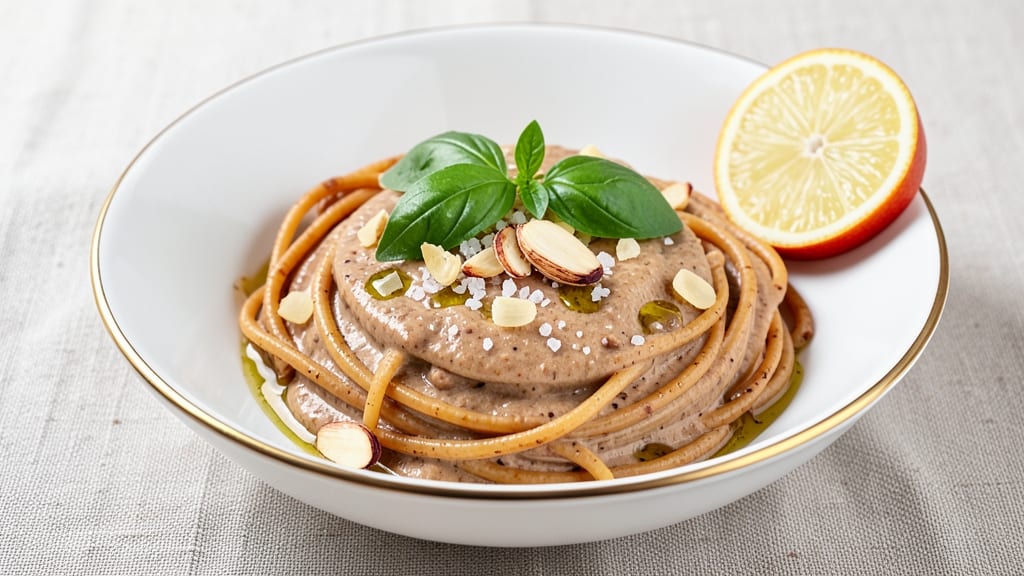
This almond pasta sauce transforms ordinary noodles into a luxurious, dairy-free embrace of nutty richness and velvety texture. The secret lies in blending almond butter with aromatic broth, garlic, and fresh herbs to create a sauce that clings perfectly to pasta without relying on heavy cream.
I developed this recipe after realizing how often creamy sauces felt too rich or required dairy—this version delivers the same comfort with a lighter, plant-based twist that still satisfies cravings.
The foundation starts with toasted almond butter, which adds natural sweetness and depth while keeping the sauce rich and satisfying. Simmering with garlic, shallots, and white wine creates a flavor base that builds complexity, while a splash of lemon juice brightens the final result.
The sauce thickens beautifully as it simmers, allowing you to adjust consistency with water or broth until it reaches that ideal silky coat for pasta.
What you'll end up with is a sauce that's perfectly balanced—nutty yet bright, creamy without being heavy, and packed with herbal notes that elevate simple pasta dishes. It works beautifully with fettuccine, tagliatelle, or even as a risotto base, offering a vegetarian alternative that doesn't compromise on flavor.
The best part? It keeps well in the fridge for up to 5 days, making it an ideal make-ahead sauce for busy weeknights.
For extra richness, stir in grated Parmesan at the end, or keep it completely dairy-free for a lighter option. The sauce also pairs wonderfully with roasted vegetables or grilled chicken, proving its versatility beyond pasta.
Here's how to create this restaurant-worthy sauce at home with just a few simple ingredients and techniques.
Ingredients for almond pasta sauce
Nine simple ingredients create this velvety almond sauce that clings perfectly to pasta.
| Ingredient | Amount | Notes |
|---|---|---|
| Toasted Almond Butter 🥜 | ½ cup | Natural, unsweetened preferred |
| Vegetable Broth 💧 | 1 ½ cups | Low-sodium preferred |
| Garlic Cloves 🧄 | 3 cloves | Minced for aromatic depth |
| Shallots 🧅 | 2 whole | Finely diced, 2 tbsp total |
| Dry White Wine 🍷 | ¼ cup | Substitute with broth if needed |
| Lemon Juice 🍋 | 1 tbsp | Freshly squeezed |
| Fresh Basil Leaves 🌿 | ¼ cup | Packed, stems removed |
| Extra-Virgin Olive Oil 🫒 | ¼ cup | For richness and balance |
| Salt 🧂 | ½ tsp | Adjust to taste |
| Black Pepper 🌶️ | ¼ tsp | Freshly ground preferred |
| Water 💧 | ¼ cup | For thinning if needed |
The almond butter is the star—Trader Joe's or Whole Foods carry the best natural varieties without additives. Toasting your own almonds first (5 minutes in a dry pan) adds depth, but store-bought toasted butter works too. Garlic and shallots should be fresh—smell them first. If they're pungent, they're good. The white wine adds complexity, but don't stress if you don't have it—just use extra broth. Fresh basil makes all the difference, but dried oregano at half the amount works in a pinch (though it won't be as bright).
No white wine? Dry vermouth or extra broth works perfectly. The sauce thickens as it simmers, but if it gets too thick, just add water or broth a splash at a time. For extra richness, stir in 1 tbsp nutritional yeast at the end—it gives that cheesy umami kick without dairy. Want it even creamier? Blend in 2 tbsp silken tofu for a silky texture. The lemon juice is key for brightness, so don't skip it—it cuts through the nuttiness beautifully.
This sauce keeps for 5 days in the fridge, so make extra. Store it in a jar and just stir before using. Freezes well for 3 months—thaw in the fridge overnight. I like to portion it into small containers for easy grab-and-go lunches. The sauce also reheats beautifully—just warm gently on the stove with a splash of water or broth to loosen it up.
Why You'll Love This Recipe
- Same sauce, endless uses: toss with linguine for a quick meal, drizzle over roasted veggies for a fancier spread, or even slather on grilled chicken. I’ve served it to guests who thought it was restaurant-worthy.
- No-Fuss Pantry Magic: I swear by this when my fridge is empty—just toasted almond butter, broth, and a splash of wine. The sauce comes together while I chop shallots, no fancy techniques needed.
- Rich Without the Cream: That nutty depth from almond butter? It’s velvety but never heavy, and the white wine cuts through the richness so cleanly. Honestly, it’s the kind of sauce that makes me forget I’m avoiding dairy.
- Weeknight to Dinner Party: Same sauce, endless uses: toss with linguine for a quick meal, drizzle over roasted veggies for a fancier spread, or even slather on grilled chicken. I’ve served it to guests who thought it was restaurant-worthy.
Step-by-step instructions for almond pasta sauce
Here's how to create a luscious, plant-based almond sauce that clings beautifully to pasta.
Sauté Shallots and Garlic Until Fragrant
Heat the 0.25 cup extra-virgin olive oil in a medium saucepan over medium heat. Add the 2 whole shallots (finely diced) and cook, stirring occasionally, for 5-6 minutes until they become translucent and just beginning to soften. You'll notice the kitchen filling with that sweet, oniony aroma—this is what builds flavor.
Add the 3 cloves garlic cloves (minced) and cook for another 30-60 seconds until the raw garlic smell disappears and you're left with a warm, nutty aroma. Be careful not to let the garlic brown—it burns quickly and turns bitter. Remove the pan from heat briefly if it starts to darken too fast.
Deglaze with Wine and Simmer the Broth
Pour in the 0.25 cup dry white wine and scrape up any browned bits from the bottom of the pan with a wooden spoon. This deglazing step captures all the flavor that would otherwise stick to your pan. Let the wine simmer for 2-3 minutes until it reduces by about half and the alcohol smell cooks off.
Add the 1.5 cups vegetable broth and bring the mixture to a gentle simmer. Reduce heat to low-medium and let it cook uncovered for 5 minutes to allow the flavors to meld. You want the broth to be warm but not boiling—this prevents the almond butter from separating later.
Whisk in Almond Butter for Creamy Texture
Lower the heat to low and slowly whisk in the 0.5 cup toasted almond butter. Start with a few spoonfuls and whisk vigorously to fully incorporate before adding more. This gradual approach prevents the sauce from becoming too thick too quickly. You'll see the sauce transform from a thin broth to a rich, creamy consistency.
Continue whisking for 2-3 minutes until the almond butter is completely melted and the sauce is smooth. If it looks too thick, add the 0.25 cup water (or more if needed) 1 tablespoon at a time while whisking continuously. The sauce should coat the back of a spoon but still be pourable.
Finish with Acid and Herbs for Bright Flavor
Stir in the 1 tablespoon lemon juice and 0.5 teaspoon salt. The acid brightens the rich almond flavor and balances the sauce. Add the 0.25 teaspoon black pepper and 0.25 cup fresh basil leaves (packed, stems removed), crushing them slightly between your fingers to release their aroma.
Let the sauce simmer gently for 1-2 minutes to allow the basil to soften slightly and infuse its flavor. Taste and adjust seasoning—you might need a pinch more salt or a splash more lemon juice to balance the flavors. The sauce should be creamy, nutty, and slightly tangy with a fresh herbal note.
Toss with Cooked Pasta and Rest
Cook your pasta according to package instructions until al dente, reserving 1 cup of pasta water. Drain the pasta and immediately toss it with the almond sauce in the same pan. Add a splash of the reserved pasta water if needed to loosen the sauce—this starchy water helps it cling beautifully to the pasta strands.
Let the pasta sit in the sauce for 1-2 minutes off the heat to allow the flavors to meld completely. The sauce will thicken slightly as it cools. Serve immediately while the pasta is hot and the sauce is silky. Garnish with additional fresh basil if desired—this adds a pop of color and freshness that makes the dish feel complete.
Pro Tips For Making Almond Pasta Sauce
- TOAST THE ALMONDS RIGHT: Skip the store-bought almond butter—it’s too processed. Spread raw almonds on a baking sheet in a single layer and toast at 350°F (175°C) for 8-10 minutes until golden and fragrant. Once cooled, grind them into butter with a splash of water (about 1 teaspoon per ¼ cup almonds)—this keeps the texture smooth and prevents separation when you add broth later.
- SWEEP THE PAN AFTER WINE: After deglazing with white wine, don’t just pour—use a wooden spoon to scrape up every last bit stuck to the pan. That’s where the flavor lives. If you’re lazy and skip this, your sauce will taste like it’s missing something, even if you followed the rest perfectly.
- LOW AND SLOW WITH BROTH: Simmer the sauce on medium-low heat, not high. I learned this after burning the almond butter’s delicate flavor twice. Let it bubble gently for at least 10 minutes—this lets the garlic and shallots melt into the sauce without turning bitter. Stir occasionally, but don’t overdo it; you’ll break the almond emulsion.
- SAVE TIME WITH SHALLOT PREP: Dice the shallots fine—think rice grains, not pasta. The smaller the pieces, the faster they soften and release their sweetness into the sauce. Pro move: Toss them in a splash of cold water after dicing to keep them from browning while you prep the rest. Drain before cooking.
Perfect pairings for this almond pasta sauce
Pasta Pairings
This almond sauce clings beautifully to wide, flat pasta shapes like fettuccine or tagliatelle, where the sauce can cling to every strand. For extra texture, try pappardelle or pici—their rustic ridges catch the sauce perfectly.
I also love using it with farfalle or penne for a fun twist. The sauce works equally well with gluten-free pasta made from brown rice or chickpea flour. 🍝
Vegetable Companions
Roasted asparagus or zucchini adds freshness and color to your plate. Toss them with the sauce after cooking for a simple yet elegant side. For heartier meals, pair with sautéed mushrooms and caramelized onions—the earthy flavors complement the nutty sauce beautifully.
A side of garlicky green beans keeps the dish light and vibrant. 🥦
Protein Additions
For a complete meal, stir in grilled chicken or pan-seared tofu at the end. The sauce's creamy texture coats the protein perfectly, creating a satisfying bite. Shrimp or white fish like cod also work wonderfully—just add them to the sauce for the last 2 minutes of cooking to avoid overcooking.
For a vegetarian option, try crispy chickpeas for a protein-packed boost. 🍗
Bread and Appetizers
Use leftover sauce as a dip for crusty bread or arugula salad. The nutty flavor pairs perfectly with the peppery bite of arugula and a drizzle of balsamic glaze.
For a fun appetizer, serve with warm pita bread or garlic breadsticks—the sauce makes everything taste like a restaurant dish. 🥖
Dessert Twist
Believe it or not, this sauce can even shine in dessert! Drizzle it over warm apple slices with a sprinkle of cinnamon for a sweet-savory treat. It also works as a glaze for baked pears or bananas—the nutty richness balances the fruit beautifully.
For a decadent option, pair with vanilla ice cream and a sprinkle of toasted almonds. 🍎
Nutrition facts
Frequently asked questions
Can I substitute almond butter with other nut butters?
Yes! You can use cashew butter or hazelnut butter for a similar creamy texture. Cashew butter will be slightly sweeter, while hazelnut adds a deeper earthy flavor. Just start with 0.5 cup and adjust to reach your desired consistency. Avoid peanut butter—it has a stronger flavor that doesn't complement the sauce as well.
Why did my sauce turn out too thick?
This usually happens when the almond butter isn't fully incorporated or the sauce isn't thinned properly. Gradually whisk in the almond butter over low heat, and if it gets too thick, add 1 tablespoon water or broth at a time while whisking. The sauce should coat the back of a spoon but still be pourable. Pasta water works best for thinning if you're serving it immediately.
How can I make this sauce dairy-free?
This recipe is already completely dairy-free, but you can enhance the richness by adding 2 tablespoons silken tofu or 1 tablespoon nutritional yeast at the end for a cheesy flavor. For extra creaminess, blend in 1 tablespoon coconut cream (not coconut milk) after simmering. Just be sure to adjust the seasoning—nutritional yeast adds a strong umami kick!
Can I make this sauce ahead of time?
This sauce keeps well in the fridge for 5 days in an airtight container. For best results, store it in a jar and stir before reheating. It also freezes beautifully for 3 months—thaw overnight in the fridge and reheat gently on the stove with a splash of water or broth to restore its silky texture. The flavors actually deepen as it sits!
What's the best pasta shape for this sauce?
Wide, flat noodles work best because they create more surface area for the sauce to cling to. Try fettuccine, tagliatelle, or pappardelle for the most luxurious experience. For extra texture, use gluten-free brown rice pasta or chickpea pasta—the sauce will coat them perfectly while adding a nutty harmony to the dish.