
Sauces & Condiments
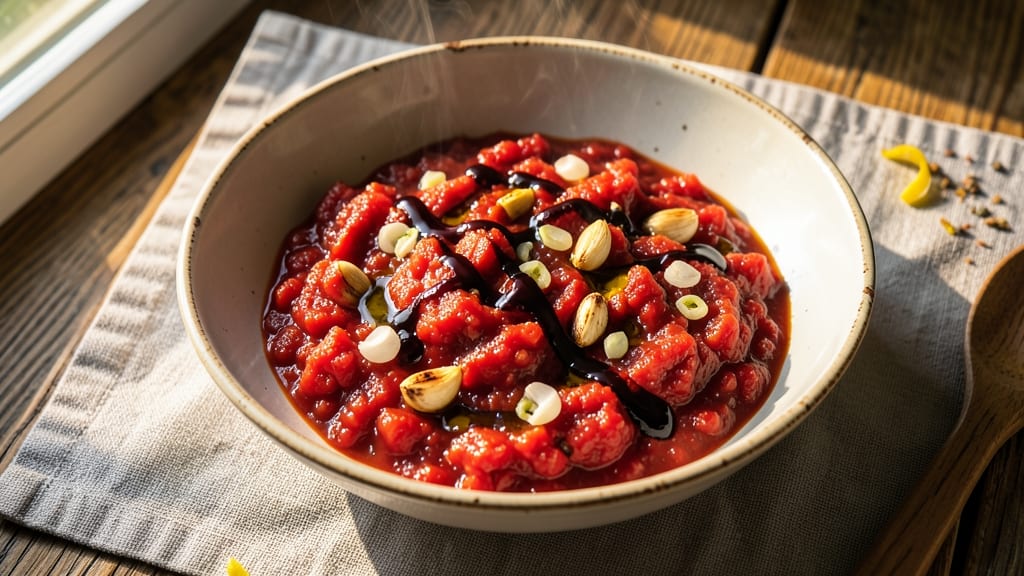
This amazing pasta sauce recipe transforms ordinary weeknight dinners into restaurant-worthy meals with just a few simple ingredients. The secret lies in a slow-simmered tomato base that builds deep, velvety richness while hidden umami boosters—like a touch of soy sauce and a splash of balsamic—elevate every spoonful to something extraordinary.
I've been making this sauce for years, and it never fails to impress, even with picky eaters.
What makes this sauce truly special is how it balances sweetness and acidity while developing layers of complex flavor. You'll start with canned tomatoes (no fresh needed!) and build from there, letting it simmer until it thickens into a glossy, clingy sauce that clings to every strand of pasta.
The best part? It tastes even better the next day, making it perfect for meal prep or freezing for busy nights.
By the time you're done, you'll have a sauce so rich and flavorful it deserves its own spotlight—think deep tomato notes with a subtle savory depth that makes even the simplest pasta dish feel like a gourmet creation.
The texture is velvety yet still bright, with just the right balance of tang and sweetness that keeps you reaching for more.
This sauce works with any pasta shape—penne, spaghetti, or even lasagna layers—but the real magic happens when you pair it with proteins like grilled chicken, crispy sausage, or even mushrooms. Let's get cooking!
Ingredients for amazing pasta sauce
Nine simple ingredients create restaurant-quality pasta sauce that tastes even better the next day.
| Ingredient | Amount | Notes |
|---|---|---|
| Canned San Marzano Tomatoes 🍅 | 28 oz | Crushed by hand for texture |
| Extra-Virgin Olive Oil 🫒 | ½ cup | High quality, fruity variety |
| Garlic Cloves 🧄 | 4 cloves | Minced for aromatic depth |
| Shallot 🧅 | 1 whole | Finely chopped, not minced |
| Low-Sodium Soy Sauce 🥢 | 1 tbsp | Umami secret ingredient |
| Balsamic Vinegar 🍷 | 1 tbsp | For tangy richness |
| Dried Oregano 🌿 | 1 tsp | Mediterranean variety preferred |
| Red Pepper Flakes 🌶️ | ½ tsp | Adjust for heat preference |
| Granulated Sugar 🍚 | 1 tbsp | Balances acidity |
| Salt 🧂 | 1 ½ tsp | Diamond Crystal preferred |
The tomatoes are non-negotiable—San Marzano has the sweetest, smoothest flavor and crushes beautifully by hand. Trader Joe's and Whole Foods carry them year-round, but any high-quality canned tomatoes work in a pinch. The olive oil should be fruity and peppery, not harsh—California Olive Ranch is my go-to, but any extra-virgin will do. Shallots add a delicate sweetness that's better than onions here, and they're usually cheaper than garlic when bought in bulk. If you can't find fresh shallots, red onion works at half the amount.
No soy sauce? Worcestershire sauce at half the amount adds umami without soy. Balsamic vinegar can be swapped for red wine vinegar, but it won't have the same depth. The sugar might seem odd, but it's essential—it rounds out the acidity from the tomatoes and vinegar. Brown sugar works too, but white granulated dissolves cleaner. Red pepper flakes can be omitted entirely if you're sensitive to heat, but trust me, the sauce tastes better with it. Fresh oregano is ideal, but dried works just fine—just use one-third the amount.
This sauce keeps beautifully—5 days in the fridge or 6 months in the freezer. I always make double batches because it reheats perfectly and freezes like a dream. Store it in airtight containers with a thin layer of olive oil on top to preserve freshness. The longer it sits, the more the flavors meld together into something truly special. Perfect for meal prep or gifting to neighbors who love homemade pasta night.
Why You'll Love This Recipe
- No Chopping Needed: I swear by this—just one shallot to dice, and the garlic? A quick smash with the flat of a knife. That’s it. The San Marzano tomatoes handle the rest, so smooth and sweet they practically blend themselves.
- Umami Bomb: That splash of low-sodium soy sauce? It’s the secret weapon. Deepens the flavor without overpowering, and the slow simmer with olive oil lets the garlic and shallot mellow into something rich and addictive—like a hug for your taste buds.
- Weeknight to Dinner Party: Same sauce, different vibes. Toss it with spaghetti for a 20-minute weeknight meal, or let it sit overnight to deepen the flavors for a fancier dinner. (Honestly, it’s the only sauce I make that works for both.)
- Fridge Goldmine: This sauce tastes better the next day—yes, really. I make a big batch, store it in the fridge, and pull it out for lunches or last-minute dinners. Budget-friendly, foolproof, and always a win.
Step-by-step instructions for velvety tomato sauce with umami depth
Here's how to build a sauce that's rich, balanced, and packed with layered flavor.
Crush the Tomatoes and Bloom the Aromatics
Pour the 28 oz Canned San Marzano Tomatoes into a large bowl and crush them by hand using your fingers or a wooden spoon—this creates a rustic texture that's far superior to blending. I like to leave some small chunks for texture, but make sure they're broken into rough pieces, not whole.
Heat the 0.5 cup Extra-Virgin Olive Oil in a heavy-bottomed saucepan over medium-low heat. Add the finely chopped shallot and cook for 3-4 minutes until completely softened but not browned. Add the 4 cloves minced garlic and cook for another 30 seconds—just until fragrant. Watch closely here; garlic burns quickly and turns bitter. Remove from heat immediately after you smell that sweet aroma.
Build the Umami Foundation
Return the pan to medium heat and add the crushed tomatoes. Stir well to combine with the aromatics. Now's where the magic happens: add the 1 tbsp Low-Sodium Soy Sauce, 1 tbsp Balsamic Vinegar, 1 tbsp Granulated Sugar, and 1.5 tsp Salt. The sugar balances the acidity of the tomatoes, while the soy sauce and balsamic add that hidden umami depth that makes this sauce truly amazing.
Bring the mixture to a gentle simmer, then reduce the heat to low. Let it cook uncovered for 20-25 minutes, stirring occasionally. You're looking for a sauce that thickens naturally as the liquid reduces. The sauce should coat the back of a spoon with a velvety consistency—this is where patience pays off. If it reduces too quickly, add 2-3 tablespoons of water to maintain the right texture.
Add Spices and Finish
After the initial simmering, stir in the 1 tsp Dried Oregano and 0.5 tsp Red Pepper Flakes. Let the sauce cook for another 10 minutes on low heat. The oregano will deepen in flavor, and the red pepper flakes will infuse just enough heat without overpowering. Taste the sauce now—you should notice the complexity of flavors coming together: sweet from the sugar, tangy from the balsamic, rich from the tomatoes, and that subtle umami kick from the soy sauce.
For the final touch, I like to remove the pan from heat and let it sit for 5 minutes. This resting period allows all the flavors to meld together perfectly. If you're serving immediately, give it a final taste and adjust the seasoning if needed—perhaps a pinch more salt or a splash of balsamic vinegar to brighten it up.
Serve with Confidence
This sauce is best served fresh, but it will keep in the refrigerator for up to 5 days or can be frozen for 3 months. When reheating, do so gently over low heat to preserve the velvety texture. The key to an amazing sauce is in the balance of flavors and the patience to let everything develop.
Pair this sauce with your favorite pasta, drizzle it over grilled chicken, or use it as a base for lasagna. The depth of flavor comes from the combination of ingredients working together—simple, but truly amazing when done right.
Pro Tips For Making Amazing Pasta Sauce
- Sear the Shallot: Don’t just chop and toss—cook the shallot in olive oil until it’s golden and slightly caramelized, about 5-6 minutes. I used to rush this, and the sauce never had that deep, sweet base. Let it go slow and low, stirring occasionally, until it’s soft and smells like a French bistro.
- Crush Garlic Like a Pro: Smash the garlic cloves with the flat side of your knife before adding them to the pot. This releases more flavor without burning. I learned this the hard way—whole cloves turn bitter, and you’re left with a weird aftertaste.
- Simmer, Don’t Boil: Keep the sauce at a gentle simmer, not a rolling boil, to avoid breaking down the tomatoes into mush. A steady, low heat lets the flavors meld without turning the sauce into a watery mess. Trust me, your future pasta dish will thank you.
- Deglaze with Soy Sauce: After cooking the garlic and shallot, splash in a tablespoon of low-sodium soy sauce right away to deglaze the pan. It lifts all the browned bits and adds umami depth—no extra effort, just better flavor. Skip this, and you’re missing out on the sauce’s soul.
Flavor customization for these flavors
Sweet & Tangy Twist
Add 1 tbsp honey or maple syrup along with the sugar to deepen the caramelized notes. For extra brightness, swap the balsamic vinegar for 1 tbsp apple cider vinegar—it adds a crisp apple flavor that pairs beautifully with the tomatoes.
I often use this variation when serving with creamy pasta like fettuccine or pappardelle. 🍯
Creamy Garlic Infusion
Stir in ½ cup heavy cream or ½ cup whole milk during the final 5 minutes of cooking for a velvety texture. Add 1 extra minced garlic clove and a pinch of nutmeg for warmth.
This works perfectly with penne or rigatoni and feels like a restaurant-quality Alfredo sauce. Trust me, the garlic and cream combo is a game-changer. 🧀
Spicy & Smoky Kick
Boost the heat with 1 tbsp smoked paprika and ½ tsp cayenne pepper—add them with the red pepper flakes. For smokiness, finish with 1 tsp liquid smoke (like La Choy) or a dash of chipotle powder.
This version pairs amazingly with grilled chicken or sausage. I love it for a bold, smoky pasta night. 🔥
Herb-Forward Variation
Swap the oregano for 1 tbsp fresh basil and ½ tsp dried thyme. Add 1 sprig fresh rosemary while simmering and remove before serving. This herbaceous twist works beautifully with orzo or farfalle. The rosemary adds an earthy depth that elevates the sauce to new heights. 🌿
White Wine Reduction
Deglaze the pan with ¼ cup dry white wine after removing the shallots and garlic. Let it reduce by half before adding the tomatoes. The wine adds a subtle citrus brightness that cuts through the richness.
I recommend Sauvignon Blanc for its crisp acidity. This version is perfect for seafood pasta or grilled shrimp. 🍷
Cheesy Umami Bomb
Stir in ½ cup grated Parmesan cheese and ¼ cup ricotta cheese during the final 5 minutes of cooking. The ricotta adds creaminess while the Parmesan brings salty depth. This variation is ideal for baked ziti or manicotti. The cheeses melt into the sauce beautifully, creating a luxurious texture. 🧀✨
Nutrition facts
Frequently asked questions
Can I substitute fresh tomatoes for canned in this recipe?
Fresh tomatoes work but require extra prep. Use 4-5 large ripe tomatoes (about 2 pounds) and roast them at 400°F for 20 minutes before crushing to concentrate their sweetness. Fresh tomatoes have more water content, so you may need to simmer the sauce longer to achieve the same velvety texture.
How do I prevent the sauce from getting too acidic?
Balance acidity by adjusting the sugar and balsamic vinegar ratio. If your tomatoes are particularly tart, reduce the vinegar to ½ tbsp and add ½ tbsp more sugar. For extra richness, stir in 1 tbsp tomato paste during the final 5 minutes of cooking. The soy sauce also helps mellow sharp flavors. Taste as you go!
What's the best pasta shape to pair with this sauce?
This velvety sauce clings beautifully to ridged pastas like penne, rigatoni, or farfalle. For a lighter option, try linguine or spaghetti. The sauce also works perfectly as a lasagna filling or over grilled chicken. The key is to cook the pasta al dente so it doesn't turn mushy when tossed.
Can I make this sauce in a slow cooker? Combine all ingredients in your slow cooker and cook on low for 4-5 hours or high for 2-3 hours. Stir occasionally to prevent sticking. The slow cooking enhances the flavors even more, creating an ultra-rich texture. Just
Why does my sauce look watery even after simmering?
Watery sauce usually means the tomatoes weren't reduced enough or the pan wasn't heavy enough. For next time, use a heavy-bottomed Dutch oven and simmer uncovered on low heat. If needed, remove the lid during the last 10 minutes to evaporate excess liquid. A splash of balsamic vinegar at the end also helps intensify flavors.