
Sauces & Condiments
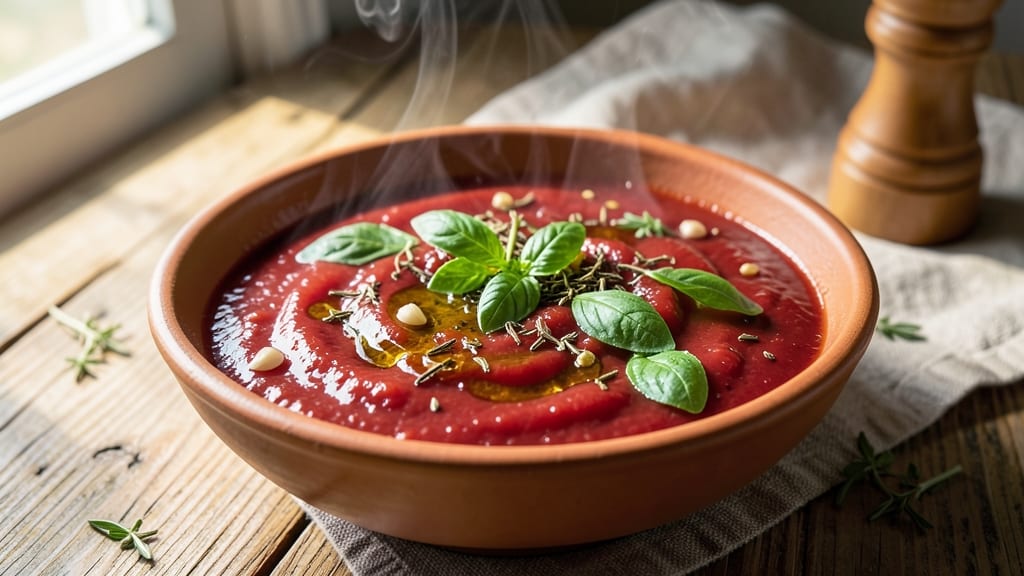
This basic Italian tomato sauce recipe transforms simple ingredients into the heart of every Italian meal—rich, aromatic, and packed with flavor in just 20 minutes. The secret lies in slow simmering canned tomatoes with garlic, olive oil, and fresh herbs, allowing their natural sweetness and acidity to meld into a velvety, versatile sauce. Whether you're tossing it with pasta, spreading it on pizza, or serving it alongside grilled meats, this sauce delivers restaurant-quality depth without the fuss.
The beauty of this recipe is its simplicity: no fancy techniques, no expensive ingredients, just a few pantry staples and a little patience. Garlic infuses the sauce with warmth, while basil and oregano add bright, herby notes that elevate every bite.
The key to success? Letting the sauce simmer gently—this allows the flavors to develop and the texture to thicken naturally, creating a sauce that’s both comforting and sophisticated.
What you’ll end up with is a smooth, well-seasoned tomato sauce that’s perfect for any Italian dish. It’s rich enough to stand alone but flexible enough to adapt to your favorite recipes. The best part?
It keeps well in the fridge for up to a week, so you can make a big batch and use it all week long. This is the kind of sauce that turns a simple meal into something extraordinary.
Ready to master this foundational recipe? The instructions are straightforward, and the results are always impressive. Let’s get cooking!
Ingredients for basic italian tomato sauce
Nine simple pantry staples create restaurant-quality tomato sauce in minutes.
| Ingredient | Amount | Notes |
|---|---|---|
| Extra-Virgin Olive Oil 🫒 | ½ cup | High-quality, fruity variety preferred |
| Garlic Cloves 🧄 | 4 cloves | Freshly minced for maximum flavor |
| Canned San Marzano Tomatoes 🍅 | 28 oz | Whole, crushed by hand |
| Fresh Basil Leaves 🌿 | ½ cup | Packed, stems removed |
| Dried Oregano 🍃 | 1 tsp | Mediterranean or Italian blend |
| Sea Salt 🧂 | 1 tsp | Diamond Crystal preferred |
| Freshly Ground Black Pepper 🌶️ | ½ tsp | Cracked peppercorns preferred |
| Red Wine Vinegar 🍷 | 1 tbsp | For brightness and acidity |
| Granulated Sugar 🍚 | 1 tsp | Balances acidity naturally |
The tomatoes make or break this sauce. San Marzano is the gold standard—sweet, meaty, and low-acid, which means no need for added sugar. If you can't find them, any high-quality canned tomatoes work, but avoid those with added salt or preservatives. Garlic is next—freshly minced (not jarred) gives that unmistakable aroma. For olive oil, any extra-virgin will do, but avoid light or refined oils. The fresh basil? Grab a bunch from the grocery store—it's worth the extra flavor over dried. Store-bought dried basil just doesn't cut it here.
No San Marzano tomatoes? Crush regular canned tomatoes by hand—it releases more juice and flavor. Short on basil? Dried oregano at half the amount works in a pinch, but fresh herbs are ideal. The red wine vinegar can be swapped for lemon juice if you prefer, though it adds a slightly different brightness. For a richer sauce, add a splash of heavy cream or a spoonful of tomato paste. If you're making a big batch, consider doubling the garlic and herbs—they'll mellow out as the sauce simmers, but you can always adjust to taste at the end.
This sauce keeps beautifully. Store in an airtight container in the fridge for up to 7 days, though it tastes even better the next day as flavors meld. Freeze for up to 3 months by portioning into ice cube trays or small containers—perfect for quick pasta dinners. The sauce thickens as it cools, so if it seems too thick when cold, just stir in a splash of water or broth. For extra depth, add a pinch of red pepper flakes or a sprinkle of Parmesan cheese before serving.
Why You'll Love This Recipe
- No-Chop Nightmare: I swear, this sauce is the only one I make when I’m too tired to dice anything. Two whole garlic cloves—minced in 30 seconds—and you’re done. The San Marzano tomatoes handle all the heavy lifting, so you just stir, simmer, and let that olive oil work its magic.
- Garlic-Basil Magic: That first hit of garlic sizzling in the oil? Pure flavor payoff. Then the basil—fresh, torn, and tossed in at the end—adds a bright punch that makes every spoonful taste like a little Italian vacation. Honestly, it’s the kind of sauce that turns pasta into a celebration.
- Pantry-to-Table Hero: Between us, this is my go-to for lazy Sundays, last-minute guests, or when I just can’t be bothered with fancy dinners. Freeze half for future nights, toss it with grilled chicken for a weeknight meal, or drizzle it over bruschetta when company drops by. It’s the ultimate flexible sidekick.
- Budget-Friendly Luxury: A can of San Marzano tomatoes and a handful of herbs cost less than takeout, but the taste? It’s the kind of rich, deep flavor that makes you forget you’re saving money. Plus, one batch stretches across three meals—no wasted ingredients, just pure, satisfying sauce.
Step-by-step instructions for Italian tomato sauce
Here's the straightforward method for a rich, balanced tomato sauce that builds flavor layer by layer.
Sauté Garlic Until Fragrant
Heat the 0.5 cup extra-virgin olive oil in a medium saucepan over medium-low heat. Add the 4 cloves freshly minced garlic and cook for 2-3 minutes until the garlic becomes golden and releases its aroma. Watch closely—garlic burns quickly, and you want that nutty, sweet fragrance, not bitter smoke.
This gentle cooking draws out the garlic's natural oils without letting it darken. If the oil starts to bubble vigorously, reduce the heat slightly. The garlic should be just beginning to color when you move to the next step.
Add Tomatoes and Simmer
Pour in the 28 oz canned San Marzano tomatoes (crushed by hand if they're whole) and stir to combine with the garlic. Bring the mixture to a gentle boil, then immediately reduce the heat to low. Let it simmer uncovered for 10 minutes, stirring occasionally.
This initial simmer helps break down the tomatoes' texture and develop their natural sweetness. You'll notice the sauce thicken slightly as it reduces. The acidity will be prominent at first, but that's normal—it'll mellow as we cook.
Season and Balance Flavors
Add the 1 tsp dried oregano, 1 tsp sea salt, 0.5 tsp freshly ground black pepper, 1 tbsp red wine vinegar, and 1 tsp granulated sugar. Stir well to distribute the seasonings evenly. Let the sauce simmer uncovered for another 8-10 minutes, stirring occasionally.
The vinegar brightens the tomatoes while the sugar balances their natural acidity. The oregano and pepper add depth, but don't add them all at once—taste as you go. You can always add more salt or pepper later if needed, but you can't remove excess.
Finish with Fresh Basil
Remove the saucepan from heat and stir in the 0.5 cup fresh basil leaves (stems removed). Let the basil steep in the warm sauce for 5 minutes, then taste and adjust seasoning if needed. The basil should infuse the sauce with its bright, fresh aroma.
For the best flavor, use the sauce immediately or let it cool to room temperature before refrigerating. The basil's flavor will mellow slightly over time, but the sauce will continue to improve for 1-2 days in the fridge. This sauce pairs beautifully with pasta, grilled meats, or as a marinara base.
Pro Tips For Making Basic Italian Tomato Sauce
- Sweat the Garlic Low: I learned this the hard way—crispy garlic burns fast and ruins the sauce. Cook the minced cloves over medium-low heat in the olive oil until they’re just golden, not brown. If the oil starts to smoke, pull the pan back and give it a minute to cool slightly.
- Crush Tomatoes by Hand: San Marzanos are sweet but still need breaking down. Skip the blender—use your fingers or a wooden spoon to crush them against the pot’s side. This keeps the texture chunky and prevents that sad, watery consistency that happens when you over-process.
- Salt the Tomatoes First: Add a pinch of salt to the crushed tomatoes before they hit the pot. This draws out excess liquid, concentrating the flavor and saving you from thinning the sauce later with water. Trust me, your future pasta will taste richer.
- Stir and Simmer Gently: After adding the tomatoes, stir once to distribute, then let it simmer uncovered on low heat. Walking away for 20 minutes is fine—just avoid stirring constantly. That’s how you turn a simple sauce into glue. A light skim of foam with a spoon every 10 minutes keeps it clean.
Regional styles of this dish
Roman Simmered Style
In Rome, they call this sauce agrodolce—sweet and sour—and the secret is a longer simmer with a touch of brown sugar instead of granulated. Cook the tomatoes with 1 tbsp sugar and 1 tbsp red wine vinegar for 20-25 minutes over low heat, stirring occasionally.
Romans often add a pinch of cinnamon or star anise for warmth. Serve with cacio e pepe pasta for a true Roman experience. 🌟
Neapolitan Crushed Tomato
Southern Italy’s approach focuses on crushing tomatoes by hand in the pot for a rustic texture. Use San Marzano tomatoes (whole, not crushed) and mash them directly into the pan with a wooden spoon.
Simmer for 15 minutes with 1 tsp dried basil (no fresh—it’s traditional here) and ½ tsp red pepper flakes. Finish with grated pecorino cheese instead of basil for a Neapolitan twist. Perfect for spaghetti alla puttanesca!
Sicilian Olive Oil Rich
Sicilians take their olive oil seriously—use extra-virgin and add 1 tbsp at the end for extra richness. Cook the tomatoes with 1 minced anchovy fillet (soaked in water for 10 minutes first) and 1 tsp capers for a briny depth.
Simmer for 10 minutes, then stir in the olive oil off the heat. This sauce pairs beautifully with pasta alla Norma or grilled swordfish. 🫒
Venetian Onion-Infused
Venetians sweeten their sauce with caramelized onions—sauté 1 diced onion in olive oil for 10 minutes until golden before adding tomatoes. Deglaze with 2 tbsp white wine (like Pinot Grigio) and simmer for 15 minutes.
Finish with a splash of heavy cream (just 2 tbsp) for a velvety texture. This version works wonders with risotto or bigoli pasta.
Tuscan Herb-Forward
Tuscany’s version is all about fresh herbs—use ½ cup fresh basil and ½ cup fresh parsley, plus 1 sprig rosemary. Simmer the tomatoes with 1 tsp fennel seeds (toasted in the oil first) for 12 minutes.
The fennel adds a subtle licorice note that pairs perfectly with pappardelle pasta or wild boar ragù. 🌿
Ligurian Pesto Twist
Liguria’s coastal influence means pesto meets tomato sauce. After simmering the tomatoes, blend in 2 tbsp fresh basil pesto (store-bought or homemade) and ¼ cup grated Parmesan. Add 1 tbsp pine nuts for crunch.
This sauce is ideal for trofie pasta or as a dipping sauce for crusty bread. The pesto adds a nutty, herby depth that’s uniquely Ligurian.
Nutrition facts
Frequently asked questions
Can I use fresh tomatoes instead of canned?
Fresh tomatoes work but require extra prep! Use 4-5 large ripe tomatoes (peeled, seeded, and chopped) instead of canned. Simmer them for 15-20 minutes until they break down completely. Fresh tomatoes have more water content, so you may need to add 1 tsp tomato paste to thicken the sauce. The flavor will be brighter but less consistent than canned.
Why does my tomato sauce taste too acidic?
Acidity comes from unripe tomatoes or overcooking. Balance it by adding 1 tsp sugar or 1 tbsp honey while simmering. For a richer taste, stir in 1 tbsp heavy cream or 2 tbsp grated Parmesan at the end. Always taste as you go—you can adjust seasoning gradually, but you can't remove excess acid once it's there.
How do I make this sauce thicker or thinner?
For a thicker sauce, simmer uncovered for 5-10 extra minutes to reduce the liquid. If it's too thick, stir in 1-2 tbsp water, broth, or pasta water to loosen it. For a smoother texture, blend half the sauce before mixing back in. Avoid adding flour—it's not traditional for Italian tomato sauce.
Can I make this sauce in a slow cooker?
Cook on low for 4-5 hours or high for 2-3 hours with the lid slightly ajar. Add 1 extra clove of garlic and ½ tsp extra sugar since slow cooking intensifies flavors. Stir occasionally and adjust seasoning at the end. The sauce will be even more flavorful but may need thinning with water if too thick.
What's the best way to store leftover sauce?
Store in an airtight container in the fridge for up to 7 days. For longer storage, freeze in ice cube trays or small jars (leave ½-inch headspace for expansion). Thaw overnight in the fridge—never microwave directly from frozen. The sauce may thicken when cold; stir in a splash of water if needed before reheating.