Sauces & Condiments
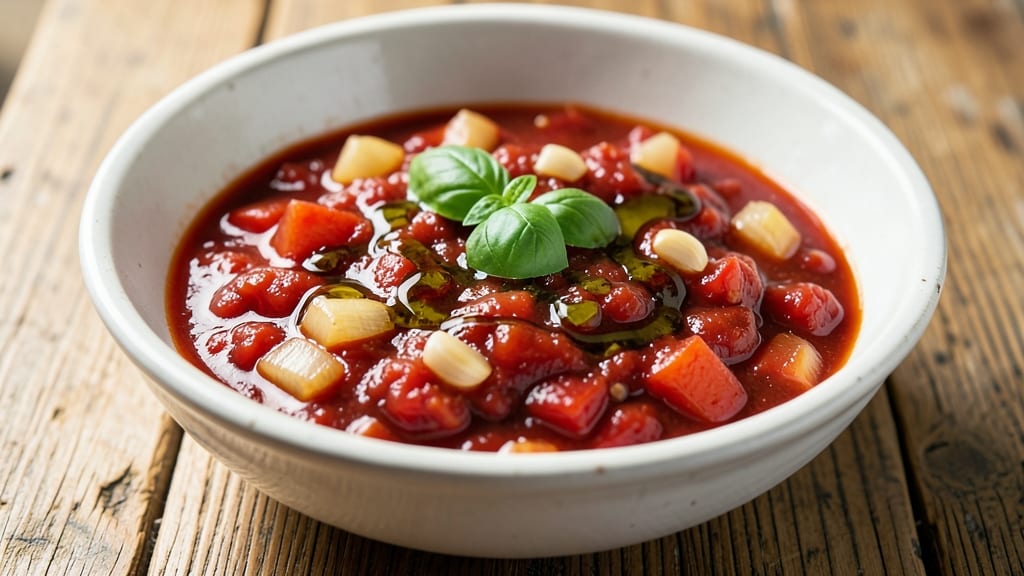
This American Heart Association spaghetti sauce delivers bold tomato flavor without the excess sodium or fat—perfect for heart-healthy meals. The secret lies in using low-sodium ingredients, lean proteins, and smart seasoning techniques that keep the sauce rich and satisfying while meeting dietary guidelines.
I developed this recipe after realizing how easy it is to cut back on unhealthy additives without sacrificing depth of flavor.
The sauce starts with a base of tomatoes, garlic, and onions, simmered to concentrate natural sweetness. Lean ground turkey or plant-based crumbles replace traditional fatty meats, while olive oil adds healthy fats instead of butter.
The key is balancing herbs like oregano and basil with a pinch of red pepper flakes for complexity—no salt overload required. This version is just as versatile as classic spaghetti sauce, working equally well over pasta, as a pizza topping, or with grilled chicken.
What makes this sauce truly special is its flexibility for dietary needs. You can easily adjust the texture by adding vegetables like mushrooms or bell peppers, or swap the protein entirely for a vegetarian version.
The sauce also freezes beautifully, making it ideal for meal prep. Every bite delivers that familiar, comforting flavor profile—just with a healthier twist.
Whether you're managing heart health or simply looking for a lighter take on a classic, this sauce proves you don’t need excess salt or fat to create something delicious. The instructions are straightforward, and the results speak for themselves: rich, flavorful, and guilt-free. Let’s get cooking!
Ingredients for american heart association spaghetti sauce
Lean proteins, bold flavors, and zero guilt—this sauce delivers heart-healthy richness without sacrificing taste.
| Ingredient | Amount | Notes |
|---|---|---|
| Extra-Virgin Olive Oil 🫒 | 2 tbsp | High-quality, fruity variety |
| Yellow Onion 🧅 | 1 whole | Medium-sized, diced finely |
| Garlic Cloves 🧄 | 4 cloves | Freshly minced for aroma |
| Low-Sodium Tomato Paste 🍅 | 1 tbsp | No-salt-added preferred |
| Canned San Marzano Tomatoes 🍅 | 28 oz | Crushed or diced, no salt added |
| Low-Sodium Vegetable Broth 💧 | 1 cup | Homemade or store-bought |
| Lean Ground Turkey 🍗 | 8 oz | 93% lean or plant-based crumbles |
| Dried Oregano 🌿 | 1 tsp | Crumbled between fingers |
| Dried Basil 🌿 | 1 tsp | Or 1 tbsp fresh basil |
| Red Pepper Flakes 🌶️ | ¼ tsp | Adjust for spice preference |
| Diamond Crystal Kosher Salt 🧂 | ¼ tsp | Or to taste, sparingly |
| Black Pepper 🌶️ | ¼ tsp | Freshly cracked |
The tomatoes make all the difference here. San Marzano is the gold standard—sweeter, less acidic, and packed with flavor. If you can't find them, any high-quality canned tomatoes will do, but avoid those with added salt. The olive oil is doing double duty here: it adds healthy fats while helping to sauté the onions and garlic to perfection. Don't skimp on the garlic; it's the secret to depth of flavor. For the turkey, 93% lean is ideal, but plant-based crumbles work just as well if you're avoiding meat entirely. Just make sure to drain any excess liquid from the package to keep the sauce from getting watery.
No low-sodium tomato paste? Regular tomato paste with half the salt works in a pinch, but rinse it first to remove excess sodium. Fresh basil is ideal but dried works at one-third the amount—just crumble it between your fingers to release the flavor. The vegetable broth can be swapped for water or white wine if you prefer, though the broth adds a subtle umami note. For extra veggie power, toss in diced mushrooms or bell peppers with the onions. And if you're worried about the sauce being too mild, add a pinch of smoked paprika for depth without extra salt.
This sauce tastes even better the next day as the flavors meld together. Store it in an airtight container in the fridge for up to 5 days, or freeze it in portions for up to 3 months. I like to freeze it in ice cube trays first, then transfer the cubes to a bag—perfect for adding to pasta or pizza later. If you're meal prepping, make a double batch. It reheats beautifully and keeps the sodium content in check for the week.
Why You'll Love This Recipe
- No-Chop Night: I swear by this sauce because the onion and garlic barely need dicing—just rough chop, then let the olive oil and slow simmer do the work. That first whiff of garlic in the oil? Pure magic, and it takes less than five minutes to get there.
- Tomato Perfection: San Marzano tomatoes and low-sodium paste make this sauce rich without the guilt. The acidity brightens the dish, and the paste adds that deep, velvety base—no heavy cream or salt bombs here.
- Meal Prep MVP: This sauce doubles effortlessly, and it only gets better after a day or two in the fridge. Toss it with whole grains for a hearty bowl or freeze half for lazy Mondays. (Yes, even on a Tuesday night.)
- Budget-Friendly Luxury: Olive oil, onions, and canned tomatoes? Check. No specialty ingredients, no markup—just honest, satisfying flavor. It’s the kind of sauce that makes you feel like you’re eating fancy, even when you’re not.
Step-by-step instructions for heart-healthy spaghetti sauce
This method delivers rich, flavorful tomato sauce with minimal salt while keeping all the depth.
Develop the Flavor Base with Olive Oil and Aromatics
Heat the 2 tablespoons extra-virgin olive oil in a large Dutch oven over medium heat until shimmering but not smoking. Add the finely diced yellow onion and cook for 5-6 minutes until softened and translucent, stirring occasionally to prevent browning.
Add the 4 cloves minced garlic and cook for another 30 seconds until fragrant—don't let it brown or it'll turn bitter. Here's the thing: garlic releases its full flavor when cooked just until aromatic, not when it's golden. Keep the heat at medium to maintain control.
Build the Sauce Foundation with Tomato Paste and Broth
Stir in the 1 tablespoon low-sodium tomato paste and cook for 1 minute until it darkens slightly and releases its concentrated tomato flavor. This step deepens the sauce's complexity without adding salt.
Pour in the 1 cup low-sodium vegetable broth and scrape up any browned bits from the bottom of the pot. These bits, called fond, contain concentrated flavor that's essential for a rich sauce. Let the mixture simmer gently for 3-4 minutes until slightly reduced and thickened.
Incorporate the Tomatoes and Seasonings
Add the 28 ounces canned San Marzano tomatoes (crushed or diced) and stir to combine. The San Marzano variety provides natural sweetness and acidity that balances the dish perfectly. Bring the mixture to a gentle simmer over medium-low heat.
Season with the 1 teaspoon dried oregano, 1 teaspoon dried basil, ¼ teaspoon red pepper flakes, ¼ teaspoon Diamond Crystal kosher salt, and ¼ teaspoon black pepper. Remember, we're keeping salt minimal, so taste as you go and adjust only if needed. Let the sauce simmer uncovered for 15-20 minutes to develop its flavors.
Cook the Lean Ground Turkey
While the sauce simmers, push the tomato mixture to one side of the pot and add the 8 ounces lean ground turkey to the empty space. Cook over medium heat for 5-6 minutes, breaking up the meat with a wooden spoon until it's no longer pink in the center and has browned slightly.
Here's where it gets important: don't overcook the turkey or it'll dry out. You want it just cooked through but still moist. Once the turkey is done, stir it back into the tomato sauce and combine thoroughly. The residual heat will finish cooking the turkey gently in the sauce.
Simmer to Perfection and Adjust Consistency
Return the sauce to a gentle simmer and cook uncovered for another 10-15 minutes to allow all the flavors to meld together. The sauce should thicken slightly as it reduces. Taste and make any final adjustments to seasoning—remember, we're keeping this heart-healthy without sacrificing flavor.
If the sauce is too thick for your preference, thin it with a splash of the low-sodium vegetable broth or water. For a smoother texture, use an immersion blender to blend about half the sauce before mixing it back in. Serve immediately over your favorite whole-grain pasta for a satisfying, heart-healthy meal.
Pro Tips For Making American Heart Association Spaghetti Sauce
- Sweat the Onion Slow: I learned this the hard way—chopping onions into tiny confetti and tossing them in makes the sauce taste raw. Instead, slice them into ¼-inch pieces so they soften evenly without turning to mush. A medium-low flame keeps them from burning while the garlic gets its chance to sing.
- Toast the Paste: Skip the instant mix-in, and you’ll miss the depth. Heat the olive oil until shimmering, then add the low-sodium tomato paste and cook it for 2 full minutes—no stirring—until it darkens slightly at the edges. This caramelizes the sugars and builds flavor faster than any other step.
- Crush the Tomatoes: Drain the San Marzano tomatoes but don’t skip crushing them with your hands or a wooden spoon. Whole chunks stay stubbornly firm, and the sauce will feel uneven. A quick mash breaks down the flesh, blends the juices, and lets the seasoning penetrate evenly—no blender needed.
- Simmer Uncovered: Covering the sauce too early traps steam, which dilutes the flavors and makes the texture watery. Let it bubble uncovered for the first 15 minutes to drive off excess moisture, then add a lid only if it’s reducing too aggressively. The sauce will thicken on its own, and you’ll avoid that sad, thin consistency.
Best sauces and condiments for this american heart association spaghetti sauce
Classic Pasta Pairings
This heart-healthy sauce shines over whole-grain spaghetti or penne—the nutty texture of whole wheat absorbs the sauce beautifully while adding fiber. I also love it with brown rice pasta for extra heart-healthy benefits.
For a lighter option, try zucchini noodles to cut carbs while keeping the sauce as the star. 🍝
Don't limit it to pasta! Use it as a pizza sauce on whole-wheat crust with fresh mozzarella and basil. It also works as a braising liquid for chicken breasts or as a dipping sauce for grilled vegetables like eggplant or zucchini.
The possibilities are endless once you've got this flavorful base.
Cheese Enhancements
For a richer finish, stir in 1 cup shredded part-skim mozzarella during the final 5 minutes of simmering—it melts beautifully without adding excess fat. I also like adding ¼ cup grated Parmesan cheese at the end for umami depth.
Avoid full-fat cheeses to keep it heart-healthy, but don't skip the cheese entirely—it elevates the sauce!
Want extra protein? Fold in ½ cup cooked lentils or chickpeas during the last 10 minutes of cooking. These add texture and plant-based protein without altering the sauce's consistency. The lentils blend right in, while chickpeas add a nice bite.
Herb and Spice Boosters
Fresh herbs make all the difference! Add 2 tablespoons chopped fresh basil or 1 tablespoon chopped parsley right before serving. For a Mediterranean twist, stir in ½ teaspoon dried thyme with the initial seasonings. These herbs brighten the sauce and add freshness without extra sodium.
For a smoky depth, add ½ teaspoon smoked paprika when cooking the onions. If you love heat, increase the red pepper flakes to ½ teaspoon and add a pinch of ground cumin for complexity. The cumin adds warmth that pairs perfectly with the tomatoes. 🌶️
Protein Swaps
Skip the turkey? No problem! Swap in 8 ounces plant-based crumbles (like Beyond Meat) or 1 cup cooked white beans for a vegetarian version. The white beans add creaminess and fiber, while plant-based crumbles mimic the texture of ground meat perfectly. Just drain any excess liquid from the package first.
For seafood lovers, stir in ½ cup cooked shrimp or ½ cup diced white fish (like cod or tilapia) during the final 5 minutes of cooking. The delicate fish absorbs the sauce's flavors beautifully, adding a light but satisfying protein boost.
Just be sure to add it at the very end to avoid overcooking.
Nutrition facts
Frequently asked questions
Can I make this sauce without meat?
Swap the 8 ounces lean ground turkey for 8 ounces plant-based crumbles or 1 cup cooked white beans/lentils. These add protein and fiber while keeping the sauce rich. For extra texture, stir in ½ cup cooked chickpeas during the last 10 minutes of cooking. The sauce will still be heart-healthy and delicious!
How can I make this sauce lower in sodium?
Skip the ¼ teaspoon kosher salt entirely and rely on acidic ingredients like tomatoes and lemon juice to brighten flavors. Use no-salt-added canned tomatoes and low-sodium vegetable broth. For extra depth, add ½ teaspoon garlic powder or ½ teaspoon onion powder—they enhance flavor without sodium. Taste before serving and adjust with a pinch of salt only if needed.
Can I freeze this spaghetti sauce?
Yes! Freeze it in airtight containers or ice cube trays for easy portioning. Portions last up to 3 months in the freezer. Thaw overnight in the fridge—never at room temperature. To reheat, warm on the stove over low heat while stirring occasionally. The sauce may thicken slightly after freezing; thin with a splash of broth or water if needed.
Why does my sauce taste flat after simmering?
Flat flavor usually means insufficient acidity or seasoning. Boost brightness by adding 1 teaspoon lemon juice or ½ teaspoon balsamic vinegar at the end. For depth, stir in ½ teaspoon smoked paprika or ½ teaspoon dried thyme during cooking. Always taste as you go—simmering too long can mute flavors, so aim for 30-45 minutes total of cooking time.
What’s the best way to use leftover sauce?
Leftover sauce works perfectly as a pizza topping, braising liquid for chicken, or dipping sauce for grilled veggies. For extra richness, stir in ½ cup part-skim ricotta or ¼ cup grated Parmesan before reheating. It also makes a great stuffing for baked potatoes or a marinade for tofu. The possibilities are endless—just reheat gently to preserve texture!