
Sauces & Condiments
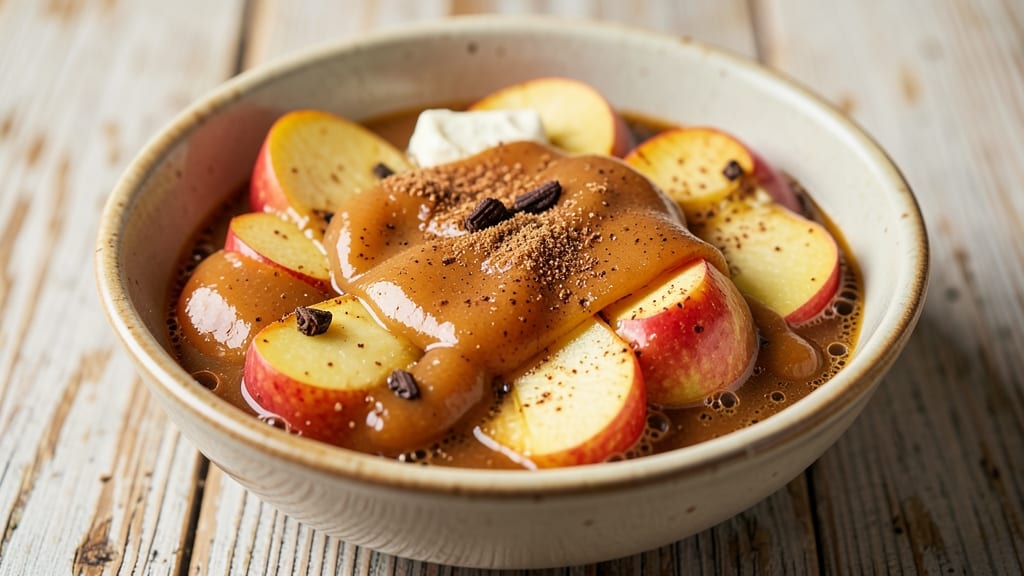
This apple butter sauce recipe transforms simple apples into a velvety, spiced spread that elevates everything from pancakes to pork chops. The slow-simmered process caramelizes natural sugars while developing deep cinnamon-clove warmth, creating a sauce that's rich, smooth, and impossible to resist.
Unlike store-bought versions, this homemade version delivers complex layers of flavor with every spoonful.
What sets this recipe apart is the balance of sweetness and spice—just enough brown sugar to enhance the apples' natural caramelization without overpowering their fruitiness. A touch of butter creates that signature velvety texture, while whole spices (cinnamon sticks, cloves) infuse aroma without needing to be removed.
The result is a versatile sauce that works as a glaze, drizzle, or even a cheese pairing.
Perfect for breakfast tables or holiday feasts, this sauce takes just 45 minutes of active time but rewards patience with restaurant-quality depth. The slow cooking process develops flavors that improve overnight, making it ideal for meal prep.
Whether you're glazing ham, topping waffles, or serving with sharp cheddar, this apple butter sauce becomes an instant pantry staple.
Store it in the fridge for up to 2 weeks or preserve it for months with proper canning techniques. The possibilities are endless—drizzle over toast, mix into oatmeal, or use as a marinade base. Here's how to make it from scratch.
Ingredients for apple butter sauce
Nine simple ingredients transform tart apples into velvety, spiced apple butter sauce perfect for glazing or drizzling.
| Ingredient | Amount | Notes |
|---|---|---|
| Apples (peeled, cored, and chopped) 🍎 | 4 medium | Use tart varieties like Granny Smith |
| Brown Sugar 🍚 | 1 cup | Light or dark brown preferred |
| Unsalted Butter 🧈 | ½ cup | Cold, cubed for even melting |
| Cinnamon Sticks 🌿 | 3 whole | High-quality Ceylon preferred |
| Whole Cloves 🌶️ | 4 whole | Freshly ground for aroma |
| Ground Cinnamon 🌶️ | 1 tbsp | For additional warmth |
| Apple Cider Vinegar 🍶 | 2 tbsp | For tangy balance |
| Salt 🧂 | ½ tsp | Diamond Crystal preferred |
| Water 💧 | ¼ cup | For thinning if needed |
The apples are the foundation—Granny Smith or Honeycrisp provide the perfect tart-sweet balance. Local farmers markets often carry ideal varieties in season, while grocery stores typically stock Granny Smith year-round. For best results, peel and chop the apples uniformly—this ensures even cooking and a smooth final texture. If using pre-chopped apples, rinse them first to remove any residual wax. The cinnamon sticks are non-negotiable; Ceylon cinnamon delivers the most authentic warmth without bitterness, though regular cassia works in a pinch. Store your spices in airtight containers away from light to preserve their potency.
No brown sugar? White sugar plus 1 tsp molasses mimics the depth, though the color will differ slightly. Butter substitutes? Coconut oil or vegan butter work equally well for texture, though traditional butter creates that signature velvety mouthfeel. The apple cider vinegar might seem minor, but it's crucial for balancing the sweetness—substitute lemon juice at equal measure if needed. For a more intense spice profile, add 1/4 tsp ground nutmeg alongside the cinnamon. If your sauce thickens too much during cooking, the reserved water can be added gradually to reach the ideal consistency.
This sauce thickens as it cools, so it's best used within 2 weeks of preparation when refrigerated. For longer storage, transfer to sterilized jars and process in a water bath for 15 minutes for canning. Reheat gently on low heat, stirring occasionally to prevent scorching. The sauce pairs beautifully with sharp cheddar for a cheese board, or drizzled over vanilla ice cream for a dessert twist. Portion into small jars for easy use—perfect for breakfast tables or holiday gatherings.
Why You'll Love This Recipe
- One-Pot Magic: I swear by this—just toss peeled apples, brown sugar, butter, cinnamon sticks, and cloves into a pot. Simmer until everything caramelizes into a thick, glossy sauce. No blender, no straining, no mess. That’s it.
- Spiced Comfort: The cloves and cinnamon sticks infuse the sauce with warmth that feels like a hug. Sweet, deep, and just a little bit funky—like apple pie meets a cozy autumn morning. Honestly, I’ve never met a spoonful I didn’t want seconds of.
- Pantry Staple Power: Between us, this sauce is my secret weapon for lazy Sundays and last-minute dinners. Drizzle it over pancakes, stir it into yogurt, or slather it on toast with a sprinkle of salt. It turns ordinary breakfasts into something special without extra effort.
- Make-Ahead Gold: I double the batch every time because it keeps for weeks in the fridge. Freezes like a dream too—just reheat with a splash of water. Budget-friendly, zero waste, and always ready when you need a quick flavor boost. (Yes, even on a Tuesday night.)
Step-by-step instructions for slow-simmered apple butter sauce
Transform simple ingredients into a rich, aromatic sauce through precise technique and patience.
Combine Apples, Sugar, and Spices in a Heavy Pot
In a large, heavy-bottomed pot, combine the 4 medium peeled, cored, and chopped apples, 1 cup brown sugar, 3 whole cinnamon sticks, 4 whole cloves, 1 tablespoon ground cinnamon, and 0.5 teaspoon salt. Stir gently to distribute the spices evenly among the apple pieces. Using a heavy pot is crucial—it prevents scorching and ensures even heat distribution during the long simmer.
The apples should be cut into roughly ¼-inch chunks for consistent cooking. Tart varieties like Granny Smith work best—their acidity balances the sweetness as they break down. Avoid overcrowding the pot; if needed, work in batches, but I've found this quantity fits comfortably in a standard 4-quart pot.
Simmer Until Apples Break Down Completely
Place the pot over medium-low heat and bring to a gentle simmer. The mixture should bubble softly, with occasional small bubbles breaking the surface. Cover partially with a lid and cook for 45-60 minutes, stirring every 10-15 minutes to prevent sticking. You're looking for the apples to soften completely and begin breaking down into a thick, jam-like consistency.
Here's the key: medium-low heat is non-negotiable. Too high, and the sugar will caramelize too quickly, creating a burnt flavor. Too low, and the sauce will never thicken properly. You'll know it's ready when the mixture resembles thick applesauce with no visible apple chunks remaining and the spices have infused deeply into the mixture.
Add Butter and Vinegar for Richness
Once the apples are fully broken down, remove the cinnamon sticks and cloves (they've done their job). Increase heat to medium and add the 0.5 cup cold, cubed unsalted butter and 2 tablespoons apple cider vinegar. Stir constantly for 2-3 minutes until the butter melts completely and the sauce thickens noticeably. The vinegar brightens the flavors and cuts through the sweetness, creating balance.
Watch carefully as the butter melts—it should incorporate smoothly without separating. If the sauce becomes too thick and starts to cling to the pot, add 1 tablespoon of the 0.25 cup water at a time until you reach a spreadable consistency. The final texture should be thick enough to coat the back of a spoon but still pourable.
Simmer and Adjust for Perfect Texture
Return the heat to low and let the sauce simmer uncovered for an additional 10-15 minutes. This final stage allows the flavors to meld completely and any remaining moisture to evaporate, resulting in a perfectly balanced sauce. Taste and adjust seasoning—add more salt if needed, or a pinch more ground cinnamon for warmth. The sauce should taste rich, sweet, and subtly tangy with deep spice notes.
If the sauce is still too thick after simmering, whisk in the remaining 0.25 cup water (or less) until you achieve a smooth, spreadable consistency. The ideal texture should be thick enough to cling to toast or pancakes but still have a slight sheen, indicating proper thickness. Let it cool slightly before serving—this allows the flavors to settle and deepen.
Pro Tips For Making Apple Butter Sauce
- Use Medium-High Heat: Low and slow won’t cut it here—start with medium-high heat to break down the apples fast. Once it’s bubbling steadily, drop to low and let it simmer; otherwise, you’ll end up with caramelized bits instead of smooth sauce.
- Chop Apples Uniformly: Big chunks won’t cook evenly, and tiny bits burn before they soften. Aim for ½-inch pieces—small enough to melt down quickly, but not so fine they turn to mush before the flavors develop.
- Skip the Crowding: I learned this the hard way—packing the pot too tightly traps steam, making the apples stew instead of caramelize. Give them space, or you’ll end up with a watery, underflavored mess.
- Strain the Spices: After simmering, remove the cinnamon sticks and cloves before blending—unless you want a gritty texture. A fine-mesh strainer takes 30 seconds and makes all the difference for a silky sauce.
Wine and beer pairings for this recipe
Red Wine Pairings
For a classic pairing, reach for a dry Riesling from Germany or Alsace—its bright acidity and subtle honeyed notes mirror the apple butter's sweet-spice balance. I love Dr. Loosen Blue Slate Riesling for its crisp finish that cuts through the richness.
Alternatively, a Pinot Noir with its red fruit undertones complements the sauce's depth without overpowering it. 🍷
White Wine Pairings
A Chardonnay with minimal oak, like La Crema Sonoma Coast, works beautifully with breakfast applications. The wine's buttery texture harmonizes with the apple butter's velvety mouthfeel. For a lighter option, try a Viognier—its floral notes add an unexpected but delightful contrast to the spiced apples.
Beer Pairings
Craft amber ales bridge the gap between sweet and spice perfectly. Allagash White with its caramel and vanilla notes creates a symphony with the cinnamon-clove warmth. For a stronger match, a Belgian-style witbier like Hoegaarden adds citrus brightness that refreshes the palate between spoonfuls of sauce. 🍺
Cider Pairings
Don't overlook dry hard cider—its apple base creates an instant connection. I recommend Angry Orchard Dry for its crisp acidity that cleanses the palate. For a more robust option, try a spiced cider like Woodchuck Hard Cider—the extra cinnamon and clove notes echo the sauce's spice profile beautifully.
Non-Alcoholic Options
For a refreshing non-alcoholic match, serve with sparkling apple cider like Martinelli's—the bubbles mirror the sauce's texture while enhancing its fruitiness. For a more sophisticated option, try ginger beer—the spicy kick complements the cinnamon without competing for attention.
Serving Temperature
Serve all beverages slightly chilled (45-50°F) to enhance their refreshing qualities against the warm, spiced sauce. The temperature contrast creates a delightful sensory experience that makes every bite—and sip—more enjoyable. 💫
Nutrition facts
Frequently asked questions
Can I make this apple butter sauce without brown sugar?
Yes! For a lighter color, substitute 1 cup white sugar plus 1 teaspoon molasses to mimic the depth of brown sugar. The texture will be slightly less rich, but the flavor will still be delicious. For a healthier option, try 1/2 cup honey or maple syrup combined with 1/2 cup white sugar—just reduce the water slightly since these liquids add moisture.
How do I know when the sauce is done cooking?
The sauce is ready when it reaches a thick, jam-like consistency with no visible apple chunks. You'll know it's perfect when a spoonful leaves a clean trail when you run it along the edge of the pot. Typically, this takes 45-60 minutes of simmering, but timing depends on your stove's heat. The apples should be completely broken down and the spices fully infused.
Can I make this sauce in a slow cooker?
Combine all ingredients in your slow cooker and cook on low for 6-8 hours or high for 3-4 hours. Stir occasionally to prevent sticking. The slow cooker method yields a smoother texture since there's less risk of scorching. Just add the butter and vinegar during the last 30 minutes of cooking to prevent curdling.
What are the best ways to use leftover apple butter sauce?
This versatile sauce works in countless ways! Drizzle it over pancakes, waffles, or French toast for breakfast. Use it as a glaze for roasted pork chops, ham, or even baked apples. Spread it on toast with sharp cheddar or brie, or mix it into oatmeal for a warm, spiced twist. It also makes an excellent topping for vanilla ice cream or pound cake.
Why did my sauce turn out too thin?
If your sauce is too thin, it likely didn't simmer long enough to reduce. For future batches, continue simmering uncovered for an additional 10-15 minutes to evaporate excess moisture. If it's already cooked, you can thicken it by simmering it with 1 tablespoon cornstarch mixed with 1 tablespoon water until it reaches the desired consistency. Avoid adding too much at once to prevent clumping.