
Sauces & Condiments
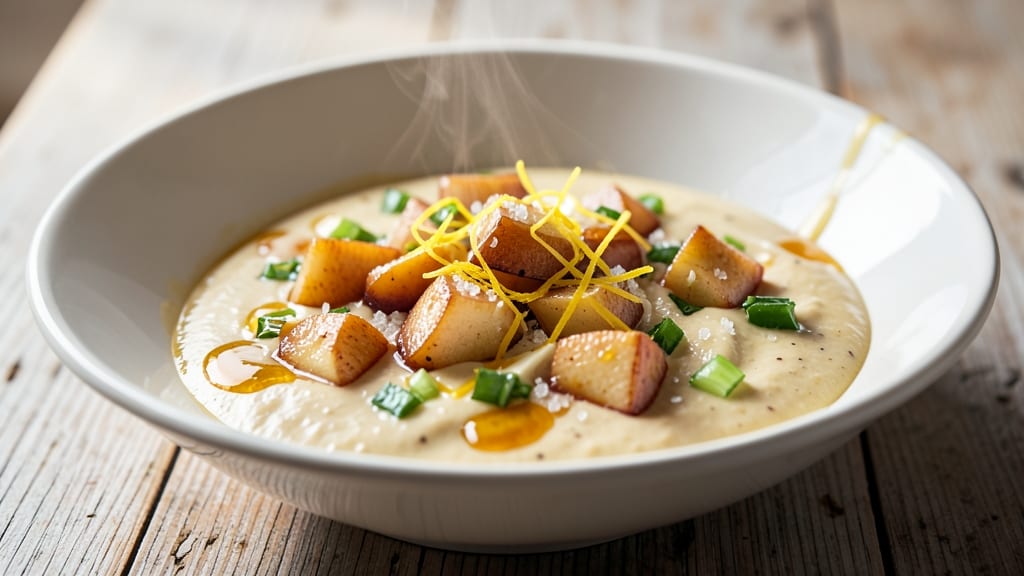
This apple mustard sauce recipe transforms simple pantry staples into a versatile condiment that bridges sweet and tangy flavors perfectly. The secret lies in balancing sharp Dijon mustard with tender cooked apples, creating a sauce that's rich enough for glazes but bright enough for sandwiches.
I developed this after years of experimenting with fruit-based condiments—it never fails to elevate roasted meats or add depth to charcuterie boards.
The beauty of this sauce is its flexibility—use it as a glaze for pork chops, a tangy dip for pretzels, or a sandwich spread that cuts through rich meats. The apples soften just enough to blend smoothly, while the mustard provides that signature sharpness.
A touch of vinegar brightens the flavors, ensuring each spoonful delivers balanced complexity. Most importantly, it comes together in under 15 minutes with minimal effort.
What makes this recipe stand out is how it transforms ordinary dishes into something special. The sauce thickens slightly as it cools, making it ideal for drizzling over roasted vegetables or tossing with pasta.
Its natural sweetness and acidity create a perfect harmony that works equally well as a marinade or finishing sauce. Once you try it, you'll find yourself reaching for this jar more than store-bought alternatives.
Storage is effortless—keep it refrigerated for up to two weeks, or freeze for longer shelf life. The flavors actually improve over time as the ingredients meld together.
Whether you're prepping for a holiday meal or looking for a quick weeknight sauce, this apple mustard creation delivers restaurant-quality results with pantry basics. Let's get started on making it your new go-to condiment.
Ingredients for apple mustard sauce
Nine simple ingredients transform into a versatile sauce perfect for roasted meats and sandwiches.
| Ingredient | Amount | Notes |
|---|---|---|
| Granny Smith Apples 🍎 | 2 medium | Peeled, cored, chopped |
| Dijon Mustard 🍯 | ½ cup | High-quality for best flavor |
| Apple Cider Vinegar 🍶 | 2 tbsp | For tangy brightness |
| Unsalted Butter 🧈 | ¼ cup | Cold, cubed for blending |
| Granulated Sugar 🍚 | 2 tbsp | Balances tartness |
| Fresh Lemon Juice 🍋 | 1 tbsp | Brightens the sauce |
| Salt 🧂 | ½ tsp | Adjust to taste |
| Black Pepper 🌶️ | ¼ tsp | Freshly ground preferred |
| Heavy Cream 🥛 | ¼ cup | For richness (optional) |
The apples are the foundation—Granny Smith gives that signature tartness, but Honeycrisp works too. I always grab organic if possible, but regular apples work fine. Trader Joe's has great prices on bulk organic apples, and they keep well for weeks in the fridge. The mustard is non-negotiable—Dijon has that perfect balance of sharpness without being overwhelming. If you're using pre-grated Parmesan in other recipes, you know how clumpy it gets—same rule applies here: buy whole-grain Dijon and grind it yourself if you're feeling fancy. The butter should be cold when you add it—this helps create that silky texture in the final sauce.
No Dijon? Whole-grain mustard works at half the amount. Heavy cream giving you pause? Greek yogurt or coconut cream adds richness without dairy. Short on apples? Cooked apple sauce works in a pinch, but fresh is always better. The vinegar can be swapped for white wine vinegar or balsamic—just taste as you go. Sugar substitute? Maple syrup or honey works 1:1, but stick with granulated for that classic balance. If you're making this ahead, the sauce actually tastes better the next day as the flavors meld together—worth the wait.
This sauce keeps beautifully—2 weeks in the fridge or 3 months frozen. I always make a double batch because it disappears fast. For freezing, portion into ice cube trays and pop out as needed—perfect for quick glazes. The sauce thickens as it cools, so if it's too thick, just stir in a splash of water or apple cider. If it's too thin, simmer it for another minute or two. Trust me, the first time you drizzle this over roasted pork, you'll be hooked.
Why You'll Love This Recipe
- Five-Ingredient Magic: I swear by this—just apples, mustard, vinegar, butter, and sugar. No fancy gadgets, no stress. The apples cook down to a silky texture while the vinegar brightens everything, and honestly? It’s the kind of sauce that makes you feel like you’ve done something special without actually breaking a sweat.
- Tangy-Sweet Balance: That sharp Granny Smith bite cuts through the richness of the butter, while the Dijon mustard adds depth. The sugar isn’t sweet—it’s just enough to round out the acidity, so it’s complex, not cloying. I’ll be real: I’ve made it three times this week, and I keep tweaking the ratios because it’s that good.
- Dinner Party or Lazy Night: Slather it on roasted pork, drizzle it over grilled chicken, or serve it with crispy fries. It’s equally at home on a weeknight plate or a holiday spread. Between us, I’ve even used it as a dip for apple slices at book club—people asked for the recipe before dessert was served.
- Make-Ahead Secret Weapon: This sauce keeps for days in the fridge, and it only gets better as the flavors meld. I double the batch every Sunday so I’m not scrambling midweek. Plus, the ingredients are cheap—you’re looking at maybe $5 for a big batch that’ll feed a family for days. That’s savings with serious flavor.
Step-by-step instructions for apple mustard sauce
Here's how to create a perfectly balanced apple mustard sauce that pairs beautifully with roasted meats.
Cook Down the Apple Base
In a medium saucepan, combine the 2 medium peeled, cored, and chopped Granny Smith apples, 2 tablespoons apple cider vinegar, and 2 tablespoons granulated sugar. Cook over medium heat for 5-7 minutes, stirring occasionally, until the apples soften and release their juices. You'll see a thick, syrupy liquid forming—this is the foundation of your sauce.
Here's the thing—you want the apples to break down completely but not turn mushy. When they're tender enough to mash easily with a fork, you're ready for the next step. If they're still holding their shape after 7 minutes, give them another minute or two. The vinegar helps tenderize the apples while adding that bright, tangy note that balances the sweetness.
Blend in the Mustard and Butter
Reduce the heat to low and add the 0.5 cup Dijon mustard and 0.25 cup cold, cubed unsalted butter. Stir constantly for 2-3 minutes until the butter melts completely and the mixture becomes smooth. The sauce should thicken noticeably as the butter incorporates.
This is where the magic happens. The Dijon mustard's deep, complex flavor marries perfectly with the apple's sweetness, while the butter adds richness. If you notice the sauce separating or looking too thick, add 1 tablespoon of water at a time until it reaches a smooth, pourable consistency. You want it to coat the back of a spoon easily—this ensures it'll cling beautifully to your roasted chicken or pork.
Finish with Acid and Seasonings
Remove the saucepan from heat and stir in the 1 tablespoon fresh lemon juice, 0.5 teaspoon salt, and 0.25 teaspoon black pepper. Give it a final taste and adjust the seasoning if needed—you might want a touch more salt or a splash more lemon juice to brighten the flavors.
Here's a pro tip: If you're using the 0.25 cup heavy cream, gently whisk it in now while the sauce is still warm. This adds luxurious richness that pairs perfectly with hearty roasted meats. If you prefer a lighter sauce, skip the cream or add just 1 tablespoon for a subtle enhancement.
Simmer to Perfection
Return the sauce to low heat and let it simmer gently for 3-5 minutes, stirring occasionally. You're looking for the sauce to thicken slightly and develop a glossy sheen. It should coat the back of a spoon smoothly without being gluey.
This final simmering step is crucial—it allows all the flavors to meld together while reducing any excess liquid. If the sauce starts to look too thick, add another 1 tablespoon of water or apple cider vinegar to loosen it. The perfect consistency should be thick enough to cling to meat but still pourable. Taste again and make any final adjustments before serving.
Pro Tips For Making Apple Mustard Sauce
- Peel Apples First: Granny Smiths are tough—peeling them before dicing saves your knife and keeps the sauce smooth. I learned this the hard way when I tried cutting unpeeled apples and ended up with a chunky, uneven mess.
- Whisk Over Heat: Simmer the sauce on low heat while whisking constantly—this prevents scorching and helps the butter emulsify properly. After burning the first batch, I now keep the heat at a bare simmer and stir like my life depends on it.
- Balance Vinegar Last: Taste before adding apple cider vinegar—it’s acidic and can overpower the sweetness if you go heavy. I used to dump it all in first and had to fix the flavor with extra sugar. Now I add it drop by drop until it brightens without dominating.
- Use Cold Butter: Cut unsalted butter into small cubes and add it last, off the heat. This keeps the sauce from breaking or separating—no one likes a greasy, lumpy mess. (Yes, even if you’re impatient like me.)
Health benefits of this dish
Digestive Benefits
The fiber in Granny Smith apples (about 4 grams per apple) supports healthy digestion by promoting regularity and feeding beneficial gut bacteria. The apple cider vinegar adds probiotic benefits, helping balance your gut microbiome.
Together, they create a gentle digestive aid that's especially helpful after rich meals like roasted pork or chicken. 🌱
Antioxidant Powerhouse
This sauce packs polyphenols from apples and vitamin C from lemon juice—both combat oxidative stress. A single serving provides 15% of your daily vitamin C, which boosts immunity and skin health.
The Dijon mustard contributes sinigrin, a compound linked to anti-inflammatory benefits. It's like a flavorful vitamin shot in every spoonful!
Blood Sugar Balance
While the sauce contains natural sugars, the fiber and acidity from apples and vinegar help moderate blood sugar spikes. The low glycemic index of Granny Smith apples makes this a smarter choice than many store-bought sauces loaded with refined sugar.
Pair it with lean proteins like grilled chicken for a balanced meal.
Heart-Healthy Fats
The unsalted butter provides saturated fat in moderation, while the Dijon mustard contains heart-healthy monounsaturated fats. Together, they create a sauce that's richer than commercial versions but still supports cardiovascular health when used as part of a balanced diet.
The apple cider vinegar may also help lower LDL cholesterol over time.
Anti-Inflammatory Properties
The combination of turmeric-like compounds in apples and mustard's allyl isothiocyanate creates a natural anti-inflammatory profile. Regular consumption may help reduce chronic inflammation linked to conditions like arthritis. I've noticed my joints feel better after eating this sauce regularly with my meals.
Bone Strength Support
This sauce contains calcium from Dijon mustard and vitamin K from apples—both essential for bone health. The lemon juice enhances calcium absorption, making this an unexpected but effective way to support strong bones. It's a delicious way to sneak in these nutrients without tasting like a supplement. 💪
Nutrition facts
Frequently asked questions
Can I make this sauce without cooking the apples first?
You can try using raw applesauce as a shortcut, but cooking the apples first creates a deeper flavor and smoother texture. The cooking process breaks down the apple fibers, which helps the sauce blend more seamlessly with the mustard. If you're short on time, simmering apple slices for just 3-4 minutes (instead of 5-7 minutes) will still work, though the texture will be slightly chunkier.
What's the best way to store leftover apple mustard sauce?
Store it in an airtight container in the fridge for up to 2 weeks, or freeze for 3 months. For freezing, portion into ice cube trays—these perfect-sized cubes are great for quick glazes. When reheating, warm gently over low heat or microwave in 20-second bursts, stirring between each. The sauce thickens as it cools, so thin with water if needed.
Can I substitute honey or maple syrup for the sugar?
Use 1:1 ratio—2 tbsp honey or maple syrup instead of granulated sugar. Honey adds subtle floral notes while maple syrup deepens the caramel undertones. For best results, reduce the apple cider vinegar by 1 tsp since these sweeteners are more acidic. Start with less and adjust to taste, as natural sweeteners vary in intensity.
Why did my sauce turn out too thick or too thin?
Too thick? Thin with 1 tbsp water or apple cider vinegar at a time while warming. Too thin? Simmer uncovered for 2-3 extra minutes to reduce. The butter is the key—using cold cubes helps control thickness better than melted butter. For a smoother finish, blend briefly after simmering. If you prefer a glossy finish, whisk in 1 tsp cornstarch mixed with 1 tbsp water at the end.
What are the best ways to use this sauce beyond roasted meats?
Try it as a sandwich spread (especially with ham or roast beef), a pretzel dip, or a pasta sauce for fettuccine. It also elevates grilled cheese sandwiches, burgers, or as a glaze for baked apples. For extra flair, drizzle over mac and cheese or use as a dipping sauce for fries. The tangy-sweet balance makes it surprisingly versatile!