
Sauces & Condiments
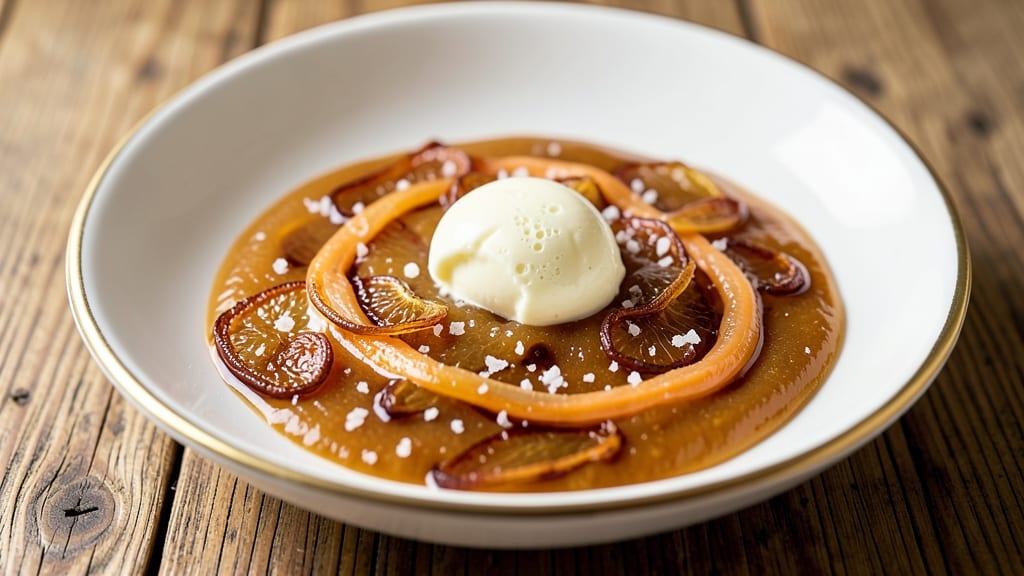
This apricot shallot sauce recipe transforms simple ingredients into a sweet-tangy glaze that elevates roasted meats, grilled vegetables, and even desserts with professional flair.
The balance of caramelized shallots and ripe apricots creates a complex sauce that's rich yet bright, with just the right amount of acidity to cut through richness. I developed this recipe after realizing how often I reached for store-bought sauces that lacked depth—this version delivers restaurant-quality results with minimal effort.
The secret lies in slow-cooking the shallots until deeply caramelized, then simmering them with apricot purée until the flavors meld into a velvety, glossy sauce. You'll need just five ingredients—shallots, apricots, a touch of vinegar, and a splash of stock—plus 20 minutes of hands-off time.
The sauce thickens beautifully as it cooks, creating a perfect consistency for drizzling or basting, and it keeps well in the fridge for up to one week or frozen for three months.
What makes this sauce truly versatile is its ability to shine in multiple ways: drizzle it over seared duck breast or grilled pork chops for an instant gourmet finish, swirl it into yogurt or whipped cream for a fruity dessert topping, or use it as a glaze for roasted carrots and brussels sprouts.
The natural sweetness pairs surprisingly well with sharp cheeses like goat cheese or aged cheddar, making it an unexpected star on cheese boards.
For best results, use freshly sliced shallots and high-quality apricot purée (or pitted dried apricots simmered with water). The sauce's depth comes from letting the flavors develop gradually, so resist the urge to rush the cooking process.
Once you master this technique, you'll find yourself reaching for this glaze in ways you never expected—it's that good.
Ingredients for apricot shallot sauce
Five ingredients, restaurant-quality sauce—this glaze transforms everything it touches.
| Ingredient | Amount | Notes |
|---|---|---|
| Shallots 🧅 | 1 ½ lb | Freshly sliced, thinly peeled |
| Apricot Purée 🍑 | 1 ½ cups | High-quality, unsweetened |
| Balsamic Vinegar 🍷 | ½ cup | Aged, for depth of flavor |
| Vegetable Stock 💧 | ½ cup | Low-sodium, homemade preferred |
| Unsalted Butter 🧈 | 2 tbsp | Cold, cut into small cubes |
| Granulated Sugar 🍬 | 1 tbsp | Optional, for extra sweetness |
| Kosher Salt 🧂 | ½ tsp | Diamond Crystal preferred |
| Fresh Thyme Leaves 🌿 | 1 tsp | Dried works in a pinch |
Shallots are the backbone here. Freshly sliced and slow-cooked until deep golden, they develop a caramelized sweetness that's the sauce's soul. Whole Foods or Trader Joe's carry the best quality—look for plump, firm shallots with papery skins. If you're using dried apricots instead of purée, soak them in warm water for 20 minutes first. The butter adds richness, but don't skip the vinegar—it's what balances the sweetness and keeps the sauce from being cloying. I always grab aged balsamic for extra depth, but regular balsamic works too.
No apricot purée? Pitted dried apricots simmered in water make a perfect substitute—just blend them until smooth. Short on butter? Olive oil or coconut oil works, though the texture will be slightly lighter. Need more acidity? Add a splash of lemon juice at the end. The sugar is truly optional—if your apricots are naturally sweet, you might not need it. Fresh thyme is ideal, but dried at half the amount gets you close. For a vegan version, swap the butter for vegan butter or more oil. This sauce is so versatile you'll want to make double—trust me on that.
Sauce thickens as it cools, so don't over-reduce it. Store in an airtight container in the fridge for up to one week, or freeze in ice cube trays for three months. Reheat gently in a saucepan or microwave. It reheats beautifully—perfect for drizzling over roasted meats or grilled vegetables. The flavor actually improves overnight as the ingredients meld. I keep a jar in my fridge at all times—it's that good.
Why You'll Love This Recipe
- Few Ingredients, Big Payoff: I swear by this sauce because it’s that simple—just shallots, apricot purée, and a splash of balsamic. No fancy techniques, no last-minute grocery runs. The shallots caramelize in minutes while I sip my coffee, and the apricot purée adds depth without extra effort. Honestly, it’s the kind of recipe that makes me feel like a chef even when I’m just heating butter.
- Sweet-Savory Magic: That balance of caramelized shallots and fruity apricot purée? Chef’s kiss. The balsamic vinegar ties it all together with a tangy kick, and the butter rounds out the richness. It’s not too sweet, not too sharp—just perfectly layered. I’ve drizzled it over grilled chicken, tossed it with pasta, and even slathered it on toast. Every time, it’s the star.
- Weeknight or Dinner Party: This sauce works whether I’m feeding my family on a Tuesday or hosting friends for a fancy-ish dinner. For weeknights, it’s my go-to for quick roasted veggies or a simple pan sauce. For gatherings, I double the batch and let it simmer while I focus on the main dish—no one ever guesses how little effort it took. Between us, it’s my secret for looking effortless.
- Leftovers That Don’t Suck: Unlike so many sauces that turn gloopy or bland when reheated, this one actually improves overnight. The flavors meld even more, and it’s still smooth and rich. I keep a jar in the fridge for emergencies—dull roasted chicken? Instant upgrade. Budget-friendly too: a small jar of apricot purée and a bag of shallots stretch for weeks of meals. My wallet and taste buds thank me.
Step-by-step instructions for apricot shallot sauce
This sweet-tangy glaze transforms simple roasted meats into showstopping centerpieces.
Sauté Shallots Until Golden and Translucent
Heat a medium saucepan over medium-low heat and add the 1.5 lb shallots, sliced thinly. Cook them undisturbed for 10-12 minutes until they turn a beautiful golden color and become translucent at the edges. This slow cooking process caramelizes the natural sugars in the shallots, creating a rich, sweet base for your sauce.
Here's the thing—don't rush this step. You want the shallots to soften completely while still maintaining their shape. If they start to brown too quickly, reduce the heat slightly. The goal is to develop that deep caramel flavor without burning them. Stir occasionally, but not constantly—you want them to develop a nice crust on the bottom of the pan.
Deglaze with Balsamic Vinegar and Stock
Once the shallots are golden, add the 0.5 cup balsamic vinegar and scrape up all those delicious browned bits from the bottom of the pan. This deglazing step is crucial—it captures all the concentrated flavor that would otherwise go to waste. Let the mixture simmer gently for 3-4 minutes until the vinegar reduces by about half and the liquid becomes syrupy.
Next, stir in the 0.5 cup vegetable stock and 1 tsp fresh thyme leaves. Bring the mixture to a gentle simmer and cook for another 5 minutes until the liquid reduces by about half again. You're looking for a thick, jam-like consistency at this point. The thyme will infuse its aromatic essence into the sauce, adding a subtle herbal note that complements the sweetness.
Incorporate Apricot Purée and Butter
Reduce the heat to low and stir in the 1.5 cups apricot purée and 2 tbsp cold unsalted butter, cut into small cubes. The butter will melt slowly, creating a luxurious texture. Simmer the mixture gently for 8-10 minutes until it thickens to a glossy, syrupy consistency—it should coat the back of a spoon.
Real talk: This is where the sauce comes together. The apricot purée adds natural sweetness and fruitiness, while the butter contributes richness. If the sauce seems too thick, add 1-2 tablespoons of water to loosen it. Conversely, if it's too thin, simmer it uncovered for another 2-3 minutes to reduce further. The sauce should be thick enough to coat the back of a spoon but still flow smoothly.
Season and Finish
Remove the sauce from heat and stir in the 1 tbsp granulated sugar (if using) and 0.5 tsp kosher salt. Taste and adjust the seasoning—you might need a bit more salt to balance the sweetness, or perhaps a splash more balsamic vinegar for acidity. Let the sauce cool slightly for 5 minutes before serving.
This sauce is incredibly versatile. Use it as a glaze for roasted meats like pork tenderloin or chicken, drizzle it over grilled vegetables, or serve it alongside seared scallops. The balance of sweet, tangy, and savory flavors makes it a crowd-pleaser. Store any leftovers in an airtight container in the refrigerator for up to 1 week, or freeze for up to 3 months. Just reheat gently before serving to maintain its glossy texture.
Pro Tips For Making Apricot Shallot Sauce
- SWEEP THE SHALLOTS: Don’t just chop them—mince those shallots fine, like you’re jealous of their size. I learned this the hard way: big chunks turn into chewy bits in the sauce. A sharp knife and a steady hand make all the difference here.
- DEGLAZE WITH PATIENCE: After cooking the shallots, hit them with a splash of balsamic immediately—but don’t rush the deglazing. Let that vinegar sizzle for 30 seconds first, scraping up every browned bit. This isn’t just flavor; it’s the sauce’s backbone.
- STRAIN THE STOCK: Skip the pre-made stock cubes here. Even a cheap homemade stock strained through a fine-mesh sieve tastes better. I know it’s extra work, but that gritty texture ruins the sauce’s silkiness—trust me, you’ll taste it.
- BUTTER IN STAGES: Don’t dump all the butter at once—whisk in half first, then let the sauce simmer for 2 minutes before adding the rest. This keeps it glossy and prevents a greasy, separated mess. (Yes, even if you’re impatient like me.)
Wine and beer pairings for this dish
Red Wine Pairings
This sauce's sweet-tangy profile pairs beautifully with medium-bodied red wines that can stand up to its richness. I always reach for a Pinot Noir from Oregon—its bright acidity and red fruit notes complement the apricot while the earthy undertones balance the shallot's caramelized sweetness.
A Chianti Classico from Tuscany works wonderfully too, especially if you've drizzled the sauce over grilled lamb or pork. 🍷
White Wine Options
For lighter dishes like seared scallops or roasted vegetables, a dry Riesling from Germany cuts through the sauce's sweetness with its crisp acidity and mineral notes. I love pairing it with this glaze when serving over grilled shrimp—the wine's citrusy brightness makes every bite refreshing.
Avoid oaky Chardonnays, as they'll clash with the sauce's delicate fruitiness.
Beer Complements
Craft amber ales or Belgian-style witbiers are my go-to beer pairings. A Belgian witbier like Stella Artois (yes, it's technically a witbier!) brings a subtle spicy note that enhances the thyme in the sauce.
For a bolder match, try a honey-brown ale—the caramel malt notes echo the sauce's caramelized shallots beautifully. 🍺
Spiritous Elevations
Turn this sauce into a cocktail by reducing it slightly and mixing with gin or bourbon for a sophisticated glaze. I've drizzled bourbon-reduced sauce over seared duck breast and garnished with fresh thyme—it's restaurant-worthy.
For a non-alcoholic twist, mix the sauce with sparkling water and a squeeze of lemon for a refreshing drizzle over roasted carrots or brussels sprouts.
Cheese Board Harmony
This sauce transforms any cheese board into a showstopper. Pair it with aged cheddar or goat cheese—the tangy cheese cuts through the sauce's sweetness while the sauce's richness enhances the cheese's depth.
Add walnuts for crunch and fig jam for another layer of fruitiness. The wine pairings here? Stick with Port or a dry Rosé for a perfect balance. 🧀
Nutrition facts
Frequently asked questions
Can I substitute apricot purée with fresh apricots?
Yes! Use 4-5 ripe fresh apricots instead. Peel, pit, and blend them with 2-3 tablespoons of water until smooth. The texture will be slightly thicker, so you may need to add 1-2 tablespoons of stock during cooking to achieve the right consistency. Fresh apricots add a brighter, more vibrant flavor to the sauce.
How do I prevent the sauce from being too sweet?
Balance the sweetness with more balsamic vinegar (add 1-2 extra tablespoons) or a splash of lemon juice at the end. The caramelized shallots already provide depth, so the sauce shouldn't need much sugar. Taste as you go—start with ½ teaspoon salt first, then adjust.
Can I make this sauce ahead of time?
This sauce actually tastes better the next day as the flavors meld. Store it in an airtight container in the fridge for up to one week. For longer storage, freeze in ice cube trays (thaw in the fridge overnight) or silicone molds for portion control. Reheat gently in a saucepan over low heat with a splash of water to restore its glossy texture.
What's the best way to use leftover sauce?
Drizzle it over grilled meats (pork chops, duck, or chicken), spoon it onto seared scallops, or swirl it into yogurt or whipped cream for a fruity dessert topping. It also works as a glaze for roasted vegetables like carrots or Brussels sprouts. For a quick upgrade, mix 1 tablespoon of the sauce into 2 tablespoons of honey and brush onto toasted bread for a sweet-savory dip.
Why did my sauce turn out too thin?
This usually happens if you didn't reduce the liquid enough. Simmer uncovered for 5-10 extra minutes to thicken, or stir in 1 teaspoon of cornstarch mixed with 1 tablespoon of water to bind it. For future batches, cook the shallots slightly longer (15 minutes) to develop more natural sweetness, which helps thicken the sauce as it cooks.