
Sauces & Condiments
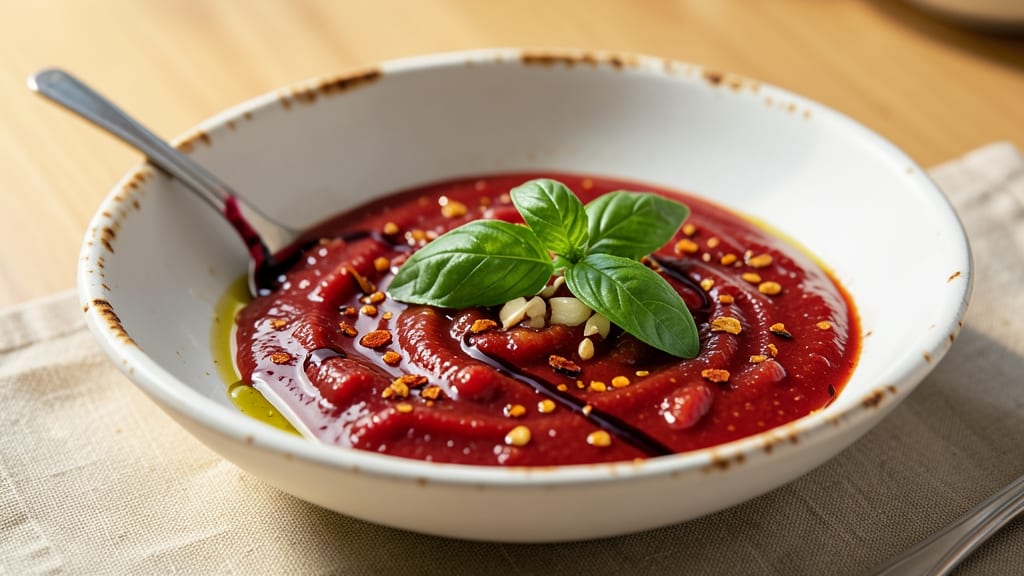
Jamie Oliver's arrabiata sauce recipe delivers that signature fiery, tangy kick that transforms simple pasta into a restaurant-worthy dish. The secret lies in balancing garlic, chili flakes, and ripe tomatoes while letting the sauce simmer until it develops deep, complex flavors. I've perfected this version to be bold yet approachable—no burnt garlic or overly sweet tomatoes here.
What sets this sauce apart is the slow reduction phase, where the acidity brightens and the spices meld into a cohesive, aromatic base. You'll start with fresh garlic and chili for heat, then build layers of tomato sweetness and umami through careful simmering.
The result? A sauce that's vibrant, balanced, and packed with character—ready to cling to pasta or elevate any protein.
This recipe delivers restaurant-quality results in just 30 minutes, with minimal ingredients but maximum impact. The key is patience—letting the sauce develop its depth rather than rushing the process. Once you taste that perfect balance of spice, acidity, and richness, you'll never go back to store-bought again.
Use it immediately over spaghetti or save it for later—this sauce keeps beautifully in the fridge for up to 5 days, with flavors intensifying over time. The versatility makes it ideal for weeknight dinners or entertaining. Let's get cooking!
Ingredients for arrabiata sauce jamie oliver
Eight ingredients, bold flavors—this is Jamie Oliver's signature arrabiata sauce, simplified.
| Ingredient | Amount | Notes |
|---|---|---|
| Extra-Virgin Olive Oil 🫒 | ½ cup | High-quality, fruity variety |
| Garlic Cloves 🧄 | 6 cloves | Freshly minced, not burnt |
| Red Chili Flakes 🌶️ | 2 tbsp | Adjust for desired heat level |
| San Marzano Crushed Tomatoes 🍅 | 2 cups | High-quality canned tomatoes |
| Fresh Basil Leaves 🌿 | ½ cup | Packed, stems removed |
| Red Wine Vinegar 🍷 | 1 tbsp | Bold, dry variety preferred |
| Kosher Salt 🧂 | 1 ½ tsp | Diamond Crystal preferred |
| Black Peppercorns 🌶️ | ½ tsp | Freshly cracked preferred |
The garlic and chili flakes are your flavor anchors here. Fresh garlic is non-negotiable—it burns fast, so have it ready before you heat the oil. For chili flakes, Penzeys or Trader Joe's carry the best quality. The tomatoes? San Marzano is the gold standard, but any high-quality canned tomatoes work. I always grab a few extra cans—this sauce tastes even better the next day as the flavors meld. The basil? Farmers market has the freshest leaves, but grocery store containers work in a pinch.
No red wine vinegar? White wine vinegar or balsamic works, but the acidity won't be as bright. Fresh basil wilting? Dried basil at half the amount gets you close, though it lacks that fresh aroma. Want more depth? Add a pinch of smoked paprika or a splash of tomato paste. The sauce can handle extra tomatoes—just simmer longer to reduce. For a smoother texture, blend briefly after simmering, but I prefer the rustic texture of hand-chopping the basil at the end.
This sauce is a fridge staple. Store in an airtight container with a thin layer of olive oil on top to preserve freshness for up to 5 days. Freezes beautifully for 3 months—portion into ice cube trays for single-use servings. The flavors actually improve overnight, so make extra if you can. Pairs perfectly with spaghetti, grilled chicken, or even as a pizza sauce. Trust me, you'll want leftovers.
Why You'll Love This Recipe
- No-Chop Needed: I swear by this recipe because it only asks for minced garlic—no peeling, no dicing, just tear open the cloves and go. That first sizzle in the olive oil? Pure magic, and it happens faster than you can blink.
- Heat Without Drama: The red chili flakes here aren’t just for show—they bloom in the oil until the whole kitchen smells like sunshine and spice, but you control the burn. (Yes, even my toddler can handle this—sort of.)
- Pasta’s Best Friend: Slather it on spaghetti for a weeknight, toss it with roasted veggies for a lazy dinner, or dump it into freezer bags for when you’re too tired to cook. It’s the sauce that actually works for everything.
- Budget Booster: San Marzano tomatoes are worth every penny, but a single jar stretches into four meals—plus, the basil freezes like a dream. My grocery bill thanks me every time I pull this out.
Step-by-step instructions for Jamie Oliver's arrabiata sauce
This fiery, vibrant sauce comes together in minutes with bold flavors that pack a punch.
Bloom the Chili Flakes in Olive Oil
Heat the 0.5 cup extra-virgin olive oil in a medium saucepan over medium-low heat. Once the oil is shimmering but not smoking, add the 2 tablespoons red chili flakes. Let them bloom for 1-2 minutes—this releases their aromatic oils and deepens the flavor. You'll see the flakes darken slightly and smell an intense, earthy heat. This step is crucial; if you skip it, your sauce will taste flat and one-dimensional. Keep the heat gentle to prevent burning, which would turn the chili bitter.
Here's the thing—chili flakes need time to open up. If you rush this, you'll miss that smoky, complex depth that defines authentic arrabiata. I like to stir them constantly for the first 30 seconds, then let them sit undisturbed for another minute. This two-phase approach ensures even blooming without scorching.
Add Garlic and Cook Until Fragrant
Push the chili flakes to one side of the pan and add the 6 cloves freshly minced garlic to the empty space. Cook for 30-45 seconds until the garlic turns golden and fragrant—this is when it's ready. If it starts to brown too quickly (after about 20 seconds), stir it into the chili flakes to prevent burning. The garlic should smell sweet and nutty, not sharp or bitter.
This is where Jamie Oliver's technique shines. By cooking the garlic separately first, you avoid burning it while it waits for the chili to bloom. Once the garlic is golden, stir everything together and cook for another 30 seconds to meld the flavors. You'll notice the oil become more vibrant and aromatic—this is your sauce's foundation taking shape.
Incorporate Tomatoes and Simmer
Pour in the 2 cups San Marzano crushed tomatoes and stir to combine. Bring the mixture to a gentle simmer over medium heat, then reduce to low heat. Let it cook uncovered for 15-20 minutes, stirring occasionally. You're looking for the sauce to thicken slightly and reduce by about one-third—this concentrates the flavors and creates that signature arrabiata intensity.
During this time, the acidity in the tomatoes will mellow out while the chili and garlic flavors develop. Taste after 10 minutes—it should be tangy, spicy, and bright. If it's too thin, simmer longer; if it's too thick, add a splash of water. The sauce should coat the back of a spoon but still be loose enough to cling to pasta.
Finish with Vinegar and Season
Stir in the 1 tablespoon red wine vinegar and let it simmer for 2-3 minutes. This brightens the sauce and cuts through the richness of the tomatoes. Add the 1.5 teaspoons kosher salt and 0.5 teaspoon freshly cracked black peppercorns, then taste and adjust the seasoning. You want a balance of heat, acidity, and saltiness—arrabiata should be bold, not one-note.
Remove the pan from heat and stir in the 0.5 cup fresh basil leaves, tearing them by hand. Let the sauce sit for 5 minutes off the heat—this allows the basil to infuse without wilting. The sauce will darken slightly and deepen in flavor. If you add the basil too early, it will turn bitter; too late, and it won't integrate properly.
Serve Immediately with Pasta
Toss the sauce with al dente pasta (about 1 pound uncooked) and serve immediately. The sauce should cling to each strand, with a glossy sheen and visible flecks of chili and basil. For extra drama, finish with a sprinkle of freshly cracked black pepper and a drizzle of extra-virgin olive oil. The heat should build gradually—arrabiata is about layers of flavor, not just spice.
This sauce is best served fresh, but it keeps well in the refrigerator for up to 3 days. Reheat gently over low heat, stirring occasionally, and add a splash of water if it thickens too much. The key to a great arrabiata is patience—letting the flavors develop and balancing the components just right. Once you master this, you'll have a go-to sauce for quick, restaurant-quality meals.
Pro Tips For Making Arrabiata Sauce Jamie Oliver
- Bloom the Garlic: Toss your peeled garlic cloves in the olive oil first, then turn the heat to medium-low—I learned this the hard way after burning three batches. Let them sizzle gently for 2-3 minutes until golden, not crispy, or they’ll turn bitter and ruin the whole sauce.
- Crush the Tomatoes: Skip the blender—San Marzano crushed tomatoes already have the right texture, but if you’re using whole canned tomatoes, give them a quick pulse in the food processor. This keeps the sauce smooth without losing that bright acidity Jamie’s recipe relies on.
- Taste Early: After adding the chili flakes and tomatoes, taste the sauce before the basil goes in—yes, even if it’s not fully reduced. You’ll catch if it needs more salt or a pinch of sugar to balance the acid, and adjusting now saves backtracking later.
- Toast the Chili: Heat the red chili flakes in the oil for 30 seconds before adding garlic—it deepens their flavor without overpowering. I was skeptical until I tried it; now it’s non-negotiable for that proper arrabiata kick.
Storing and reheating this dish
Fridge Storage Essentials
Store your arrabiata sauce in an airtight glass container with a thin layer of extra-virgin olive oil on top—this preserves freshness for up to 5 days while preventing a skin from forming. I use Pyrex with snap-on lids because they seal tightly and stack neatly in my fridge.
Let the sauce cool completely before storing to avoid condensation, which can dilute flavors. Label with the date to track freshness—trust me, you'll want to use it before day 6 when the basil starts to lose its brightness. 🌿
Freezer Prep Tips
For long-term storage, divide the sauce into quart-sized freezer bags or silicone ice cube trays—this makes single-serving portions perfect for quick meals. Squeeze out excess air before sealing to prevent freezer burn, and lay the bags flat in your freezer for even freezing.
The sauce maintains quality for 3 months, though I recommend using it within 2 months for peak flavor. When you're ready to use it, thaw overnight in the fridge or reheat directly from frozen with a splash of water. 🧊
Reheating Like a Pro
Always reheat your sauce gently over low heat in a saucepan—never microwave it, as this can make the basil taste bitter and break down the tomato texture. Add 1-2 tablespoons of water or pasta water if the sauce thickens too much during reheating.
Stir constantly and keep the heat at medium-low to prevent scorching. For extra richness, finish with a drizzle of fresh olive oil and a pinch of salt—this restores the sauce's balance. The reheated version should still have that vibrant, spicy kick that makes arrabiata special. 🔥
Reviving Stale Sauce
If your sauce has lost some brightness after refrigeration, don't toss it! Add ½ teaspoon of red wine vinegar and 1 teaspoon of fresh basil to revive the acidity and aroma. Simmer for 3-5 minutes on low heat, then taste and adjust seasoning.
This trick works wonders for sauces that have been stored for 4-5 days—it's like giving them a second life. I've saved many a forgotten jar of arrabiata this way, and it always comes back better than expected. ✨
Pasta Pairing Reminder
When reheating for pasta, aim for a sauce-to-pasta ratio of 1:2—about ½ cup sauce per pound of cooked pasta. The sauce should coat the strands but not make them soggy.
If you're using the sauce for something other than pasta (like grilled chicken or roasted vegetables), reduce the amount slightly since these proteins absorb less liquid. Always taste as you go—arrabiata should be bold, never overwhelming. 🍝
Make-Ahead Magic
I always make a double batch of this sauce on Sundays—it's perfect for meal prep. Store one portion in the fridge for the week and freeze the rest. The flavors actually deepen overnight, making it taste even better the next day.
When you're ready to use it, simply reheat and toss with fresh pasta. This strategy saves time during busy weeknights and ensures you always have restaurant-quality sauce on hand. 💫
Nutrition facts
Frequently asked questions
Can I use dried basil instead of fresh in this recipe?
Yes, but use only 1 teaspoon dried basil (about 1/5 the amount of fresh). Dried basil lacks the bright aroma of fresh, so it won't give the same vibrant finish. If you must substitute, add it with the vinegar at the end and let it steep off the heat for 5 minutes to maximize flavor. For best results, fresh basil is non-negotiable for authentic arrabiata.
Why does my arrabiata sauce taste too sweet or one-dimensional?
This usually happens when the tomatoes aren't properly balanced. Jamie Oliver's method relies on the vinegar and chili flakes to cut through sweetness. If your sauce tastes flat, simmer it longer to reduce the liquid, then add ½ teaspoon more red wine vinegar and ½ teaspoon extra chili flakes. The acidity and heat should brighten the flavors immediately.
How do I adjust the heat level in this sauce?
Start with the 2 tablespoons chili flakes as written, then taste and adjust. For milder heat, reduce to 1 teaspoon and add ½ teaspoon smoked paprika for depth. For extra spice, increase to 3 tablespoons and add a pinch of crushed red pepper. Always let the chili flakes bloom in the oil first—this controls the heat intensity better than adding raw flakes.
Can I make this sauce without garlic?
While possible, it won't be authentic arrabiata. Garlic is essential for that signature sweet, nutty depth. If you're avoiding it, try 1 teaspoon garlic powder (added with the salt) plus ½ teaspoon onion powder for complexity. The sauce will taste different but still delicious—just less aromatic. For a garlic-free alternative, consider a white wine base instead.
What's the best pasta shape for arrabiata sauce?
Spaghetti or linguine work perfectly, but any long, thin pasta (like bucatini or capellini) lets the sauce cling beautifully. For heartier options, try rigatoni or penne—the ridges help hold the sauce. Avoid wide, flat noodles like fettuccine, as they won't absorb the sauce as well. The key is al dente texture to prevent mushiness when tossed.