
Sauces & Condiments
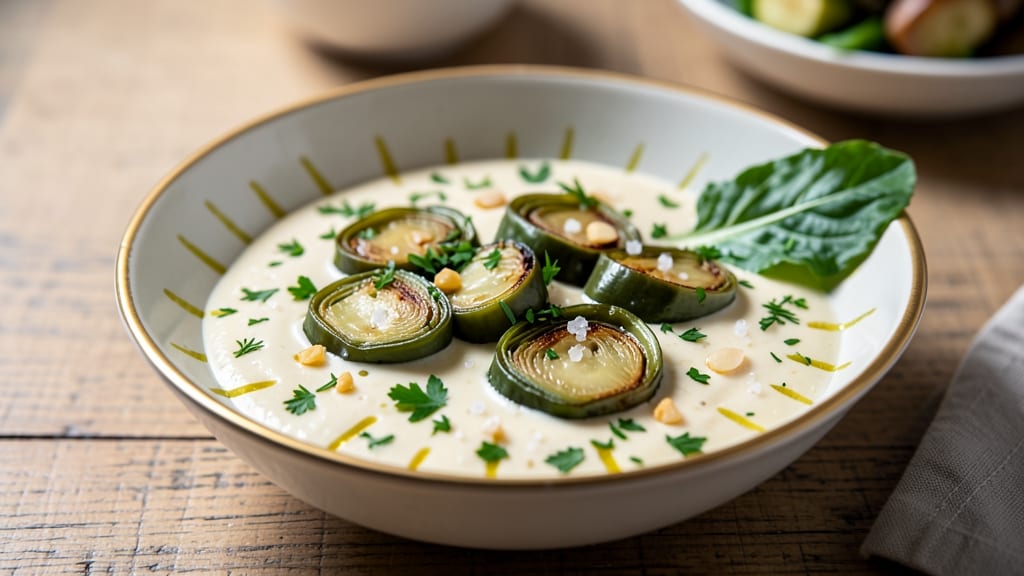
This artichoke cream sauce recipe transforms humble artichoke hearts into a velvety, restaurant-quality sauce that elevates any dish. The secret lies in blending tender artichokes with rich cream, garlic, and fresh herbs—creating a smooth, aromatic sauce that's ready in just 20 minutes.
Perfect for pasta, meats, or roasted vegetables, this sauce delivers depth and creaminess without the fuss of traditional recipes.
The process is simpler than you'd expect: sauté garlic until fragrant, blend artichokes with cream and herbs, then simmer until silky smooth. The result is a sauce that coats ingredients beautifully, adding a touch of Mediterranean elegance to your meal.
No heavy cream? A light coconut milk version works just as well, proving this sauce is both versatile and foolproof.
What sets this recipe apart is its balance—creamy yet light, tangy from the artichokes, and aromatic from the herbs. It stays fresh in the fridge for up to 5 days or freezes perfectly for later use, making it ideal for meal prep.
Whether you're serving it over fettuccine, drizzling it on grilled chicken, or tossing it with roasted Brussels sprouts, this sauce turns simple dishes into standout meals.
Ready to elevate your cooking? This sauce is your secret weapon for adding richness and flavor with minimal effort. Let’s get started—your taste buds will thank you.
Ingredients for artichoke cream sauce
Nine simple ingredients transform jarred artichokes into velvety Mediterranean elegance.
| Ingredient | Amount | Notes |
|---|---|---|
| Marinated Artichoke Hearts 🍃 | 1 cup | Drained and chopped, jarred or canned |
| Heavy Whipping Cream 🥛 | 1 cup | Full-fat for best texture |
| Garlic Cloves 🧄 | 3 cloves | Minced for aromatic base |
| Fresh Lemon Juice 🍋 | 1 tbsp | Brightens the sauce |
| Fresh Parsley 🌿 | ¼ cup | Chopped, for freshness |
| Fresh Dill 🌿 | 0.1 cup | Chopped, optional but recommended |
| Extra-Virgin Olive Oil 🫒 | 2 tbsp | For sautéing garlic |
| Salt 🧂 | ½ tsp | Kosher or sea salt |
| Black Pepper 🌶️ | ¼ tsp | Freshly ground preferred |
| Butter 🧈 | 1 tbsp | For finishing touch |
The artichoke hearts make this sauce shine—look for jarred hearts in water, not oil, as they stay fresher longer. Trader Joe's and Whole Foods carry the best quality, but any store brand works fine. Fresh herbs? Parsley is a must, but if you're skipping dill, add an extra pinch of salt to balance. The garlic should be fresh—smell it first. If it's not pungent, toss it. For the cream, full-fat is non-negotiable here—light cream or coconut milk will separate.
No jarred artichokes? Fresh artichokes work too—just trim the tops, quarter, and boil until tender. Heavy cream too rich? Half-and-half or coconut milk keeps it light, though texture will be slightly thinner. Fresh dill missing? Dried dill at one-third the amount works, but you'll lose that bright Mediterranean note. The butter at the end? Don't skip it—it adds a luxurious finish. For extra richness, stir in 1 tbsp grated Parmesan at the end.
This sauce keeps beautifully—5 days in the fridge sealed tightly, or 3 months frozen. For freezing, portion into ice cube trays first, then transfer to a bag. Thaw in the fridge overnight. If it thickens too much after refrigerating, just whisk in 1 tbsp warm water or milk to loosen. Leftovers? Toss with pasta, drizzle on grilled fish, or use as a dip for crusty bread.
Why You'll Love This Recipe
- Fridge-to-Table Magic: I swear by this sauce because it starts with jarred artichokes—no chopping, no waiting for hearts to thaw. Just drain, toss in the cream and garlic, and simmer until it’s velvety. That’s it. My lazy nights have never tasted this good.
- Bright & Creamy Balance: The lemon juice cuts through the richness like a breath of fresh air—honestly, it’s the secret. You get that tangy artichoke punch without it being heavy, and the parsley adds this bright finish that makes it taste restaurant-level (but way cheaper).
- Pasta’s New Best Friend: Between us, this sauce turns spaghetti into a showstopper, but it also slays on roasted chicken, grilled fish, or even as a dip for crusty bread. I’ve used it for weeknight dinners, potlucks, and even as a fancy appetizer—no one bats an eye at how effortless it is.
- Leftover Goldmine: The cream thickens beautifully when reheated, so leftovers taste just as good the next day. I’ll make a double batch on Sundays, freeze half, and still have a week’s worth of quick meals. Budget win? Absolutely. Time win? Even better.
Step-by-step instructions for artichoke cream sauce
Here's how to create a luxurious artichoke cream sauce that's velvety, bright, and packed with Mediterranean flair.
Sauté Garlic in Olive Oil
Heat the 2 tablespoons extra-virgin olive oil in a medium saucepan over medium heat. Add the 3 minced garlic cloves and cook for 30-45 seconds until they become fragrant and just begin to turn golden. Be careful not to let them brown—this creates bitterness. You'll know it's ready when the kitchen smells like fresh garlic and the edges of the garlic turn slightly translucent.
Here's the thing—garlic burns fast. Keep your eye on the pan and stir occasionally. If you see the garlic turning darker than pale golden, remove the pan from heat immediately. The goal is aromatic, not burnt. Once the garlic is ready, you can move straight to the next step without waiting.
Add Artichokes and Lemon Juice
Drain and chop the 1 cup marinated artichoke hearts into small, even pieces—about ¼-inch chunks. Add them to the pan with the garlic and cook for 2-3 minutes until heated through. Then pour in the 1 tablespoon fresh lemon juice and stir well. The lemon brightens the sauce and balances the richness of the cream.
You'll notice the artichokes release some of their marinade as they heat. This liquid helps create the sauce's velvety texture, so don't drain it completely. If your artichokes are particularly watery, let them sit in a strainer for 1 minute before adding to the pan to remove excess liquid.
Simmer the Sauce
Reduce the heat to low and stir in the 1 cup heavy whipping cream. Let the mixture simmer gently for 5-7 minutes, stirring occasionally. The sauce should thicken slightly and become smooth. If it starts to curdle, reduce the heat even lower or remove from heat for 30 seconds to let it recover.
This is where patience pays off. Let the sauce bubble softly—you're not trying to reduce it dramatically, just infuse the flavors. You'll see the artichokes soften slightly and the sauce take on a creamy consistency. If it looks too thick, add 1-2 tablespoons of water to loosen it to your desired consistency.
Finish with Herbs and Seasonings
Remove the sauce from heat and stir in the 0.25 cup chopped fresh parsley, 0.1 cup chopped fresh dill, 0.5 teaspoon salt, and 0.25 teaspoon black pepper. The herbs add freshness that cuts through the richness of the cream. Taste and adjust the seasoning—you might need a bit more salt depending on how salty your artichokes were.
Here's a pro tip: For extra richness, add the 1 tablespoon butter now and stir until melted. The butter adds a luxurious finish that makes this sauce feel restaurant-quality. If you prefer a lighter sauce, skip the butter or use half the amount.
Serve Warm
Let the sauce sit for 2-3 minutes to thicken slightly more. This resting time allows the flavors to meld together perfectly. Serve warm over pasta, grilled fish, or roasted chicken. The sauce pairs beautifully with crusty bread for dipping too.
For the best results, serve immediately. The sauce holds well for 2-3 hours at room temperature, but it's at its peak freshness right after making. If storing, keep it in an airtight container in the refrigerator for up to 3 days—just reheat gently on the stove before serving.
Pro Tips For Making Artichoke Cream Sauce
- Drain and Pat Dry: Marinated artichoke hearts cling to their brine like glue—skip the rinse, but pat them dry with a paper towel before blending. Wet hearts thin out your sauce faster than you can say "too much liquid," and no one wants a watery artichoke cream.
- Sauté Garlic Low and Slow: Burnt garlic ruins everything, and this sauce isn’t fancy enough to hide the bitterness. Cook minced cloves in the cream on medium-low for 2–3 minutes—just until fragrant, not golden. I learned this the hard way after one disastrous batch that tasted like a campfire.
- Use Room-Temp Cream: Cold heavy cream curdles like a bad breakup when it hits hot garlic. Let the cream sit out for 10 minutes before adding it—no, the fridge isn’t your friend here. Smooth sauce every time, no lumps, no stress.
- Strain for Silkiness: Chopped parsley and artichoke bits make the sauce look busy, but this isn’t a chunky dip. Run it through a fine-mesh sieve after blending—yes, even if you’re impatient. The texture goes from "rustic" to "restaurant-worthy" in seconds.
Common mistakes when making this recipe
Overcooking the Garlic
Garlic burns faster than you think, and once it turns dark golden or brown, it releases bitter compounds that ruin the sauce. I’ve made this mistake—trust me, your sauce will taste like a charred mess.
Cook the 3 minced garlic cloves in 2 tbsp olive oil over medium heat for just 30-45 seconds until fragrant but still pale. If you see smoke or dark spots, remove the pan immediately. 🌡️
Skipping the Lemon Juice
Lemon juice isn’t just for flavor—it balances the richness of the cream and brightens the artichokes. Omitting it leaves your sauce flat and heavy. Add the 1 tbsp fresh lemon juice right after sautéing the artichokes.
If you’re using bottled lemon juice, use ½ tsp citric acid instead for a more authentic tang. The acidity also helps stabilize the sauce’s texture.
Using Low-Quality Cream
Heavy whipping cream is non-negotiable here—light cream or half-and-half will separate and curdle. I’ve tried lighter alternatives, and they just don’t hold up. The 1 cup heavy cream adds the luxurious body you want.
If you’re concerned about calories, use ½ cup heavy cream + ½ cup whole milk, but the texture will be slightly thinner. Never, ever use watered-down cream substitutes.
Overstirring the Sauce
Constant stirring while simmering can break down the cream’s fat molecules, causing the sauce to curdle. Instead, let it bubble gently on low heat for 5-7 minutes with minimal stirring. If it starts to curdle, reduce the heat or remove from heat for 30 seconds to let it recover.
A quick fix is to whisk in 1 tsp cold butter or a splash of cold milk to stabilize it.
Ignoring the Resting Time
Skipping the 2-3 minute rest after removing the sauce from heat means serving it too thin and unbalanced. This short pause lets flavors meld and the sauce thicken slightly. I’ve rushed it before, and the result was always too runny.
Trust the process—let it sit covered while you finish your main dish, and you’ll notice a world of difference in texture and flavor. ✨
Not Adjusting Seasoning
Store-bought artichokes can vary wildly in saltiness, and the cream might need extra seasoning. Taste your sauce before serving and adjust with salt or black pepper as needed. I often add a pinch of lemon zest or a dash of hot sauce for depth.
Don’t assume the recipe’s seasoning will be perfect—your ingredients might need a little love to shine.
Nutrition facts
Frequently asked questions
Can I use fresh artichokes instead of jarred hearts?
Fresh artichokes work beautifully—just trim the tops, quarter them, and boil for 15-20 minutes until tender. Drain well and chop before adding to the sauce. Fresh artichokes add a slightly more robust flavor, but jarred hearts save time and ensure consistent texture.
How do I make this sauce dairy-free?
Replace the heavy cream with 1 cup full-fat coconut milk (not light) for a rich, dairy-free version. The texture will be slightly thinner but still creamy. For extra thickness, stir in 1 tbsp cornstarch mixed with 2 tbsp water at the end. The sauce will still be velvety and delicious!
What if my sauce separates or curdles?
This usually happens if the heat is too high or you stir too vigorously. Remove from heat immediately and whisk in 1 tsp cold butter or 1 tbsp cold milk to stabilize it. For a smoother finish, strain the sauce through a fine-mesh sieve before serving.
Can I make this sauce ahead of time?
Yes! This sauce keeps well in the fridge for up to 5 days in an airtight container. For freezing, portion into ice cube trays, then transfer to a freezer bag. Thaw overnight in the fridge and reheat gently on the stove. The flavors actually improve after resting!
What are the best ways to serve this sauce?
This versatile sauce works perfectly over fettuccine, grilled chicken, or roasted vegetables. Drizzle it on crusty bread for dipping, or use it as a creamy dip for vegetable sticks. It also pairs beautifully with baked potatoes or fish fillets for a Mediterranean-inspired meal.