
Sauces & Condiments
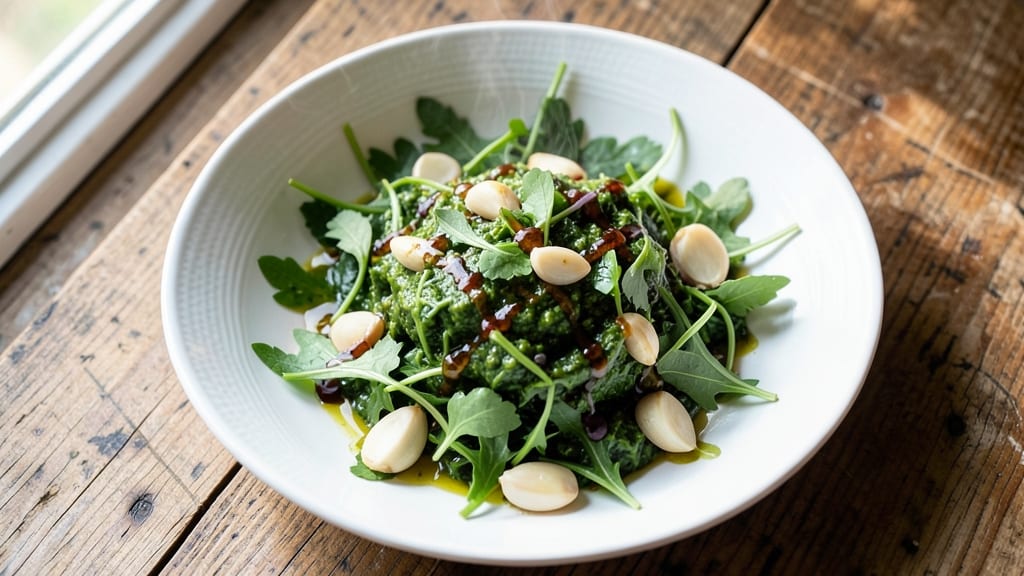
This arugula chimichurri sauce recipe transforms bold flavors into a vibrant, oil-light condiment that clings to everything without heaviness. The secret lies in blending fresh arugula with parsley and oregano, creating a sauce that's bright, herby, and perfectly balanced with garlic and vinegar.
Unlike traditional chimichurri, this version stays fresh-tasting longer and pairs effortlessly with grilled meats, roasted vegetables, or even as a zesty salad dressing.
What sets this sauce apart is its texture—chunky yet smooth enough to drizzle, with no cloying oil residue. The arugula adds a peppery depth that cuts through rich proteins, while the vinegar and garlic ensure a tangy kick.
I developed this recipe after struggling with oil-heavy chimichurri that always left my hands sticky, and it's now my go-to for adding instant brightness to any dish.
Ready in just 10 minutes, this sauce keeps beautifully in the fridge for up to 5 days, making it perfect for meal prep. The flavor actually improves as it sits, allowing the herbs to meld and the acidity to mellow slightly.
Whether you're serving it over grilled steak, tossing it with roasted potatoes, or using it as a marinade, this chimichurri delivers restaurant-quality flavor with minimal effort.
The best part? You can customize it with red pepper flakes for heat, capers for briny depth, or even a touch of honey to balance the acidity. Store it in an airtight jar in the fridge, and shake before using to redistribute the herbs.
This is the kind of sauce that turns simple meals into something extraordinary—without the mess.
Ingredients for arugula chimichurri sauce
Bright herbs and tangy vinegar—this sauce needs just ten ingredients for bold flavor.
| Ingredient | Amount | Notes |
|---|---|---|
| Fresh Arugula Leaves 🌿 | 2 cups | Packed, stems removed |
| Fresh Flat-Leaf Parsley 🌿 | ½ cup | Stems removed, loosely packed |
| Fresh Oregano Leaves 🌿 | ¼ cup | Loosely packed, stems removed |
| Garlic Cloves 🧄 | 4 cloves | Peeled, roughly chopped |
| Red Wine Vinegar 🍷 | ¼ cup | Dry, not sweet |
| Extra-Virgin Olive Oil 🫒 | ¼ cup | Light touch only |
| Kosher Salt 🧂 | ½ tsp | Diamond Crystal preferred |
| Ground Black Pepper 🌶️ | ¼ tsp | Freshly ground |
| Red Pepper Flakes 🔥 | ¼ tsp | Optional for heat |
| Capers 🫒 | 1 tbsp | Chopped, optional |
The arugula is non-negotiable—it gives that signature peppery bite. Grab the freshest you can find at the market, not the sad plastic containers at the grocery store. Whole Foods or local farmers' markets have the best quality. If you're using dried herbs, skip the oregano and parsley—arugula's the star here. For the garlic, roast it first (400°F for 10 minutes) if you want to mellow the flavor, but raw works too. The vinegar? Red wine vinegar is ideal—balsamic adds sweetness, which we're avoiding here.
No red wine vinegar? Apple cider vinegar or lemon juice works in a pinch, though the flavor shifts slightly. Short on arugula? Baby spinach or Swiss chard can stretch it, but texture will change. The olive oil is just a light touch—1/4 cup max—to keep that signature chimichurri texture without heaviness. Want more depth? Add 1 tsp of Dijon mustard to the mix. The capers and red pepper flakes are totally optional, but they're what I reach for when I want extra layers of flavor.
This sauce keeps like a dream—5 days in the fridge in an airtight jar, with a thin layer of olive oil on top to preserve freshness. I like to portion it into small jars so it's ready to grab and shake for meals. If you make extra, freeze it in ice cube trays—perfect for single servings later. The flavor actually gets better as it sits, so don't be afraid to make a big batch. Just give it a good shake before using to redistribute the herbs.
Why You'll Love This Recipe
- No Pulse Required: I chop herbs while you watch—no blender, no straining, just a knife and a bowl. The arugula’s peppery bite softens into a silky sauce when you crush it with the garlic and parsley, and honestly? That’s the magic. You’ll have it ready before the pan even heats up.
- Herb Bomb Brightness: Between us, this isn’t your grandma’s chimichurri. The oregano adds a sharp, almost Mediterranean kick, while the red wine vinegar cuts through like a citrus zing. It’s the kind of flavor that makes you pause mid-bite—like someone snuck sunshine into your plate.
- Weeknight Swiss Army: Slather it on grilled chicken, toss it with roasted veggies, or drizzle it over toasted bread like a fancy bruschetta. I’ve even used it to revive sad takeout leftovers. It’s the one sauce that turns “meh” into “wow” without trying too hard.
- Stays Fresh, Costs Less: Make a big batch—it keeps in the fridge for five days, no weird texture changes. And since you’re using herbs you’d buy anyway (plus arugula’s cheap in season), this is the kind of recipe that saves money while making you feel fancy. Win-win.
Step-by-step instructions for arugula chimichurri sauce
Let's make this vibrant sauce that brings fresh, bright flavor without the heavy oil.
Prepare the Herb Base
In a large bowl, combine the 2 cups fresh arugula leaves, 0.5 cup fresh flat-leaf parsley, and 0.25 cup fresh oregano leaves. Give everything a rough chop with a sharp chef's knife—you want the herbs finely minced but not pulverized. This texture creates the perfect balance between freshness and body in the sauce.
I like to work in batches if needed, especially with arugula, which can get soggy if overhandled. The stems should be completely removed, as they add bitterness. Once chopped, transfer the herbs to a clean mixing bowl—they'll be the foundation of our sauce.
Add Garlic and Acid
To the chopped herbs, add the 4 peeled garlic cloves (roughly chopped) and the 0.25 cup red wine vinegar. The vinegar will start breaking down the herbs immediately, releasing their bright flavors. Use your hands or a wooden spoon to gently mash everything together—this helps release more oils from the garlic and herbs.
Here's the thing—don't rush this step. Let the mixture sit for 2-3 minutes while you prepare the remaining ingredients. The acid in the vinegar will soften the herbs slightly, making them easier to blend later. You'll notice the mixture turning slightly darker and more vibrant as it sits.
Incorporate Oil and Seasonings
Drizzle in the 0.25 cup extra-virgin olive oil while continuing to mash the mixture with your hands. Start with half the oil, then add the remaining 0.25 cup gradually. This slow incorporation prevents the sauce from becoming too thick or oily. Sprinkle in the 0.5 tsp kosher salt, 0.25 tsp ground black pepper, and 0.25 tsp red pepper flakes (if using).
At this point, the sauce should look like a thick, vibrant pesto. If it feels too loose, add a pinch more salt or let it sit for another minute to thicken naturally. The oil should coat the herbs evenly without making the mixture greasy—this is the secret to that perfect chimichurri texture.
Finish with Capers and Rest
Add the 1 tbsp chopped capers (if using) and give everything one final mix with your hands. The capers add a salty, briny depth that balances the herbal brightness. Taste the sauce at this stage—it should be tangy, herby, and slightly spicy from the red pepper flakes. Adjust seasoning if needed, adding more salt or vinegar as necessary.
Let the sauce rest for 10-15 minutes at room temperature. This resting period allows all the flavors to meld together. You'll notice the sauce becoming even more vibrant in color and richer in taste. If the sauce thickens too much during resting, thin it with a splash of water or vinegar to reach your desired consistency.
Serve Immediately or Store Properly
Serve the chimichurri immediately over grilled meats, fish, or vegetables while everything is still hot. The sauce works best when used fresh, as the herbs retain their bright flavor. If you need to store it, transfer to an airtight container and refrigerate for up to 3 days. Before serving, give it a good stir and adjust seasoning if needed.
The key to this sauce is its balance—bright herbs, tangy vinegar, and just enough oil to bind without overpowering. When used fresh, it adds a vibrant, herbaceous punch that elevates any dish. Enjoy it immediately for the freshest flavor experience!
Pro Tips For Making Arugula Chimichurri Sauce
- Pulse, Don’t Purée: Hit the arugula and parsley in short bursts—three or four at most—then taste before adding more. Over-blending turns this sauce into a sad, watery sludge, and you’ll lose that bright, peppery kick you’re paying good money for.
- Dry the Greens First: Toss your arugula and parsley in a clean kitchen towel and give them a good shake to remove excess moisture. Wet herbs dilute the sauce and make it cling like glue instead of coating beautifully.
- Roast the Garlic: Wrap a whole garlic bulb in foil, roast at 400°F (200°C) for 20 minutes, then squeeze out the cloves. The flavor is deeper, sweeter, and way less harsh than raw garlic—trust me, your sauce will thank you.
- Vinegar First, Then Oil: Whisk the red wine vinegar into the herbs before adding olive oil. This keeps the acid sharp and bright instead of getting mellowed out by the oil right away—like a proper chimichurri should be.
Common mistakes when making your arugula chimichurri sauce
Over-Chopping the Herbs
I’ve seen people pulverize the arugula and parsley into a paste, and trust me, that’s a mistake. You want chunky texture—not a smooth, green slurry. Over-chopping releases too much liquid and turns your chimichurri into a sad, watery mess.
Instead, aim for small dice (about ¼-inch pieces) so each bite delivers that bright, peppery arugula punch. 🌿
Skipping the Resting Time
Rushing this sauce is a classic error. The 10-15 minute rest is non-negotiable—it lets the flavors meld and the herbs soften slightly, creating that perfect balance. Without it, your chimichurri will taste raw and disjointed.
I’ve learned this the hard way: impatiently serving it immediately always leaves me wishing for more depth. Patience pays off here!
Using Too Much Oil
The whole point of this recipe is its light, clingy texture—not a greasy pool of oil. Stick to the ¼ cup maximum and add it gradually. I’ve seen people drown the herbs in oil, turning chimichurri into a heavy pesto.
The oil should just coat the herbs, not drown them. If it feels too loose, let it sit for a minute or two—it’ll thicken naturally.
Ignoring the Vinegar’s Role
Some folks underestimate the vinegar’s power and use too little, leaving the sauce flat. The ¼ cup red wine vinegar isn’t just for tang—it’s the secret to brightening the herbs and balancing the garlic.
If your sauce tastes dull, it’s likely vinegar-deficient. Taste as you go and adjust! A splash of extra vinegar can save a bland batch. 🍷
Not Adjusting Seasoning
Tasting before serving is a must. Chimichurri is all about balance, and every batch varies slightly based on herb freshness. If it tastes mild, add more salt or vinegar.
If it’s too sharp, a pinch of sugar or a drizzle of olive oil can mellow it out. I’ve ruined batches by skipping this step—don’t make the same mistake!
Storing Improperly
This sauce is fragile when stored wrong. Always use an airtight container and press a thin layer of olive oil on top to preserve freshness. Without it, the herbs oxidize and turn bitter. I’ve seen people store it in loose jars, and within days, the flavor was ruined.
If you’re not using it within 3 days, freeze it in ice cube trays for single-serving convenience. 💡
Nutrition facts
Frequently asked questions
Can I make this sauce without arugula?
Arugula is what gives this chimichurri its signature peppery bite, but you can substitute 1 cup baby spinach or ½ cup Swiss chard in a pinch. The texture will be slightly softer, but the herby brightness will still shine. For the closest flavor, use ½ cup arugula + ½ cup parsley instead.
How do I prevent the sauce from turning bitter?
Bitter flavors come from over-chopping herbs or storing the sauce incorrectly. Always chop herbs coarsely (no paste!) and use an airtight container with a thin layer of olive oil on top when refrigerating. For extra freshness, make only what you'll use within 3 days—this sauce tastes best when bright and fresh.
What's the best way to use this sauce?
This chimichurri is incredibly versatile! Use it as a drizzle for grilled meats, a zesty salad dressing, or a marinade for seafood. It also works beautifully with roasted vegetables, avocado toast, or even as a dip for crusty bread. The secret is using it fresh—herbs lose their vibrancy when over-stored.
Why does my chimichurri separate?
Separation happens when the oil and vinegar aren't properly emulsified. Gently mash the herbs with your hands while adding oil gradually, then let it rest for 10-15 minutes before serving. If it still separates, stir vigorously or add 1 tsp Dijon mustard to help bind the ingredients. Store it in a jar and shake well before each use.
Can I make this sauce ahead of time?
Yes, but with care! This sauce actually improves slightly when made 1 day ahead—the flavors meld beautifully. Store in an airtight jar in the fridge for up to 5 days, with a thin layer of olive oil on top to preserve freshness. Give it a good shake before using, as the herbs will settle. For longer storage, freeze in ice cube trays for single-serving convenience.