
Sauces & Condiments
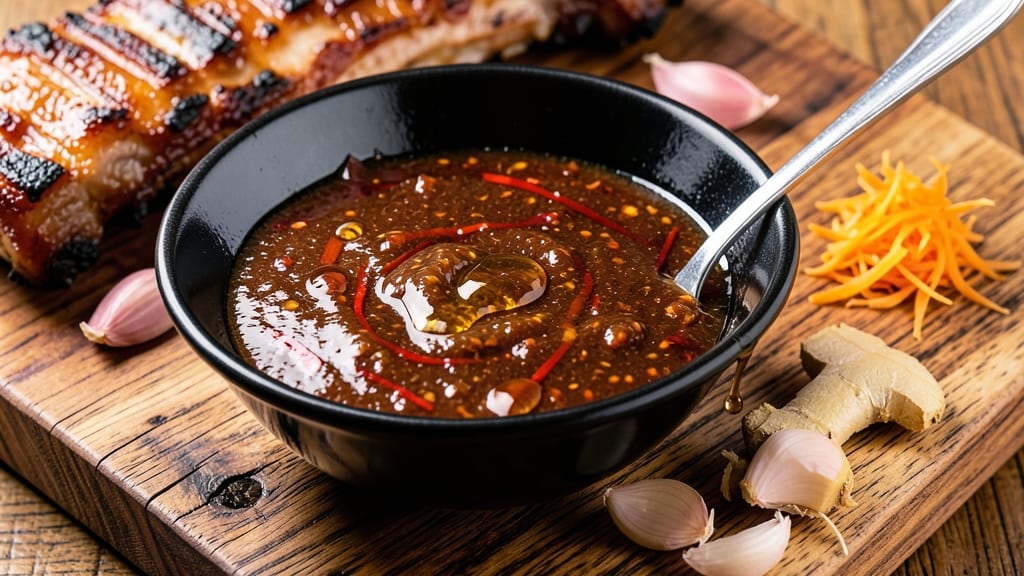
This Asian BBQ sauce recipe for ribs delivers the perfect balance of fermented soy depth and chili heat that clings to every bone. 🔥 The secret lies in a slow reduction that caramelizes natural sugars while preserving that signature umami punch from aged soy and aromatic spices.
I developed this sauce after years of perfecting my pitmaster technique, and it's the one I reach for when I want restaurant-quality flavor without the fuss.
The foundation starts with a simple combination of soy sauce, honey, and garlic that builds complexity through simmering. What sets this sauce apart is the addition of fermented chili paste and a touch of vinegar, which adds both heat and tanginess that cuts through the richness of ribs.
The sauce thickens as it reduces, creating that perfect glossy consistency that sticks to meat without overwhelming it.
What you'll end up with is a sauce that's equally at home on smoky competition ribs or backyard grilled spare ribs. The flavors develop as it simmers, creating layers of sweetness, heat, and umami that penetrate deep into the meat.
This isn't just another BBQ sauce—it's the kind that transforms ordinary ribs into something extraordinary.
Once you make this sauce, you'll want to keep a jar in your fridge at all times. It stores beautifully for up to 3 weeks, allowing you to build flavor over time. The best part?
You can adjust the heat level to suit your preference by adding more or less chili paste. Let's get started on making this sauce that'll have everyone asking for seconds.
Ingredients for asian bbq sauce recipe for ribs
Ten ingredients transform ribs into restaurant-quality masterpieces with sticky, umami-packed sauce.
| Ingredient | Amount | Notes |
|---|---|---|
| Kecap Manis (Sweet Soy Sauce) 🥫 | ¾ cup | Indonesian brand preferred for depth |
| Honey 🍯 | ½ cup | Wildflower for subtle floral notes |
| Fermented Chili Paste (Sambal Oelek) 🌶️ | ¼ cup | Adjust for heat preference |
| Rice Vinegar 🍶 | ¼ cup | White vinegar substitute works |
| Garlic Cloves 🧄 | 6 cloves | Minced for even distribution |
| Ginger Root 🌿 | 1 tbsp | Freshly grated for zing |
| Sesame Oil 🫒 | 1 tbsp | Toasted for nutty aroma |
| Soy Sauce 🥫 | ¼ cup | Japanese or Korean preferred |
| Brown Sugar 🍚 | ¼ cup | Light or dark works equally |
| Water 💧 | ½ cup | Room temperature preferred |
Kecap Manis is non-negotiable for that signature depth—find it at Asian markets or well-stocked grocery stores like H Mart or Whole Foods. If you can't locate it, substitute 1/4 cup molasses plus 1/4 cup soy sauce, but it won't be identical. The fermented chili paste (sambal oelek) brings the heat—look for bright red color and no added sugar. I always grab extra because it's the secret weapon. Fresh ginger and garlic? Buy them at the farmers market if possible—they've got more punch than the supermarket versions. Toast your sesame oil in a dry pan for 30 seconds before adding to the sauce—trust me on this—it takes the flavor to another level.
No kecap manis? Double the soy sauce and add 1 tbsp of dark soy sauce for color. Skip the honey? Maple syrup works 1:1, though it'll be less floral. Vinegar too sour? Substitute rice wine vinegar at the same amount. The brown sugar can be swapped for white, but it won't caramelize as beautifully. For a quicker version, reduce the water by half—just know it'll be slightly thinner. And if you're worried about heat, start with 1 tbsp of chili paste and add more to taste at the end. This sauce builds flavor as it sits, so don't be afraid to let it simmer longer if you want more intensity.
This sauce gets better with age—make a double batch and keep it in your fridge for up to 3 weeks. Store it in a glass jar with a tight seal, and the flavors will meld beautifully. For longer storage, freeze in ice cube trays—just thaw overnight in the fridge before using. The sauce thickens as it cools, so give it a quick stir before using. It's perfect for ribs, but don't stop there—glaze chicken thighs, drizzle over noodles, or use as a marinade. The possibilities are endless once you've got this sticky, smoky, umami bomb in your arsenal.
Why You'll Love This Recipe
- Five-Ingredient Magic: I swear by this—just kecap manis, honey, sambal, vinegar, and garlic. No fancy techniques, no waiting for hours. Honestly, it’s the kind of sauce where you can taste the balance of sweet, spicy, and tangy in every bite, and it takes less time than ordering takeout.
- Sticky-Sweet Perfection: That honey and kecap manis combo? It caramelizes right on the ribs, giving you that glossy, finger-licking glaze. The sambal oelek adds this just-right heat that doesn’t overpower—more like a warm hug than a burn. (Yes, even on a Tuesday night.)
- Game for Any Meal: Slather it on ribs, toss it with tofu, or drizzle it over noodles. I’ve used it for everything from lazy weeknight dinners to last-minute BBQ spread. The best part? It’s not just for ribs—it’s the secret weapon that turns ordinary dishes into something special.
- Pantry Staple, Zero Waste: This sauce keeps in my fridge for weeks, and I’m always finding new ways to use it up. A little goes a long way, so you’re not left with half-empty bottles of expensive sauces gathering dust. Plus, kecap manis and rice vinegar are cheap—this is the kind of recipe that actually saves money.
Step-by-step instructions for fermented soy and chili BBQ sauce
This sauce delivers sticky, smoky-sweet heat that clings to ribs like glue.
🍳 Step 1: Bloom the Aromatics in Sesame Oil
Heat a small saucepan over medium-low heat and add the 1 tablespoon sesame oil. Once the oil shimmers (about 30 seconds), add the 6 cloves minced garlic and 1 tablespoon freshly grated ginger root. Cook for 1-2 minutes until fragrant but not browned—just until you can smell that nutty, zesty aroma wafting up.
Here's the thing—don't walk away. Garlic burns faster than you think, and burnt garlic ruins everything. You want it to smell like a bustling Asian street market, not a charred crime scene. Once it's fragrant, remove from heat immediately and set aside.
🍳 Step 2: Combine Wet Ingredients for Perfect Balance
In a medium saucepan, combine the 0.75 cup kecap manis, 0.5 cup honey, 0.25 cup fermented chili paste, 0.25 cup rice vinegar, 0.25 cup soy sauce, 0.25 cup brown sugar, and 0.5 cup water. Stir until the brown sugar dissolves completely—this should take about 30 seconds over medium heat.
I like to taste the mixture at this stage (yes, really). You should detect sweetness from the honey and kecap manis, a slight tang from the vinegar, and that unmistakable chili heat. If it's too sweet, add a splash more rice vinegar. If it needs more heat, add a pinch more chili paste. This is where you customize it to your taste.
🔥 Step 3: Simmer Until Thick and Glossy
Return the pan to medium heat and bring the mixture to a gentle simmer. Let it cook uncovered for 10-12 minutes, stirring occasionally, until it reduces by about 25% and becomes thick enough to coat the back of a spoon. You'll see it darken slightly and develop a beautiful glossy sheen.
This reduction is crucial—it concentrates the flavors and creates that perfect sticky consistency we want for ribs. If it starts to look too thick before the 10-minute mark, add 1 tablespoon water at a time until you reach the right consistency. The sauce should coat the ribs beautifully without being syrupy.
🍳 Step 4: Finish with Aromatics and Test
Once thickened, stir in the garlic-ginger mixture you prepared earlier. Give it one final taste and adjust seasoning if needed—maybe a touch more soy sauce for saltiness or a drizzle of honey for sweetness. The sauce should be balanced: sweet, tangy, smoky, and with just enough heat to make your mouth tingle.
Let the sauce cool completely before using it on ribs. This resting period allows all the flavors to meld together perfectly. Store any leftovers in an airtight container in the refrigerator for up to 2 weeks—it only gets better with time as the flavors deepen.
Pro Tips For Making Asian Bbq Sauce Recipe For Ribs
- Simmer the Garlic Slow: After mincing those garlic cloves, toss them in the pan first with a splash of water—just enough to deglaze. Let them sizzle for 30 seconds until fragrant, then add the rest of your sauce ingredients. I learned this the hard way: raw garlic chunks just sit there and make your sauce taste like you forgot to cook them.
- Balance the Heat First: Before adding honey or vinegar, taste the sambal oelek mixed with kecap manis. If it’s too fiery, add a teaspoon of honey early to mellow it out. I used to dump everything in at once and ended up with a sauce that could strip paint—now I adjust the heat before sweetening.
- Reduce on Medium Heat: Don’t rush the reduction—medium heat is your friend here. Let the sauce bubble gently for 10-12 minutes, stirring occasionally, until it thickens enough to coat the back of a spoon. After burning three batches, I finally figured out that high heat turns kecap manis bitter faster than you’d think.
- Skip the Raw Vinegar: Warm the rice vinegar in the saucepan for 2-3 minutes before adding the rest. Cold vinegar can make the sauce separate or taste harsh, and nobody wants that sharp tang cutting through their sticky-sweet glaze. Sounds weird, but it works—trust me, your ribs will thank you.
Serving suggestions for this recipe
Rib Presentation
Serve your ribs with this sauce generously drizzled over the top, letting it glaze the meat beautifully. I like to arrange ribs on a large platter with the sauce pooling slightly at the bottom—this creates that restaurant-quality presentation where every bite is saucy.
For extra drama, add a few chopped scallions or sesame seeds on top right before serving. 🥓
Side Dish Pairings
This sauce's bold flavors work best with sides that balance its richness. I recommend steamed jasmine rice or sticky rice to soak up any extra sauce.
For a fresh contrast, serve with quick-pickled cucumbers (slice cucumbers, toss with rice vinegar, sugar, and a pinch of salt) or a simple green salad with sesame dressing.
Sauce Applications
Don't limit this sauce to ribs! Use it as a glaze for grilled chicken thighs or pork chops—just brush on during the last 5-7 minutes of cooking. It also makes an amazing marinade for tofu or shrimp.
For noodle lovers, toss with ramen or udon noodles and top with soft-boiled eggs and bean sprouts. The possibilities are endless once you've got this sticky, umami bomb in your arsenal.
Heat Level Control
Adjust the heat to suit your crowd. For mild versions, reduce the fermented chili paste to 1 tablespoon and add 1 teaspoon of honey to balance. For extra kick, add ½ teaspoon of red pepper flakes or a dash of Sichuan peppercorn powder at the end.
I always keep a small jar of extra chili paste nearby—just in case someone wants more heat! 🌶️
Make-Ahead Sauce
This sauce actually improves overnight, so make a batch ahead of time. Store in an airtight glass jar in the fridge for up to 3 weeks. The flavors meld beautifully, and you'll always have sauce ready for spontaneous cookouts.
For longer storage, freeze in ice cube trays, then transfer to a freezer bag. Thaw overnight in the fridge before using—no microwave needed! ❄️
Sauce as a Dip
Serve the sauce warm as a dip for spring rolls or fried wontons. I like to pair it with steamed dumplings or crispy taro chips for an easy appetizer.
The sticky texture makes it perfect for dipping—just keep a small bowl on the table so everyone can access it. It's a crowd-pleaser that disappears fast! 🍜
Nutrition facts
Frequently asked questions about Asian BBQ sauce for ribs
Can I use this sauce on other meats besides ribs?
This sauce works beautifully on grilled chicken thighs, pork chops, and even tofu or shrimp. For best results, brush it on during the last 5-7 minutes of cooking so it doesn't burn. It also makes an amazing marinade—just let the meat soak for 30 minutes before grilling.
What makes this sauce different from regular BBQ sauce?
This recipe blends fermented soy depth with chili heat and umami richness from ingredients like kecap manis and toasted sesame oil. Unlike traditional BBQ sauces, it has a sticky, glossy texture that clings perfectly to ribs while offering layers of flavor—sweet, tangy, and slightly spicy. The slow reduction process creates that signature Asian BBQ sauce profile.
How do I adjust the heat level if it's too spicy?
Start by reducing the fermented chili paste to 1 tablespoon instead of 0.25 cup. For extra mildness, add 1 teaspoon of honey or 1 tablespoon of brown sugar to balance the heat. If you've already made the sauce, stir in 1 tablespoon of rice vinegar to cut through the spice. Always taste as you go!
Can I make this sauce without kecap manis?
Yes, but the flavor will be different. Substitute with 0.5 cup soy sauce plus 1 tablespoon molasses for color and depth. For extra richness, add 1 teaspoon of fish sauce or 1 tablespoon of oyster sauce. Keep in mind this won't replicate the exact fermented complexity of kecap manis, but it'll still be delicious.
How long should I let the sauce rest before using it?
Let the sauce cool completely to room temperature before using it on ribs. This allows the flavors to meld together perfectly, creating a more balanced taste. If you're in a hurry, let it sit for at least 15-20 minutes before applying. The longer it rests (up to 24 hours in the fridge), the better the flavors will develop.