Sauces & Condiments
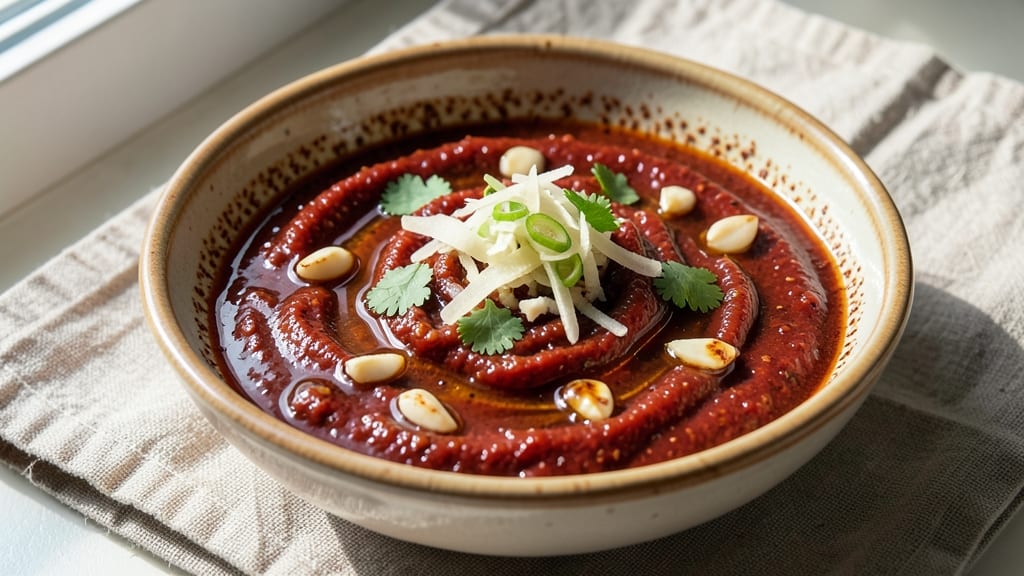
This Asian Cajun sauce recipe transforms bold Cajun heat with umami-rich Asian flavors into a versatile condiment that elevates everything from stir-fries to grilled meats. The marriage of smoky paprika, fiery cayenne, and fermented soy creates a complex balance of spicy-sweet depth that clings to every bite.
I developed this after craving that perfect harmony between Cajun's boldness and Asian cuisine's depth—what you'll get is a sauce that's equally at home on shrimp skewers or as a dipping sauce for spring rolls.
The secret lies in the simmering process, where garlic, ginger, and chili paste infuse the sauce with aromatic layers before blending with soy, honey, and Cajun seasoning. This isn't just another spicy sauce—it's a flavor bridge that adds dimension to any dish while keeping prep simple.
With just 10 minutes of active time and 15 minutes of simmering, you'll have a sauce that tastes like it took hours to perfect.
What makes this sauce truly special is its adaptability—drizzle it over noodles, toss it with grilled chicken, or serve it alongside dumplings for an instant flavor upgrade. The texture remains silky-smooth when hot and slightly thickened when cooled, making it perfect for meal prep.
Store it in the fridge for up to two weeks, where the flavors actually deepen over time.
For those who love heat but want complexity, this sauce delivers a perfectly balanced kick with underlying sweetness and savory notes. The Cajun spices provide that signature smoky depth while the Asian ingredients bring umami richness.
Whether you're cooking for one or feeding a crowd, this sauce transforms ordinary meals into extraordinary ones with minimal effort.
Ingredients for asian cajun sauce
Ten ingredients fuse Cajun heat with Asian umami for a sauce that's bold, balanced, and endlessly versatile.
| Ingredient | Amount | Notes |
|---|---|---|
| Red Chili Paste 🌶️ | 2 tbsp | Vibrant red color preferred |
| Garlic Cloves 🧄 | 4 cloves | Freshly minced for aroma |
| Fresh Ginger 🌿 | 1 ½ tbsp | Finely grated, juicy ginger |
| Light Soy Sauce 🍶 | ½ cup | High-quality, low-sodium preferred |
| Honey 🍯 | 2 tbsp | Pure, light honey for balance |
| Cajun Seasoning 🌶️ | 1 ½ tbsp | Store-bought or homemade blend |
| Sesame Oil 🫒 | 1 tbsp | Toasted sesame oil for depth |
| Rice Vinegar 🍶 | 1 tbsp | White or seasoned vinegar |
| Water 💧 | ¼ cup | For thinning consistency |
| Extra-Virgin Olive Oil 🫒 | 1 tbsp | For silky texture finish |
The chili paste and Cajun seasoning are your flavor anchors—look for vibrant red chili paste at Asian markets or the international aisle. Tony Chachere's Cajun seasoning is my go-to, but any good blend works. Fresh ginger and garlic are non-negotiable here; peeling and grating ginger (no zesting) gives you that perfect juicy texture. For soy sauce, Kikkoman or Pearl River Bridge are reliable choices, but any light soy will do. The honey should be pure and light—Manuka or clover work beautifully. Sesame oil is where the magic happens: toasted sesame oil adds that nutty depth, while regular sesame oil gives a milder flavor.
No chili paste? Fresh red chili peppers blended with a pinch of salt works in a pinch. Short on Cajun seasoning? Mix smoked paprika, cayenne, garlic powder, and onion powder (1 tsp each) for a quick substitute. Vinegar substitute? Lime juice or apple cider vinegar both work. The sauce needs to be silky-smooth, so if you're using a blender, strain through a fine-mesh sieve for that restaurant-quality finish. For extra heat, add a pinch of red pepper flakes or a dash of hot sauce. Want more depth? A splash of fish sauce (if not vegan) or soy sauce adds umami richness.
This sauce thickens as it cools, so thin with water or vinegar if needed. Store in an airtight container in the fridge for up to two weeks, where the flavors actually deepen. For longer storage, freeze in ice cube trays—perfect for single-use portions. The sauce reheats beautifully; just give it a quick stir on the stovetop or microwave. Pro tip: Add a splash of water when reheating to restore that silky texture.
Why You'll Love This Recipe
- Pantry Powerhouse: This sauce comes together with stuff you already have—no special shopping trips. I keep a jar of red chili paste and ginger root on hand anyway, so this is basically free flavor. Honestly, the only thing I buy extra is the honey, and even that’s cheap.
- Sweet Heat Balance: That first bite? It’s like a hug from a spicy-sweet dream. The honey cuts through the chili’s kick while the garlic and ginger add this deep, savory punch. Between us, it’s the kind of sauce that makes people ask, “What’s in this?”
- Glazes Everything: Slather it on grilled chicken, toss it with noodles, or drizzle it over roasted veggies—it’s my secret weapon for turning boring meals into something special. I’ve even used it as a marinade for tofu when I’m craving something bold but not too heavy.
- Makes Leftovers Taste Fresh: The sauce keeps for weeks in the fridge, and it actually improves over time. That’s right—your second batch of stir-fry or leftover takeout will taste richer, deeper, and way more exciting than day one. (Yes, even on a Tuesday night.)
Step-by-step instructions for Asian Cajun sauce
This bold fusion sauce brings together smoky Cajun heat and sweet Asian flavors—perfect for stir-fries, grilled meats, or marinades.
Bloom the Aromatics in Olive Oil
Heat the 1 tablespoon extra-virgin olive oil in a medium saucepan over medium heat. Once shimmering, add the 4 cloves minced garlic cloves and 1.5 tablespoons finely grated fresh ginger. Cook for 2-3 minutes until the garlic becomes fragrant and just begins to turn golden—this prevents bitterness while building flavor depth.
Here's the thing—don't rush this step. The garlic should sizzle gently without browning. If it starts to darken too quickly, reduce the heat slightly. This aromatic base forms the sauce's foundation, so take your time. You'll know it's ready when the kitchen fills with that irresistible garlic-ginger perfume.
Add Chili Paste and Cajun Seasoning
Immediately stir in the 2 tablespoons red chili paste and 1.5 tablespoons Cajun seasoning. Cook for 1-2 minutes until the mixture darkens slightly and the raw chili flavor mellows. This combination creates the perfect balance of heat and depth—smoky, spicy, and slightly sweet.
I like to press the chili paste into the pan with a wooden spoon first, letting it toast for about 10 seconds before stirring. This caramelizes the sugars in the paste, adding another layer of complexity. Watch closely—the paste can burn quickly, so keep the heat at medium rather than high.
Incorporate Wet Ingredients
Pour in the 0.5 cup light soy sauce, 2 tablespoons honey, and 1 tablespoon rice vinegar. Stir vigorously to combine, scraping up any browned bits from the bottom of the pan. These bits pack serious flavor—don't miss them! Bring the mixture to a gentle simmer over medium-low heat.
The sauce should reduce slightly as it simmers. You'll notice it thicken naturally as the liquid evaporates. If it gets too thick too quickly, add 1 tablespoon of the 0.25 cup water to maintain smooth consistency. Simmer for 3-4 minutes until the sauce coats the back of a spoon.
Finish with Sesame Oil
Remove the pan from heat and stir in the 1 tablespoon toasted sesame oil. This final touch adds nutty depth and balances the sauce's complexity. Taste and adjust seasoning—you might want to add a touch more honey for sweetness or soy sauce for saltiness, depending on your preference.
Let the sauce rest for 5 minutes before using. This resting period allows all the flavors to meld together beautifully. The sauce should be glossy, with a perfect balance of heat, sweetness, and umami. Use it immediately for stir-fries or grilling, or store it in an airtight container in the refrigerator for up to 1 week.
Pro Tips For Making Asian Cajun Sauce
- Bloom the Ginger First: I learned this the hard way—raw ginger in this sauce tastes like a mouthful of rubber. Finely mince it (no need for a peeler) and let it sit in the pan with the garlic for 30 seconds before adding the chili paste. That’s when the aroma hits, and the heat softens the fibers so they blend smoothly into the sauce.
- Cook the Chili Paste Low: The moment you add red chili paste, drop the heat to medium-low. I used to rush it, and the sauce would turn bitter or even burn before the flavors melded. Let it simmer gently for 5 minutes—just until it darkens and smells rich. Patience here makes the difference between a sharp, one-note sauce and something layered and complex.
- Balance the Honey Last: Honey burns faster than you’d think, especially when mixed with garlic and ginger. Stir it in only during the final 2 minutes of cooking, and keep the pan on the lowest heat setting. If you add it too early, you’ll end up with a sauce that tastes more like caramelized sugar than the intended sweet-spicy harmony.
- Use Aged Soy Sauce: Light soy sauce works, but if you’ve got dark or even better, koji-fermented soy sauce, swap it in. The deeper umami cuts through the heat of the chili paste and rounds out the sharpness of the garlic. It’s a small tweak, but it turns this sauce from good to sticky-finger-licking good. (Yes, even if you’re not a soy sauce snob.)
Make-ahead tips for this dish
Prep Ahead Strategy
Make this sauce a day ahead for deeper flavors—it actually tastes better after resting! Store in an airtight container in the fridge, where the spices and aromatics meld beautifully. The texture thickens slightly over time, so thin with 1-2 teaspoons water when ready to use.
This is perfect for meal prep because it adds instant flavor to any dish without extra cooking time. 💪
Freezer-Friendly Portions
Freeze in ice cube trays for single-use portions—just pop out what you need and toss into stir-fries or marinades. Label with the date since it keeps for up to 3 months in the freezer.
Thaw overnight in the fridge, then reheat gently on the stovetop with a splash of water to restore that silky texture. I always keep a batch frozen for quick weeknight cooking. ❄️
Batch Cooking Tips
Double or triple the recipe for large gatherings—this sauce scales perfectly! Use a heavy-bottomed saucepan for larger batches to prevent scorching. Divide into quart-sized freezer bags, squeezing out excess air to prevent freezer burn. For restaurant-quality results, strain through a fine-mesh sieve before freezing to remove any lumps. 🍳
Reheating Like a Pro
Reheat gently on the stovetop over low heat for 3-4 minutes, stirring constantly. Avoid microwaving as it can make the sauce grainy. If it thickens too much, add 1 teaspoon water or vinegar to restore smoothness.
For extra shine, finish with a drizzle of toasted sesame oil right before serving. This keeps all the flavors vibrant and balanced. 🔥
Sauce Stability
The sauce's acidity from vinegar and soy helps preserve freshness, but always store it in the coolest part of your fridge. If you notice any separation, simply stir vigorously before use. For vegan versions, replace honey with maple syrup—the flavor stays just as rich.
The sauce's versatility makes it a pantry staple that works in everything from grilled proteins to cold noodle salads. 🌱
Nutrition facts
Frequently asked questions
Can I make this sauce without chili paste?
For a homemade version, blend 1-2 fresh red chili peppers (like Thai or serrano) with 1 teaspoon salt until smooth. Use 1 tablespoon of this fresh blend instead of store-bought paste. For milder heat, reduce to 1 chili pepper or add ½ teaspoon sugar to balance the acidity.
How spicy will this sauce be?
The heat level depends on your Cajun seasoning and chili paste. With standard ingredients, expect medium heat—think "spicy but not tongue-searing." For less heat, reduce cayenne in your Cajun blend or use 1 tablespoon chili paste instead of 2. For extra kick, add ½ teaspoon red pepper flakes or a dash of hot sauce.
What's the best way to use this sauce?
This versatile sauce excels as a stir-fry glaze, grilling marinade, or dipping sauce. Toss with shrimp or tofu for 5 minutes before cooking, drizzle over grilled chicken, or serve with spring rolls. For extra richness, simmer 1 tablespoon butter with the sauce before using on seafood.
Why did my sauce separate?
Sauce separation happens when fats (like sesame oil) and liquids separate during cooling. Stir vigorously before using, or gently reheat on low heat while stirring constantly. For prevention, whisk the sauce thoroughly after blending and store it in the fridge within 2 hours of making.
Can I substitute honey with something else?
For a vegan version, use maple syrup or agave nectar (same amount). For lower glycemic options, try coconut sugar (dissolved first) or date syrup. The sauce will still develop that perfect sweet-spicy balance, though maple syrup adds a slightly earthier note.