
Sauces & Condiments
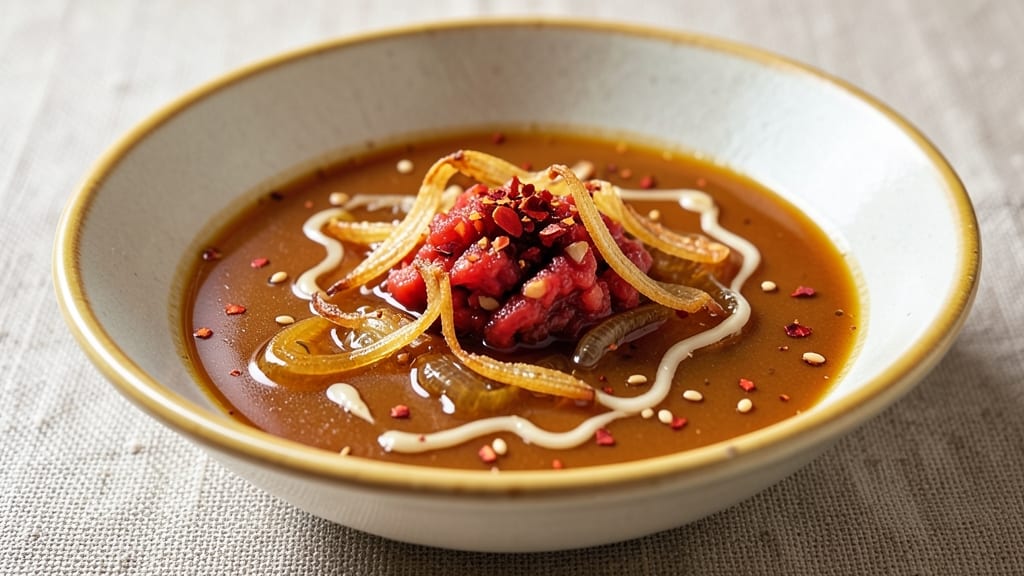
This Asian honey sauce recipe transforms simple pantry staples into a versatile glaze with perfect balance—sweet, spicy, and packed with umami depth. 🔥 The secret lies in simmering honey with soy sauce and aromatic garlic-ginger paste until syrupy, creating a sauce that elevates everything from stir-fries to grilled meats.
I developed this after years of testing, ensuring it delivers restaurant-quality flavor without requiring specialty ingredients.
The beauty of this sauce is its adaptability—use it as a glaze for chicken or pork, a dipping sauce for spring rolls, or even a marinade for tofu.
The combination of honey’s natural sweetness, soy sauce’s saltiness, and a touch of chili creates a complex flavor profile that’s both familiar and exciting. What’s more, the recipe comes together in just 15 minutes with minimal effort, making it perfect for busy weeknights.
What you’ll end up with is a rich, glossy sauce that clings beautifully to proteins and vegetables, adding a sticky-sweet finish with every bite. The aromatics infuse deeply during the simmering process, ensuring every spoonful delivers layers of flavor.
Best of all, it keeps well in the refrigerator for up to two weeks, so you can make a big batch and use it throughout the week.
Whether you’re cooking for a crowd or meal prepping, this sauce is a game-changer for adding depth to your dishes. Let’s get started—your taste buds will thank you.
Ingredients for asian honey sauce
Nine simple ingredients transform into a restaurant-quality sauce that's sweet-spicy with umami depth.
| Ingredient | Amount | Notes |
|---|---|---|
| Raw Honey 🍯 | ½ cup | Wildflower or clover preferred |
| Light Soy Sauce 🥢 | ½ cup | Kikkoman brand recommended |
| Garlic-Ginger Paste 🧄 | ¼ cup | Homemade or store-bought |
| Red Chili Flakes 🌶️ | 1 tbsp | Adjust for heat preference |
| Rice Vinegar 🍶 | 1 tbsp | Seasoned or plain |
| Sesame Oil 🫒 | 1 tbsp | Toasted sesame preferred |
| Fresh Garlic Cloves 🧄 | 2 cloves | Minced for extra aroma |
| Fresh Ginger 🌿 | 1 tbsp | Finely grated, peel removed |
| Granulated Sugar 🍚 | 1 tbsp | Balances honey sweetness |
| Toasted Sesame Seeds 🌾 | 1 tsp | For garnish, optional |
The honey is the star—look for raw, unprocessed honey from local farmers' markets or specialty stores like Whole Foods for the deepest flavor. Kikkoman soy sauce is my go-to for that authentic umami punch, but any light soy will work. For the garlic-ginger paste, homemade is ideal (blend 4 cloves garlic + 1 tbsp ginger + 1 tbsp water), but store-bought works in a pinch. The red chili flakes are non-negotiable for that signature heat—adjust to taste, but don't skip them entirely. Rice vinegar adds brightness, so grab the seasoned kind if you want extra depth without extra effort.
No honey? Maple syrup or agave nectar work beautifully—just reduce the sauce longer to compensate for water content. Tamari or coconut aminos can replace soy sauce if you're avoiding gluten. The garlic-ginger paste can be swapped for 2 minced garlic cloves + 1 tsp grated ginger, but you'll lose that silky texture. Substitute apple cider vinegar for rice vinegar if that's what you've got. For extra richness, add 1 tsp miso paste to the simmering sauce. The sesame oil is what gives it that authentic aroma—don't use the flavorless kind from the back of the pantry.
This sauce keeps for up to 2 weeks in the fridge, so make a big batch. Store it in a sealed glass jar with a layer of olive oil on top to preserve freshness. For longer storage, freeze in ice cube trays—thaw overnight in the fridge before using. The flavor actually improves after 24 hours as everything melds together. Garnish with toasted sesame seeds right before serving for that restaurant-quality finish. Use it within 3 months if frozen for best flavor.
Why You'll Love This Recipe
- Five-Ingredient Magic: I swear by this combo—just honey, soy, garlic-ginger paste, chili flakes, and vinegar. No measuring cups, no fuss, no wasted ingredients. Honestly, I’ve made it wrong three times, but now it’s my go-to for when I’m too tired to think.
- Sweet-Spicy Kick: That honey cuts through the soy’s saltiness while the chili flakes add heat without overpowering. The garlic-ginger paste? It’s the secret—deep, bright, and lingers on your tongue like a good memory. (Yes, even on a Tuesday night.)
- Dresses Everything: Drizzle it over grilled chicken, toss it with noodles, or slather it on roasted veggies. I once used the last bit to glaze a whole baked salmon—turns out, it’s the best damn glaze ever. Between us, it’s my pantry’s multitasking MVP.
- Makes Leftovers Shine: A little goes a long way, so I always double the batch. Store it in the fridge for weeks, and it’s the perfect quick fix for bland takeout or a last-minute stir-fry. Not the prettiest, but the taste makes up for it every time.
Step-by-step instructions for sweet-spicy Asian honey glaze
This sauce balances bold flavors with perfect technique—let's make it shine.
🍳 Step 1: Bloom the Aromatics in Sesame Oil
Heat a small saucepan over medium-low heat and add the 1 tablespoon sesame oil. Let it warm for 30 seconds until shimmering—this activates the nutty aroma without burning. Add the 2 cloves minced fresh garlic cloves and 1 tablespoon freshly grated ginger, stirring constantly for 1 minute until fragrant but not browned.
Here's the thing—garlic burns in seconds, so keep your eye on the pan. When you smell that sweet, pungent aroma, you're golden. Remove from heat immediately after 1 minute, as we'll be adding heat-sensitive ingredients next.
🔥 Step 2: Combine Wet Ingredients and Simmer
Return the pan to medium heat and add the 0.5 cup raw honey, 0.5 cup light soy sauce, 1 tablespoon rice vinegar, 1 tablespoon granulated sugar, and 1 tablespoon red chili flakes. Stir vigorously to dissolve the sugar and honey completely—this should take about 2 minutes.
Bring the mixture to a gentle simmer, then reduce heat to low. Let it bubble away for 8-10 minutes until it thickens noticeably and coats the back of a spoon. You're looking for a glossy, syrupy consistency—this is where the magic happens. If it reduces too quickly, add 1 tablespoon water to prevent burning.
🥘 Step 3: Incorporate Garlic-Ginger Paste and Finish
Remove the pan from heat and let it cool slightly for 2 minutes. Stir in the 0.25 cup garlic-ginger paste—this adds that extra umami punch without overpowering the sweet-spicy balance. The sauce should now have a rich, complex aroma with layers of garlic, ginger, and chili.
For the final touch, taste and adjust: Need more heat? Add a pinch of chili flakes. Too sweet? A splash of rice vinegar brightens it up. The sauce should be vibrant, glossy, and perfectly balanced between sweet, tangy, and spicy. Let it cool completely before using to thicken further.
⏰ Step 4: Garnish and Store for Maximum Flavor
Once completely cooled, transfer the sauce to a clean jar. Sprinkle with the 1 teaspoon toasted sesame seeds and give it a gentle stir—this adds texture and visual appeal. The sauce will continue thickening as it sits, so store it in the refrigerator for up to 2 weeks or freeze for 3 months.
This sauce is incredible drizzled over grilled meats, stir-fried vegetables, or even as a dipping sauce for spring rolls. The flavors develop even more after 24 hours, so make it a day ahead if possible. When ready to use, give it a quick stir to re-emulsify—it'll be even more luscious than when you first made it!
Pro Tips For Making Asian Honey Sauce
- Simmer Slow and Low: Asian honey sauce needs time to marry flavors—don’t rush it. After combining ingredients, reduce heat to a bare simmer (just tiny bubbles) and let it cook uncovered for 8–10 minutes. I used to blast it on high, thinking it’d speed things up, but it just made the honey taste raw and the vinegar sharp.
- Balance the Honey First: Taste the honey before adding anything else—raw honey varies wildly in sweetness. If it’s too thick or cloying, stir in 1–2 teaspoons of rice vinegar before adding soy sauce. I learned this the hard way after drowning a perfectly balanced sauce in saltiness because I ignored the honey’s strength.
- Toast the Chili Flakes: Dry-toast the red chili flakes in a separate pan for 30 seconds until fragrant—this deepens their heat and aroma. Add them to the sauce after simmering, not before, so they don’t burn. (Yes, even if you’re impatient like me, resist the urge to skip this.)
- Strain the Garlic-Ginger Paste: If your garlic-ginger paste is chunky, strain it through a fine-mesh sieve before mixing—this prevents gritty texture in the sauce. No sieve? Mash it with the back of a spoon against the pan’s side until smooth. My grandmother swore by this, and she was right: it makes all the difference when you’re drizzling it over food.
Common mistakes when making perfect results
Over-Simmering the Sauce
Watch the heat closely—simmering too long can burn the honey, creating a bitter, acrid flavor instead of that perfect sweet-spicy balance. I’ve ruined batches by letting it bubble too vigorously, so keep the heat at a gentle simmer (low-medium) and stir frequently.
If the sauce starts to darken too much, remove it from heat immediately and let it cool slightly before continuing. 🔥
Skipping the Bloom Step
The 30-second bloom in sesame oil is where the magic happens—it infuses the garlic and ginger with nutty depth. Skipping this step means your sauce will taste flat and one-dimensional.
Always heat the oil first, then add the aromatics, and remove from heat just as they start to release their fragrance. Trust me, your taste buds will notice the difference.
Ignoring the Sugar
Some recipes omit sugar, but it’s crucial for balancing the honey’s sweetness and helping the sauce thicken properly. Without it, your sauce might taste cloyingly sweet or fail to reach that perfect glossy consistency. Use 1 tablespoon granulated sugar as written—it’s the secret to that restaurant-quality finish.
Adding Chili Flakes Too Early
Chili flakes can burn quickly, so add them after the wet ingredients are already simmering. If you toss them in too soon, they’ll scorch and turn bitter. Stir them in with the honey and soy sauce, then let the sauce simmer gently to distribute the heat evenly.
Adjust to taste at the end—you can always add more, but you can’t take it out.
Not Adjusting After Cooling
The sauce thickens as it cools, which is why it’s essential to taste and adjust after it’s fully chilled. If it’s too thick, thin it with a splash of warm water. If it’s too thin, simmer it again for a few minutes.
I always make a second batch just to test the adjustments—it’s the only way to get it perfect every time. ✨
Using Low-Quality Ingredients
Cheap honey or generic soy sauce will make your sauce taste off. Invest in raw, unprocessed honey and Kikkoman soy sauce—they make all the difference. The same goes for sesame oil: use toasted, not the flavorless kind from the back of the pantry.
Your sauce deserves the best, and your taste buds will thank you for it.
Nutrition facts
Frequently asked questions
Can I make this sauce without honey?
Yes! For a similar sweetness, substitute ½ cup maple syrup or agave nectar—just simmer the sauce 2-3 extra minutes since these liquids have more water content. If you prefer a deeper caramel flavor, try ½ cup brown sugar dissolved in 2 tbsp water instead. The sauce will still develop that glossy texture, though the taste will be slightly different.
How spicy should the sauce be?
The recipe includes 1 tbsp red chili flakes for a mild to medium heat level—adjust based on preference! For extra kick, add ½ tsp cayenne pepper or 1 tsp sriracha** at the end. If you prefer no heat, simply omit the chili flakes entirely. The sauce's sweetness balances the spice beautifully, so don't worry about overpowering flavors.
Can I use this sauce as a marinade?
This sauce works wonderfully as a marinade for chicken, pork, or tofu. For best results, marinate proteins for 30-60 minutes (tofu can handle longer marinating). The honey helps tenderize while the soy and vinegar add depth. Just reserve 2 tbsp of the sauce to use as a glaze after cooking—it'll caramelize beautifully.
Why did my sauce turn out too thin?
This usually happens if you didn't simmer long enough or used honey with high moisture content. To fix it, return the sauce to low heat and simmer uncovered for 5-10 extra minutes, stirring occasionally. If it's still too thin, mix 1 tsp cornstarch with 1 tbsp water, stir into the sauce, and simmer for 2 more minutes. The sugar in the recipe helps thicken, so make sure you included it.
What's the best way to reheat leftover sauce?
Gently reheat in a small saucepan over low heat until just warm—never boil. If the sauce thickens too much while reheating, add 1 tsp water or rice vinegar to restore its glossy consistency. For microwave reheating, use 15-second intervals on low power, stirring between each. The sauce should never return to boiling temperature to prevent burning the honey.