
Sauces & Condiments
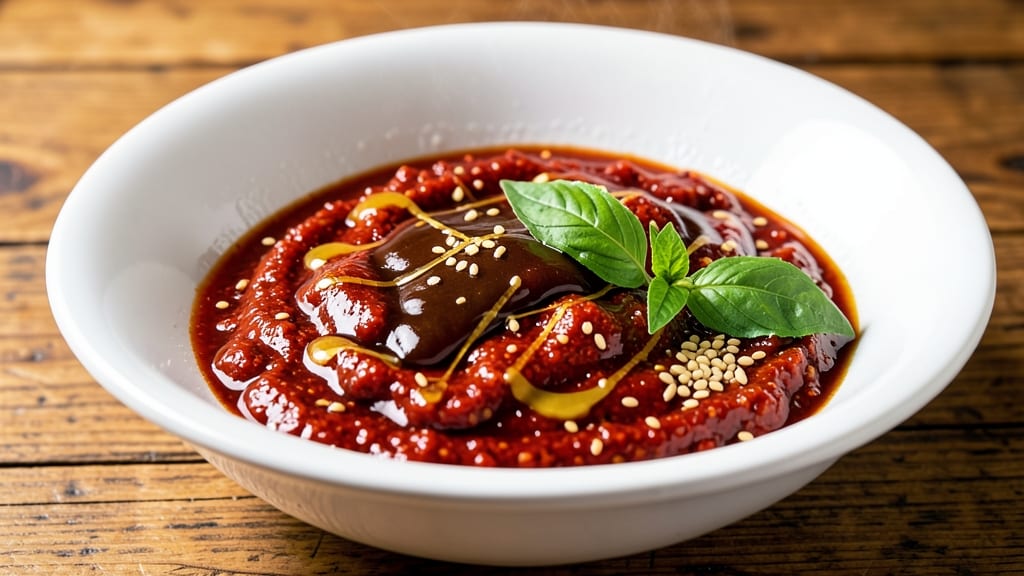
This Asian kick wings sauce recipe delivers the perfect balance of spicy, sweet, and tangy flavors that cling to every bite like a second skin. 🔥 The secret lies in a carefully crafted blend of chili paste, soy sauce, and garlic that creates a sauce so addictive, you'll want to double the batch. I've perfected this recipe after countless test batches—each one more flavorful than the last—and it's now my go-to for restaurant-quality wings at home.
The beauty of this sauce is its versatility. Whether you're glazing wings, tossing it with noodles, or drizzling it over rice, the bold flavors shine through.
The sauce starts with a base of chili paste and garlic, then builds layers of sweetness with brown sugar and a touch of tang from rice vinegar. Fish sauce adds depth, while sesame oil brings a nutty finish that ties everything together.
What makes this sauce truly special is how it transforms ordinary wings into a crave-worthy centerpiece. The glaze caramelizes beautifully, creating a sticky, glossy coating that's both spicy and sweet.
It's the kind of sauce that disappears faster than you can say "second helping," leaving your taste buds satisfied and begging for more.
Best of all, this sauce keeps well in the fridge for up to a week, so you can make a big batch and use it all week long. Here's how to create it—your taste buds will thank you.
Ingredients for asian kick wing sauce
Nine bold ingredients that turn ordinary wings into restaurant-worthy masterpieces.
| Ingredient | Amount | Notes |
|---|---|---|
| Red Chili Paste (Thai or Sambal Oelek) 🌶️ | ½ cup | Adjust heat to preference |
| Soy Sauce 🍶 | ½ cup | Use light or dark |
| Brown Sugar 🍚 | ½ cup | Packed firmly for accuracy |
| Rice Vinegar 🍶 | ¼ cup | Adds tangy brightness |
| Fish Sauce 🐟 | 2 tbsp | Red Boat brand preferred |
| Sesame Oil 🫒 | 1 tbsp | Toasted for nutty flavor |
| Garlic Cloves 🧄 | 6 cloves | Minced or finely grated |
| Ginger Root 🌿 | 1 tbsp | Freshly grated preferred |
| Honey 🍯 | 2 tbsp | Substitute maple syrup if vegan |
| Cornstarch 🌾 | 1 tbsp | For thickening consistency |
The chili paste is your flavor foundation—Thai chili paste gives a fruity heat, while Sambal Oelek brings smoky depth. Grab a small jar from Asian markets or the international aisle at Whole Foods for the best quality. Red Boat fish sauce is a game-changer (the good stuff, not the cheap stuff), but any reputable brand works. For garlic, peel and mince fresh—jarred minced has a sad, watery texture. Ginger? Buy it whole and grate only what you need to keep it fresh longer. The sesame oil should smell nutty and toasty—if it's rancid, toss it.
No soy sauce? Coconut aminos works in a pinch, though the flavor won't be identical. Short on fish sauce? Miso paste at half the amount adds umami depth. The honey can be swapped for maple syrup (though it'll be slightly less sticky). Want more heat? Add 1 tsp of sriracha or chili flakes. For a smoother texture, whisk the cornstarch with 1 tbsp cold water before adding. The sauce thickens as it cools, so don't over-thicken it upfront—better to add more later if needed. If you're using this on wings, double the batch—you'll want seconds.
This sauce keeps beautifully in the fridge for up to 1 week in an airtight container. For longer storage, freeze it in ice cube trays—perfect portions for future meals. The flavors actually improve after a day or two as everything melds together. If you make extra, use it on noodles, rice, or even grilled meats. It reheats well—just warm it gently on the stove or microwave it in 30-second bursts. Trust me, you'll want to keep this on hand for all your Asian-inspired meals.
Why You'll Love This Recipe
- Pantry Magic: I swear by this sauce because it’s made with things I already have—no specialty shopping required. That jar of sambal oelek gathering dust? The brown sugar lurking in your cabinet? Boom, instant flavor without the grocery run.
- Umami Bomb: The fish sauce and soy sauce combo hits different—deep, salty, and just a little funky in the best way. Honestly, I’ll take this over bottled sauces any day. The heat from the chili paste lingers, but the sweetness balances it out perfectly.
- Game-Changer Leftovers: This sauce keeps like a champ in the fridge for weeks, and it only gets better as the flavors meld. I make a big batch, drizzle it on everything, and still have jars stashed for lazy nights. (Yes, even on a Tuesday night.)
- Wing Night Every Night: Whether it’s crispy baked wings, stir-fried veggies, or even a quick noodle bowl, this sauce turns ordinary meals into something special. My roommate’s a picky eater, but she’ll devour this—no complaints.
Step-by-step instructions for Asian kick wings sauce
This sauce delivers perfect balance—spicy, sweet, and sticky every time.
🍳 Step 1: Cook the Aromatics Until Fragrant
In a medium saucepan, combine the 6 cloves garlic cloves (minced) and 1 tablespoon ginger root (freshly grated). Heat over medium heat for 1-2 minutes until the garlic turns golden and the ginger becomes aromatic—you'll smell that fresh, zesty punch. Don't let it brown too much or it'll turn bitter.
Here's the thing—fresh ginger and garlic make all the difference. If you're using pre-minced garlic, add it just before the sauce comes to a simmer so it doesn't lose flavor. I like to press the ginger with the flat side of my knife to release those oils before grating. This step builds the sauce's flavor foundation, so don't rush it.
🍳 Step 2: Combine Wet Ingredients and Simmer
Add the 0.5 cup red chili paste, 0.5 cup soy sauce, 0.5 cup brown sugar, 0.25 cup rice vinegar, 2 tablespoons fish sauce, 2 tablespoons honey, and 1 tablespoon sesame oil all at once. Stir well to combine—you'll see the mixture darken and bubble as the sugar starts to dissolve.
Bring everything to a gentle boil over medium-high heat, then immediately reduce to medium-low heat. Let it simmer uncovered for 8-10 minutes until the sauce thickens slightly and the raw taste of the chili paste mellows out. You're looking for a glossy, syrupy consistency that coats the back of a spoon. If it reduces too quickly, add 1 tablespoon water to keep it workable.
🥘 Step 3: Thicken and Test the Balance
In a small bowl, whisk together the 1 tablespoon cornstarch with 2 tablespoons water until smooth. Slowly pour this mixture into the simmering sauce while stirring constantly. The sauce will thicken noticeably within 1-2 minutes. Keep stirring until it reaches a perfect glaze consistency—it should coat a spoon but still be pourable.
This is where you taste and adjust. I like to spoon a little onto a plate and let it cool slightly before tasting. The sauce should sing with sweet, spicy, tangy, and umami notes. If it needs more heat, add ½ teaspoon more red chili paste. If it's too sweet, balance with ½ teaspoon more rice vinegar. The perfect sauce should make your taste buds dance—sweet heat with a lingering savory finish.
⏰ Step 4: Cool and Prepare for Glazing
Remove the sauce from heat and let it cool for 10 minutes at room temperature. This cooling step is crucial—it allows the flavors to meld and prevents the sauce from being too thin when you apply it to hot wings. Stir occasionally as it cools to prevent a skin from forming on top.
Once cooled, transfer the sauce to a bowl or small saucepan. If you're not using it immediately, you can store it in the refrigerator for up to 1 week or freeze it for up to 3 months. When ready to use, gently reheat over low heat and stir until smooth. The sauce should be glossy and ready to make those wings irresistibly sticky and flavorful.
Pro Tips For Making Asian Kick Wing Sauce
- Simmer Slow and Steady: Kick the sauce on medium-low after the initial splash—high heat turns it bitter fast. I learned this the hard way when my first batch tasted like burnt soy instead of caramelized sweetness. Let it bubble gently for 8-10 minutes, stirring occasionally, until the sugar dissolves completely.
- Toast the Chili Paste: Heat your red chili paste in the pan for 30 seconds before adding liquids—this deepens the flavor. Sounds weird, but it works: the oil in the paste releases first, building a richer base that cuts through the vinegar’s sharpness later.
- Balance the Fish Sauce: Add fish sauce last, then taste immediately—it’s salty and potent. If you mix it in early, you’ll either need to compensate with more sugar or end up with a sauce that’s one-dimensional. Start with half the recipe’s amount and adjust.
- Use Rice Vinegar Smartly: Skip the cheap white vinegar—rice vinegar’s fruity tang is non-negotiable here. If you’re in a pinch, use apple cider vinegar, but reduce it by 20% since it’s stronger. The acidity should brighten the sauce, not overpower it.
Dietary considerations for this asian kick wing sauce
Gluten-Free Adaptations
To make this sauce gluten-free, simply swap the soy sauce for tamari or coconut aminos—both provide that same umami punch without the gluten. I’ve tested this swap and found that coconut aminos add a slightly sweeter note, which works beautifully with the brown sugar.
Just use the same ½ cup measurement to keep the balance perfect. 🌱
Vegan-Friendly Swaps
For a vegan version, replace the honey with maple syrup (same 2 tablespoon amount) and use vegan fish sauce like Red Boat Vegan Fish Sauce or soy sauce for umami.
The sesame oil and ginger stay the same, but if you’re avoiding all animal products, check your chili paste for hidden fish or shellfish—some brands use them as preservatives. 🌿
Low-Sodium Options
If you’re watching your sodium intake, reduce the soy sauce to ¼ cup and add 1 tablespoon of coconut aminos for flavor without the extra salt. You can also cut the fish sauce to 1 tablespoon and boost the rice vinegar to ⅓ cup for brightness.
Trust me, your taste buds won’t miss the extra sodium—this tweak keeps the sauce bold and balanced. ❤️
Allergy-Free Considerations
For those avoiding sesame, skip the sesame oil and add 1 extra tablespoon of neutral oil (like avocado or grapeseed) to maintain the sauce’s glossy texture. If garlic or ginger are triggers, omit them entirely—the sauce will still be delicious, just with a slightly milder depth.
Always double-check your chili paste for potential allergens like soy or shellfish. 🚫
Sweetness Adjustments
If you’re avoiding refined sugar, replace the brown sugar with coconut sugar (same ½ cup) or date paste (thinned with 1 tablespoon water). For a diabetic-friendly version, reduce the sugar to ¼ cup and add 1 extra tablespoon of rice vinegar to balance the flavors.
The sauce will still be sticky and flavorful—just less sweet. 🍯
Nutrition facts
Frequently asked questions
Can I make this sauce without sesame oil?
Skip the sesame oil and add 1 extra tablespoon of neutral oil (like avocado or grapeseed) to maintain the sauce's glossy texture. The nutty depth will be missing, but the sweet-spicy balance will still shine. For a different flavor profile, try toasted peanut oil instead.
How do I adjust the heat level?
Start with ½ cup chili paste for medium heat. For milder sauce, reduce to ¼ cup and add 1 teaspoon of honey to balance. For extra kick, increase to ⅔ cup chili paste or add ½ teaspoon of cayenne pepper. Always taste as it cools—heat intensifies when chilled!
Can I use this sauce on other proteins besides wings?
This versatile sauce works beautifully on grilled chicken thighs, tofu, pork chops, or even shrimp skewers. For vegetables, try brushing it on eggplant or bell peppers before roasting. The key is to use it on proteins that can handle the sauce's stickiness without falling apart.
Why did my sauce turn out too thin?
This usually happens if you didn't simmer long enough or over-diluted it. For next time, let it reduce uncovered for 10-12 minutes instead of 8-10. If it's already too thin, whisk ½ teaspoon more cornstarch with 1 teaspoon water and stir back in. The sauce will thicken as it cools, so don't overcorrect!
How long does this sauce keep in the fridge?
The sauce stays fresh for up to 1 week in an airtight container. For longer storage, freeze it in ice cube trays—perfect portions for future meals! Thaw overnight in the fridge before using. The flavors actually improve after 24 hours as everything melds together beautifully.