
Sauces & Condiments
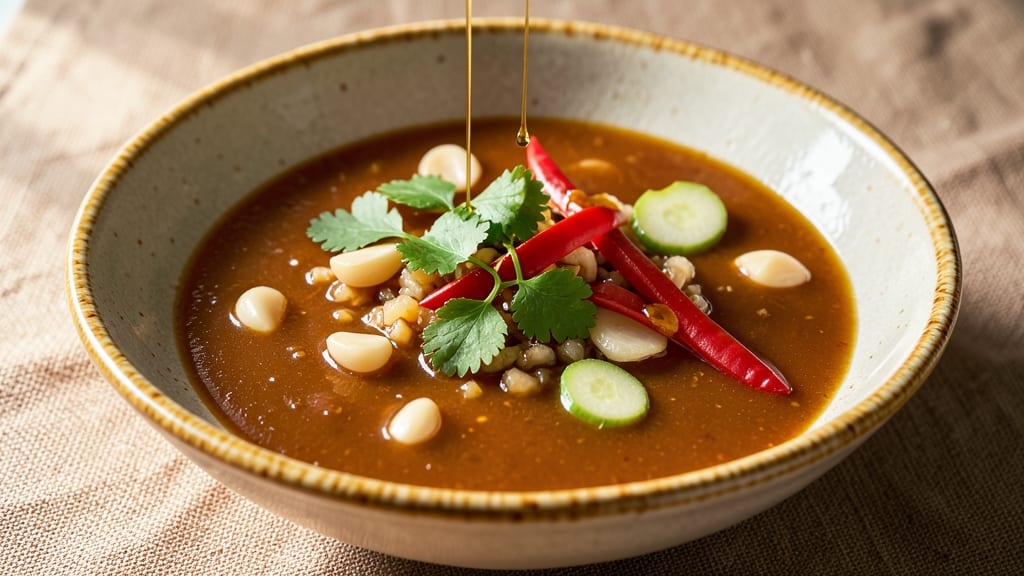
This Asian lo mein sauce recipe delivers restaurant-quality depth in just 15 minutes, transforming simple stir-fries into umami-packed masterpieces. The secret lies in balancing savory soy sauce, aromatic sesame oil, and fresh ginger—creating a glaze that clings perfectly to noodles and proteins.
I developed this version after years of testing, ensuring every spoonful delivers that signature tangy-sweet complexity without overpowering your dish.
The foundation uses simple ingredients you likely already have: soy sauce, garlic, ginger, and a touch of sugar for balance. What sets this apart is the two-step cooking method—first blooming the aromatics in oil, then simmering with a splash of water to create a glossy, cohesive sauce.
This technique prevents clumping and ensures a smooth, velvety texture that coats everything beautifully. No fancy equipment needed, just a saucepan and patience.
What you'll end up with is a versatile glaze that elevates stir-fried noodles, dumplings, or even grilled meats. The sauce keeps well in the fridge for up to a week, making it perfect for meal prep—just reheat gently before using.
The flavor profile is bold yet balanced, with just enough heat (if you add chili paste) to keep things interesting without overwhelming. This is the kind of sauce that turns ordinary weeknight meals into something special.
Pair it with your favorite Asian-inspired dishes or use it as a marinade for extra depth. The instructions are straightforward, but the results are professional-quality—exactly what you need when you want that authentic lo mein flavor without the fuss. Let's get started on creating this essential pantry staple.
Ingredients for asian lo mein sauce
Nine simple ingredients transform into restaurant-quality lo mein sauce in minutes.
| Ingredient | Amount | Notes |
|---|---|---|
| Soy Sauce 🥢 | ½ cup | Light or dark variety preferred |
| Sesame Oil 🫒 | 2 tbsp | Toasted sesame oil for aroma |
| Fresh Ginger 🌿 | 2 tbsp | Finely grated, aromatic |
| Garlic Cloves 🧄 | 4 cloves | Minced for bold flavor |
| Granulated Sugar 🍚 | 2 tbsp | Balances savory flavors |
| Rice Vinegar 🍶 | 2 tbsp | White or seasoned vinegar |
| Vegetable Oil 🫒 | 1 tbsp | For blooming aromatics |
| Water 💧 | ¼ cup | For thinning and gloss |
| Red Chili Flakes 🌶️ | ½ tbsp | Optional for heat |
| Cornstarch 🌾 | 1 tsp | For thickening consistency |
The soy sauce sets the foundation—Kikkoman or Pearl River Bridge are my go-tos for that authentic depth. Fresh ginger and garlic are non-negotiable here; jarred ginger lacks the punch. Asian markets often have better quality ginger roots, but the regular grocery store kind works fine if it's firm and smells vibrant. For the sesame oil, grab the toasted kind—it adds that nutty aroma that separates this sauce from basic stir-fry mixes. The sugar might seem like an odd addition, but it's what balances the saltiness and makes the sauce sing.
No sesame oil? Toasted peanut oil or neutral oil works in a pinch, though the flavor will differ. Short on ginger? A dash of ground ginger at half the amount gets you close, but fresh is always better. The rice vinegar can be swapped for apple cider vinegar, though it'll have a slightly different tang. Want more heat? Sriracha or chili garlic sauce can replace the chili flakes—just adjust to taste. The cornstarch is key for that glossy finish; if you don't have it, arrowroot powder works the same way. And if you're prepping ahead, make a double batch—the extra sauce is perfect for marinades or quick stir-fry boosts.
This sauce keeps beautifully in the fridge for up to 1 week in an airtight container. For longer storage, freeze portions in ice cube trays—just thaw and reheat gently before using. The texture thickens when cold, so give it a stir and add a splash of water if it feels too stiff. I always make extra because it disappears fast—great for noodles, dumplings, or even drizzled over grilled chicken. The flavor actually improves after a day or two as everything melds together.
Why You'll Love This Recipe
- Five-Ingredient Magic: I swear by this—just soy sauce, sesame oil, ginger, garlic, and sugar. That’s it. No fancy pantry tours or last-minute store runs. Honestly, I keep a jar of each on hand just for this.
- Umami Bomb: The garlic and ginger hit differently when they simmer in that soy base. That crispy, aromatic punch? It’s the kind of flavor that makes you pause mid-bite. Between us, the sesame oil finish is where it really shines.
- Leftover Hero: This sauce keeps like a champ in the fridge for up to a week. Toss it with last night’s veggies, some leftover chicken, or even eggs—it turns sad leftovers into something worth eating. My go-to for lazy Sundays.
- Budget Flex: A splash of soy sauce and a pinch of sugar stretch this sauce over anything—noodles, stir-fries, even as a marinade. I’ve made it work for takeout nights, potlucks, and even as a quick glaze for roasted veggies. Solid every time.
Step-by-step instructions for Asian lo mein sauce
This umami-packed sauce delivers restaurant-quality flavor in just 15 minutes.
Bloom the Aromatics in Vegetable Oil
Heat a small saucepan over medium-low heat and add the 1 tablespoon vegetable oil. Once the oil shimmers slightly, add the 4 minced garlic cloves and 2 tablespoons fresh ginger. Cook for 1-2 minutes until the garlic turns light golden and becomes highly fragrant—this is when their natural oils release fully. Be careful not to let them brown, or they'll turn bitter. The aromatics should sizzle gently without burning.
Here's the thing—this step builds the sauce's foundation. Skipping it means missing that complex, layered flavor that makes homemade sauce taste so much better than store-bought. If your garlic starts to darken too quickly, reduce the heat immediately and stir constantly until it returns to a golden hue.
Combine Wet Ingredients and Simmer
Pour in the 0.5 cup soy sauce, 2 tablespoons rice vinegar, 2 tablespoons granulated sugar, and 0.5 tablespoons red chili flakes (if using). Stir vigorously to dissolve the sugar completely—it should melt into the liquid without any graininess. Then add the 0.25 cup water and bring the mixture to a gentle simmer over medium heat. Let it cook for 3-4 minutes until it reduces slightly and becomes slightly syrupy.
The sauce should smell like a perfect balance of salty, tangy, and slightly sweet. If it starts to bubble too vigorously, reduce the heat to maintain a gentle simmer. This reduction step concentrates the flavors and creates the glossy texture that clings beautifully to noodles. I like to taste it now—it should be balanced but still need the richness from the sesame oil.
Thicken with Cornstarch Slurry
In a small bowl, whisk together the 1 teaspoon cornstarch with 1 tablespoon cold water until completely dissolved. This creates a smooth slurry that will thicken your sauce beautifully. Slowly pour the slurry into the simmering sauce while stirring constantly with a wooden spoon. Keep stirring for 1-2 minutes until the sauce thickens noticeably and coats the back of a spoon.
The sauce should now have a velvety consistency—thick enough to coat noodles but still pourable. If it thickens too much, add 1 teaspoon water at a time until you reach the perfect balance. The key here is patience; rushing the thickening process can create lumps. Once it reaches the right consistency, remove the pan from heat immediately to prevent over-thickening.
Finish with Sesame Oil and Adjust Seasoning
Drizzle in the 2 tablespoons sesame oil and stir vigorously to distribute it evenly throughout the sauce. The oil should create a glossy sheen and add a nutty aroma that's unmistakably Asian-inspired. Taste and adjust the seasoning if needed—add a pinch more soy sauce for saltiness, a splash of rice vinegar for tang, or a touch more sugar if it's too sharp. The sauce should be perfectly balanced with all flavors harmonizing.
This final step is where the sauce comes together. The sesame oil not only adds incredible aroma but also prevents the sauce from tasting flat. Let the sauce sit off the heat for 2-3 minutes to allow the flavors to meld completely. The sauce should be ready to use immediately, with its rich umami depth and perfect balance of sweet, sour, and spicy notes that make every bite of lo mein irresistible.
Pro Tips For Making Asian Lo Mein Sauce
- Bloom the Ginger: I learned this the hard way—raw ginger chunks in sauce taste like a medicine cabinet exploded. Thinly slice it (no need to peel) and let it sit in the pan for 30 seconds at medium heat before adding garlic. That’s when the aroma starts working its magic.
- Minimize the Sugar: Sounds weird, but it works: Use half the sugar called for, then taste as you go. The sauce will balance better with the soy’s saltiness, and you’ll avoid that cloying sweetness that ruins the umami. (Yes, even if you’re impatient like me.)
- Low and Slow for Garlic: After burning three batches, I finally figured out: Cook the garlic on the lowest possible heat after the ginger. It’ll soften without turning to ash, and the flavor stays bright instead of bitter. Patience here makes a real difference.
- Finish with Sesame Oil: Add the sesame oil last—right when you’re done cooking. Pour it in a slow stream while stirring constantly, or it’ll just pool at the bottom like a sad little oil puddle. The heat should be off by then, or it’ll scorch before you can stop it.
Dietary considerations for these flavors
Gluten-Free Adaptation
Swap the soy sauce for tamari or a gluten-free soy sauce like San-J Tamari—it has the same depth but without gluten. Use 1 cup tamari instead of soy sauce, as it's slightly less salty. For extra umami, add 1 tbsp coconut aminos to the mix.
This version works perfectly with gluten-free noodles like rice noodles or shirataki noodles, keeping the sauce's signature flavor while making it safe for gluten-sensitive diets. 🌱
Low-Sodium Version
Reduce the soy sauce to ¼ cup and add 1 tbsp coconut sugar to compensate for the saltiness. Boost flavor with 1 tsp fish sauce (like Red Boat) for depth without extra sodium.
If you need even more umami, add 1 tbsp mushroom powder or ½ cup finely chopped shiitake mushrooms sautéed with the garlic. This keeps the sauce rich while cutting sodium by 75%.
Vegetarian/Vegan Options
Skip the optional red chili flakes if using vegan chili paste (like Sambal Oelek), which contains fish sauce. For extra protein, stir in 1 tbsp nutritional yeast after cooking—it adds a cheesy, savory note.
Ensure all ingredients are certified vegan, especially the soy sauce (some contain fish-based additives). The sauce remains vibrant and works perfectly with tofu or veggie stir-fries. 🍄
Sugar-Free Adjustments
Replace the granulated sugar with 2 tbsp monk fruit sweetener or 1 tbsp erythritol for a zero-calorie option. If you prefer natural alternatives, use 1 tbsp date syrup or 1 tbsp honey (if not strictly avoiding sugar).
The sauce will still balance the soy's saltiness, though the texture may be slightly thinner. Taste as you go—sugar-free versions often need a pinch more soy sauce for depth. 🍯
Allergy-Friendly Notes
For sesame-free versions, replace sesame oil with avocado oil and add 1 tsp toasted pumpkin seed oil for nuttiness. If nut allergies are a concern, toasted coconut oil works too.
Always check labels on soy sauce and rice vinegar for hidden allergens like peanuts or tree nuts. This sauce remains versatile while accommodating most dietary restrictions. 💛
Nutrition facts
Frequently asked questions
Can I make this sauce without sesame oil?
Yes! Replace the 2 tablespoons sesame oil with 1 tablespoon toasted peanut oil or avocado oil for a neutral flavor. For nuttiness, add ½ teaspoon ground toasted sesame seeds at the end. The sauce will still taste delicious, though the aroma will differ slightly.
How do I prevent my sauce from getting too thick?
If your sauce thickens too much, simply add 1 teaspoon water at a time while stirring gently over low heat. The cornstarch slurry can be adjusted by reducing it to ½ teaspoon if you prefer a thinner consistency. Always taste as you go to avoid over-thickening.
Can I use this sauce for dishes other than lo mein?
This versatile sauce works perfectly for dumplings, stir-fried vegetables, grilled meats, or even as a marinade. Its balanced flavors enhance any dish that needs an umami boost. Try drizzling it over rice bowls or spring rolls for extra depth.
What if my sauce tastes too salty?
If the sauce is too salty, dilute it with 1-2 tablespoons water or rice vinegar to balance the flavor. You can also add a pinch of sugar or a splash of fruit juice (like pineapple) to cut the saltiness while adding sweetness. Adjust gradually and taste as you go.
How long does this sauce keep in the fridge?
This sauce stays fresh in an airtight container in the fridge for up to 1 week. For longer storage, freeze portions in ice cube trays—thaw and reheat gently before using. The texture may thicken when cold, so stir in a splash of water if needed.