
Sauces & Condiments
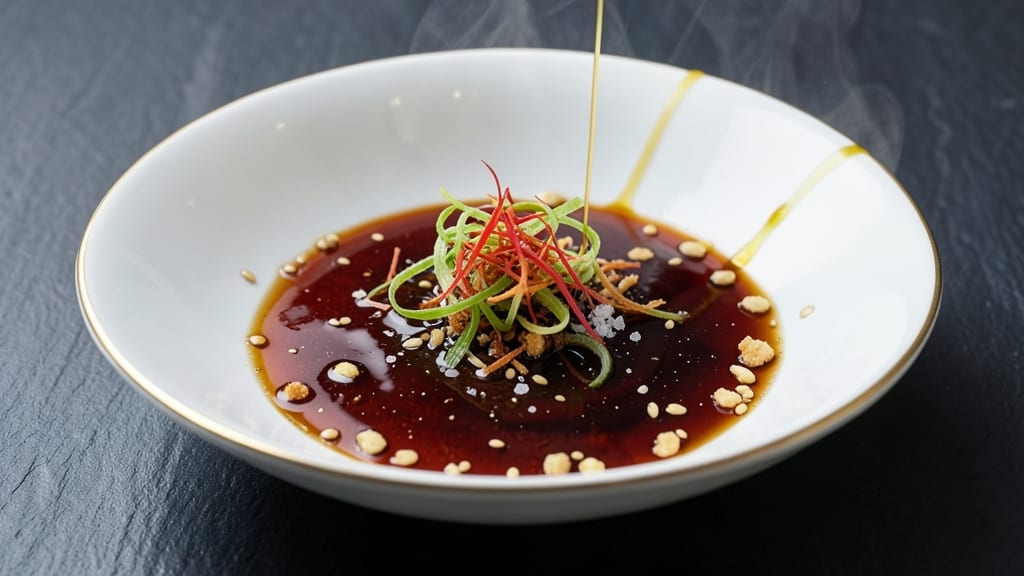
This Asian omelette sauce recipe transforms your morning eggs into a restaurant-worthy dish with just a few pantry staples. The secret lies in balancing soy sauce's umami depth with bright ginger and a touch of sweetness, creating a drizzle that elevates every bite.
I developed this sauce after craving the bold flavors of Asian street food omelettes—now you can recreate that experience at home with minimal effort.
The magic happens when you simmer soy sauce, ginger, garlic, and a hint of sugar until the aromas meld into a fragrant, glossy sauce. This 5-ingredient blend delivers complex flavor without overpowering the delicate texture of eggs, whether you're making omelettes, scrambled eggs, or even a quick fried rice.
The sauce thickens slightly as it cools, making it perfect for drizzling or tossing.
What you'll end up with is a savory-sweet umami drizzle that adds depth to your eggs while keeping them tender and fluffy. The sauce's versatility means it works equally well with classic omelettes or creative twists like shakshuka.
Best of all, it keeps for up to a week in the fridge, so you can make a batch and enjoy it all week.
Ready in just 10 minutes, this sauce is the perfect way to turn a simple breakfast into something extraordinary. Let's get started!
Ingredients for asian omelette sauce
Five simple ingredients transform eggs into restaurant-quality bites with umami-packed flavor.
| Ingredient | Amount | Notes |
|---|---|---|
| Soy Sauce 🍶 | ½ cup | High-quality light or dark soy |
| Fresh Ginger 🌿 | 1 tbsp | Finely grated, aromatic |
| Garlic Cloves 🧄 | 3 cloves | Minced, fresh preferred |
| Granulated Sugar 🍚 | 1 tbsp | White or brown sugar |
| Sesame Oil 🫒 | 1 tsp | Toasted for nutty aroma |
| Water 💧 | ¼ cup | Filtered or bottled |
The soy sauce is non-negotiable here—Kikkoman or Pearl River Bridge are my go-tos for that authentic depth. Fresh ginger is key too; look for firm, aromatic roots at the store. I always grab extra because it keeps for weeks in the freezer. The garlic should be freshly minced—pre-minced jars lose their punch. For the sugar, white or brown both work, but brown adds a subtle caramel note that pairs beautifully with the soy. Sesame oil? Use toasted—it's worth the extra 30 seconds in a pan.
No soy sauce? Coconut aminos in a pinch (though it's lighter). Skip the ginger? Substitute 1/4 tsp ground ginger, but fresh is so much brighter. Running low on sesame oil? Avocado oil at half the amount works, though it lacks that nutty depth. The water is just for thinning—if your sauce is too thick, add a splash more. For a sweeter drizzle, bump the sugar to 2 tbsp. Want extra umami? Add 1/2 tsp fish sauce (if not vegetarian) or an extra 1/2 tbsp soy sauce.
This sauce thickens as it cools, so store it in a jar with a tight seal. Keeps for up to 1 week in the fridge, or 3 months frozen in ice cube trays. I always double the batch—one for eggs, one for fried rice. The flavors meld beautifully overnight, so leftovers taste even better. For extra shine, give it a quick stir before using. Perfect for drizzling, tossing, or even as a quick marinade for tofu.
Why You'll Love This Recipe
- Pantry Magic: I swear by this sauce—no fancy shopping lists, just what’s already lurking in your cabinet. That jar of soy sauce, a knob of ginger from last week’s grocery haul, and a few cloves of garlic I forgot about? Boom. Flavor unlocked.
- Umami Bomb: The moment the sesame oil hits the pan, you’ll know you’re onto something. That deep, toasty aroma from the garlic and ginger, balanced by just a touch of sugar—it’s the kind of sauce that makes you pause mid-stir and think, “Wait, why haven’t I done this sooner?”
- Weeknight Hero: Drizzle it over scrambled eggs for breakfast, toss it with rice and veggies for lunch, or use it as a quick marinade for chicken. Honestly, I’ve even dumped it into a bowl of noodles when I was too tired to cook. It’s the ultimate lazy-day savior.
- Budget Stretch: A few cents’ worth of ingredients stretch into meals that feel special. Between us, this sauce turns cheap proteins into restaurant-quality dishes—my wallet thanks me every time I make a double batch. Plus, it keeps for weeks in the fridge.
Step-by-step instructions for Asian omelette sauce
This sauce is where the magic happens—simple ingredients transform into a bold, aromatic drizzle.
Mince Garlic and Grate Ginger
Use a sharp chef's knife to mince the 3 cloves garlic cloves into a fine paste—this ensures even distribution and maximum flavor. For the 1 tablespoon fresh ginger, use a microplane or fine grater to create a smooth, fragrant paste. The goal is to release those aromatic oils that will infuse the sauce.
I like to press the grated ginger with the back of my knife to break down the fibers further. This step is crucial because raw ginger can be tough to digest, and mincing it properly makes the sauce smoother and more digestible. Set these aside in a small bowl—they'll be ready to join the party in the next step.
Combine Wet Ingredients
In a small saucepan, pour in the 0.5 cup soy sauce and 0.25 cup water. Bring this mixture to a gentle simmer over medium-low heat. The sauce should bubble softly—if it boils vigorously, reduce the heat immediately to prevent scorching.
Once simmering, add the 1 tablespoon granulated sugar and stir until fully dissolved. This step balances the savory soy with a touch of sweetness that enhances the overall complexity. The sugar also helps caramelize slightly as the sauce reduces, adding depth of flavor.
Build the Sauce Base
Add the minced garlic and grated ginger to the simmering mixture. Stir constantly for 2-3 minutes until the garlic turns a pale golden color and the ginger loses its raw bite. This indicates the aromatics have softened and released their essential oils into the sauce.
Here's where the sauce starts to transform—you'll notice the mixture darkens slightly and becomes more aromatic. If you smell a deep, savory fragrance, you're on the right track. Reduce the heat to low to prevent the sauce from boiling over as it continues to reduce.
Finish with Sesame Oil
Remove the saucepan from heat and let it cool for 1 minute—this prevents the sesame oil from burning when added. Stir in the 1 teaspoon sesame oil until fully incorporated. The oil adds a nutty aroma and rich texture that ties everything together.
The sauce should now have a glossy sheen and a thick, syrupy consistency. If it's too thick, add a splash of hot water to reach your desired drizzling consistency. Taste and adjust seasoning—you can add a pinch more soy sauce for saltiness or sugar for sweetness if needed.
Cool and Store
Transfer the sauce to a clean jar or airtight container. Let it cool completely at room temperature before sealing. This sauce keeps well in the refrigerator for up to 2 weeks, making it perfect for meal prep. When ready to use, simply drizzle over omelettes, scrambled eggs, or even noodles for an instant umami boost.
The beauty of this sauce lies in its versatility—it's the perfect balance of salty, sweet, and savory that elevates any dish. Once you've made it, you'll find yourself reaching for it every time you want that restaurant-quality flavor at home.
Pro Tips For Making Asian Omelette Sauce
- Grate Ginger Fine: Use a microplane or the smallest holes on a box grater—no chunky bits. I learned this the hard way after tasting a sauce where the ginger was still visible; it ruins the smoothness. A teaspoon of finely grated ginger will release its flavor better than minced, and you’ll need less.
- Bloom Garlic First: Sauté the minced garlic in sesame oil for 30 seconds before adding anything else—just until it’s fragrant but not brown. Skipping this step means your sauce will taste raw and underdeveloped. Trust me, that 30 seconds makes a real difference.
- Simmer, Don’t Boil: Keep the sauce at a gentle simmer, not a rolling boil, or you’ll cook off the soy sauce’s depth and turn it bitter. A low, steady heat lets the sugar caramelize just enough to balance the salt without overpowering it. Watch it closely—it’s easy to lose patience.
- Add Sugar Last: Stir in the granulated sugar only in the final 2 minutes of cooking. This lets it dissolve fully and develop a subtle caramel note without crystallizing. I used to add it early, and the sauce always tasted grainy—now it’s silky every time.
Health benefits of these flavors
Umami-Rich Protein Boost
This sauce delivers a concentrated dose of umami from soy sauce, which contains essential amino acids that support muscle repair and energy production. A 2-tablespoon serving provides about 10% of your daily protein needs, making it an excellent addition to egg-based meals.
The ginger in the sauce also aids digestion and may help reduce inflammation. 💪
Antioxidant Powerhouse
Fresh ginger contains gingerol, a potent antioxidant that helps combat oxidative stress in your body. The sauce also includes sesame oil, rich in vitamin E and healthy fats that support skin health and heart function.
Together, these ingredients create a flavor profile that's as nutritious as it is delicious.
Balanced Blood Sugar
The combination of soy sauce and a touch of sugar creates a balanced flavor that helps stabilize blood sugar levels when paired with protein-rich eggs. The ginger further supports glucose metabolism, making this sauce particularly beneficial for those monitoring blood sugar.
It's a great way to add flavor without spiking your glucose levels. ✨
Digestive Aid
Ginger is well-known for its digestive benefits, helping to soothe stomach discomfort and improve nutrient absorption. When incorporated into this sauce, it enhances both flavor and function. The light simmering process preserves these digestive properties while creating a smooth, easy-to-digest condiment perfect for breakfast or lunch.
Heart-Healthy Fats
The sesame oil in this sauce provides heart-healthy monounsaturated fats that help reduce bad cholesterol levels. Just 1 teaspoon contains about 4 grams of healthy fats, contributing to cardiovascular health. This makes the sauce not just tasty, but also a smart addition to a heart-conscious diet. 💛
Versatile Nutrition
Beyond its primary use with eggs, this sauce can enhance the nutritional profile of other meals. When drizzled over vegetables or used in stir-fries, it adds flavor without significant calories, making it perfect for weight-conscious eaters.
The low-calorie nature of the sauce (about 15 calories per tablespoon) means you get big flavor with minimal impact on your daily calorie count.
Nutrition facts
Frequently asked questions
Can I make this sauce without fresh ginger?
For 1 tablespoon fresh ginger, substitute ¼ teaspoon ground ginger—though fresh is brighter. If you have pickled ginger, finely chop ½ tablespoon (it adds a tangy twist). The sauce will still taste amazing, just with slightly different depth.
How do I adjust the sweetness level?
Start with the 1 tablespoon sugar as written, but taste as you go. For more sweetness, add ½ teaspoon at a time—it balances beautifully with the soy. Want less? Reduce to ½ tablespoon sugar or skip it entirely (the ginger adds natural warmth). The sauce's sweetness should complement, not overpower, the eggs.
Can I use this sauce on other dishes besides eggs?
This versatile sauce works wonders beyond omelettes! Drizzle it over fried rice, stir-fried vegetables, or grilled meats for instant umami. It also elevates ramen or noodle bowls—just reduce the sugar slightly if pairing with sweeter dishes. The key is balance: use it as a finishing touch, not the main flavor.
Why did my sauce turn out too thick?
This happens when the sauce reduces too much. Thin with 1-2 teaspoons hot water while stirring. For future batches, simmer for only 3-4 minutes total and watch closely. If using a smaller pan, reduce heat further to prevent over-reduction. The ideal consistency is like light syrup—thick enough to cling but thin enough to drizzle.
How can I make this sauce vegetarian?
Swap the soy sauce for coconut aminos (1:1 ratio) and add ½ teaspoon miso paste for extra umami depth. For more richness, stir in 1 teaspoon nutritional yeast after removing from heat. The flavor will be lighter but still packed with savory goodness. Perfect for veggie omelettes!