
Sauces & Condiments
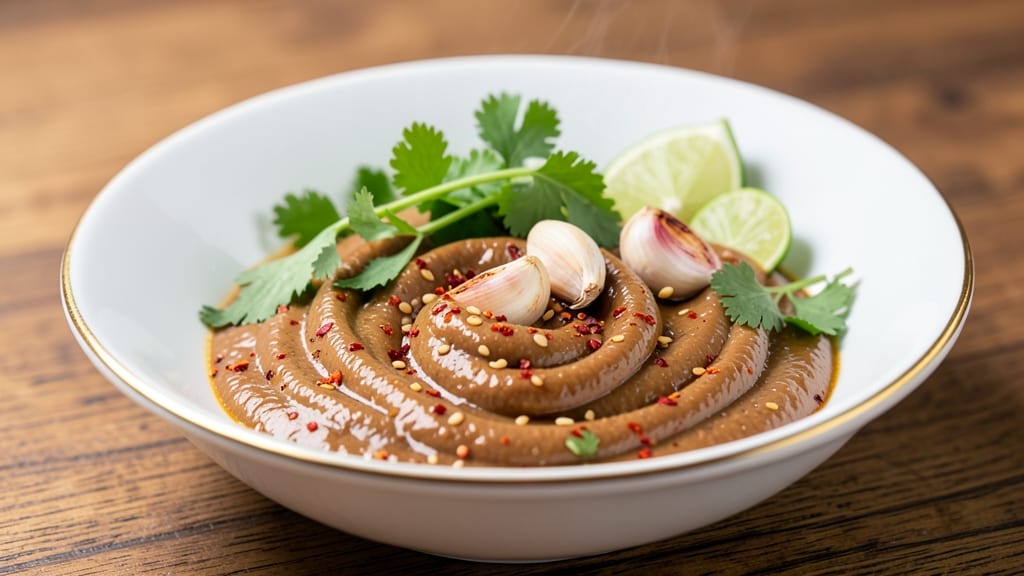
This Asian pesto sauce recipe transforms bold flavors into a versatile condiment that elevates everything from noodles to grilled meats. The nutty sesame and chili heat create a perfect balance of richness and spice, making it a game-changer for quick weeknight meals or restaurant-worthy dishes.
I developed this recipe after craving a sauce that combined the depth of traditional pesto with the vibrant, aromatic profile of Asian cuisine.
What sets this sauce apart is its simplicity—just a handful of ingredients blended together in minutes. Toasted sesame seeds add depth, while chili flakes bring a subtle kick that pairs beautifully with creamy peanut butter or tangy lime.
The sauce keeps well in the fridge for up to a week, so you can make a batch ahead and use it throughout the week for everything from stir-fries to marinades.
The result is a creamy, nutty, and slightly spicy sauce that clings perfectly to noodles, drizzles over grilled proteins, or enhances the flavors of fresh vegetables. It’s the kind of condiment that turns ordinary meals into something extraordinary, all while keeping prep time minimal.
Whether you’re serving it as a dipping sauce, a marinade, or a finishing touch, this Asian pesto sauce delivers restaurant-quality flavor with ease.
Ready to elevate your dishes? This sauce is incredibly versatile—pair it with rice, noodles, or even as a glaze for roasted vegetables. The best part? It’s customizable, so feel free to adjust the spice level or add extra herbs to suit your taste. Let’s make it!
Ingredients for asian pesto sauce
Eight ingredients, bold flavors—this sauce blends creamy peanut, nutty sesame, and zesty lime in minutes.
| Ingredient | Amount | Notes |
|---|---|---|
| Toasted Sesame Seeds 🥜 | ½ cup | Store-bought or toasted fresh |
| Roasted Peanut Butter 🥜 | ½ cup | Creamy or crunchy preferred |
| Fresh Cilantro Leaves 🌿 | ½ cup | Stems removed, packed |
| Garlic Cloves 🧄 | 4 cloves | Peeled, rough chopped |
| Lime Juice 🍋 | ¼ cup | Freshly squeezed |
| Chili Flakes 🌶️ | 1 tbsp | Adjust for heat preference |
| Extra-Virgin Olive Oil 🫒 | ½ cup | High-quality, fruity |
| Soy Sauce 🍶 | 2 tbsp | Light or dark variety |
| Sesame Oil 🫒 | 1 tbsp | Toasted for aroma |
| Salt 🧂 | ½ tsp | Kosher or sea salt |
Sesame seeds are the star here. Trader Joe's has the best toasted variety in bulk, but any store-bought bag works. Toasting your own? Heat them in a dry pan for 2 minutes until golden—worth the extra minute. The peanut butter should be natural, no added oils or sugars. Creamy blends smoother, but crunchy adds texture. Fresh cilantro makes all the difference—no wilted leaves—so grab a bunch and use half here, half for garnish.
No sesame seeds? Sunflower seeds work in a pinch, but toast them longer for depth. Short on peanut butter? Almond butter or tahini bring different richness. Chili flakes too spicy? Swap for half the amount of red pepper flakes. The lime juice can be bottled, but fresh is brighter. Soy sauce? Coconut aminos for gluten-free. Sesame oil adds aroma—don’t skip it—but use sparingly. And if you’re out of garlic, garlic powder at half the amount gets you close.
This sauce keeps for 1 week in the fridge, sealed tight. The peanut butter and sesame oil may separate—just stir before using. For longer storage, freeze in ice cube trays, then transfer to a bag for 3 months. I double the batch and freeze half—perfect for quick stir-fries or marinades later. The flavors meld beautifully overnight, so making it ahead is a must.
Why You'll Love This Recipe
- Five-Ingredient Magic: I swear by this recipe because it’s that simple—just pulse those sesame seeds, peanut butter, cilantro, garlic, and lime in a food processor. No fancy techniques, no stress, and honestly? It’s the kind of sauce where you’ll forget you even cooked.
- Nutty-Lime Zing: The roasted peanut butter adds this rich, toasty depth, while the lime cuts through it like a bright summer breeze. Between us, that combo with fresh cilantro? It’s the kind of flavor that makes you pause mid-bite and think, “Wait, why don’t I do this more?”
- Dresses Up Everything: Slather it on noodles, toss it with grilled chicken, or drizzle it over rice bowls—it’s my go-to for lazy weeknights and when I’m pretending to be fancy for dinner guests. (Yes, even on a Tuesday night.)
Step-by-step instructions for Asian pesto sauce
This sauce comes together faster than you can say "sesame" and delivers bold, nutty flavor with every bite.
Toast the Sesame Seeds and Prepare the Peanut Butter
Heat a dry skillet over medium heat and toast the 0.5 cup toasted sesame seeds for 2-3 minutes until they turn a deeper golden color and release their nutty aroma. Watch them closely—they'll darken quickly. Remove from heat immediately and let cool for 1 minute before transferring to a food processor.
While the sesame seeds toast, take the 0.5 cup roasted peanut butter and give it a quick stir in its jar. If it's been stored in the fridge, let it sit at room temperature for 5 minutes to soften slightly. This ensures the peanut butter blends smoothly without seizing up in the food processor.
Pulse the Base Ingredients Together
Add the toasted sesame seeds and roasted peanut butter to the food processor. Pulse 3-4 times until the mixture is finely chopped but still has some texture—you want visible flecks of peanut butter and seeds. This gives the sauce its signature nutty depth and satisfying bite.
Next, add the 0.5 cup fresh cilantro leaves (stems removed) and the 4 cloves garlic cloves (peeled and roughly chopped). Pulse again 3-4 times until the cilantro is finely chopped but still vibrant green. The garlic should be broken down into tiny pieces—don't over-process or it'll turn bitter.
Add Wet Ingredients and Blend Smoothly
With the food processor running, slowly drizzle in the 0.5 cup extra-virgin olive oil through the feed tube. This gradual addition prevents the sauce from splitting and ensures a silky texture. Scrape down the sides of the bowl with a spatula to incorporate any stubborn bits.
Add the 0.25 cup lime juice, 2 tablespoons soy sauce, 1 tablespoon sesame oil, 1 tablespoon chili flakes, and 0.5 teaspoon salt. Process for 30-45 seconds until the sauce is completely smooth and well combined. Taste and adjust seasoning—add more soy sauce for saltiness, lime juice for brightness, or chili flakes for heat.
Thin and Adjust to Perfection
If the sauce is too thick, add 1-2 tablespoons water at a time while processing until it reaches a pourable consistency—it should coat the back of a spoon smoothly. For a thinner sauce (ideal for drizzling), add up to 2 tablespoons water. For a thicker sauce (perfect for dipping or spreading), skip the water.
Transfer the sauce to a clean jar or bowl and let it sit at room temperature for 10 minutes before serving. This resting time allows the flavors to meld beautifully. The sauce will keep in the refrigerator for up to 5 days, making it perfect for meal prep. Stir before each use to maintain consistency.
Pro Tips For Making Asian Pesto Sauce
- TOAST SEEDS LOW AND SLOW: I learned this the hard way—blasting sesame seeds in a dry pan too hot turns them bitter before they brown. Instead, warm them over medium-low heat, stirring constantly, until they’re golden and smell nutty (about 3-4 minutes). If you’re impatient like me, use a cool skillet and resist the urge to rush.
- PULSE PEANUT BUTTER FIRST: Roasted peanut butter is the game-changer here, but don’t just dump it in raw. Pulse it in the food processor for 10-15 seconds before adding other ingredients—this breaks up clumps and blends it smoother. (Yes, even if it looks weirdly dry at first.)
- STRAIN THE CILANTRO: Fresh cilantro leaves are great, but stems add bitterness and make the sauce gritty. Roughly chop the stems, then strain the leaves through a fine-mesh sieve after pulsing them. It’s extra work, but the texture stays silky—no one likes a pesto with tiny green specks.
- ADD LIME GRADUALLY: Lime juice is the bright star, but too much upfront can curdle the peanut butter. Start with half the juice, taste, then add the rest. If the sauce seems too sharp, balance it with a pinch of salt or a drizzle of coconut milk—trust your taste, not the recipe.
Make-ahead tips for leftovers
Batch Prep Essentials
I always make this sauce in double batches—it’s that good. Store it in glass mason jars with airtight lids (I love Kilner jars for their snug seals). The peanut butter and sesame oil may separate, but a quick stir brings it back together.
For extra convenience, portion into small silicone molds or ice cube trays—freeze, then pop out individual servings for stir-fries or marinades. 🥫
Freezing for Later
Freeze the sauce in 1-tablespoon portions for perfect single-use servings. Spread it thinly on parchment paper, then roll into logs and slice into 1-inch discs before freezing. This method keeps the sauce from absorbing freezer burn.
Label with the date—it stays fresh for up to 3 months. Thaw overnight in the fridge or microwave for 10 seconds to soften. 🧊
Flavor Boosting
Let the sauce rest for 30 minutes before using—this lets the chili heat and nutty flavors meld. For extra depth, add 1 teaspoon of fish sauce (trust me, it balances the sweetness) or a pinch of white pepper for warmth.
If storing, add an extra ½ teaspoon salt to prevent flavor fade. The lime juice will mellow slightly over time, so add a splash of fresh lime before using. 💛
Versatile Uses
This sauce isn’t just for noodles—drizzle it over grilled chicken, toss with cold soba noodles, or use as a marinade for tofu or shrimp. For a quick fix, mix 1 tablespoon sauce with 1 tablespoon honey and brush onto baked salmon before broiling.
The peanut butter adds stickiness, so it clings perfectly to proteins. 🍗
Spice Adjustments
Too spicy? Stir in 1 teaspoon of honey or ½ teaspoon sugar to mellow the heat. Need more kick? Add ½ teaspoon of gochujang (Korean chili paste) or a pinch of cayenne.
For smoky depth, toast 1 teaspoon of smoked paprika in the dry pan with the sesame seeds before blending. Adjust while fresh—flavors intensify after resting. 🌶️
Equipment Shortcuts
No food processor? Use a mortar and pestle for the sesame seeds and garlic, then blend the rest with an immersion blender. If you’re in a rush, chop everything finely with a knife and whisk vigorously with 2 tablespoons of hot water to emulsify.
A mini chopper (like the OXO Good Grips) works great for small batches too. 💡
Nutrition facts
Frequently asked questions
Can I make this sauce without a food processor?
For a quick version, finely chop the sesame seeds, garlic, and cilantro with a knife, then mix with the peanut butter and wet ingredients in a bowl. Use a fork or whisk to blend until smooth. For extra creaminess, add 2 tablespoons hot water while whisking vigorously to help emulsify. A mortar and pestle works well for crushing the garlic and seeds first.
How do I adjust the spice level?
Start with the 1 tablespoon chili flakes as written, but taste before storing. For milder heat, reduce to ½ tablespoon or swap for ½ teaspoon cayenne. Need more kick? Add ½ teaspoon gochujang (Korean chili paste) or a pinch of cayenne. For balance, stir in 1 teaspoon honey or ½ teaspoon sugar to mellow the heat. Adjust fresh—flavors intensify after resting.
What’s the best way to store leftovers?
Store in an airtight container in the fridge for up to 5 days. The peanut butter and sesame oil may separate—just stir before use. For longer storage, freeze in 1-tablespoon portions on parchment paper or in ice cube trays. Thaw overnight in the fridge or microwave for 10 seconds to soften. Label with the date—it stays fresh for 3 months.
Can I use this sauce as a marinade?
Yes! This sauce makes an excellent marinade for proteins like chicken, tofu, or shrimp. Mix 2 tablespoons sauce with 1 tablespoon honey or soy sauce for extra stickiness. Marinate for 15-30 minutes (tofu absorbs quickly, so 15 minutes is enough). For grilled meats, brush on just before cooking to prevent burning. The peanut butter adds richness, so it works beautifully with bold flavors.
Why does my sauce look separated?
Separation happens when the peanut butter and sesame oil aren’t fully emulsified. Stir vigorously with a whisk or fork to recombine. For a smoother texture, blend with 1 tablespoon water while processing. If storing, add an extra ½ teaspoon salt to help stabilize the mixture. The sauce will thicken slightly in the fridge—thin with water if needed before using.