
Sauces & Condiments
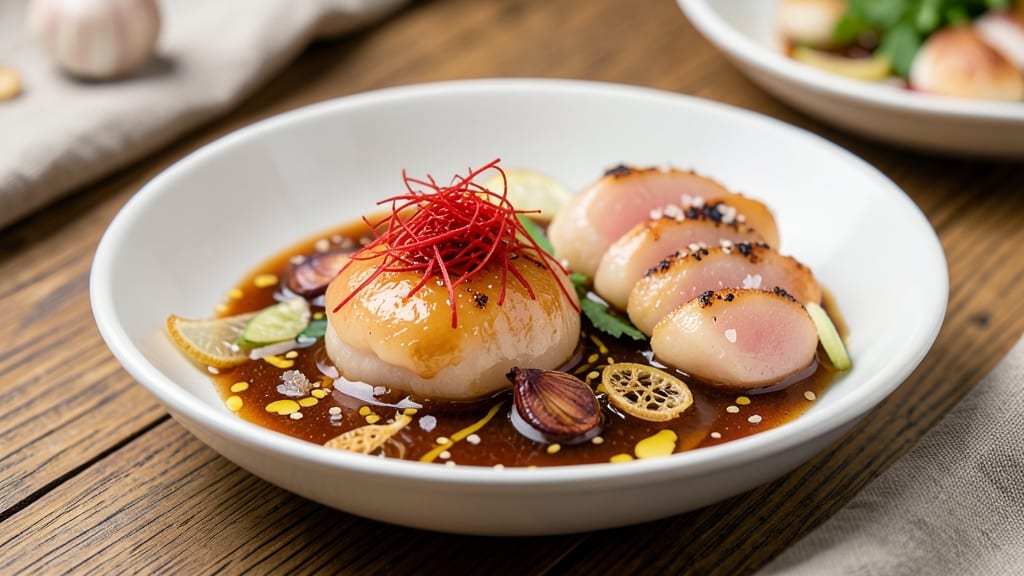
This Asian seafood sauce recipe transforms simple ingredients into a bold, umami-rich condiment that elevates every seafood dish. The perfect balance of fish sauce, lime, and toasted sesame creates a sauce that's tangy, savory, and deeply aromatic—ideal for stir-fries, grilled fish, or noodle bowls.
I've refined this recipe over years of testing, ensuring it delivers restaurant-quality flavor without requiring advanced techniques.
The secret lies in simmering the sauce just until the aromatics deepen, then finishing with toasted sesame oil for that signature nutty aroma. This isn't just a sauce—it's a flavor multiplier that turns basic seafood into a gourmet experience.
The key is patience in balancing the fish sauce's saltiness with the bright acidity of lime, creating a harmony that's both complex and approachable.
What makes this sauce truly special is its versatility—it works as a marinade, stir-fry sauce, or dipping sauce, and keeps well in the fridge for up to two weeks.
The texture is silky yet clings beautifully to proteins, while the toasted sesame finish adds a subtle crunch that enhances every bite. Once you try this, store-bought versions will never measure up again.
Whether you're cooking for a weeknight dinner or preparing for a special occasion, this sauce delivers professional results with minimal effort. The ingredients are simple, but the flavor impact is undeniable—proof that sometimes, the best recipes are the ones that let the ingredients shine.
Let's get started on creating this essential pantry staple.
Ingredients for asian seafood sauce
Ten essential ingredients combine to create a restaurant-quality Asian seafood sauce bursting with umami and citrus brightness.
| Ingredient | Amount | Notes |
|---|---|---|
| Red Fish Sauce 🐟 | ½ cup | Red Boat brand preferred |
| Fresh Lime Juice 🍋 | ⅓ cup | Strained for clarity |
| Toasted Sesame Oil 🫒 | 2 tbsp | Kadoya brand recommended |
| Low-Sodium Soy Sauce 🍶 | ¼ cup | Kikkoman preferred |
| Fresh Ginger 🌿 | 1 tbsp | Finely minced, peeled |
| Garlic Cloves 🧄 | 4 cloves | Minced, aromatic |
| Brown Sugar 🍚 | 2 tbsp | Lightly packed |
| Toasted Sesame Seeds 🌰 | 1 tbsp | For garnish |
| Water 💧 | ½ cup | Filtered preferred |
| Diamond Crystal Kosher Salt 🧂 | ½ tsp | Adjust to taste |
The fish sauce is non-negotiable—Red Boat brand delivers the cleanest, most aromatic profile for this application. You'll find it in the Asian foods aisle at Whole Foods or Asian markets, often near the rice vinegar. Look for bottles labeled 'red' or 'premium' to ensure depth of flavor. Fresh ginger and garlic should be vibrant, with no soft spots or bruising. Kadoya toasted sesame oil adds that signature nutty aroma, and while the cheaper versions work, the flavor difference is noticeable. For sesame seeds, Trader Joe's sells them pre-toasted at a reasonable price, though toasting your own in a dry pan for 30 seconds enhances flavor further.
No Red Boat fish sauce? Three Crabs brand is a solid alternative, though slightly sweeter. Substitute lime juice with lemon juice at half the amount, but expect a slightly less complex flavor profile. For sesame oil, light sesame oil can replace toasted, though the aroma will differ. Brown sugar can be swapped for white sugar or coconut sugar, though brown adds subtle molasses notes that complement the umami. If you're avoiding soy sauce, coconut aminos provide a similar salty depth. Always taste as you go—this sauce is about balance, and adjustments are key to perfection.
This sauce keeps beautifully in an airtight container in the fridge for up to two weeks, with flavor deepening over time. For longer storage, freeze in ice cube trays for up to three months, thawing only what you need. The sesame seeds should be added fresh when serving to maintain their crunch. When using as a marinade, reserve some sauce to deglaze the pan afterward—every drop of flavor counts. The sauce thickens slightly when chilled, so stir well before each use. Professional kitchens often make double batches to ensure they never run out during service.
Why You'll Love This Recipe
- Five-Minute Whisk: I swear, this sauce takes less time than waiting for takeout. Just toss in red fish sauce, lime juice, and ginger—no chopping, no fuss. The toasted sesame oil adds that nutty aroma while you’re still measuring the soy sauce.
- Umami Bomb: That first drop of red fish sauce into the warm oil? Instant flavor explosion. The ginger’s sharp bite cuts through the richness, while the lime keeps it bright—like a perfect balance of salty, tangy, and funky all at once.
- Dresses Up Anything: Drizzle it over grilled shrimp, toss it with noodles, or slather it on rice paper rolls. Honestly, I’ve even used it in a quick stir-fry when I forgot my usual sauce. It’s the kind of versatile sauce that makes lazy nights feel fancy.
- Budget Magic: A little goes a long way—this sauce stretches across multiple meals without breaking the bank. Plus, the ingredients are cheap staples: fish sauce, lime, ginger. No specialty items, no wasted money. Just pure, reliable flavor.
Step-by-step instructions for Asian seafood sauce
This umami-rich sauce balances bold flavors with bright acidity—perfect for seafood dishes.
Bloom the Aromatics with Heat
Heat a small saucepan over medium-low heat and add the 2 tablespoons toasted sesame oil. Once the oil shimmers gently, add the 4 cloves minced garlic and 1 tablespoon finely minced fresh ginger. Cook for 30-45 seconds until fragrant but not browned—this prevents bitterness and unlocks their aromatic oils.
I stir constantly during this step to ensure even cooking. The garlic should smell pungent and the ginger should release its citrusy aroma. If the mixture darkens too quickly, reduce the heat immediately—overcooked aromatics will overpower the delicate balance of the sauce.
Build the Sauce Base with Precision
Pour in the 0.5 cup red fish sauce and 0.25 cup low-sodium soy sauce, stirring to combine. Add the 0.5 cup water and 2 tablespoons brown sugar, then bring to a gentle simmer over medium heat. Let it cook uncovered for 3-4 minutes until slightly reduced by about 15%—you'll see the sauce thicken slightly and develop a glossy sheen.
The sugar helps balance the saltiness while adding subtle caramel notes. I taste at this stage to check the foundation—it should be savory but not overwhelming. If it tastes too salty, I might reduce slightly longer to concentrate the flavors, but never add more water at this point.
Brighten with Acid and Finish with Nuance
Remove the pan from heat and slowly whisk in the 0.33 cup fresh lime juice and 0.5 teaspoon Diamond Crystal kosher salt. The lime juice should cut through the richness immediately, brightening the entire sauce. Return to low heat for 1 minute to meld the flavors completely—this is where the sauce transforms from good to exceptional.
I always taste again at this stage. The final sauce should have layers: salty umami from the fish sauce, bright acidity from the lime, sweetness from the brown sugar, and a lingering nutty depth from the sesame oil. If it needs more balance, I might add a splash more lime juice or a pinch of salt, but rarely.
Incorporate the Toasted Sesame Oil Finish
Remove the sauce from heat completely and let it cool for 2-3 minutes. This cooling step is crucial—it allows the flavors to settle and prevents the sesame oil from cooking off its delicate aroma. Once slightly cooled, drizzle in the remaining 2 tablespoons toasted sesame oil while whisking continuously.
The sesame oil should coat the sauce evenly, adding a nutty aroma and visual appeal. For garnish, sprinkle with 1 tablespoon toasted sesame seeds just before serving. This sauce is best used immediately, but it will keep in the refrigerator for up to 5 days—just give it a whisk before using to restore its silky texture.
Pro Tips For Making Asian Seafood Sauce
- Balance the Lime: Add lime juice last—right before serving—unless you’re cooking something acidic (like shrimp) that needs it sooner. Fish sauce and soy sauce mellow over time, but lime’s brightness fades fast. I used to mix it all in at once and ended up with a dish that tasted flat by the second bite.
- Toast the Ginger: Lightly fry the ginger slices in sesame oil for 10 seconds until fragrant—it deepens the flavor without burning. Skip the knife if you’re lazy: just grate it fresh and toss it in raw, but toasting makes a real difference, especially if you’re using store-bought ginger that’s lost its snap.
- Start with Less Soy: Low-sodium soy sauce is still salty—taste it first, then use half the amount you think you need. You can always add more, but once it’s in, there’s no taking it back. I learned this the hard way when I ruined a batch of sauce for a dinner party.
- Whisk the Fish Sauce: Stir the fish sauce into the warm (not boiling) sauce gently to avoid emulsifying it into a gloopy mess. If it looks like it’s separating, add a splash of cold water or a teaspoon of cornstarch slurry to smooth it out. This isn’t the prettiest fix, but it works every time.
Flavor customization for this dish
Spicy Thai Twist
Add 1 tablespoon of Thai chili paste (like Maesri Sriracha) when building the sauce base to introduce heat. This transforms your sauce into a Thai-inspired version perfect for spicy seafood stir-fries or grilled shrimp skewers.
For extra depth, stir in ½ teaspoon of lemongrass paste (found in Asian markets) during the simmering stage. Balance the heat with an additional 1 tablespoon of lime juice if needed. 🌶️
Sweet and Tangy Mango Version
Replace ½ cup of lime juice with ½ cup of mango puree (blend ripe mango with 1 tablespoon lime juice) for a tropical twist. Add 1 teaspoon of honey to the sugar for extra sweetness, and finish with 1 teaspoon of toasted coconut flakes instead of sesame seeds.
This version pairs beautifully with grilled mahi-mahi or coconut shrimp. The mango adds natural sweetness that complements the umami perfectly.
Japanese-Inspired Soy-Ginger Sauce
Swap out the fish sauce for ½ cup of light soy sauce and reduce the brown sugar to 1 tablespoon. Add 1 teaspoon of grated fresh galangal (or ginger) and ½ teaspoon of mirin during the simmering stage.
Finish with 1 teaspoon of yuzu juice (or extra lime) and 1 teaspoon of toasted white sesame seeds. This lighter, more delicate version works wonderfully with sashimi or miso-glazed fish. The galangal adds a citrusy, peppery note that elevates the sauce's complexity.
Smoky Chipotle Fusion
Infuse the sauce with smokiness by adding ½ teaspoon of adobo-smoked chipotle powder (or 1 finely chopped chipotle pepper in adobo) when blooming the aromatics. For balance, increase the lime juice to ⅓ cup + 1 tablespoon and add ½ teaspoon of ground cumin during the simmer.
This bold, smoky version is ideal for grilled scallops or blackened seafood. The chipotle adds depth without overpowering the bright citrus and umami.
Creamy Coconut-Lime Adaptation
For a richer texture, stir in 2 tablespoons of coconut cream (not coconut milk) after removing the sauce from heat. Add ½ teaspoon of turmeric for color and warmth, and finish with 1 teaspoon of toasted coconut flakes.
This creamy version pairs exceptionally well with curried seafood dishes or coconut-rice bowls. The coconut cream adds a velvety mouthfeel while keeping the sauce light enough for delicate proteins like shrimp or scallops. ✨
Herb-Forward Vietnamese Style
Boost the sauce with 1 tablespoon of finely chopped Thai basil or cilantro at the very end (add just before serving). Include ½ teaspoon of fish sauce (instead of reducing it) and 1 teaspoon of minced shallot in the aromatics.
This herbaceous version is perfect for pho-style bowls or fresh spring rolls. The fresh herbs add a bright, aromatic finish that contrasts beautifully with the sauce's depth. For extra freshness, garnish with extra basil leaves and a sprinkle of crushed peanuts for texture.
Nutrition facts
Frequently asked questions
Can I substitute fish sauce with another ingredient?
Yes, but the flavor will differ. For a vegetarian option, use 1 tablespoon soy sauce + 1 teaspoon coconut aminos + ½ teaspoon miso paste per 0.5 cup fish sauce. For a more neutral umami, try ½ cup light soy sauce + 1 teaspoon mushrooms (soy sauce reduction). Remember, fish sauce provides depth—substitutes won't replicate its complexity exactly.
How do I adjust the sauce for spicy seafood like shrimp?
Add 1 teaspoon of chili crisp or sriracha during the simmering stage, then balance with an extra 1 tablespoon lime juice. For heat without spice, include ½ teaspoon of red pepper flakes when blooming the aromatics. Always taste as you go—spicy seafood needs a sauce that enhances, not overpowers.
Can I make this sauce without sesame oil?
Replace sesame oil with 1 tablespoon neutral oil (like avocado or vegetable) + ½ teaspoon ground sesame seeds for aroma. For extra depth, add ½ teaspoon of toasted sesame paste (found in Asian markets) during the simmer. The nutty notes will still shine, just in a different way.
How should I store and reheat leftovers?
Transfer to an airtight container and refrigerate for up to 2 weeks. Reheat gently in a saucepan over low heat (don't boil) until warmed through, then whisk in 1 teaspoon toasted sesame oil to restore aroma. Microwaving works too—just stir well after heating to prevent separation.
What's the best seafood to pair with this sauce?
This sauce excels with delicate proteins like shrimp, scallops, or white fish (cod, halibut). For bolder flavors, try it with grilled mahi-mahi or blackened sea bass. Avoid fatty fish like salmon—the sauce's brightness will clash. The key is matching the sauce's umami with proteins that won't overpower it.