
Sauces & Condiments
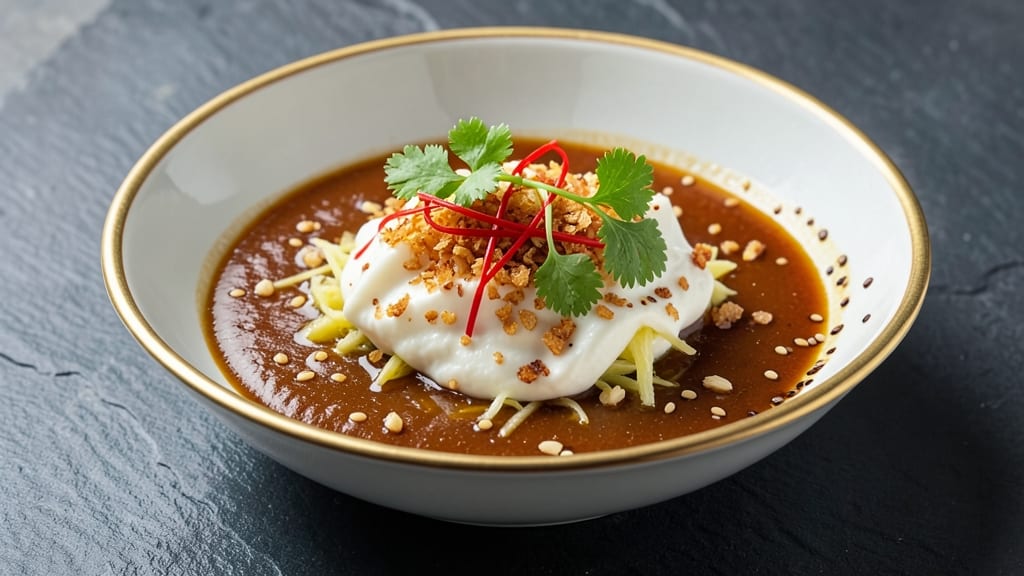
This Asian sesame sauce recipe transforms simple pantry staples into a nutty, tangy condiment that elevates stir-fries, noodles, and grilled proteins. The secret lies in balancing toasted sesame oil’s warmth with soy sauce’s depth, while garlic and ginger add aromatic complexity—no emulsifier needed.
I developed this version after years of testing, ensuring it stays silky-smooth without separating, even when drizzled over hot dishes.
The magic happens in the emulsification process: blending sesame paste with a splash of water creates a natural binder, while a touch of honey or sugar rounds out the flavors.
What sets this apart is the umami boost from white miso or a dash of fish sauce, giving it restaurant-quality depth. Unlike store-bought versions, this sauce keeps for weeks in the fridge, ready to transform bland meals into vibrant, flavor-packed dishes.
What you’ll end up with is a versatile sauce that works as a dipping sauce for dumplings, a marinade for tofu or chicken, or a finishing drizzle over ramen. The nutty sesame aroma lingers with every bite, while the tangy-sweet balance keeps it addictive.
This isn’t just another soy sauce substitute—it’s a flavor multiplier that turns simple ingredients into something extraordinary.
Perfect for weeknight cooking or meal prep, this sauce scales effortlessly from small batches to large jars. Let’s make it—your taste buds will thank you.
Ingredients for asian sesame sauce
Nine pantry staples, one blender—this sauce transforms ordinary meals into extraordinary.
| Ingredient | Amount | Notes |
|---|---|---|
| Toasted Sesame Oil 🫒 | ½ cup | High-quality, nutty aroma preferred |
| Sesame Paste 🥜 | ½ cup | Smooth, unsweetened variety |
| Light Soy Sauce 🥢 | ⅓ cup | Kikkoman or similar preferred |
| White Miso Paste 🍶 | 2 tbsp | For umami depth (or fish sauce) |
| Fresh Garlic 🧄 | 3 cloves | Minced, aromatic base |
| Fresh Ginger 🌿 | 1 tbsp | Grated, zesty kick |
| Honey 🍯 | 1 tbsp | Or maple syrup for vegan option |
| Rice Vinegar 🍶 | 1 tbsp | For tangy balance |
| Water 💧 | ¼ cup | For emulsification |
| Salt 🧂 | ½ tsp | Diamond Crystal preferred |
The sesame oil and paste are non-negotiable here—Trader Joe's and Asian markets carry the best quality. Look for toasted sesame oil with a deep golden hue and nutty aroma (the good stuff, not the cheap grocery store version). White miso adds that restaurant-quality umami—Hokkaido brand is my go-to, but any high-quality miso works. Fresh garlic and ginger? Buy extra—you’ll want them for other dishes too. The honey can be swapped for maple syrup if you're avoiding refined sugar, but trust me, the real thing makes it sing.
No sesame paste? Toasted sesame seeds blended with a splash of oil works in a pinch, though it won't be as smooth. Running short on miso? Fish sauce at half the amount delivers similar depth (just skip the honey if you're avoiding fish). The rice vinegar can be swapped for apple cider vinegar, but it'll taste slightly less authentic. For a smoother texture, blend everything together for 30 seconds—no emulsifier needed. The sauce should coat the back of a spoon like silk.
This sauce keeps beautifully—3-4 weeks in the fridge, sealed tightly. For long-term storage, freeze in ice cube trays, then transfer to a jar. Thaw overnight in the fridge or microwave for 20 seconds to revive. Double the batch—it disappears fast. I always make a big jar because once you taste homemade, store-bought just won't cut it anymore.
Why You'll Love This Recipe
- Pantry Magic: I’ll never buy another takeout sauce again. This comes together with stuff I already have—just blend sesame paste, miso, and a splash of soy, then hit it with garlic and toasted oil. Boom. Restaurant-quality flavor, zero ingredients wasted.
- Umami Bomb: That first bite? The garlic’s sharp punch meets the deep, nutty miso and sesame—it’s like a flavor explosion. Honestly, I’ve drizzled it on everything from eggs to roasted veggies, and it never gets old. The toasted oil adds this irresistible richness that makes it dangerously addictive.
- Weeknight Wonder: I make this when I’m too tired to think. Toss it with noodles, stir-fry it with frozen veggies, or even slather it on grilled chicken—it’s my go-to when I need something fast but still feels special. (Yes, even on a Tuesday night.)
- Budget Stretch: A little goes a long way. This sauce costs pennies per serving and keeps for weeks in the fridge. I double the batch, freeze half, and still have leftovers for lunch. Plus, using miso and sesame paste means I’m not breaking the bank on fancy ingredients. Smart, simple, and satisfying.
Step-by-step instructions for Asian sesame sauce
This vibrant sauce comes together in minutes with rich layers of nutty, tangy, and umami flavors.
Bloom the Aromatics in Toasted Sesame Oil
In a small saucepan, heat the 0.5 cup toasted sesame oil over medium-low heat until shimmering but not smoking. Add the 3 cloves minced fresh garlic and 1 tablespoon grated fresh ginger, stirring constantly for 30-45 seconds until fragrant—you'll smell that deep, toasty aroma we're after. This step develops the foundation of our sauce's complexity.
Here's the thing—don't let the garlic brown. You want it just fragrant, not crispy. Remove the pan from heat immediately after you smell that aromatic punch. The residual heat will keep cooking the garlic gently while we prepare the other components.
Combine Wet Ingredients for Emulsification
In a blender or food processor, combine the 0.5 cup sesame paste, 0.33 cup light soy sauce, 2 tablespoons white miso paste, 1 tablespoon honey, 1 tablespoon rice vinegar, 0.25 cup water, and 0.5 teaspoon salt. Blend until completely smooth—this should take about 20-30 seconds. The mixture should be thick but pourable, with the texture of heavy cream.
This blend creates the perfect balance of sweet, salty, umami, and tangy flavors that will carry our sauce. The sesame paste provides that signature nutty depth, while the miso adds that unmistakable savory richness. Taste the mixture now—it should be intensely flavorful but not yet balanced with the oil.
Gradually Incorporate the Oil for Perfect Emulsion
With the blender running on low speed, very slowly drizzle in the garlic-ginger oil mixture. This gradual incorporation is crucial—it prevents the sauce from breaking. You'll need to pause occasionally to scrape down the sides and ensure everything emulsifies properly. The sauce should begin to thicken and develop a glossy sheen.
Watch closely as you add the oil. You're looking for that moment when the sauce transforms from separate components to a single, cohesive emulsion. If it starts to separate, simply add another tablespoon of water and blend again until smooth. This process might take 2-3 minutes of careful blending.
Adjust Consistency and Flavor Balance
Transfer the sauce to a small saucepan and place over very low heat. Gently warm for 1-2 minutes, stirring constantly with a silicone spatula. This gentle heat helps meld all the flavors together without cooking out the delicate aromatics. Taste and adjust the seasoning—you might need a touch more soy sauce for saltiness or a drizzle of honey for sweetness.
For the perfect consistency, the sauce should coat the back of a spoon but still be pourable. If it's too thick, add 1 teaspoon water at a time until it reaches your desired consistency. Remember, this sauce will thicken slightly as it cools, so err on the slightly thinner side if you're unsure.
Rest and Use Immediately for Best Results
Remove the sauce from heat and let it rest for 5 minutes at room temperature. This resting period allows all the flavors to fully meld together. The sauce will develop a beautiful, glossy finish and that signature nutty aroma will become even more pronounced.
I know it's tempting to use it immediately, but trust me—this 5-minute wait makes a world of difference. The sauce is now ready to elevate your stir-fries, drizzle over noodles, or use as a dipping sauce. For best results, use it within 2-3 days when stored in an airtight container in the refrigerator. The flavors will continue to develop and deepen over time.
Pro Tips For Making Asian Sesame Sauce
- Bloom the Garlic First: Fresh garlic cloves can taste raw and sharp if not softened—especially when mixed with miso and sesame paste. Smash them lightly with the flat side of your knife, then let them sit in warm water for 2-3 minutes before adding to the sauce. This mellows their bite without cooking them first (yes, even if you’re impatient like me).
- Low-and-Slow Warmth: This sauce isn’t about searing or boiling—it’s about coaxing flavors together. Simmer on lowest heat for at least 10 minutes after combining all ingredients, stirring occasionally. I used to rush it, and the miso would taste bitter or the sesame oil would overpower. Patience here makes the difference.
- Skip the Cheap Sesame Oil: That “sesame-flavored” oil in a yellow bottle? It’s not the same. Toasted sesame oil should smell nutty, toasty, and intense—not like a generic cooking oil. Use 1-2 teaspoons at the very end of cooking, just to finish the sauce. Adding it earlier will burn off its aroma and leave you with just a greasy aftertaste.
- Blend the Paste Properly: Sesame paste isn’t the same as tahini—it’s thicker, grittier, and often clumps if not handled right. Before mixing, whisk it with equal parts water (or light soy sauce) to break up lumps, then strain if needed. I learned this the hard way after serving sauce with visible sesame bits—now I make sure it’s silky smooth before combining.
Perfect pairings for this asian sesame sauce
Stir-Fry Magic
This sesame sauce transforms any stir-fry into a flavor explosion. Toss it with shrimp, chicken, or tofu at the very end of cooking—just 2 tablespoons per 1 pound of protein. The high heat helps the sauce cling beautifully to everything.
I love pairing it with bell peppers, snap peas, and carrots for a rainbow of colors and textures. For extra drama, finish with crispy fried shallots or toasted sesame seeds. 🌶️
Dipping Sauce
Serve this sauce as a dipping companion for spring rolls, dumplings, or edamame. The nutty depth balances the crispy textures perfectly. I keep a small bowl on the table when serving pho or ramen—it adds that restaurant-quality finish.
For a fun twist, chill the sauce before serving to enhance its silky texture. The contrast between warm dumplings and cool sauce is pure bliss.
Marinade
Use this sauce as a marinade for grilled chicken or fish—just 3-4 tablespoons per 1 pound of meat. Let it sit for 20-30 minutes before cooking to infuse maximum flavor.
The sesame and garlic create a beautiful crust when grilled. I especially love this with salmon or mahi-mahi—the umami from the miso pairs beautifully with the fish's natural sweetness.
Ramen Upgrade
Elevate your bowl of ramen by drizzling 1-2 tablespoons of this sauce over the broth before adding noodles. The nutty aroma wafts through the restaurant, and the rich flavors meld perfectly with the broth.
For extra richness, add a soft-boiled egg and chashu pork—this sauce ties everything together beautifully. The tangy-sweet balance cuts through the richness of fatty meats.
Garnish
Use this sauce as a finishing drizzle for poke bowls, grain bowls, or even pizza. The vibrant color makes any dish look restaurant-worthy. I love adding it to sushi rolls or sashimi platters—just a few drops create that professional presentation.
For a fun presentation, swirl the sauce with a toothpick before serving. The visual appeal is just as important as the taste!
Ice Cream Topping
Yes, you read that right! This sauce makes an unexpected but amazing topping for vanilla ice cream or banana pudding. The nutty, tangy flavors contrast beautifully with the sweetness. I drizzle it over warm churros for a fusion dessert that's always a crowd-pleaser.
The texture is surprisingly smooth when used this way—just let it come to room temperature first for best results. 🍦
Nutrition facts
Frequently asked questions
Can I make this sesame sauce without sesame paste?
Yes! For a quick substitute, blend ½ cup toasted sesame seeds with 2 tablespoons neutral oil until smooth. The texture won't be identical, but you'll still get that nutty depth. For best results, use a high-speed blender and strain if needed to remove any grit.
How do I fix a separated sauce?
Simply add 1 teaspoon water at a time while blending on low speed. The emulsion should reform within 30 seconds. If it still separates, warm the sauce gently over low heat while stirring constantly—this helps realign the oil and water molecules. Pro tip: Store it in a clean, dry jar to prevent future separation.
What's the best way to store leftover sauce?
Transfer to an airtight container and refrigerate for up to 3-4 weeks. For longer storage, freeze in 1-tablespoon portions—thaw overnight in the fridge or microwave for 10-15 seconds to preserve texture. The sauce thickens when cold, so thin with a splash of water if needed before using.
Can I use this sauce on cold dishes?
It works beautifully as a dressing for cucumber salads or a drizzle over cold noodles. For extra richness, chill the sauce first—this enhances the nutty aroma and makes it cling better. The tangy-sweet balance shines when paired with cool, crisp vegetables or chilled seafood.
Why does my sauce taste too salty?
Adjust by adding 1 teaspoon honey or ½ teaspoon maple syrup to balance the saltiness. If you prefer less salt, reduce the soy sauce to ¼ cup and add 1 extra tablespoon water to maintain consistency. Taste as you go—this sauce is highly customizable!