
Sauces & Condiments
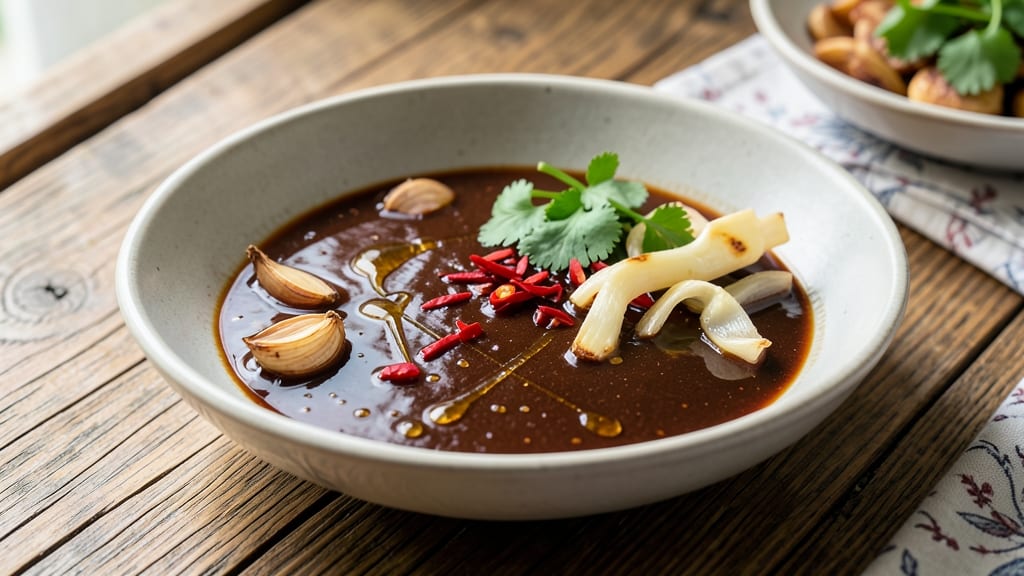
This Asian style BBQ sauce recipe transforms grilling and dipping into a flavor adventure with its perfect balance of sweet, spicy, and umami richness. The secret lies in simmering soy sauce, honey, garlic, and ginger until the flavors meld into a sticky, aromatic glaze.
I developed this version after years of testing—it’s bold enough for marinades but versatile enough to elevate everything from grilled chicken to crispy tofu.
The sauce starts with a simple base of soy sauce and honey, then builds depth with fresh garlic, ginger, and a touch of chili for heat. As it simmers, the flavors intensify, creating a glossy, clingy sauce that caramelizes beautifully on meats.
The key is patience—letting it reduce slowly ensures a concentrated, restaurant-quality finish. This isn’t just a sauce; it’s a flavor multiplier that turns simple proteins into showstopping dishes.
What makes this recipe stand out is its adaptability. Use it as a marinade for 30 minutes before grilling, a glaze for roasted vegetables, or a dipping sauce for spring rolls. The sweet-spicy profile works with everything from pork ribs to shrimp skewers, making it a pantry staple.
Once you taste the difference between store-bought and homemade, you’ll never go back to the bottled versions.
For those who prefer less heat, reduce the chili; for extra depth, add a splash of rice vinegar or a pinch of smoked paprika. The sauce keeps well in the fridge for up to 2 weeks, so make a big batch—you’ll want to use it on everything.
Let’s get cooking!
Ingredients for asian style bbq sauce
Nine simple ingredients transform into a restaurant-quality glaze that elevates grilling, dipping, and marinating.
| Ingredient | Amount | Notes |
|---|---|---|
| Soy Sauce 🍶 | ½ cup | High-quality, preferably light soy |
| Honey 🍯 | ½ cup | Pure, preferably wildflower |
| Garlic Cloves 🧄 | 6 cloves | Freshly minced for maximum flavor |
| Fresh Ginger 🌿 | ¼ cup | Grated, skin-on for extra zing |
| Red Chili Flakes 🌶️ | 1 tbsp | Adjust for desired heat level |
| Rice Vinegar 🍶 | 2 tbsp | White or seasoned variety |
| Sesame Oil 🫒 | 1 tbsp | Toasted for nutty aroma |
| Brown Sugar 🍚 | ¼ cup | Packed, light or dark |
| Water 💧 | ½ cup | For thinning consistency |
| Smoked Paprika 🌶️ | 1 tsp | For subtle smoky depth |
The soy sauce is the foundation here—Kikkoman or La Choy are my go-tos, but any good-quality brand works. Fresh ginger and garlic make all the difference; skip the jarred minced—it’s just not the same. For the honey, Manuka or wildflower adds subtle floral notes, but regular honey works too. Chili flakes can be adjusted—reduce to 1 tsp if you prefer mild heat. If you're using this for a marinade, add 1 tbsp cornstarch to thicken it further for cling.
No honey? Maple syrup or agave nectar work in a pinch, though honey’s floral notes are unique. Running short on ginger? Ground ginger at half the amount gets you close, but fresh is ideal. Sesame oil adds that signature nutty aroma—use toasted if you’ve got it, but regular works too. For extra umami, add 1 tbsp fish sauce (skip if vegetarian) or 1 tsp mushroom powder. The brown sugar caramelizes beautifully during simmering, but white sugar works in a bind. If the sauce is too thick, add water or rice vinegar 1 tbsp at a time.
This sauce keeps beautifully—2 weeks in the fridge or 3 months frozen—so make a big batch. Store in an airtight jar, and shake before each use. For marinades, 30 minutes is perfect—don’t over-marinate or proteins can get mushy. The glaze reheats well, so microwave 30 seconds or warm in a small saucepan. Double the recipe if you’re grilling a crowd; it disappears fast!
Why You'll Love This Recipe
- Five-Ingredient Magic: I swear, this sauce comes together with stuff you already have—no fancy pantry trips. The ginger and garlic get minced in 30 seconds while I wait for the water to boil, and the soy and honey meld into something ridiculously smooth with zero fuss.
- Sweet Heat Balance: That first slather of sauce on grilled chicken? Chef’s kiss. The honey caramelizes fast, cutting through the sharpness of the chili flakes while the garlic and ginger add layers I can’t get from store-bought bottles. It’s the kind of flavor that makes you pause mid-bite.
- Weeknight to Party Fix: Slap this on stir-fried noodles for a Tuesday dinner, or drizzle it over skewers for a summer BBQ—no one will guess it took me 15 minutes. I’ve even used it to glaze tofu for potlucks, and my picky-eater cousin asked for seconds. (Yes, even on a Tuesday night.)
- Makes More Than You Need: Honestly, I double the batch every time because it keeps for weeks in the fridge. A little goes a long way, and I’m always reaching for it—whether I’m tossing it with rice or using it to deglaze a pan. It’s my budget-friendly secret weapon for flavor.
Step-by-step instructions for Asian style BBQ sauce
This sweet-spicy glaze comes together in minutes with simple pantry staples.
Toast the Aromatics for Deep Flavor
Heat a small skillet over medium-low heat and add the 6 cloves garlic cloves and 0.25 cup fresh ginger. Toast for 2-3 minutes until fragrant and just beginning to turn golden at the edges. This step unlocks their natural oils and builds complex flavor.
Watch closely—they'll burn quickly once they start to color. As soon as you smell that nutty aroma, transfer the garlic and ginger to a blender or small food processor. Don't skip this step; raw aromatics won't develop the same depth of flavor in the sauce.
Combine Wet Ingredients
In the same skillet (no need to clean it), add the 1 tablespoon sesame oil and swirl to coat. Pour in the 0.5 cup soy sauce, 0.5 cup honey, 0.25 cup brown sugar, 2 tablespoons rice vinegar, and 0.5 cup water. Stir constantly over medium heat for 3-4 minutes until the sugar dissolves completely.
Here's where it gets good—the mixture will bubble gently and start to thicken slightly. If you notice any graininess, keep stirring until everything blends smoothly. This is your base, so take your time to get it right.
Add Heat and Build the Sauce
Reduce heat to low and stir in the 1 tablespoon red chili flakes and 1 teaspoon smoked paprika. Let the sauce simmer gently for 5-7 minutes, stirring occasionally, until it thickens to a glossy consistency that coats the back of a spoon.
I like to taste it at this stage—you should get a perfect balance of sweet, salty, and just enough heat. If it's too thick, add 1-2 tablespoons water to reach your desired pouring consistency. The sauce should be thick enough to cling to food but still flow smoothly.
Blend for Silky Smoothness
Transfer the sauce to your blender along with the toasted garlic and ginger. Blend until completely smooth, about 30-45 seconds. The result should be a vibrant, glossy glaze with no visible texture.
This blending step makes all the difference—it creates that professional restaurant-quality finish. If you prefer a slightly textured sauce, you can skip blending, but I find the smooth version works best for both grilling and dipping.
Cool and Adjust to Perfection
Let the sauce cool for 10 minutes before tasting and adjusting seasoning. The flavors will meld and deepen as it cools. I usually add a pinch more salt or a splash of rice vinegar if needed to balance the sweetness.
For best results, store in an airtight container in the refrigerator for up to 2 weeks. The sauce will continue to develop flavor over time. This glaze works beautifully on grilled meats, as a dipping sauce, or even as a marinade—just remember to bring it to room temperature before using.
Pro Tips For Making Asian Style Bbq Sauce
- Simmer Low and Slow: I learned this the hard way—boiling the sauce turns it bitter. Keep the heat at a gentle simmer (small bubbles, occasional swirls) and let it work for 10-15 minutes. This lets the garlic and ginger mellow out instead of burning, giving you that deep, balanced flavor.
- Peel Ginger Before Grating: Skip the peeling step? You’ll taste it. The fibrous skin stays tough even after cooking. Take 10 seconds to scrape off the ginger’s skin with a spoon—your sauce will thank you with smooth, bright ginger notes instead of gritty surprises.
- Balance Heat Early: Add those chili flakes at the end if you want a sharp kick. Toss them in with the soy and honey first, then taste as you go. You can always adjust heat later, but you can’t take it out once it’s overpowering.
- Use Raw Honey, Not Cooked: Sounds weird, but it works: raw honey adds natural depth. If you’re worried about it not dissolving, mix it with a splash of warm water first—it’ll blend seamlessly without clumping. Your sauce will taste richer, not cloyingly sweet.
Make-ahead tips for this asian style bbq sauce
Batch Prep Basics
Make this sauce in double batches—it disappears fast! I always prepare 2 cups at a time (just multiply all ingredients by 2) and store it in amber glass jars to preserve color and prevent oxidation.
The sauce thickens as it cools, so I recommend thinning with 1-2 tablespoons water if needed before storing. Label jars with the date to track freshness—2 weeks in the fridge is ideal. 💡
Freezing for Later
For long-term storage, freeze the sauce in ice cube trays for portion control. Once frozen, transfer cubes to a ziplock freezer bag and flatten to save space. Thaw overnight in the fridge before use—never microwave directly from frozen, as it can alter texture.
The sauce keeps its vibrant color and flavor for up to 3 months this way. Perfect for last-minute grilling! ❄️
Marinade Prep
When using as a marinade, mix ½ cup sauce with 1 tbsp soy sauce and 1 tbsp honey for extra cling. Store in an airtight container and marinate proteins for no more than 30 minutes—longer can make meats mushy.
I like to reserve ¼ cup sauce for basting while grilling. For chicken or tofu, add 1 tsp cornstarch to thicken before marinating. 🍗
Glaze Consistency Tips
If the sauce is too thick for glazing, thin with rice vinegar (1 tbsp at a time) until it reaches a pourable but clingy consistency. For extra shine, brush a thin layer over meats 5 minutes before grilling.
I’ve found that reheating leftover sauce in a small saucepan over low heat (2-3 minutes) restores its glossy texture perfectly. 🔥
Flavor Boost Hacks
Add 1 tbsp fish sauce (for umami depth) or 1 tsp sesame seeds (for crunch) right before serving. For a smoky twist, sprinkle ½ tsp smoked salt over the sauce after blending.
If you love heat, stir in ½ tsp gochujang (Korean chili paste) for a spicy-sweet kick. These tweaks take the sauce from good to unforgettable! 🌶️
Nutrition facts
Frequently asked questions
Can I make this sauce without honey?
Yes! Substitute honey with ½ cup maple syrup or agave nectar for a similar sweetness. For a deeper caramel flavor, use ½ cup brown sugar instead of honey and reduce the water by 2 tablespoons to maintain balance. The sauce will still develop that glossy texture, though honey's floral notes are unique.
How spicy should the sauce be?
The recipe includes 1 tablespoon chili flakes for mild heat, but you can adjust to taste. For a milder version, reduce to ½ teaspoon or omit entirely. If you love spice, add ½ teaspoon gochujang (Korean chili paste) or a dash of sriracha after blending. Always taste as it cools—flavors intensify!
Can I use this sauce as a marinade?
For marinades, combine ½ cup sauce with 1 tablespoon soy sauce and 1 tablespoon honey to enhance cling. Marinate proteins for no more than 30 minutes—longer can make meats mushy. Reserve ¼ cup sauce for basting during grilling. For tofu or delicate fish, add 1 teaspoon cornstarch to thicken the marinade.
Why did my sauce turn grainy?
Graininess usually happens when sugar doesn't fully dissolve during simmering. Stir constantly over medium heat for 3-4 minutes until smooth, or blend briefly to emulsify. If it happens later, reheat gently while stirring until silky. For prevention, whisk wet ingredients together before heating. The sauce should coat the back of a spoon when done.
What's the best way to reheat leftover sauce?
Gently reheat in a small saucepan over low heat for 2-3 minutes, stirring constantly, until warm. Avoid microwaving—it can make the sauce watery. For extra shine, brush a thin layer over meats 5 minutes before grilling. If the sauce thickens too much, thin with 1 teaspoon rice vinegar or water.