
Sauces & Condiments
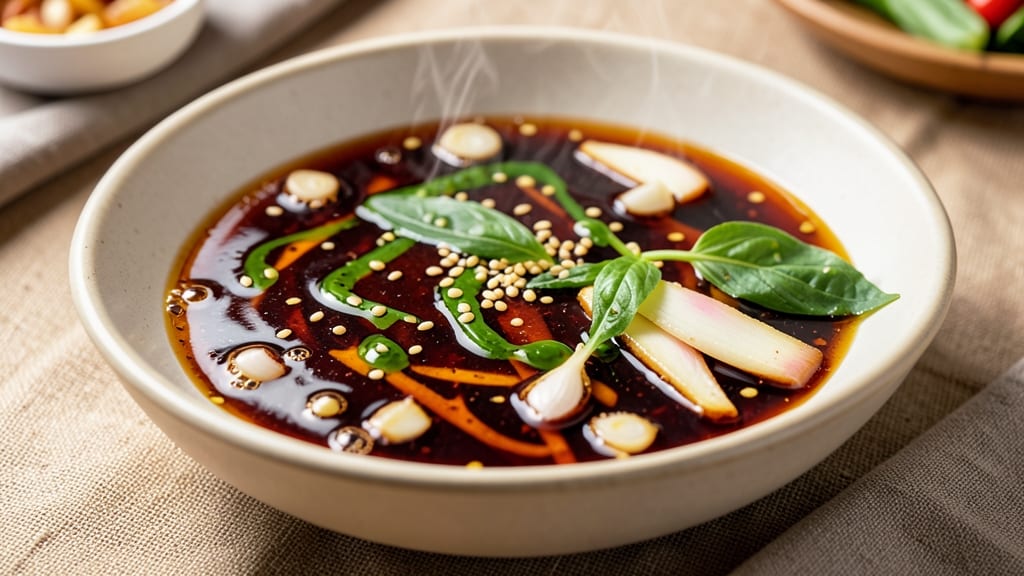
This Asian sweet and spicy sauce recipe transforms ordinary dishes into vibrant, restaurant-quality meals with just 15 minutes of active prep. The secret lies in balancing bold flavors—tangy rice vinegar, rich soy sauce, and caramelized honey—with a controlled kick of chili. I developed this sauce after years of testing, ensuring every spoonful delivers a perfect harmony of heat and sweetness without overpowering the dish.
The foundation starts with aromatics—garlic and ginger—simmered until fragrant, then combined with a smooth blend of soy, honey, and vinegar. A touch of sesame oil adds depth, while red chili flakes or paste provide the signature heat.
This sauce isn’t just for dipping; it elevates stir-fries, grilled meats, and noodles into something extraordinary.
What makes this recipe stand out is its versatility and shelf life. Store it in the fridge for up to 2 weeks, or freeze for 3 months without losing its vibrant flavor.
The sauce thickens slightly when chilled, so simply stir and adjust with a splash of water before using. It’s the kind of condiment that turns simple meals into memorable experiences.
Use it to glaze seared chicken, toss with fresh spring rolls, or drizzle over steaming ramen. The possibilities are endless, and the process is foolproof—no advanced techniques required. Let’s get started on creating your go-to sauce for bold, balanced flavors.
Ingredients for asian sweet and spicy sauce
Ten essential ingredients for a restaurant-quality sauce that delivers bold heat and perfect sweetness.
| Ingredient | Amount | Notes |
|---|---|---|
| Rice Vinegar 🍶 | ½ cup | White or seasoned variety preferred |
| Soy Sauce 🥢 | ½ cup | Light or dark, to taste preference |
| Honey 🍯 | ⅓ cup | Wildflower or clover for balanced sweetness |
| Sesame Oil 🫒 | 2 tbsp | Toasted sesame oil for depth |
| Garlic Cloves 🧄 | 4 cloves | Freshly minced for aromatic punch |
| Fresh Ginger 🌿 | 2 tbsp | Finely grated, skin-on for texture |
| Red Chili Flakes 🌶️ | 1 tbsp | Adjust for desired heat level |
| Red Chili Paste 🌶️ | 1 tbsp | Or substitute with 1 tsp cayenne |
| Granulated Sugar 🍚 | 2 tbsp | Balances acidity in sauce |
| Water 💧 | ¼ cup | For thinning if needed |
The foundation of this sauce begins with high-quality rice vinegar and soy sauce—look for Kikkoman or Pearl River Bridge brands for authentic depth. Honey should be raw and unfiltered to maintain its natural enzymes, which enhance the sauce's complexity. For the aromatics, garlic and ginger must be fresh—pre-minced or jarred versions lack the vibrant punch. If you're using chili paste, brands like Maesri or Thai Kitchen provide the perfect balance of heat and umami. Store-bought sesame oil can be hit-or-miss; toasted sesame oil from the Asian aisle ensures that nutty aroma we all crave.
No red chili flakes? Cayenne pepper or gochugaru work equally well, though the texture will differ slightly. Running out of honey? Maple syrup or agave nectar are suitable substitutes, though they may alter the sauce's viscosity. If you prefer a smoother sauce, blend the garlic and ginger with a splash of water before adding to the pot. For extra richness, add a teaspoon of miso paste to the finished sauce. The sugar can be swapped for brown sugar or coconut sugar, though granulated dissolves more evenly. Always taste as you go—this sauce is all about balance, and adjustments are key.
This sauce thickens upon chilling, so store it in an airtight container in the fridge for up to 2 weeks. For longer storage, freeze in ice cube trays—perfect for single-use portions. Stir well before using, adding a splash of water if needed to reach your desired consistency. The flavors actually improve over time, developing deeper complexity with each day. If you're prepping for a crowd, double the batch—it disappears fast during dinner parties.
Why You'll Love This Recipe
- Five-Ingredient Magic: I swear by this combo—just vinegar, soy, honey, garlic, and sesame oil. No fancy prep, no measuring cups stressing me out. Honestly, I keep it in a jar in the fridge because it’s that reliable.
- Balanced Bite: That honey cuts through the heat from the garlic and vinegar, while the sesame oil adds depth. It’s not too sweet, not too spicy—just right, like a perfect umami hug for whatever you’re cooking.
- Weeknight Wonder: Drizzle it on noodles, toss it with stir-fry, or even mix it into mayo for sliders. I’ve used it for everything from takeout night to lazy Sunday brunch. Between us, it’s my secret weapon for making boring meals feel special.
- Budget Booster: A little goes a long way, and these ingredients won’t break the bank. I make a big batch, store it for months, and still have enough to jazz up leftovers or impress guests without the grocery bill screaming at me.
Step-by-step instructions for Asian sweet and spicy sauce
This sauce delivers perfect balance—bold heat, vibrant sweetness, and deep umami—ready in record time.
Prepare the Aromatics and Chili Base
In a medium saucepan over medium heat, add the 2 tablespoons of sesame oil. Once shimmering but not smoking, add the 4 minced garlic cloves and 2 tablespoons of freshly grated ginger. Cook for 1-2 minutes until fragrant and just beginning to color at the edges—this releases their full potential. Be careful not to let them brown too much, or they'll turn bitter.
Next, reduce heat to low and stir in the 1 tablespoon of red chili flakes and 1 tablespoon of red chili paste. Let them bloom for 30 seconds—you'll see the spices soften slightly and release their aromatic oils. This step builds the sauce's signature heat profile while preventing a harsh, raw spice flavor in the final product.
Combine Wet Ingredients for Depth
Pour in the 0.5 cup of rice vinegar and 0.5 cup of soy sauce, stirring constantly to deglaze the pan. The sauce will bubble vigorously as the vinegar's acidity reacts with the aromatics. Let it simmer for 2-3 minutes until slightly reduced—this concentrates the flavors and removes any lingering raw taste from the garlic and ginger.
Add the 0.33 cup of honey and 2 tablespoons of granulated sugar, stirring until fully dissolved. The mixture will look syrupy and glossy. Taste at this stage—you should detect a harmonious blend of sweetness and acidity, with the chili's heat lingering in the background. If the sauce is too thick, add the 0.25 cup of water gradually, 1 tablespoon at a time, until it reaches a pourable consistency.
Simmer to Perfect Balance
Return the sauce to a gentle simmer over medium-low heat and let it cook uncovered for 5-7 minutes. Stir occasionally to prevent sticking, and watch for the sauce to thicken slightly—it should coat the back of a spoon but still flow easily. The heat will mellow the raw spice notes while allowing the flavors to meld into a cohesive profile.
Taste again before removing from heat. At this stage, you're looking for a sauce where the sweetness and heat are equally prominent, with the umami from the soy sauce and garlic tying everything together. If it needs more heat, add a pinch of red chili flakes. If it needs more depth, a splash of soy sauce or a drizzle of honey will help. Once balanced, transfer the sauce to a bowl and let it cool to room temperature—this allows the flavors to settle and intensify.
Pro Tips For Making Asian Sweet And Spicy Sauce
- Bloom the Garlic: Toss minced garlic in the sauce before adding honey—let it sit for 2 minutes first. I learned this the hard way when my sauce tasted raw and sharp; garlic needs time to soften and release its flavor, especially when mixed with vinegar.
- Warm the Honey: Heat the honey to 110°F (43°C) before mixing—just enough to make it pourable without boiling. Cold honey clumps in vinegar and soy sauce, making the sauce grainy. (Yes, even if you’re impatient like me.)
- Balance the Oil: Add sesame oil last, after the sauce cools slightly—just a teaspoon or two. Too much too soon makes the sauce taste like a cheap takeout glaze, and too late kills the aroma. Taste as you go.
- Simmer, Don’t Boil: Keep the sauce at a gentle simmer (tiny bubbles, no splatter) for 3–4 minutes. Boiling turns rice vinegar harsh and burns the honey’s sweetness. If it thickens too fast, splash in a little water.
Flavor customization for asian sweet and spicy sauce
Sweetness Adjustments
If you prefer a more pronounced sweetness, add an extra 1-2 tablespoons of honey or maple syrup during the final simmer. For a subtle caramel note, replace 1 tablespoon of granulated sugar with 1 teaspoon of brown sugar—it adds molasses depth.
I often find that agave nectar works well too, especially if you're catering to vegan diets. 🍯
Heat Level Control
For a milder kick, reduce the chili flakes to ½ teaspoon and replace the chili paste with ½ teaspoon of mild paprika. If you love heat, swap the chili flakes for 1 teaspoon of gochugaru (Korean red pepper flakes) and add ½ teaspoon of cayenne pepper at the end.
Fresh red chili paste from brands like Maesri delivers consistent heat—just taste as you go! 🌶️
Umami Boost
To deepen the savory profile, stir in 1 teaspoon of miso paste during the final simmer or add 1 tablespoon of fish sauce (use sparingly—it’s potent!). For a vegetarian option, ½ teaspoon of mushroom powder or 1 teaspoon of soy sauce reduction works wonders.
I’ve also found that a splash of coconut aminos adds a lighter umami touch. 💫
Tangy Variations
Swap the rice vinegar for lime juice (use ¼ cup) to brighten the sauce, especially for seafood dishes. For a more complex tang, mix ¼ cup rice vinegar with 2 tablespoons of tamarind paste. If you’re using tamarind, reduce the honey slightly—its natural sweetness balances the acidity. 🍋
Texture Tweaks
For a thicker, glaze-like consistency, simmer the sauce uncovered for an extra 3-5 minutes to reduce it further. If you prefer a thinner, dipping-sauce texture, add 1-2 tablespoons of water or broth at the end.
For a silky finish, blend the cooled sauce with 1 tablespoon of tahini—it adds creaminess and nutty depth. 🥄
Flavor Layering
Infuse the sauce with 1 star anise pod or 1-inch cinnamon stick during the simmer for warm spices, then strain before serving. For a floral note, add ½ teaspoon of orange zest along with the honey.
I love adding 1 teaspoon of toasted sesame seeds** at the end for crunch and aroma. These tweaks turn a simple sauce into a multi-dimensional masterpiece. ✨
Nutrition facts
Frequently asked questions
Can I make this sauce without honey?
Yes! For a vegan version, substitute honey with agave nectar or maple syrup (use 1:1 ratio). If you prefer a lower-glycemic option, try coconut sugar or date syrup. The sauce will still achieve the same sweet-spicy balance, though texture may vary slightly.
How spicy should my sauce be?
The recipe balances heat and sweetness for a moderate kick. For milder heat, reduce chili flakes to ½ teaspoon and use ½ teaspoon paprika instead of paste. For extra heat, add ½ teaspoon cayenne or swap flakes for gochugaru. Always taste as you go!
What’s the best way to store leftover sauce?
Transfer to an airtight container and refrigerate for up to 2 weeks. The sauce thickens when chilled—stir and add 1-2 tablespoons water to thin before using. For longer storage, freeze in ice cube trays for single-use portions (lasts 3 months).
Can I use this sauce as a marinade?
This sauce works perfectly for chicken, pork, or tofu. Marinate for 15-30 minutes (longer for tougher cuts). For extra tenderness, add 1 tablespoon cornstarch to thicken the marinade. Avoid using with delicate seafood—opt for dipping instead.
Why did my sauce turn cloudy?
Cloudiness usually means the sauce separated due to rapid cooling or over-simmering. Stir in 1 teaspoon sesame oil or 1 tablespoon water and reheat gently. To prevent this, always simmer on medium-low heat and let cool gradually. The finished sauce should be glossy and smooth.