
Sauces & Condiments
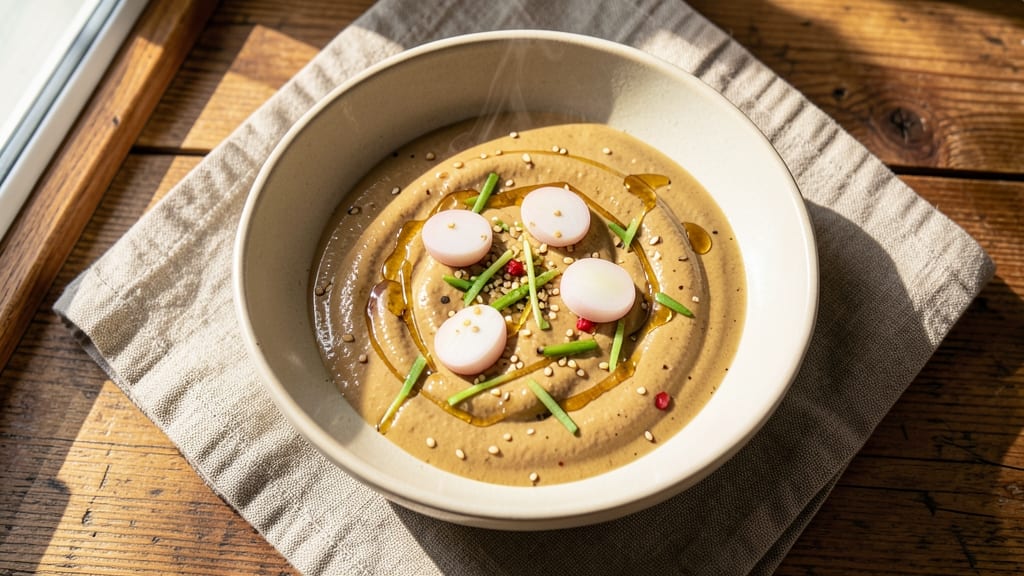
This Asian tahini sauce recipe transforms simple pantry staples into a velvety, nutty condiment that bridges Middle Eastern and Asian flavors. The secret lies in balancing tahini's richness with bright citrus and aromatic garlic, creating a sauce that's both complex and versatile.
I developed this version after craving something creamy yet fresh—perfect for drizzling over roasted vegetables or grain bowls.
The sauce achieves its signature texture through a blend of tahini, lemon juice, and a touch of maple syrup for subtle sweetness. Garlic and ginger add depth, while sesame oil contributes a nutty aroma that lingers with each bite.
What makes this recipe stand out is its adaptability—use it as a dressing, marinade, or even a dip, and it elevates every dish it touches.
What you'll end up with is a smooth, creamy sauce that's rich enough to coat noodles or vegetables but bright enough to cut through rich flavors. The citrus notes prevent heaviness, while the tahini ensures a luxurious mouthfeel.
This isn't just a sauce; it's a flavor enhancer that transforms simple meals into something extraordinary.
Store it in an airtight container in the fridge for up to a week, or freeze for longer shelf life. Pair it with grilled meats, fresh salads, or even as a dipping sauce for crudités. The possibilities are endless, and the results are always impressive.
Ingredients for asian tahini sauce
Nine simple ingredients blend into a luxurious sauce that bridges Middle Eastern and Asian flavors.
| Ingredient | Amount | Notes |
|---|---|---|
| Tahini 🥜 | ½ cup | High-quality sesame paste preferred |
| Fresh Lemon Juice 🍋 | ¼ cup | Freshly squeezed, no pulp |
| Maple Syrup 🍯 | 2 tbsp | Pure, grade B preferred |
| Garlic Cloves 🧄 | 3 cloves | Fresh, minced or grated |
| Fresh Ginger 🌿 | 1 tbsp | Grated, peeled ginger root |
| Sesame Oil 🫒 | 1 tbsp | Toasted sesame oil preferred |
| Water 💧 | ¼ cup | Room temperature |
| Salt 🧂 | ½ tsp | Sea salt or kosher salt |
| Black Pepper 🌶️ | ¼ tsp | Freshly ground preferred |
| Tahini Sauce Base 🥜 | 1 tbsp | Optional, for extra richness |
Tahini quality makes all the difference here. Trader Joe's or Whole Foods carry excellent brands like Al Wadi or Soom. Look for smooth, creamy tahini without grit—store it in a cool, dark place once opened. Fresh ginger and garlic are non-negotiable; pre-minced versions lose their punch. The maple syrup adds subtle sweetness that balances the sauce's richness, so grade B is ideal—it has more complex flavor than pure maple syrup.
No tahini? Substitute with equal parts peanut butter plus 1 tbsp sesame oil, though texture will differ. Short on lemon juice? Lime juice works at the same amount, but flavor shifts slightly. Sesame oil can be omitted if avoiding strong aromas, but the nutty depth is signature. For extra creaminess, blend in 1 tbsp aquafaba (chickpea brine) instead of water. The sauce thickens as it sits—add water by the teaspoon if needed for drizzling consistency.
This sauce keeps beautifully. Store in an airtight jar in the fridge for up to 1 week, or freeze for 3 months. The flavors meld overnight, so it tastes even better the next day. For quick use, portion into small containers—perfect for lunches or last-minute drizzles. A thin layer of olive oil on top preserves freshness. The sauce thickens when chilled, so whisk vigorously before using if too stiff.
Why You'll Love This Recipe
- Five-Ingredient Magic: I swear by this—just tahini, lemon, maple, garlic, and ginger. No fancy gadgets, no stress. The blender does all the work while I chop one clove of garlic and a thumb of ginger. That’s it.
- Umami-Packed Punch: The tahini brings that rich, nutty depth, but the garlic and ginger? They wake it up—sharp, bright, and just a little spicy. Drizzle it over grilled fish or noodles, and you’ll taste why people pay for restaurant sauces.
- Weeknight Workhorse: This sauce is my secret for turning boring meals into something special. Toss it with roasted veggies, use it as a marinade, or even slather it on sandwiches. Honestly, I’ve had it with eggs for breakfast and it still won.
- Stays Fresh, Saves Money: Make a big batch—it keeps for a week in the fridge, and the flavors only get better. Plus, tahini’s cheap, and a little goes a long way. Between us, I’ve stretched this sauce through three lunches and still had leftovers for dinner.
Step-by-step instructions for Asian tahini sauce
This sauce balances rich tahini with bright citrus and aromatic spices—simple steps for perfect harmony.
Whisk Tahini and Lemon Juice Until Smooth
In a medium bowl, combine the 0.5 cup tahini and 0.25 cup fresh lemon juice. Use a whisk to blend vigorously for 2-3 minutes until completely smooth and free of lumps. The mixture will thicken slightly as it emulsifies. If it becomes too thick, add 1 tablespoon of the 0.25 cup water gradually to loosen it. This initial blending creates the creamy base for your sauce.
I like to work in a bowl large enough to accommodate any potential splashing—the tahini can be stubborn at first. The lemon juice helps break down the tahini's natural oils, creating that signature silky texture. If you're using the 1 tbsp tahini sauce base, add it now and whisk until fully incorporated.
Add Sweetness and Aromatics
Next, stir in the 2 tbsp maple syrup, 1 tbsp fresh ginger, and 3 cloves garlic cloves (minced or grated). Mix well to distribute these ingredients evenly throughout the tahini mixture. The maple syrup balances the sauce's acidity while adding depth, while the ginger and garlic infuse their bright, aromatic flavors. Let the mixture sit for 5 minutes to allow the ginger and garlic to mellow slightly.
Here's where the sauce starts to come together. The ginger should be finely grated—no visible chunks—to ensure a smooth texture. If you're using freshly grated garlic, let it sit for a moment before adding to reduce its sharpness. This step builds the sauce's complexity without overpowering its nutty foundation.
Incorporate Sesame Oil and Seasonings
Pour in the 1 tbsp sesame oil and add the 0.5 tsp salt and 0.25 tsp black pepper. Whisk everything together until fully combined. The sesame oil adds a nutty aroma and helps emulsify the sauce further. Taste the mixture and adjust the seasoning if needed—you might want to add a touch more salt or pepper depending on your preference. The sauce should now have a balanced flavor profile with a smooth, creamy consistency.
This is the moment to taste and make final adjustments. The sesame oil should enhance the tahini's flavor without overpowering it. If the sauce is too thick, gradually add the remaining 0.25 cup water, 1 tablespoon at a time, until it reaches your desired consistency. The goal is a sauce that coats the back of a spoon without being watery.
Thin to Desired Consistency
If the sauce is still too thick after adding water, continue whisking in small amounts until it reaches a pourable consistency—similar to heavy cream. For dipping or drizzling, a slightly thicker consistency works best, while a thinner consistency is ideal for tossing with noodles or vegetables. The sauce should coat ingredients evenly without clinging excessively. If you prefer a glossy finish, add just a touch more water or a splash of lemon juice to brighten the flavor.
At this stage, the sauce should be smooth, well-balanced, and ready to use. If you're not using it immediately, transfer it to an airtight container and refrigerate for up to 5 days. Before serving, give it a quick whisk to re-emulsify any separated oils. This sauce is incredibly versatile—perfect for drizzling over grilled meats, tossing with salads, or serving as a dipping sauce for fresh vegetables.
Pro Tips For Making Asian Tahini Sauce
- STRAIN THE TAHINI: Tahini’s got grit—unless you sift it first. Run it through a fine-mesh sieve or cheesecloth before mixing, or you’ll end up with a sauce that feels like you’re eating sandpaper. I learned this the hard way after serving a batch where the texture was all wrong.
- ZEST BEFORE GRATING: Fresh ginger’s fire lives in the zest, not just the flesh. Use a microplane to zest 1 teaspoon before grating the rest—this adds bright, aromatic punch without making the sauce taste like you’re chewing on a root. (Yes, even if you’re impatient like me.)
- THIN WITH WARM WATER: Cold water makes tahini seize up like it’s mad at you. Use warm water (not hot) to thin it gradually—about 1 tablespoon at a time—until it’s silky. I was skeptical until I tried it; now I never go back.
- TOAST THE GARLIC: Raw garlic in tahini sauce can taste bitter. Lightly toast 2 minced cloves in a dry pan until golden (just until fragrant, not browned), then cool before mixing. It mellows the sharpness and adds depth—like the difference between a flat soda and a properly chilled one.
Essential equipment for asian tahini sauce
Small Batch Tools
For this recipe, you don’t need fancy equipment—just a few basics. Start with a medium mixing bowl (8-10 inches wide) to handle the tahini’s thickness without splashing. I recommend a stainless steel bowl—it’s non-reactive and easy to clean.
A handheld immersion blender (like the Ninja Mini) is a game-changer if you prefer blending over whisking, especially if you’re using the optional tahini sauce base. 🥜
Whisk vs. Blender
Whisking is the traditional method, but a blender saves time and effort. If you choose to whisk, grab a balloon whisk (like the OXO Good Grips)—it creates more air and smoother emulsification.
For blending, a high-speed blender (such as the Vitamix E310) ensures the tahini and lemon juice fully combine without graininess. If you’re tight on space, a small food processor works too, but pulse briefly to avoid overheating the mixture.
Measuring Essentials
Precision matters with tahini—it thickens as it sits. Use a liquid measuring cup for the water and lemon juice to ensure accuracy.
A small kitchen scale (like the OXO Good Grips) is ideal for measuring tahini by weight (about 140g for 0.5 cup), but if you’re using volume, scoop it directly from the jar with a spoon to avoid air pockets.
A microplane (like the BergHoff) is perfect for grating fresh ginger finely—no chunks allowed! For garlic, a garlic press or chef’s knife works, but I prefer pressing for even distribution. 🧄
Storage Containers
Transfer the sauce to an airtight glass jar (like Le Parfait) for fridge storage—glass preserves flavor better than plastic. For freezing, use silicone molds (such as Lekue) or freezer-safe glass jars with at least 1 inch of headspace to prevent cracking.
A small squeeze bottle (like the OXO Good Grips) makes drizzling effortless, especially for salads or bowls. Label your containers with the date—this sauce tastes best within 5-7 days when fresh.
Optional Upgrades
Want to take your sauce to the next level? A fine-mesh strainer (like the Heston Blumenthal) removes any lingering ginger or garlic bits for ultra-smooth texture.
For extra richness, a small saucepan lets you gently warm the sauce (no boiling!) to meld flavors—just heat on low for 2-3 minutes, stirring constantly. If you love experimentation, a dropper bottle (like Squeeze Bottles by Amazon) lets you control drizzle consistency perfectly. 💫
Nutrition facts
Frequently asked questions
Can I make this sauce without tahini?
Yes, but the flavor and texture will change. Substitute with 0.5 cup peanut butter plus 1 tbsp sesame oil for a similar richness, though it won't have tahini's signature nutty depth. For a lighter option, use 0.5 cup cashew butter—just whisk in 1-2 tbsp water first to thin it before mixing with other ingredients. The sauce will still be creamy but less robust.
Why did my sauce separate?
Separation happens when oils and liquids aren't properly emulsified. To fix it, whisk vigorously or blend briefly to recombine. For prevention, add ingredients slowly (especially lemon juice) while whisking constantly. If the sauce is too thick, thin with 1 tsp water at a time—thin sauces emulsify better. For extra insurance, mix in 1 tsp cornstarch dissolved in 1 tsp cold water to stabilize the texture.
How can I adjust this for spicy dishes?
Add 1-2 tsp sriracha or ½ tsp chili flakes for mild heat, or 1 tsp gochujang for fermented depth. For a smoky kick, stir in ½ tsp smoked paprika or 1 tsp liquid smoke. Balance with a touch more maple syrup (½ tsp) to offset the spice. Start with small amounts—you can always add more, but you can't remove heat once it's in!
Is this sauce vegan and gluten-free?
Yes! All ingredients are naturally vegan, and the recipe contains no gluten unless you add optional thickeners like cornstarch (which is gluten-free). Double-check your tahini brand—some may process in facilities with gluten, but most pure tahinis are gluten-free. For extra assurance, use certified gluten-free tahini. The sauce pairs beautifully with vegan bowls, grain-based salads, and plant-based proteins.
Can I use this sauce as a marinade?
This sauce makes an excellent marinade for tofu, chicken, or fish. For best results, marinate for 30-60 minutes (longer for tougher proteins like chicken thighs). The tahini adds moisture, while the citrus tenderizes. For extra flavor, add 1 tbsp soy sauce or 1 tsp rice vinegar to the marinade. Always pat proteins dry before cooking to ensure a good sear.