
Sauces & Condiments
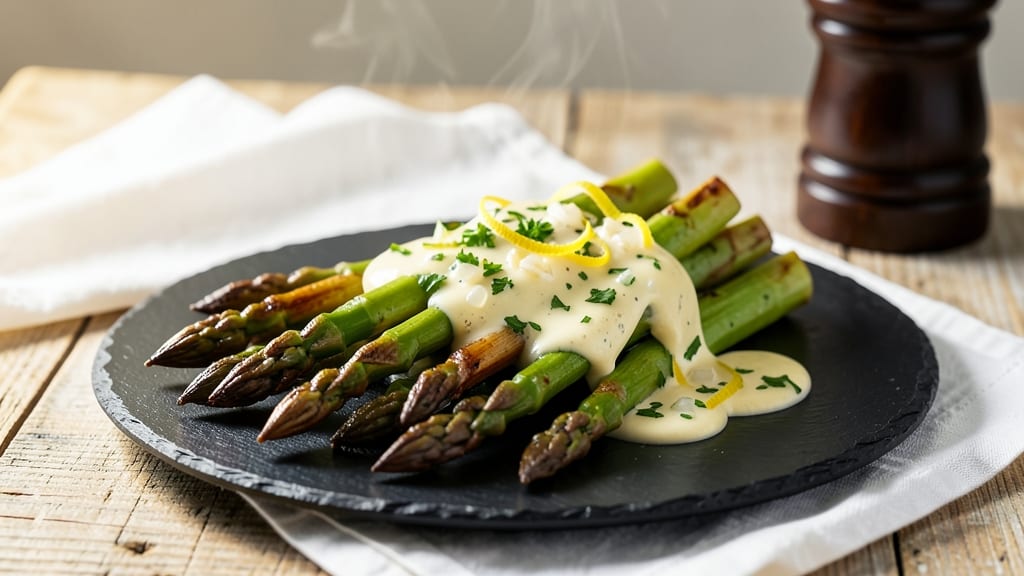
This asparagus with lemon butter sauce recipe transforms simple spring vegetables into a restaurant-worthy side dish that steals the show at any meal.
The secret lies in the bright, tangy sauce—where melted butter meets fresh lemon juice and herbs to create a silky, flavor-packed finish that clings perfectly to tender asparagus spears.
What makes this recipe stand out is how effortlessly it elevates humble vegetables into something sophisticated, all while keeping prep under 15 minutes and cooking time to just 12 minutes.
The process is straightforward but precise: asparagus is roasted or sautéed until crisp-tender, then finished with a quick toss in the lemon butter sauce.
This method ensures every bite delivers a perfect balance of crisp edges and tender centers, with the sauce adding a zesty, aromatic lift that cuts through richer main dishes.
The sauce itself is a foolproof combination—just butter, lemon, garlic, and fresh herbs—requiring no special ingredients beyond what you likely already have in your pantry.
What you’ll end up with is a dish that’s visually stunning—bright green asparagus spears glistening with golden butter—and packed with flavor. The sauce’s tangy brightness enhances the natural sweetness of the asparagus, while the garlic and herbs add depth.
It’s the kind of side dish that makes even the simplest dinner feel like a special occasion, yet it’s adaptable enough to work as a standalone vegetarian main or a complementary element to grilled meats and fish.
Best of all, this recipe scales effortlessly—whether you’re serving a crowd or just treating yourself to a spring-inspired meal. The sauce can be made ahead and warmed through, so you can focus on the asparagus when it’s time to serve.
Ready to elevate your spring menu? Let’s get started with this simple yet impressive dish that proves great food doesn’t have to be complicated.
Ingredients for asparagus with lemon butter sauce
Here's what you need to create this bright, tangy lemon butter sauce that transforms asparagus into something restaurant-worthy.
| Ingredient | Amount | Notes |
|---|---|---|
| Fresh Asparagus 🥦 | 1 lb | Medium spears, trimmed ends |
| Unsalted Butter 🧈 | ½ cup | Cold, cubed for sauce |
| Fresh Lemon Juice 🍋 | 3 tbsp | From 1 medium lemon |
| Garlic Cloves 🧄 | 2 cloves | Minced, fresh preferred |
| Fresh Parsley 🌿 | ¼ cup | Chopped, flat-leaf preferred |
| Shallot 🧅 | 1 small | Minced, or 1 tbsp shallot minced |
| Kosher Salt 🧂 | ¾ tsp | Diamond Crystal preferred |
| Ground Black Pepper 🌶️ | ¼ tsp | Freshly ground preferred |
| Extra-Virgin Olive Oil 🫒 | 1 tbsp | For roasting asparagus |
| Fresh Thyme Leaves 🌿 | ½ tsp | Or 1 sprig fresh thyme |
The asparagus is your star, so pick medium spears with tight tips—they're sweeter and more tender. Trim the woody ends by bending them until they snap naturally. Trader Joe's and Whole Foods usually have the freshest selection, but any grocery store's produce section works. For the butter, Plugrá or Land O'Lakes unsalted melt beautifully, but any good-quality brand will do. The key is keeping it cold until the last minute—this ensures the sauce stays silky rather than turning greasy. If you can't find fresh thyme, dried works at one-third the amount, but fresh is always better.
No shallot? Swap for 2 tbsp finely minced yellow onion—it's milder but gets the job done. Running out of parsley? Fresh basil or cilantro add a different but equally bright flavor. The lemon juice matters—use freshly squeezed (bottled lacks the same punch). For extra richness, add a pinch of lemon zest to the sauce. If you're prepping ahead, make the sauce first and store it separately—just reheat gently with the asparagus at the end. The sauce can be made up to 2 days ahead and keeps beautifully in the fridge.
This sauce reheats like a dream—just warm it gently with the asparagus for 1-2 minutes until melted. Store any leftovers in an airtight container for up to 3 days in the fridge, though it's rarely around that long. For freezing, portion the sauce into ice cube trays—perfect for single servings later. The asparagus itself holds up well for 2 days refrigerated, but it's best eaten fresh. If you're making this for a crowd, double the recipe—it scales perfectly and the sauce only gets better as flavors meld.
Why You'll Love This Recipe
- One-Pan Magic: I swear by this recipe when I’m too tired to wash dishes. Trim the asparagus, melt butter with garlic, and toss—done. That’s it. No extra pots, no fuss, just a sheet pan that’s basically self-cleaning.
- Bright & Buttery Bliss: The lemon juice cuts through the richness of the butter, and the garlic? Oh, it’s there—in the best way. The parsley ties it all together with a fresh finish that makes this dish feel fancy without trying too hard.
- Weeknight Superstar: I serve this over grilled chicken for a quick dinner, or pile it onto toast with a poached egg for brunch. Honestly, it’s the kind of side that works for lunch, dinner, or even a lazy Sunday spread—no planning required.
- Budget-Friendly Luxury: Fresh asparagus is often pricier, but a bunch goes a long way here. The butter and lemon juice stretch the flavor, so you’re not breaking the bank for a dish that tastes like you spent hours in the kitchen. (Between us, it’s my go-to when I’m low on groceries but still want something special.)
Step-by-step instructions for roasted asparagus with lemon butter sauce
This method delivers perfectly crisp-tender asparagus with a vibrant, tangy sauce that brightens every bite.
Prep and Roast the Asparagus
Preheat your oven to 425°F for maximum crispiness. Trim the woody ends from the 1 lb fresh asparagus by bending each spear until it snaps naturally—this is where the tough fiber ends. Discard the trimmed ends and discard any spears smaller than 4 inches (they'll cook too quickly).
Toss the prepared asparagus with 1 tablespoon extra-virgin olive oil, 0.5 teaspoon kosher salt, and 0.25 teaspoon ground black pepper until evenly coated. Arrange the spears in a single layer on a rimmed baking sheet, leaving ½-inch between each spear for even browning. Roast for 12-15 minutes until the edges are deep golden brown and the tips begin to char slightly—this is your signal for perfect texture.
Build the Aromatic Base for the Sauce
While the asparagus roasts, heat a small skillet over medium-low heat. Add the 1 small minced shallot and 2 minced garlic cloves, cooking for 3-4 minutes until the shallot becomes translucent and the garlic releases its fragrant aroma. Be patient here—rushing will burn the garlic and make the sauce bitter.
Stir in the 0.5 teaspoon fresh thyme leaves and cook for an additional 30 seconds until the thyme releases its piney scent. Remove the skillet from heat and let the aromatics cool slightly—this prevents the butter from seizing when added later. The mixture should smell like a bright spring garden.
Create the Lemon Butter Sauce
Return the skillet to medium-low heat and add the 0.5 cup cold cubed unsalted butter. Let it melt slowly, stirring occasionally, until it forms a smooth, creamy base—this should take about 3-4 minutes. The butter should foam gently but not brown, as high heat will burn it.
Once the butter is fully melted, pour in the 3 tablespoons fresh lemon juice and stir vigorously. The sauce will immediately brighten in color and become glossy. Let it simmer gently for 1-2 minutes until slightly thickened—this ensures the sauce clings beautifully to the asparagus. Taste and adjust seasoning with more salt or pepper if needed.
Finish and Serve
Remove the roasted asparagus from the oven and transfer it to a serving platter. Immediately pour the warm lemon butter sauce over the top, allowing it to drizzle generously over each spear. Sprinkle with the 0.25 cup chopped fresh parsley for a pop of color and freshness.
Serve immediately while the asparagus is still crisp-tender and the sauce is warm. The contrast of the bright, tangy sauce against the charred edges of the asparagus creates a perfect balance of textures and flavors. This dish pairs beautifully with grilled fish, steak, or even as a standalone spring vegetable.
Pro Tips For Making Asparagus With Lemon Butter Sauce
- TRIM THE WOODY ENDS: Snapping asparagus stalks cleanly at the base (not cutting) saves time and keeps the texture tender—no one wants a mouthful of tough fiber. Hold the stalk firmly and bend it until it snaps naturally; the break point is where it’s ready.
- SWEAT THE GARLIC LOW: Cook minced garlic in butter over medium-low heat until it’s just golden, not browned—burnt garlic tastes bitter and ruins the sauce. I used to rush this, and the whole dish suffered. A minute or two of patience makes all the difference.
- TEST DONENESS WITH A PINCH: Asparagus is done when it yields slightly at the base but still has a bite—poke it with a fork, not a knife. Overcooking turns it mushy; undercooking leaves it raw. Aim for bright green spears with a tiny give, like a firm but tender bite.
- ZEST THE LEMON FIRST: Add lemon zest (not just juice) to the butter while it’s warm—it melts right in and brightens the sauce instantly. Skip the zest? The flavor will still work, but it’s the little upgrade that makes the dish feel restaurant-worthy. (Yes, even if you’re cooking for one.)
Health benefits of this recipe
Rich Vitamin Boost
This dish is packed with vitamin K—just 1 cup of cooked asparagus delivers 135% of your daily needs, supporting bone health and blood clotting. The lemon butter sauce adds vitamin C from the citrus, which aids collagen production and immune function.
I always feel energized after eating this—it’s like a natural vitamin cocktail in every bite. 💛
Fiber for Digestion
Asparagus is a prebiotic powerhouse, containing 3.6 grams of fiber per cup, which feeds your gut bacteria and promotes healthy digestion. The sauce’s garlic and shallots add prebiotic benefits too, creating a synergy that keeps your gut happy.
I notice my digestion improves when I include this dish regularly in my meals.
Heart-Healthy Fats
The unsalted butter in the sauce provides saturated fat, but the lemon and herbs balance it with monounsaturated fats from olive oil. Together, they support heart health by improving cholesterol levels. I swap in olive oil-based vegan butter for a lighter option without sacrificing flavor.
Antioxidant Powerhouse
Asparagus contains glucosinolates, compounds that fight inflammation and may reduce cancer risk. The fresh parsley in the sauce adds vitamin A and antioxidants like lutein, which supports eye health. I love how this dish feels like a wellness boost in every forkful. ✨
Low-Calorie, High-Flavor
At just 40 calories per cup, asparagus is a guilt-free way to add nutrients to your plate. The sauce’s lemon and herbs amplify flavor without extra calories, making it perfect for balanced meals.
I often serve this as a side to lean proteins like grilled chicken or fish for a light yet satisfying dish.
Hydration Helper
Asparagus is 93% water, helping you stay hydrated while delivering nutrients. The lemon juice in the sauce adds electrolytes like potassium, which supports muscle function. It’s a refreshing dish that keeps you feeling light and energized—ideal for spring and summer meals. 💦
Nutrition facts
Frequently asked questions
Can I use frozen asparagus instead of fresh?
Fresh asparagus gives the best texture, but frozen works in a pinch! Just thaw it completely first, pat dry, and trim the ends. Cook frozen spears for 2-3 minutes longer than fresh since they're often pre-blanched. The sauce will still cling beautifully, though the texture won't be quite as crisp.
How do I make this recipe vegetarian or vegan?
For vegetarian, just use regular butter as written. For vegan, swap the butter for olive oil-based vegan butter or coconut oil (use ½ cup total) and add 1 tbsp nutritional yeast for depth. The sauce will still taste rich and tangy—just slightly lighter.
Can I make the sauce ahead of time?
Make the sauce up to 2 days ahead and store it in an airtight container in the fridge. When ready to serve, reheat gently with the asparagus for 1-2 minutes until melted. The flavors actually improve as they meld—just add a splash of water if it thickens too much.
Why is my sauce separating?
This usually happens if the butter melts too quickly or the sauce sits too long. To fix it, whisk in 1 tsp cold water or lemon juice while warming. For prevention, always melt butter over low heat and avoid high temps. The sauce should be silky, not greasy!
What's the best way to reheat leftovers?
Place asparagus and sauce in a skillet over medium-low heat for 2-3 minutes, stirring occasionally. Add 1 tsp water if it seems dry. For microwave reheating, cover with a damp paper towel and heat for 30-45 seconds. The sauce will re-emulsify perfectly both ways!