
Sauces & Condiments
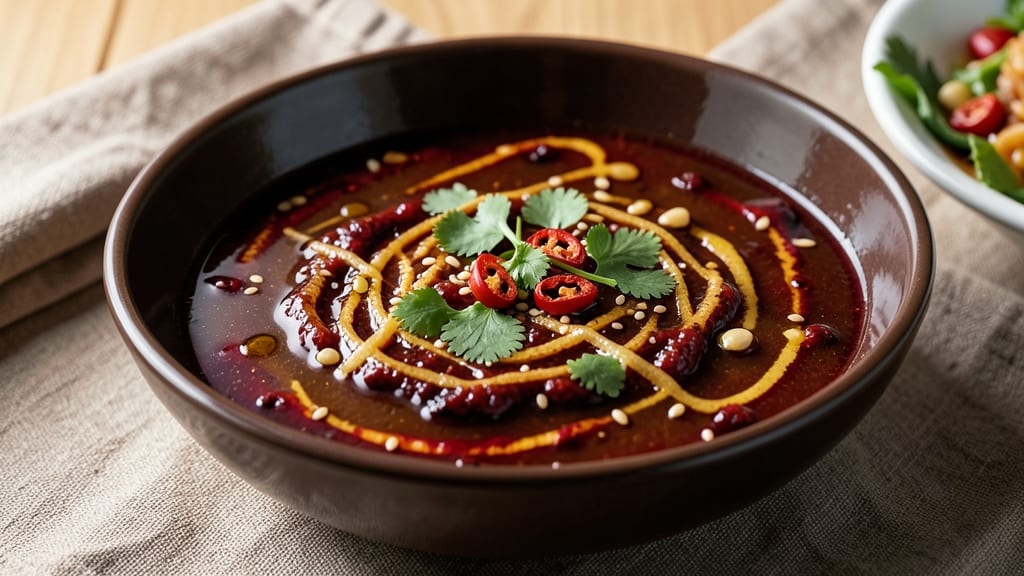
This Assam sauce recipe delivers the perfect balance of bold spices and tangy tamarind—essential for curries, marinades, and dipping sauces. The secret lies in fermented shrimp paste, which builds umami depth, while tamarind adds a bright, complex acidity that cuts through rich dishes.
I developed this version after years of refining the flavor profile, ensuring it’s versatile enough for grilled meats, stir-fries, or even as a standalone dipping sauce.
The process is straightforward but requires patience: shallots and garlic are caramelized until golden, then blended with shrimp paste, tamarind, and a blend of chili and spices. Simmering the mixture reduces it into a concentrated, aromatic sauce with layers of heat and sweetness.
What sets this apart is the tamarind’s ability to brighten the dish without overpowering the spices—something many homemade versions struggle with.
What you’ll end up with is a deep, complex sauce that transforms simple proteins into restaurant-quality meals. The fermented shrimp paste adds a savory punch, while the tamarind keeps the flavors balanced and vibrant.
It’s the kind of sauce that elevates everything it touches, whether you’re marinating chicken, tossing it with vegetables, or serving it alongside grilled fish.
Store it in the fridge for up to a week or freeze for longer shelf life—its concentrated flavor only intensifies over time. Let’s make this sauce, and you’ll never buy bottled again.
Ingredients for assam sauce
Nine spices, two pastes, and a touch of umami—this sauce transforms any dish into a restaurant-quality masterpiece.
| Ingredient | Amount | Notes |
|---|---|---|
| Shallots 🧅 | ½ lb | Peeled, thinly sliced for caramelization |
| Garlic Cloves 🧄 | 6 cloves | Peeled, lightly crushed for even cooking |
| Fermented Shrimp Paste (Kapi) 🦐 | 2 tbsp | High-quality, pungent variety preferred |
| Tamarind Paste 🍈 | ¼ cup | Unsweetened, high-quality preferred |
| Red Curry Paste 🌶️ | 2 tbsp | Authentic Thai brand for authentic flavor |
| Bird's Eye Chilies 🔥 | 4 whole | Stems removed, lightly toasted for aroma |
| Cumin Seeds 🌿 | 1 tsp | Toasted until fragrant for depth |
| Ground Coriander 🌿 | 1 tsp | Freshly ground for vibrant flavor |
| Coconut Milk 🥥 | ½ cup | Full-fat for richness, canned preferred |
| Palm Sugar 🍯 | 1 tbsp | Or substitute with brown sugar |
| Fish Sauce 🐟 | 1 tbsp | High-quality, 30% salt content |
| Extra-Virgin Olive Oil 🫒 | 2 tbsp | For caramelizing shallots and garlic |
| Salt 🧂 | ½ tsp | Kosher or sea salt for balance |
The fermented shrimp paste is non-negotiable here—look for brands like Thai Kitchen or Mae Ploy at Asian markets, not the watered-down versions in regular grocery stores. Tamarind paste should be thick, sticky, and unsweetened—the kind used in authentic Thai cooking. For the chilies, Bird's Eye varieties are essential for that authentic heat, but if you can't find them, red Thai chilies work too. The shallots and garlic need patience: caramelize them slowly until deep golden brown for that sweet, complex base. Toast your spices in a dry pan first—this releases their essential oils and makes the sauce truly aromatic.
No shrimp paste? Anchovy paste at half the amount works in a pinch, though it won’t have the same depth. Tamarind paste unavailable? Lime juice plus a pinch of sugar mimics the tang, but you’ll lose that unique complexity. Running low on palm sugar? Brown sugar or coconut sugar are direct swaps—just reduce other sweetness in your dish. The coconut milk can be swapped for light coconut cream if you want extra richness, or even cashew cream for a nutty twist. For the chilies, red pepper flakes at half the amount will add heat but lack the aromatic depth.
This sauce keeps beautifully—1 week in the fridge or 3 months in the freezer. The flavors actually improve over time as everything melds together. For storage, use an airtight glass jar with a layer of oil on top to preserve freshness. I like to make a big batch and freeze it in ice cube trays—perfect portions for whenever I need a quick flavor boost. If you’re using it in a curry, let it come to room temperature first—cold sauce can mute the spices. Trust me, the first time you pull this out after a week, you’ll be amazed at how deep the flavors have become.
Why You'll Love This Recipe
- Pantry Powerhouse: I swear by this sauce because it lives in my fridge year-round. No fresh herbs? No problem. That kapi and tamarind paste give it depth without needing a garden—just stir, simmer, and boom, instant umami punch.
- Umami Bomb: Honestly, the shrimp paste and red curry paste combo is where it’s at. The garlic and shallots caramelize into something rich but never heavy, with that tangy tamarind cutting through like a bright citrus note. It’s the kind of flavor that makes you pause mid-bite.
- Dinner Party Ready: Between us, this sauce is my secret weapon for feeding a crowd. Double the batch, toss it with noodles, or drizzle over grilled fish—it works for weeknight dinners and when Auntie shows up unannounced. (Yes, even on a Tuesday night.)
- Budget Magic: I make this for under $2 a serving, and it stretches across three meals. The kapi adds serious flavor without costing a fortune, and the paste ingredients last forever. Leftovers? Just reheat and use again—no waste, all win.
Step-by-step instructions for bold Assam sauce
This aromatic sauce delivers perfect balance between tamarind's tang and fermented shrimp's umami depth.
Caramelize Shallots and Garlic
Heat the 2 tablespoons extra-virgin olive oil in a heavy-bottomed saucepan over medium-low heat. Add the 0.5 lb thinly sliced shallots and cook for 8-10 minutes, stirring occasionally, until they turn deep golden brown and release sweet aromas. This slow caramelization builds the sauce's foundational flavor.
Add the 6 lightly crushed garlic cloves and cook for another 2-3 minutes until fragrant but not browned. The garlic should infuse the shallots without burning—watch closely as it darkens quickly. Remove from heat and set aside temporarily; you'll return to this aromatic base later.
Toast Spices and Build the Paste Foundation
In the same pan, add the 4 whole Bird's Eye Chilies (stems removed) and toast over medium heat for 30 seconds until they darken slightly and release their fiery aroma. Immediately remove them and set aside with the shallot mixture.
Add the 1 teaspoon cumin seeds to the pan and toast for 30 seconds until they turn deep golden and smell intensely earthy. Remove from heat and let cool for 1 minute—this prevents burning when you add the remaining ingredients. Return the pan to heat and add the 2 tablespoons red curry paste, stirring constantly for 1 minute until it melts into the spices.
Incorporate Tamarind and Fermented Shrimp
Add the 2 tablespoons fermented shrimp paste (kapi) to the pan and stir vigorously for 2 minutes over medium heat. The paste should dissolve completely, releasing its pungent umami aroma. This step is crucial—don't rush it or the flavors won't meld properly.
Next, stir in the 0.25 cup tamarind paste and 1 tablespoon palm sugar, cooking for 3-4 minutes until the mixture thickens slightly and the tamarind's tang begins to soften. The sauce should coat the back of a spoon and smell complex—sweet, sour, and funky all at once. If it looks too thick, add 1 tablespoon water to loosen it.
Balance with Coconut Milk and Season
Reduce heat to low and gradually whisk in the 0.5 cup coconut milk, letting it simmer gently for 5 minutes. This step tempers the intensity of the tamarind and kapi, creating balance. Add the 1 tablespoon fish sauce and 0.5 teaspoon salt, stirring constantly until fully incorporated.
Return the reserved shallot mixture to the pan and combine everything. Taste and adjust seasoning—you may need a touch more palm sugar to balance the acidity or fish sauce for depth. The sauce should be vibrant, with layers of sweet, sour, umami, and heat working together harmoniously.
Simmer to Perfection
Increase heat to medium-low and let the sauce simmer uncovered for 10-12 minutes, stirring occasionally. This final reduction deepens the flavors and creates a glossy, cohesive texture. You're looking for a sauce that coats the back of a spoon but isn't syrupy—it should be smooth, balanced, and aromatic.
Once complete, remove from heat and let cool for 5 minutes before using. This sauce keeps well in the refrigerator for up to 5 days, making it perfect for batch cooking. Use it to elevate curries, stir-fries, or even as a dipping sauce for grilled meats—its complexity transforms simple dishes into something extraordinary.
Pro Tips For Making Assam Sauce
- Bloom the Aromatics Slowly: Start with medium heat—no need to rush the shallots and garlic. If you crank it too high, they’ll burn before releasing their sweetness, and your sauce will taste bitter. Stir often and keep them golden, not brown.
- Toast the Kapi First: I learned this the hard way—adding fermented shrimp paste (kapi) raw makes the sauce smell like a fish market. Fry it in the oil for 30 seconds until it fragrant and slightly darkened. That’s when it stops being overpowering and starts being delicious.
- Balance Tamarind with Sugar: Tamarind paste is sour, and if you skip the sugar, your sauce will taste like a lemon wedge. Start with 1 teaspoon of sugar per 2 tablespoons of paste, then adjust—you can always add more, but you can’t take it out.
- Simmer, Don’t Boil: Once the red curry paste is fully cooked and the sauce thickens, drop the heat to low. Boiling burns the tamarind and makes the sauce cloudy. A gentle simmer keeps it glossy and lets the flavors meld. Patience here makes all the difference.
Serving suggestions for this recipe
Curry Base Marvel
This sauce transforms simple curries into restaurant-quality dishes. Use it as the foundation for chicken, lamb, or tofu curries—simmer 1 cup of sauce with 1 lb protein and 1 can coconut milk for 15-20 minutes on low heat.
The tamarind brightens the coconut milk, while the fermented shrimp adds depth. I love adding 1 cup cauliflower florets in the last 5 minutes for a veggie-packed version. 🌶️
Grilled Meat Marinade
Marinate chicken thighs or pork chops in ½ cup Assam sauce for 2-4 hours before grilling. The tamarind tenderizes the meat while the spices create a caramelized crust.
Brush extra sauce on during the last 5 minutes of grilling for a sticky, flavorful glaze. For extra richness, add 1 tbsp melted butter to the marinade. 🍗
Stir-Fry Elevator
Toss 1 lb shrimp or chicken with 2 tbsp Assam sauce and 1 cup mixed veggies (bell peppers, snap peas, carrots) in a hot wok. Cook over high heat for 3-4 minutes until everything is tender-crisp.
Finish with 1 tbsp fish sauce and fresh cilantro. This sauce cuts through the oiliness of stir-fries beautifully. ✨
Dipping Sauce Star
Serve this sauce chilled or at room temperature with spring rolls, satay skewers, or grilled prawns. Thin it slightly with 2 tbsp water if needed for dipping consistency.
For extra texture, top with crushed peanuts or lime wedges. The tamarind’s tang makes it irresistible with crispy, fried foods. 🍢
Rice Bowl Upgrade
Stir ½ cup Assam sauce into 2 cups cooked jasmine rice with 1 tbsp coconut milk for a flavorful rice bowl base. Top with grilled chicken, avocado, and pickled veggies.
The sauce’s complexity turns simple rice into a gourmet meal. For extra protein, add ½ cup chickpeas or tofu crumbles. 🥘
Soup Secret Weapon
Add ¼ cup Assam sauce to tom kha, pho, or ramen broths for instant depth. Simmer for 5 minutes to let the flavors meld. The tamarind brightens the broth, while the shrimp paste adds umami richness. I especially love it in spicy noodle soups—it balances the heat perfectly. 🍜
Nutrition facts
Frequently asked questions
What's the secret to balancing tamarind's sourness in this sauce?
The key is the palm sugar and coconut milk—they soften the tamarind's acidity while the fermented shrimp paste adds umami depth. Simmering the sauce for 10-12 minutes lets these flavors meld perfectly. Taste as you go and adjust with a pinch of sugar or extra fish sauce if needed.
Can I make this sauce without fermented shrimp paste?
Yes! Use anchovy paste at half the amount (1 tbsp) for a similar umami punch, though the flavor will be slightly milder. For a vegetarian version, try miso paste or soy sauce (1 tbsp), but the sauce will lack the funky depth. The tamarind and spices will still shine, just with a different profile.
How do I adjust the heat level if Bird's Eye chilies are too spicy?
Remove the seeds and membranes from the chilies before toasting to reduce heat. For milder sauce, use only 2 chilies instead of 4, or swap them for 1 tsp red pepper flakes. If you've already cooked the sauce, balance the heat with 1 extra tbsp coconut milk or 1 tsp sugar to mellow the spice.
Why does my sauce look too thin or too thick?
If too thin, simmer uncovered for 5 extra minutes to reduce. For thickening, blend 1 tbsp cornstarch with 2 tbsp water and stir in while heating. Too thick? Thin with 1 tbsp coconut milk or water. The ideal consistency coats the back of a spoon but isn't syrupy—like a glossy, vibrant glaze.
How long can I store this sauce and does it improve over time?
Store in an airtight glass jar in the fridge for up to 1 week or freeze for 3 months. The flavors actually deepen over time—this sauce tastes even better after 3-4 days of fridge storage! For freezing, portion into ice cube trays for easy use in future dishes.