
Sauces & Condiments
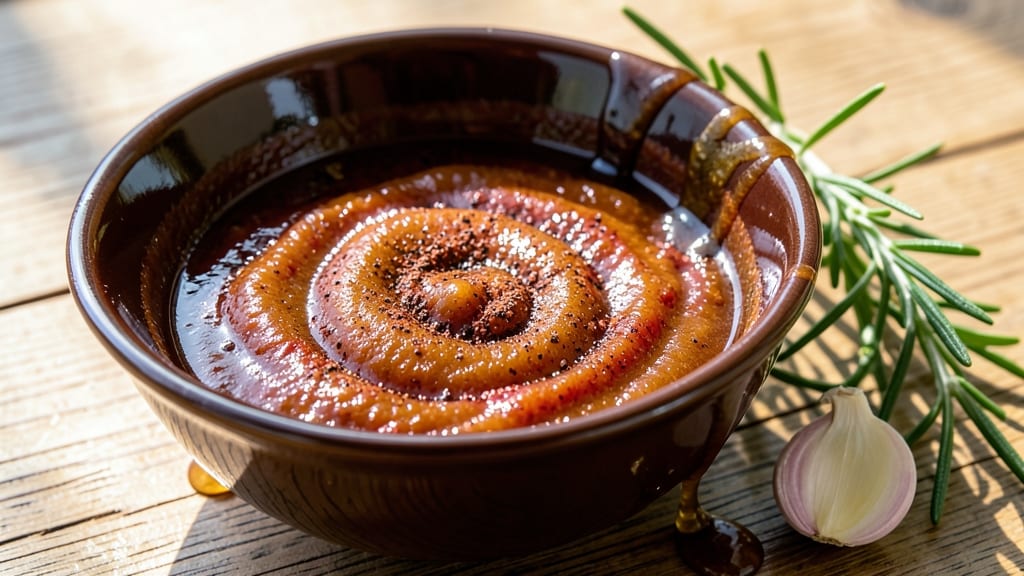
This Australian BBQ sauce recipe delivers the perfect balance of smoky depth, sweet caramelization, and tangy brightness that transforms grilled meats into showstopping masterpieces. 🔥 The secret lies in slow-simmered tomato paste, rich brown sugar, and a touch of vinegar that creates that signature sticky, glossy finish—one that clings to ribs, chicken, and even vegetables like a second skin.
I've been refining this recipe for years, and it's the one sauce that always gets requested at my grilling classes.
The foundation of great Australian BBQ sauce starts with a simple pantry staple: tomato paste, which provides that deep umami base. Brown sugar adds the caramelized sweetness, while apple cider vinegar cuts through the richness, creating the perfect balance of flavors.
Worcestershire sauce and garlic powder infuse layers of complexity that elevate this sauce from ordinary to extraordinary. The beauty of this recipe is its versatility—it works equally well on grilled meats, as a marinade, or even as a dipping sauce for fries.
What you'll end up with is a glossy, thick sauce that's rich enough to stand up to bold flavors but balanced enough to let the natural taste of your grilled proteins shine through.
The slow simmering process allows all the flavors to meld together, resulting in a sauce that's deeply aromatic and packed with smoky-sweet heat. This isn't just another BBQ sauce—it's the kind that makes your grilling game unforgettable.
Once you've made a batch, you'll want to store it in an airtight container in the refrigerator for up to two weeks, or you can extend its shelf life by canning it.
The sauce thickens as it cools, making it perfect for drizzling over finished dishes. Trust me on this one—this sauce is worth every minute of simmering time.
Ingredients for australian bbq sauce
Nine simple ingredients create the ultimate sticky, smoky-sweet BBQ sauce that'll make your grilling legendary.
| Ingredient | Amount | Notes |
|---|---|---|
| Tomato Paste 🍅 | ½ cup | High-quality, unsweetened preferred |
| Brown Sugar 🍚 | ½ cup | Light or dark, packed firmly |
| Apple Cider Vinegar 🍏 | ½ cup | Raw and unfiltered for depth |
| Worcestershire Sauce 🧂 | 2 tbsp | Vegetarian-friendly brand preferred |
| Garlic Powder 🧄 | 1 tbsp | Freshly ground preferred |
| Smoked Paprika 🌶️ | 1 tbsp | For authentic smoky flavor |
| Onion Powder 🧅 | 1 tsp | Adds depth without bitterness |
| Ground Black Pepper 🌶️ | ½ tsp | Freshly cracked for heat |
| Kosher Salt 🧂 | 1 tsp | Diamond Crystal preferred |
| Water 💧 | ½ cup | For thinning if needed |
The tomato paste is your flavor anchor—store-bought cans work, but if you're feeling fancy, crush fresh San Marzano tomatoes first. Brown sugar is non-negotiable here; it caramelizes beautifully during simmering. For vinegar, apple cider vinegar (the raw, unfiltered kind) adds that tangy brightness. Worcestershire sauce? Lea & Perrins is the classic choice, but any vegetarian-friendly brand works. I always grab extra smoked paprika—it's the secret to that authentic Aussie smokiness. Penzeys bulk section has the best quality if you're stocking up.
No Worcestershire? A splash of soy sauce plus a pinch of sugar mimics the umami kick. Short on smoked paprika? Regular paprika plus a dash of liquid smoke (just ¼ tsp) gets you close. The onion powder can be swapped for 1 tbsp finely chopped onion if you're feeling fresh. For a sweeter sauce, add 1 tbsp honey (or maple syrup for vegan). The sauce thickens as it cools, but if it's too thick while simmering, add water 1 tbsp at a time. And trust me, don't skip the salt—it balances all those sweet and smoky flavors perfectly.
This sauce tastes even better the next day as flavors meld. Store in a clean glass jar in the fridge for up to 2 weeks, or freeze for 6 months. I usually make double batches—one for immediate use, one to stash. The sauce thickens dramatically after chilling, so shake it up before using. Perfect for ribs, chicken, or even as a dipping sauce for fries. Pro tip: Brush it on 10 minutes before grilling for maximum caramelization.
Why You'll Love This Recipe
- Five-Ingredient Magic: I swear by this—just tomato paste, brown sugar, vinegar, Worcestershire, and garlic powder. That’s it. No fancy shopping, no hidden pantry raids, just pantry staples that transform into something ridiculously good.
- Sweet-Savory Balance: The brown sugar and vinegar team up for that perfect tangy-sweet punch, while the Worcestershire adds depth. Honestly, it’s the kind of sauce where every bite makes you think, “Wait, I made this?”—and then you go back for more.
- Grill to Table: Slap it on sausages, chicken, or even roasted veggies—it’s my go-to for backyard BBQs, quick weeknight dinners, or when I’m craving that classic Aussie flavor without the store-bought shortcut. (Yes, even on a Tuesday night.)
- Makes More Than You Need: Between us, this sauce doubles as a marinade, a dipping sauce, or a last-minute glaze. I always make extra because it keeps for weeks in the fridge, and that means fewer takeout nights when I’m in a pinch. Budget win.
Step-by-step instructions for Australian BBQ sauce
Here's how to whip up a bold, balanced sauce that'll make your grilled meats shine.
🍳 Step 1: Build the Sauce Base with Tomato and Sweetness
In a medium saucepan, combine the 0.5 cup tomato paste and 0.5 cup brown sugar. Stir over medium heat for 3-4 minutes until the sugar dissolves completely and the mixture becomes smooth. You'll smell that rich, caramelized aroma—this is where the sauce gets its signature sweet-tangy balance.
I like to press the tomato paste through a fine-mesh sieve at this stage to remove any lumps. This ensures a silky texture in the final sauce. Keep the heat at medium—too high and you'll burn the sugar before it integrates properly. Stir frequently to prevent sticking, and watch for that moment when the mixture turns a deep, glossy red.
🍳 Step 2: Add Vinegar and Umami Bombs
Pour in the 0.5 cup apple cider vinegar and 2 tbsp Worcestershire sauce all at once. Bring the mixture to a gentle simmer and let it cook uncovered for 5-6 minutes. You'll see the liquid reduce slightly and the flavors meld together—this is where the sauce develops its complex depth.
The vinegar adds that signature tang that cuts through the sweetness, while the Worcestershire brings deep umami richness. Here's the thing—don't rush this step. Let it bubble gently so the alcohol in the vinegar cooks off and the flavors concentrate. You're aiming for a reduced sauce that coats the back of a spoon when you lift it from the pan.
🍳 Step 3: Layer in the Dry Seasonings
Reduce heat to low and sprinkle in the 1 tbsp garlic powder, 1 tbsp smoked paprika, 1 tsp onion powder, 0.5 tsp ground black pepper, and 1 tsp kosher salt. Stir constantly for 2-3 minutes until the spices are fully incorporated and the sauce smells like a backyard barbecue in Australia.
This is where the magic happens—the smoked paprika gives that signature charred flavor, while the garlic and onion powders build layers of savory depth. I like to taste the sauce at this point to check the balance. It should be sweet, tangy, and slightly smoky with a hint of heat from the black pepper. If it needs more salt, add it now—you can't adjust sweetness later.
⏰ Step 4: Thin and Finish to Perfection
Pour in the 0.5 cup water and stir well. Let the sauce simmer gently for another 5 minutes until it reaches your desired consistency. For brushing, you want a medium-thick sauce that clings but doesn't drip. If it's too thick, add more water 1 tablespoon at a time until smooth.
Here's the final test: Dip a clean spoon in the sauce and let it drip back into the pan. If it forms a slow, glossy ribbon that doesn't immediately pool, you've got the perfect consistency. Taste again and adjust seasoning if needed—this sauce should sing with sweet, smoky, tangy, and umami all working together. Let it cool slightly before using, as the flavors will continue developing.
Pro Tips For Making Australian Bbq Sauce
- Bloom the Tomato Paste: Heat your tomato paste in a dry pan for 2-3 minutes before adding liquids—it deepens the flavor and prevents clumping. I learned this the hard way after scraping burnt bits off my sauce for the third time.
- Use Raw Sugar: Skip the brown sugar granules—raw or light brown sugar dissolves cleaner and adds a smoother, less gritty texture. Your sauce will taste richer without the effort of straining.
- Simmer, Don’t Boil: Keep the heat low enough that tiny bubbles just break the surface, not a full rolling boil. Boiling skips the caramelization and makes the sauce taste sharp instead of balanced.
- Toast the Garlic Powder: Warm the garlic powder in the pan for 30 seconds before adding other ingredients—it intensifies the aroma without burning. Sounds weird, but it works: the sauce gets a deeper, nuttier kick.
Common mistakes when making your australian bbq sauce
Over-Simmering Ruins
I’ve seen many a batch of BBQ sauce turn into a sad, thick syrup because someone let it boil too long. Once you add the water in Step 4, keep the heat at a gentle simmer—never a rolling boil.
The goal is to reduce the sauce to a glossy, clingy consistency, not evaporate all the moisture. If you boil it too hard, the sugars will caramelize unevenly, leaving you with a bitter, sticky mess. 🔥
Skipping the Vinegar
The apple cider vinegar isn’t just there for acidity—it’s the secret to that bright, tangy punch that balances the sweetness. If you omit it or use a milder vinegar (like white vinegar), your sauce will taste flat and one-dimensional.
I’ve tasted sauces missing this step, and they lack that signature Aussie zing. Trust me, 0.5 cup is non-negotiable—it’s what makes this sauce stand out.
Under-Salting Early
Many home cooks wait until the end to season, but with BBQ sauce, timing matters. The spices and salt need time to meld into the sauce while it simmers. If you add salt too late, it won’t dissolve properly, leaving you with grainy bits.
Taste the sauce after the dry spices (Step 3) and adjust then—you can’t fix under-seasoning later. A pinch of Diamond Crystal kosher salt now saves you from a bland sauce later. 🧂
Using Low-Quality Tomato Paste
Not all tomato paste is created equal. Cheap, processed paste can taste metallic or overly acidic, throwing off your sauce’s balance. I always use high-quality, unsweetened tomato paste—brands like Muir Glen or San Marzano make a noticeable difference.
If you’re using canned tomatoes, strain them well to avoid a watery, thin sauce. The paste is your flavor anchor, so don’t skimp here.
Ignoring the Resting Time
Freshly made BBQ sauce tastes amazing, but it’s even better the next day. The flavors need time to meld, and the sauce thickens as it cools. If you use it immediately, it might taste thin or underdeveloped.
I always make a batch ahead and let it sit in the fridge overnight—patience is key. The sauce will transform from a bright, tangy liquid into a rich, sticky masterpiece. ⏳
Over-Thinning with Water
Some recipes call for thinning the sauce with water, but adding too much can dilute the flavors. If your sauce is too thick, add water 1 tablespoon at a time while simmering. The goal is a medium-thick consistency—thick enough to cling but still smooth enough to brush.
I’ve seen sauces turn into a runny glaze because someone added too much water too fast. Test it with the ribbon test: a slow drip means you’re golden. 💫
Nutrition facts
Frequently asked questions
Can I make this Australian BBQ sauce without Worcestershire sauce?
For a vegetarian version, swap the 2 tbsp Worcestershire with 1 tbsp soy sauce plus 1 tsp molasses to mimic the umami depth. If you're avoiding soy, try 1 tbsp balsamic vinegar plus ½ tsp liquid smoke for that smoky character. The key is balancing the tangy-sweet profile while keeping the sauce's signature complexity.
How can I adjust the sweetness level for kids or diabetic-friendly versions?
For less sweetness, reduce the brown sugar to ¼ cup and add 1 tbsp honey (or ½ cup sugar-free maple syrup for diabetic versions). To keep the sauce's body, replace the sugar with ½ cup unsweetened applesauce or ¼ cup tomato paste (increase water to ¾ cup total). Always taste as you go—this sauce's balance is its magic!
What's the best way to store leftover sauce?
Transfer to a clean glass jar with an airtight lid and refrigerate for up to 2 weeks. For longer storage, freeze in ice cube trays (thaw overnight in fridge) or small jars (leave ½-inch headspace to prevent cracking). The sauce thickens dramatically when chilled, so shake well before using. Pro tip: Label with the date—fresh batches taste best!
Can I use this sauce as a marinade instead of a glaze?
Yes! For marinades, dilute the sauce 1:1 with water or apple cider vinegar and add 1 tbsp olive oil to help tenderize. Marinate proteins for 2-4 hours (chicken/beef) or 1-2 hours (fish/shrimp). The acidity in the vinegar helps break down fibers, while the spices infuse beautifully. Just don't over-marinate delicate fish—1 hour max to avoid toughness.
Why does my homemade sauce look thinner than store-bought?
Store-bought sauces often contain thickeners like cornstarch or guar gum that aren't in this recipe. For a thicker homemade version, simmer uncovered for 5-10 extra minutes to reduce further, or stir in 1 tsp cornstarch mixed with 1 tbsp water at the end. Remember: this sauce is designed to be medium-thick—perfect for clinging without dripping!