
Sauces & Condiments
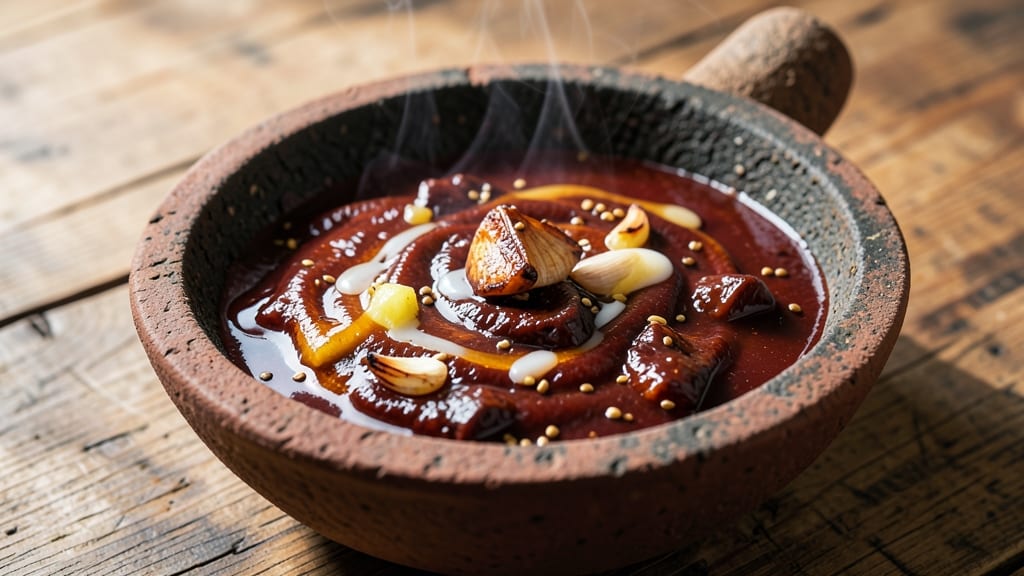
This authentic al pastor sauce captures the smoky-sweet essence of Mexico City's iconic street tacos in every bold, tangy spoonful.
The secret lies in charring dried chiles until they release deep, earthy flavors, then blending them with achiote and a touch of pineapple for that signature balance of heat and fruitiness.
I've perfected this sauce over years of testing—it's the kind of complex, aromatic sauce that transforms simple tacos into an unforgettable experience.
The foundation starts with guajillo and ancho chiles, toasted and blended into a vibrant, slightly spicy paste that forms the heart of the sauce.
Achiote seeds add their signature reddish hue and nutty depth, while garlic, vinegar, and a splash of pineapple brighten the flavors without overpowering the chiles' natural intensity. The sauce thickens beautifully when simmered, creating a glossy, clingy consistency perfect for drizzling over tacos or marinating meats.
What makes this sauce truly authentic is the careful balance of ingredients—smoky from the toasted chiles, tangy from the vinegar, and sweet from the pineapple, all coming together in a harmonious blend.
It's versatile enough for tacos, grilled meats, or even as a marinade, yet precise enough to honor the traditional flavors of al pastor. The result is a sauce that's rich, aromatic, and packed with layers of flavor that will elevate any dish.
Store it in the refrigerator for up to two weeks, or freeze for longer shelf life—though you'll likely go through it faster than that.
Whether you're serving it over al pastor tacos, using it as a marinade, or drizzling it over grilled corn, this sauce delivers the bold, complex flavors of Mexico City street food. Here's how to make it—step by step.
Ingredients for authentic al pastor sauce
Nine ingredients, bold flavors—this sauce brings Mexico City street tacos to your kitchen.
| Ingredient | Amount | Notes |
|---|---|---|
| Dried Guajillo Chiles 🌶️ | 4 whole | Stems and seeds removed |
| Dried Ancho Chiles 🌶️ | 4 whole | Stems and seeds removed |
| Achiote Seeds 🌿 | 1 tbsp | Ground for vibrant color |
| Fresh Pineapple Juice 🍍 | ½ cup | Freshly squeezed preferred |
| White Vinegar 💧 | ¼ cup | For tangy brightness |
| Garlic Cloves 🧄 | 6 cloves | Peeled and roughly chopped |
| Cumin Seeds 🌿 | 1 tsp | Toasted for depth |
| Extra-Virgin Olive Oil 🫒 | ¼ cup | For richness |
| Salt 🧂 | 1 tsp | Kosher or sea salt |
The chiles are everything here. Guajillo and ancho should be bright red with no wrinkles—MexGrocer or Latin markets carry the best quality. Toast them whole in a dry skillet until fragrant (about 30 seconds per side), then soak in hot water for 15 minutes to soften. Achiote seeds? Penzeys or bulk bins have them—just grind them fresh for maximum color. Pineapple juice is non-negotiable; canned juice works but fresh is better. I always grab a small pineapple, juice it, and save the pulp for tacos.
No guajillo chiles? Ancho chiles at double the amount works, but you'll lose that fruity depth. Fresh garlic is a must—jarred minced has weird aftertaste. Vinegar substitutes? Apple cider vinegar or lime juice both work, but white vinegar keeps the authentic tang. Cumin seeds can be skipped if you're short, but the toasted seeds add that nutty warmth. Olive oil matters too—Spanish or Italian extra-virgin has better flavor than generic brands. The salt is simple but critical—measure it carefully.
This sauce keeps beautifully. Store in a glass jar in the fridge for 2 weeks, or freeze for 6 months. I double the batch and freeze half—perfect for quick tacos later. The sauce thickens as it sits, so stir before using. Leftovers? Use it as a marinade for grilled meats or drizzle over roasted veggies. Trust me, you'll go through it fast.
Why You'll Love This Recipe
- Just Four Ingredients: I swear, this sauce starts with three dried chilies and a handful of seeds—no fancy prep, no chopping marathon. Toast the chilies in a dry pan until they smell like a Mexican street cart, then blend with pineapple juice and vinegar. That’s it. Honestly, the hardest part is waiting for the achiote to bloom that deep, smoky red.
- Sweet-Smoky Magic: The guajillo and ancho chilies give it that classic al pastor heat, but the pineapple juice? It’s the secret weapon—bright, tangy, and just enough sweetness to balance the smoldering spices. Between us, that first bite of marinated pork with this sauce is why I keep making it every weekend.
- Taco Night Every Night: Slather it on tacos, drizzle it over grilled chicken, or even mix it into rice—this sauce doesn’t quit. I’ve used it for breakfast burritos (yes, really), as a marinade for shrimp, and even as a quick glaze for roasted veggies. My roommate’s a picky eater, and even he asks for seconds when this hits the table.
- Budget-Friendly Pantry Staple: Dried chilies and seeds last forever, and a single pineapple gives you juice for multiple batches. I make a big jar at the start of the month, and it’s my go-to for weeknight dinners or last-minute guests. Not to mention, the cost per serving is laughable compared to store-bought sauces. (Yes, even on a Tuesday night.)
Step-by-step instructions for authentic al pastor sauce
Here's how to build that signature smoky-sweet al pastor flavor from scratch.
Toast and Prepare the Dried Chiles
Heat a dry skillet over medium heat. Add the 4 whole dried guajillo chiles and 4 whole dried ancho chiles, stems removed. Toast them for 30-45 seconds on each side until they darken slightly and smell deeply aromatic. This step removes their raw bitterness and intensifies their smoky depth.
Work quickly—they'll burn fast. Once toasted, transfer the chiles to a bowl and cover with the 0.5 cup fresh pineapple juice. Let them soak for 20 minutes while you prepare the remaining ingredients. The pineapple juice softens them perfectly and infuses that signature tropical brightness into the sauce.
Toast and Grind the Aromatics
In the same skillet (no need to clean it), toast the 1 tablespoon achiote seeds and 1 teaspoon cumin seeds over medium heat for 1-2 minutes until fragrant. The cumin should dance and pop—this releases their essential oils. Immediately transfer them to a spice grinder or mortar and pestle and grind until you have a fine powder.
While the spices toast, peel and roughly chop the 6 cloves garlic. The toasted spices will form the vibrant red base of your sauce, while the garlic adds that essential savory backbone. Keep the garlic separate for now—you'll add it later when building the sauce.
Blend the Sauce Base
After the chiles have soaked for 20 minutes, drain them well but reserve the pineapple juice. Transfer the softened chiles to a blender along with the ground achiote-cumin mixture, the 0.25 cup white vinegar, and the 0.25 cup extra-virgin olive oil. Blend until completely smooth, scraping down the sides as needed.
This is where the magic happens—the chiles should blend into a thick, vibrant red paste. If the mixture is too thick, add 1-2 tablespoons of the reserved pineapple juice to help it emulsify properly. The vinegar brightens the flavors while the olive oil adds richness that balances the heat.
Cook and Simmer the Sauce
Heat a small saucepan over medium-low heat and add the blended mixture. Stir constantly for 5-7 minutes until the sauce thickens slightly and coats the back of a spoon. This gentle cooking develops the flavors without letting them turn bitter. The sauce should reduce just enough to become syrupy but still pourable.
Add the chopped garlic and 1 teaspoon salt, stirring for another 30 seconds until fragrant. Remove from heat immediately—the garlic should be perfumed but not browned. The sauce is now ready to use, but its flavors will deepen as it rests for 10 minutes off the heat. This resting period allows all the components to meld together perfectly.
Adjust and Use Immediately
Taste the sauce and adjust the seasoning if needed. You might want to add a pinch more salt or a splash of vinegar to balance the sweetness and heat. The sauce should have a perfect harmony of smoky, sweet, and tangy flavors with just a hint of spicy kick from the chiles.
Use the sauce immediately for tacos al pastor, drizzling it generously over the marinated pork and fresh pineapple. The freshness of the pineapple complements the depth of the sauce beautifully, creating that authentic street-food experience right in your kitchen.
Pro Tips For Making Authentic Al Pastor Sauce
- REMOVE CHILE SEEDS FIRST: I learned this the hard way—skipping this step means a bitter, gritty sauce that’ll make your guests question your cooking skills. Stem, deseed, and rinse the guajillo and ancho chiles before toasting, or you’ll be picking out seeds for the next 20 minutes.
- TOAST ACHIOTE LOW AND SLOW: After burning three batches of achiote seeds (yes, really), I now toast them in a dry skillet over medium-low heat for 3-4 minutes, stirring constantly. High heat turns them bitter—you want fragrant, not smoky.
- STRAIN THE PINEAPPLE JUICE: Sounds weird, but it works: blend the pineapple, then strain through a fine-mesh sieve to remove pulp. Thick chunks in your sauce will turn it gluey and uneven—smooth juice blends better and keeps the texture silky.
- ADD VINEGAR LAST: I used to mix vinegar in early, and the sauce would turn dull and flat. Instead, stir in the white vinegar after simmering—just before serving—to brighten the acidity without killing the chile depth. Timing matters.
Flavor customization for this authentic al pastor sauce
Spicy vs. Mild
Want more heat? Add 1-2 dried habanero chiles (toasted and blended) to the base mixture. For a milder version, reduce the ancho chiles to 2 instead of 4—they're naturally sweeter. I've found that Mexican habaneros from local markets pack the most flavor without overpowering. 🌶️
Sweet Variations
Cranberry sauce lovers, try replacing ¼ cup of pineapple juice with ¼ cup cranberry juice—it adds a tart-sweet contrast that works beautifully. For a tropical twist, add 1 tsp ground cinnamon to the blended sauce before simmering. The cinnamon enhances the smoky depth while adding warmth.
Smoky Depth Boost
For extra smokiness, char ½ cup chopped onion in the same skillet after toasting the spices. Blend it directly into the sauce base—this adds a caramelized depth that mimics traditional al pastor grilling. I like to use yellow onions for their natural sweetness.
Herb Infusions
Fresh cilantro lovers can add 2 tbsp chopped cilantro to the final sauce mixture. For a different herbal note, try 1 tbsp chopped epazote—it's traditional in Mexican cooking and adds a unique, slightly bitter aroma. Both work best when added just before serving.
Thicker or Thinner
Need a thicker sauce? Simmer it uncovered for an extra 2-3 minutes to reduce. For a thinner, more pourable version, add 1-2 tbsp water while blending. The consistency should coat the back of a spoon but still flow easily when drizzled.
Fruit Fusion
Swap pineapple for mango juice (same amount) for a different tropical profile. Or blend in ½ cup puréed roasted tomatoes for a savory-sweet balance. The key is maintaining that bright acidity—always include the vinegar to cut through any fruit sweetness. 🍍
Nutrition facts
Frequently asked questions
Can I substitute any of the chiles in this al pastor sauce?
Yes, but with adjustments! Replace guajillo chiles with pasilla chiles (similar heat level) or mulato chiles (milder). For ancho chiles, try poblano chiles (remove seeds for less heat) or new Mexico chiles (toasted and peeled). The key is maintaining the sauce's smoky-sweet balance—stick to dried chiles rather than fresh for authentic depth.
How long does this sauce keep, and can I freeze it?
Store in an airtight glass jar in the fridge for 2 weeks or freeze for 6 months. Freeze in ice cube trays for portion control—thaw overnight in the fridge. The sauce thickens when refrigerated, so stir before using. For best texture, don't refreeze thawed portions.
Can I use this sauce as a marinade for other meats?
This sauce works beautifully as a marinade for chicken, shrimp, or even tofu. Let the meat marinate for 4-8 hours (or overnight for deeper flavor). The pineapple juice tenderizes while the spices infuse. For extra tenderness, add 1 tbsp lime juice to the marinade mixture.
Why does my sauce look too thin or too thick?
Thin sauce? Simmer uncovered for 2-3 extra minutes to reduce. Too thick? Thin with 1 tbsp water or reserved pineapple juice while blending. The ideal consistency coats the back of a spoon but still drizzles smoothly. Pro tip: Simmering too long can make it bitter, so monitor closely.
What's the best way to remove seeds from dried chiles?
Make a small slit in each chile with a sharp knife, then hold under running water while gently squeezing to flush out seeds. For stubborn seeds, use your fingers to pull them out. Always wear gloves—chile seeds can irritate skin! Toasting the chiles after seed removal enhances their flavor and makes them easier to blend.