
Sauces & Condiments
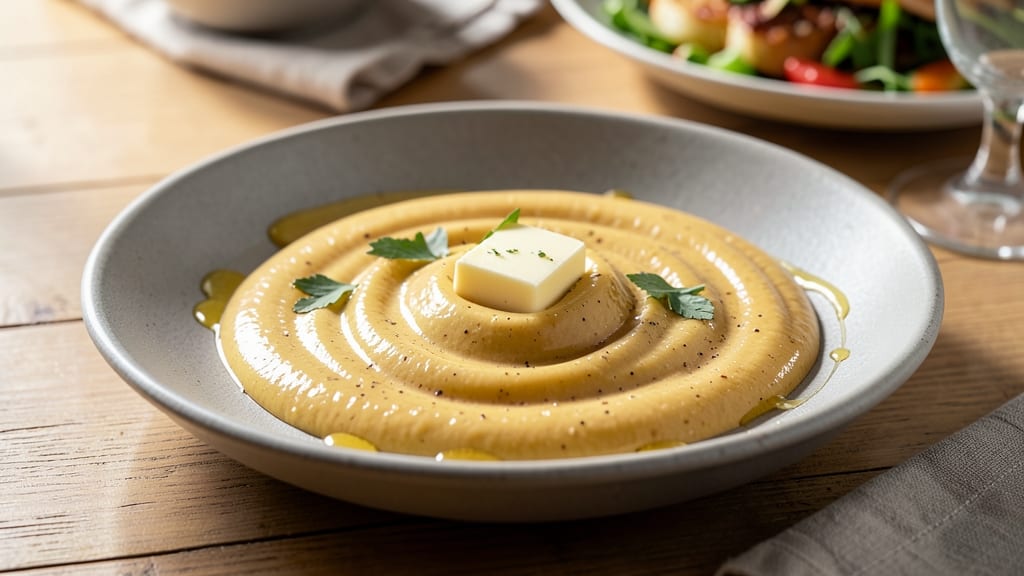
Mastering authentic bechamel sauce transforms ordinary dishes into restaurant-quality creations. This velvety French sauce—built on a perfect butter-flour roux—is the secret behind creamy mac and cheese, lasagna, and croque-monsieur. The key lies in patience: whisking constantly to prevent lumps while slowly incorporating warm milk creates that signature smooth, glossy texture.
What sets this recipe apart is its foolproof technique for a flawless roux. Too much heat? The butter burns. Too little? The flour won’t cook properly. Here, we balance precision with simplicity, ensuring your sauce thickens evenly without developing a floury taste.
A pinch of nutmeg and white pepper elevates the flavor, while garlic-infused milk adds depth for variations.
The result is a sauce so rich and versatile it becomes the backbone of your dishes. Whether you’re layering it into lasagna, drizzling it over gratin dauphinois, or using it as a base for creamy soups, this bechamel delivers professional results every time.
The best part? It reheats beautifully, making it perfect for meal prep.
Store leftovers in the fridge for up to 5 days or freeze for months—just whisk in a splash of milk or cream when reheating to restore its silky consistency. This isn’t just a sauce; it’s the foundation of French comfort food. Let’s get started.
Ingredients for authentic bechamel sauce
Eight essential ingredients transform into the velvety backbone of French cuisine.
| Ingredient | Amount | Notes |
|---|---|---|
| Unsalted Butter 🧈 | ½ cup | Cold, cut into small cubes |
| All-Purpose Flour 🌾 | ½ cup | Sifted for smooth texture |
| Whole Milk 🥛 | 4 cups | Warm, not boiling |
| Ground White Pepper 🌶️ | ¼ tsp | Freshly ground preferred |
| Ground Nutmeg 🌿 | ¼ tsp | Freshly grated for best flavor |
| Garlic Cloves 🧄 | 2 cloves | Infused into warm milk |
| Salt 🧂 | ½ tsp | Diamond Crystal preferred |
| Heavy Cream 🥛 | ¼ cup | Optional for extra richness |
The butter and flour form the foundation—this isn’t the time for shortcuts. European-style butter from Plugrá or Land O’Lakes melts smoothly, while King Arthur or Bob’s Red Mill flour ensures a perfect roux. The milk should be warm but not hot—whole milk from the dairy aisle works best, but half-and-half adds a luxurious touch. For the garlic infusion, freshly minced garlic (not pre-minced jars) releases maximum flavor. Nutmeg matters here—freshly grated is ideal, but pre-ground works in a pinch. If you’re feeling fancy, Trader Joe’s carries a fantastic imported nutmeg that’s worth the splurge.
No unsalted butter? Salted butter minus 1/4 tsp salt works, but the flavor won’t be as refined. Short on flour? Cornstarch at half the amount thickens beautifully, though it lacks the roux’s depth. The milk can be swapped for lactose-free or almond milk, but texture will differ—add an extra tablespoon of cream if using non-dairy. Garlic powder won’t cut it for infusion, but 1/2 tsp garlic powder plus 1/4 tsp onion powder in the milk adds a subtle boost. For extra richness without heavy cream, whipped coconut cream blends seamlessly. Always whisk constantly—a wire whisk or immersion blender prevents lumps like magic.
This sauce keeps its magic for 5 days in the fridge, sealed tightly with plastic wrap pressed directly on the surface to prevent a skin. For longer storage, freeze in ice cube trays—thaw and whisk with a splash of warm milk to restore silkiness. Reheat gently on low heat, stirring often, or warm in a double boiler. Pro tip: Add a pinch of salt and nutmeg when reheating to revive flavors. The roux base? Make it ahead and store in the freezer for up to 3 months—just whisk in warm milk when ready.
Why You'll Love This Recipe
- Five-Ingredient Magic: I swear, this sauce is the kind of recipe that makes you question why you ever paid for fancy sauces. Butter, flour, milk—those are the stars here, with just a whisper of nutmeg and white pepper to make it sing. No weird ingredients, no hunting for obscure spices.
- Velvet Smoothness: That slow, patient cook-down with the milk? It’s what turns this into something luxurious. No lumps, no graininess—just a silky, golden blanket of flavor that clings to pasta, baked dishes, or even toast like it belongs there. Honestly, it’s the kind of texture that makes you pause mid-bite.
- Weeknight Swiss Army Knife: Between us, I use this sauce more than I can count. Toss it with noodles, layer it in lasagna, or drizzle it over roasted veggies—it’s the unsung hero of home cooking. And the best part? It’s ready when you are, no last-minute grocery runs needed.
- Leftovers That Lie: Make a big batch, and you’ll have sauce for days. Reheat it gently, and it’s just as rich as when it was fresh. I’ll be real: I’ve pulled this from the fridge on a lazy morning and called it breakfast. (Don’t judge.) It’s that reliable.
Step-by-step instructions for authentic bechamel sauce
Master this classic French foundation—smooth, velvety, and perfectly balanced for mac and cheese perfection.
Create the Perfect Roux
In a medium saucepan over medium-low heat, melt the 0.5 cup unsalted butter cut into small cubes, stirring occasionally until completely liquid but not browned. This gentle heat prevents burning while ensuring even melting.
Reduce heat to low and gradually whisk in the 0.5 cup all-purpose flour using a wire whisk. The goal is a smooth, lump-free paste that coats the back of your spoon—a proper white roux. Stir continuously for 2-3 minutes until the mixture turns a pale golden color and smells nutty. This step is critical: too hot and it burns; too cool and it won't develop proper thickening power.
Gradually Incorporate Warm Milk
Slowly pour in 1 cup of the warm whole milk while whisking vigorously to prevent lumps. The mixture will thicken immediately—this is normal. After each addition, let the sauce cook for 1-2 minutes before adding another cup, maintaining a gentle simmer.
Continue this process until all 4 cups of warm milk are incorporated. The sauce should now coat the whisk completely and leave a visible trail when dragged through it. If it thickens too quickly, add a splash of milk to loosen. The key here is patience—rushing causes lumps that ruin the velvety texture.
Infuse with Aromatics
Add the 2 cloves garlic, 0.5 tsp salt, 0.25 tsp ground white pepper, and 0.25 tsp ground nutmeg to the simmering sauce. Stir well to distribute the spices evenly. The garlic should infuse its subtle sweetness without overpowering, while the nutmeg and white pepper add depth characteristic of authentic French cuisine.
Simmer the sauce for 5-7 minutes until it reaches a thick, creamy consistency—it should coat the back of a spoon but still flow smoothly. Taste and adjust seasoning: you might need a pinch more salt or nutmeg to balance the flavors. This is where the sauce transforms from basic to extraordinary.
Finish with Cream (Optional)
For extra richness, gently stir in the 0.25 cup heavy cream during the final 2 minutes of cooking. The cream should melt seamlessly into the sauce, adding a luxurious mouthfeel. If you're making a classic mac and cheese, this step elevates it to restaurant-quality.
Remove the sauce from heat immediately—overcooking causes it to curdle. For the smoothest texture, strain it through a fine-mesh sieve to remove any garlic bits. The result should be a silky, velvety bechamel with perfect body and balanced seasoning, ready to be the star of your dish.
Pro Tips For Making Authentic Bechamel Sauce
- WHISK THE ROUX DRY: I learned this the hard way—don’t add milk until the butter-flour mix is actually golden, not just bubbling. A quick 2-3 minute cook on medium heat (yes, even if it looks like it’s burning) develops that nutty depth before you pour in the milk.
- MEASURE MILK COLD: Use milk straight from the fridge—room temperature milk makes the sauce split like a bad joke. Pour it in slowly while whisking like you’re stirring a pot of gold, not a lazy soup.
- SALT THE BUTTER FIRST: Skip the salt at the end—melt the butter with a pinch of salt before adding flour. It dissolves better and seasons the sauce from the start, so you won’t end up guessing how much to add later.
- WHISK LIKE YOUR LIFE DEPENDS ON IT: The first 5 minutes after adding milk are critical—don’t walk away. Constant whisking (or an immersion blender) prevents lumps and keeps the sauce silky, not gluey. I know, I know, but trust the process.
Regional styles of authentic bechamel sauce
French Classic
This is the original, no-nonsense version that defines bechamel in French cuisine. The sauce is built on a white roux—equal parts unsalted butter and all-purpose flour cooked to a pale golden color—then slowly combined with warm whole milk while whisking constantly.
The key is patience: letting the milk incorporate gradually prevents lumps and ensures a silky texture. French chefs often finish with freshly grated nutmeg and a pinch of white pepper, which adds depth without overpowering.
This is the sauce you’ll find in classic dishes like gratin dauphinois or croque-monsieur. 🌟
Italian-Inspired
For an Italian twist, infuse the warm milk with 2 cloves of minced garlic and a sprig of fresh rosemary before combining it with the roux. The garlic adds a subtle sweetness, while rosemary brings an herbal note that pairs beautifully with baked pasta dishes like lasagna or manicotti.
Some Italian variations also include a splash of dry white wine (about ¼ cup) deglazed from the pan after cooking the roux—this adds brightness and complexity. The result is a lighter, more aromatic sauce than the French classic. 🌿
German-Style
In German cuisine, bechamel often takes on a heartier character, especially in dishes like Käsespätzle or Schnitzel au gratin.
The roux is sometimes made with lard or a mix of butter and lard for extra richness, and the milk is often replaced with half-and-half or even light cream for a thicker consistency.
A pinch of ground cloves or mace is added alongside the nutmeg, giving the sauce a warm, slightly spiced depth. For an authentic touch, some recipes call for a thin layer of crispy fried onions stirred into the finished sauce. 🧀
Modern Fusion
Today’s chefs are reimagining bechamel with bold flavors. Try swapping the milk for coconut milk and adding lime zest and chili powder for a Thai-inspired twist—perfect for drizzling over curries or stir-fries.
For a smoky version, infuse the milk with ½ tsp smoked paprika and finish with a dash of hot honey.
Another creative approach is to use nut milk (like almond or cashew) and stir in vanilla bean paste for a dessert-friendly bechamel that works beautifully with fruit tarts or panna cotta. 🔥
Vegetarian Adaptation
For a vegetarian-friendly version, ensure all ingredients are plant-based: use vegan butter (like Miyoko’s) and all-purpose flour, and replace the milk with unsweetened almond or oat milk.
To achieve the same creamy texture, add 2 tablespoons of cornstarch to the roux or whisk in ¼ cup of coconut cream at the end. For extra richness, a splash of cashew cream (blended soaked cashews with water) works wonders. Season with nutritional yeast for a cheesy flavor without dairy.
This version is just as versatile—try it in vegetable gratins or as a base for creamy mushroom risotto. 🌱
Nutrition facts
Frequently asked questions
Why does my bechamel sauce turn grainy?
Graininess happens when lumps form during the roux or milk incorporation. Always whisk constantly over low heat—never let the butter brown. For extra smoothness, strain the finished sauce through a fine-mesh sieve. If it thickens too fast, add a splash of warm milk to loosen. Patience is key!
Can I make bechamel without a whisk?
Yes! Use an immersion blender to break up lumps while cooking. If you don’t have one, a wooden spoon works in a pinch—just stir vigorously in small circles. For best results, strain the sauce afterward to ensure silky texture. The whisk is ideal, but these methods still deliver great results.
How do I fix a sauce that’s too thick?
Thin with warm milk or cream—add just a tablespoon at a time while whisking. For a richer fix, stir in 1-2 tablespoons of melted butter. Never add cold liquid, or the sauce may curdle. If it’s still too thick, simmer longer to evaporate excess moisture.
What’s the best way to reheat leftover bechamel?
Gently warm over low heat on the stovetop, stirring often. For extra creaminess, whisk in 1-2 tablespoons of warm milk or cream. Avoid microwaving—it can make the sauce grainy. If stored in the fridge, let it sit at room temperature for 5 minutes before reheating.
Can I use almond milk instead of dairy milk?
Yes, but expect a lighter texture. For best results, use unsweetened almond milk and add 2 tablespoons of cornstarch to the roux. To mimic richness, stir in ¼ cup of coconut cream at the end. Season with nutritional yeast for a cheesy flavor. The sauce will work well in gratins or pasta dishes.