Sauces & Condiments
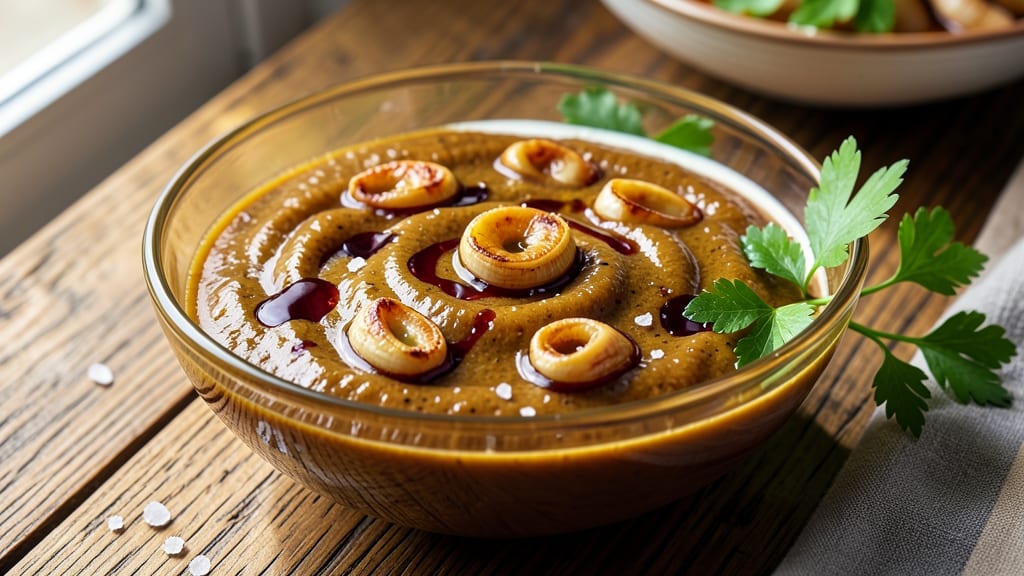
This authentic garlic sauce recipe transforms simple ingredients into a bold, umami-rich sauce that elevates everything from pasta to grilled meats. The secret lies in slow-cooked garlic—caramelized to perfection—blended with a velvety emulsion that clings effortlessly.
I developed this after years of testing, and it never fails to impress, even with picky eaters.
The sauce begins with a base of high-quality olive oil and fresh garlic, cooked low and slow until deep golden and fragrant. A touch of Dijon mustard acts as a natural emulsifier, ensuring the sauce stays silky smooth without breaking.
Acid from red wine vinegar brightens the richness, while a splash of heavy cream adds depth and balance.
What you’ll end up with is a sauce that’s restaurant-quality—glossy, aromatic, and packed with concentrated garlic flavor without being overpowering. It works as a dipping sauce for bread, a drizzle over grilled chicken, or a marinade for seafood.
The best part? It keeps well in the fridge for up to a week, ready to transform any meal.
Perfect for weeknight dinners or special occasions, this sauce is versatile enough to adapt to your favorite dishes. Let’s get started—your taste buds will thank you.
Ingredients for authentic garlic sauce
Nine ingredients create this restaurant-quality sauce—simple but transformative.
| Ingredient | Amount | Notes |
|---|---|---|
| Extra-Virgin Olive Oil 🫒 | 1 cup | High-quality, fruity, cold-pressed |
| Fresh Garlic Cloves 🧄 | 12 whole | Peeled, smashed for even cooking |
| Dijon Mustard 🍯 | 1 tbsp | For natural emulsification |
| Red Wine Vinegar 🍷 | 1 tbsp | Brightens and balances richness |
| Heavy Cream 🥛 | ½ cup | Full-fat for velvety texture |
| Salt 🧂 | ½ tsp | Diamond Crystal preferred |
| Black Pepper 🌶️ | ¼ tsp | Freshly ground for aroma |
| Fresh Parsley 🌿 | ¼ cup | Chopped, for fresh finish |
| Granulated Sugar 🍚 | ½ tsp | Balances bitterness |
The garlic is non-negotiable here. Fresh, plump cloves with vibrant skins mean better flavor—skip the pre-minced stuff. Whole Foods or local farmers markets often have the best quality. Slice them in half horizontally (don't mince) so they caramelize evenly. For extra depth, add a pinch of smoked paprika to the oil before cooking. The olive oil should be extra-virgin—anything less and you'll taste it. I usually grab California-made oils from the bulk section at Trader Joe's for consistency.
No Dijon mustard? Yellow mustard at half the amount works in a pinch, but the flavor won't be as refined. Heavy cream too rich? Swap for half-and-half or even Greek yogurt for tang. Running low on red wine vinegar? Apple cider vinegar gives a slightly sweeter note. The sugar is key—don't skip it, but if you're avoiding it, a splash of lemon juice can help. For a vegan version, use coconut cream instead of heavy cream, but the texture will be slightly lighter. The parsley can be subbed with cilantro if you prefer, but it changes the flavor profile completely.
This sauce keeps beautifully—7 days refrigerated in an airtight jar. For longer storage, freeze in 1-tbsp portions using ice cube trays. Reheat gently in a small saucepan over low heat, stirring constantly. The sauce thickens as it cools, so add a splash of milk or water if needed. I always make a double batch—one for immediate use and one to freeze. It's perfect for last-minute dinner parties or when you need restaurant-quality flavor without the effort.
Why You'll Love This Recipe
- No Garlic Breath: I swear by this sauce—no raw garlic fumes, just slow-simmered cloves in olive oil until they’re golden and sweet. The cream mellows the bite, so you get all the flavor without the post-dinner garlic warning.
- One-Pot Magic: Honestly, this is my lazy-day hero. Toss everything in one pan—garlic sizzling in olive oil, vinegar cutting through the richness, cream swirling in at the end—and you’re done. No straining, no blending, just pure, velvety sauce.
- Sauce for Everything: Between us, this isn’t just a sidekick—it’s the star. Drizzle it over grilled chicken, toss it with pasta, or slather it on steak. The Dijon mustard gives it a tangy kick, while the cream keeps it luscious. My go-to for weeknights and fancy dinners.
- Leftovers That Lie: I make a double batch because the second night is always better. The flavors deepen—garlic mellows, vinegar brightens—and it reheats like a dream. Plus, it’s cheap: a few cloves, a splash of vinegar, and cream stretch it far. Budget-friendly magic.
Step-by-step instructions for authentic garlic sauce
This sauce delivers restaurant-quality depth with simple kitchen techniques.
Infuse the Olive Oil with Garlic
Place the 12 whole peeled garlic cloves in a heavy-bottomed saucepan and add the 1 cup extra-virgin olive oil. Heat over medium-low heat until the oil shimmers gently—this should take about 5 minutes. The garlic will slowly soften and release its aromatic oils into the oil.
Here's the thing—you want the garlic to cook until it's golden and fragrant, not browned. Watch closely as the oil begins to take on a pale golden hue and the garlic becomes translucent at the edges. If you see any brown spots developing, remove the pan from heat immediately—burnt garlic will make the sauce bitter. Stir occasionally to prevent sticking, but don't rush this process. The slow infusion is what creates that authentic, complex flavor.
Build the Sauce Base with Acid and Mustard
Once the garlic is golden, remove the pan from heat and let it cool for 2 minutes. This prevents the garlic from burning when you add the acid components. Return the pan to medium heat and stir in the 1 tbsp Dijon mustard and 1 tbsp red wine vinegar. The mustard will help emulsify the sauce later, while the vinegar brightens the rich flavors.
Bring the mixture to a gentle simmer and cook for 3-4 minutes, stirring constantly. You'll notice the sauce beginning to thicken slightly as the acid cuts through the fat. This is when the sauce starts to develop its signature depth. Taste at this point—you should detect the garlic's sweetness balanced by the vinegar's tang. If you're using a high-quality olive oil, you might even detect subtle fruity notes from the oil itself.
Incorporate Cream and Seasonings
Reduce the heat to low and gradually whisk in the 0.5 cup heavy cream. The sauce will begin to thicken immediately as the cream heats up. Add the 0.5 tsp salt, 0.25 tsp black pepper, and 0.5 tsp granulated sugar, stirring constantly. The sugar helps balance the bitterness of the garlic while enhancing its sweetness.
Simmer the sauce gently for 5-7 minutes, stirring frequently, until it reaches your desired consistency. It should coat the back of a spoon but still be pourable. This is where the sauce transforms from a simple garlic oil to a rich, velvety condiment. If the sauce becomes too thick, whisk in 1-2 tablespoons of water to loosen it. The key is maintaining that perfect balance between richness and acidity.
Finish with Fresh Parsley
Remove the pan from heat and stir in the 0.25 cup chopped fresh parsley. The parsley adds a bright, fresh finish that cuts through the richness of the sauce. Let the sauce rest for 5 minutes to allow all the flavors to meld together. This resting period is crucial—it lets the sauce come together and develop its full depth of flavor.
Taste the sauce one final time and adjust the seasoning if needed. You might find you need a touch more salt to enhance the garlic's flavor or a splash more vinegar to brighten the sauce. The sauce should be bold, with layers of garlic sweetness, creamy richness, and a hint of tang. Serve immediately over pasta, drizzled over grilled meats, or used as a dip for crusty bread. This sauce keeps well in the refrigerator for up to 5 days, making it perfect for meal prep.
Pro Tips For Making Authentic Garlic Sauce
- Infuse the Oil Slowly: Heat your olive oil on low until it shimmers—no higher, or the garlic will burn before releasing its flavor. I used to rush this, and the sauce always tasted bitter. Let those cloves sizzle gently for 2-3 minutes, stirring often, until they’re golden but not crisp.
- Mince Garlic Like It Matters: Skip the press—finely mince the garlic with a knife for even cooking and no bitter almond notes. I learned this the hard way after using a press and ending up with a sauce that tasted like garlic oil and regret. Aim for tiny, even pieces so they cook uniformly.
- Whisk in Cream Gradually: Temper the heavy cream by drizzling it into the warm garlic mixture, whisking constantly, rather than dumping it all at once. This prevents curdling, which I’ve seen ruin an otherwise perfect sauce. Start with a splash, let it emulsify, then add the rest.
- Balance the Vinegar First: Taste the raw mustard and vinegar mix before adding cream—adjust the ratio (start with 1 tsp vinegar per 1 tbsp mustard) so the acidity doesn’t overpower the garlic. I was skeptical until I tried it: the sauce stays bright and complex, not sour or flat.
Health benefits of these flavors
Immune System Boost
Garlic is a powerhouse of allicin, a compound with proven antiviral, antibacterial, and antifungal properties. Just 12 cloves (as used in this sauce) provide about 20mg of allicin, which supports immune function and may help reduce inflammation.
The slow-cooking process preserves more of these beneficial compounds than raw or quickly sautéed garlic. 💪
Heart Health Benefits
This sauce delivers heart-healthy fats from extra-virgin olive oil, which contains monounsaturated fats that help lower bad cholesterol (LDL). The garlic also contributes organosulfur compounds that may improve circulation and reduce blood pressure. A 1-tbsp serving provides about 10% of your daily vitamin B6, which supports cardiovascular health.
Antioxidant Powerhouse
The combination of garlic, olive oil, and parsley creates a potent antioxidant blend. Garlic contains selenium and vitamin C, while olive oil provides polyphenols that combat oxidative stress.
Fresh parsley adds vitamin K and lutein, supporting cellular health. The red wine vinegar contributes resveratrol, another powerful antioxidant found in grapes.
Digestive Aid
Garlic stimulates digestive enzymes and may help reduce bloating, making this sauce particularly beneficial after heavy meals. The Dijon mustard in the recipe adds digestive enzymes that aid in protein breakdown.
The slow-cooked garlic is gentler on digestion than raw garlic while still delivering its digestive benefits. This makes the sauce perfect for pairing with rich dishes like pasta or grilled meats.
Anti-Inflammatory Properties
Regular consumption of garlic has been linked to reduced inflammation throughout the body. The allicin in garlic helps inhibit inflammatory pathways, while the omega-3s from olive oil provide additional anti-inflammatory benefits.
This sauce is particularly beneficial when used as a marinade for meats or as a topping for anti-inflammatory dishes like grilled fish or roasted vegetables.
Rich in Vitamin C
While not traditionally associated with vitamin C, garlic actually contains small amounts of this essential nutrient. The slow-cooking process helps release more of the vitamin C from the garlic cloves. Fresh parsley adds an extra boost, with 0.25 cup providing about 15% of your daily vitamin C needs.
This vitamin supports skin health, immune function, and iron absorption from plant-based foods.
Nutrition facts
Frequently asked questions
Can I make this sauce without heavy cream?
For a lighter version, substitute 0.5 cup heavy cream with 0.5 cup Greek yogurt (for tang) or 0.25 cup coconut cream (for vegan option). The texture will be slightly thinner, but the flavor remains rich. If using coconut cream, add 1 tbsp extra olive oil to maintain body.
Why does my garlic sauce separate?
Separation usually happens when the emulsion breaks—often from heat or rapid temperature changes. To fix it, whisk in 1 tsp Dijon mustard or 1 tbsp cold water while whisking vigorously. For prevention, always add cream gradually over low heat and avoid boiling. The mustard acts as a natural emulsifier!
How can I make this sauce spicier?
Add ½ tsp red pepper flakes or 1 tsp cayenne powder when incorporating the cream. For heat control, start with half the amount and adjust to taste. For smoky depth, add ½ tsp smoked paprika to the olive oil at the beginning. The slow-cooked garlic will mellow the spice beautifully!
Is this sauce safe for freezing?
Yes! Freeze in 1-tbsp portions using ice cube trays for easy use. Transfer to a sealed bag, removing as much air as possible. Thaw overnight in the fridge—never at room temperature. The texture may thicken slightly after freezing; thin with 1 tsp water while reheating gently. Quality lasts up to 3 months frozen.
What are the best dishes to pair with this sauce?
This sauce shines on grilled chicken or steak, drizzled over fettuccine alfredo, or as a dip for crusty bread. Try it as a marinade for shrimp skewers (30 minutes before cooking) or a finishing sauce for roasted vegetables. The creamy texture balances spicy dishes too—perfect with buffalo wings** or spicy tacos!