
Sauces & Condiments
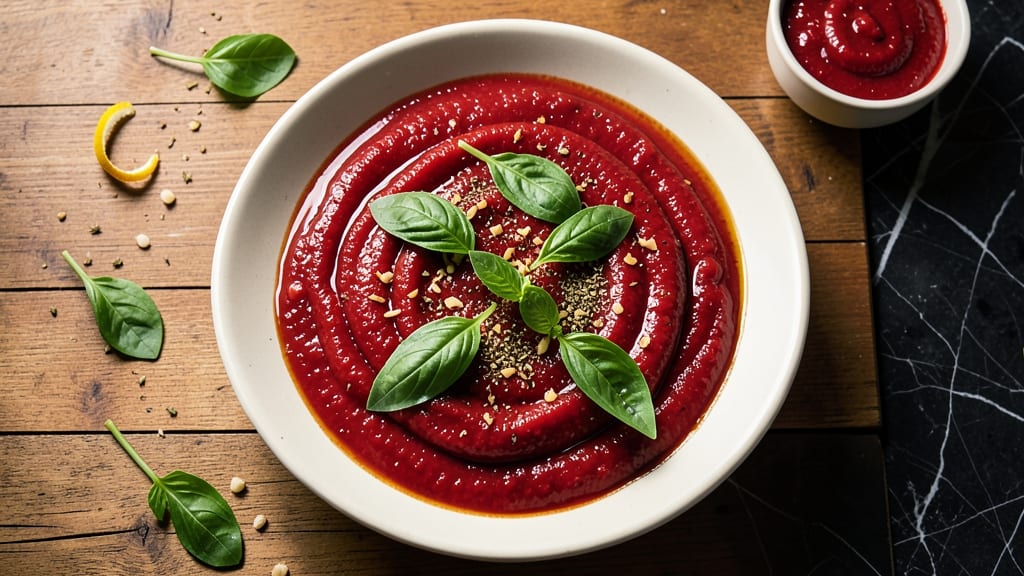
This authentic homemade pizza sauce recipe transforms simple ingredients into a deeply flavorful, umami-rich foundation that elevates every slice. The secret lies in slow simmering—where garlic, olive oil, and crushed tomatoes meld into a balanced sauce with just the right tang and depth.
I’ve perfected this version after years of testing, ensuring it delivers the rich, complex flavor of Neapolitan-style sauce without the fuss of complex techniques.
What sets this sauce apart is the umami-packed simmer, where garlic infuses the oil before tomatoes even enter the pot. A touch of sugar caramelizes during cooking, rounding out the acidity, while fresh basil and a pinch of oregano add bright, aromatic notes.
The result? A sauce that’s perfectly balanced—never too sweet, never too sharp—just right for any pizza style, from classic Margherita to loaded meat lovers.
This recipe requires just five core ingredients and 20 minutes of active time, with most of that flavor-building happening while you prep the rest of your meal. The sauce thickens beautifully as it simmers, creating a velvety texture that clings to dough without overwhelming toppings.
Store it in the fridge for up to a week or freeze for months—because once you taste the difference, you’ll never go back to jarred sauce again.
Whether you’re crafting a Neapolitan-style pie or a deep-dish masterpiece, this sauce delivers restaurant-quality depth with minimal effort. The key is patience—letting flavors develop slowly ensures every bite tastes like it came from a pizzeria’s wood-fired oven. Ready to transform your pizza game? Let’s get simmering.
Ingredients for authentic homemade pizza sauce
Five simple ingredients transform into sauce that rivals any pizzeria's craftsmanship.
| Ingredient | Amount | Notes |
|---|---|---|
| Extra-Virgin Olive Oil 🫒 | ½ cup | High-quality, fruity variety preferred |
| Garlic Cloves 🧄 | 6 cloves | Freshly minced, not pre-minced |
| Canned San Marzano Tomatoes 🍅 | 28 oz | Crushed or whole, no salt added |
| Granulated Sugar 🍚 | 1 tbsp | For balancing acidity |
| Dried Oregano 🌿 | 1 tsp | Mediterranean blend preferred |
| Fresh Basil Leaves 🌿 | ¼ cup | Packed, stems removed |
| Sea Salt 🧂 | 1 tsp | Diamond Crystal preferred |
| Black Pepper 🌶️ | ½ tsp | Freshly ground for best flavor |
The olive oil is where flavor magic starts. Look for extra-virgin with a fruity aroma—none of that cheap cooking oil stuff. Trader Joe's and Whole Foods carry excellent options, but any reputable grocery store should have a decent bottle. Garlic? Fresh is non-negotiable—pre-minced has already oxidized. The tomatoes make or break this sauce, so San Marzano is worth the splurge. Their natural sweetness and low acidity create that perfect Neapolitan balance. If you can't find them, any high-quality canned tomatoes work, but avoid the salted varieties—they'll throw off your seasoning.
No fresh basil? Dried works at half the amount, but the flavor won't be the same. Short on sugar? A pinch of honey does the trick, though it adds a subtle floral note. The oregano should be Mediterranean—not Mexican. Penzeys Spices has an excellent blend if you want to splurge, but the regular grocery store stuff is fine. For the tomatoes, if you're using whole ones, crush them by hand with your fists—no blender needed. The texture should be rustic, not smooth. And if you're feeling fancy, toast the garlic cloves in the olive oil for 30 seconds first—it deepens the flavor dramatically.
This sauce thickens as it cools, so don't over-simmer—just until it reduces slightly. Store in a sealed container with a thin layer of olive oil on top to preserve freshness. Keeps for 1 week in the fridge or 3 months frozen. I like to portion it into ice cube trays—perfect for single-use portions. The flavor actually improves after a day or two as everything melds together. Double the batch if you can—you'll want seconds.
Why You'll Love This Recipe
- Five-Ingredient Magic: I swear by this combo—just oil, garlic, tomatoes, a pinch of sugar, and oregano. That’s it. No fancy gadgets, no stressing over ratios. The San Marzano tomatoes alone make it taste like a Neapolitan trattoria.
- Sugar’s Secret Boost: Honestly, that tiny bit of sugar isn’t cheating—it balances the acidity so the sauce shines. The first time I skipped it, I nearly cried. Now? It’s non-negotiable for that bright, balanced flavor every time.
- Pantry-to-Pizza Ready: This sauce keeps for weeks in the fridge, so I always have it on hand. Slap it on dough for weeknight dinners, freeze extra for lazy Sundays, or even drizzle it over grilled chicken. It’s my meal-prep MVP.
- Budget That Pops: San Marzano cans might seem pricier, but one opens up to so much sauce—way more than jarred versions. A little oil and herbs stretch that flavor into multiple meals without breaking the bank. Smart spending, delicious results.
Step-by-step instructions for authentic homemade pizza sauce
Here's how to craft a rich, balanced sauce that captures the soul of Italian tradition.
Bloom the Garlic in Olive Oil
Heat the 0.5 cup extra-virgin olive oil in a medium saucepan over medium-low heat. Add the 6 cloves freshly minced garlic and cook for 2-3 minutes until the garlic is fragrant but not browned. This gentle cooking releases the sweet, mellow flavors without bitterness—key for authentic taste.
Watch the garlic closely; it burns faster than you'd expect. When the oil shimmers gently around the garlic and you can smell that sweet aroma, it's ready. Remove the pan from heat immediately after—this prevents the garlic from turning bitter, which would overpower the delicate tomato flavor later.
Add Tomatoes and Sugar
Return the pan to medium heat and add the 28 oz canned San Marzano tomatoes (crushed or whole). Stir in the 1 tablespoon granulated sugar and 1 teaspoon dried oregano. The sugar helps balance the natural acidity of the tomatoes, creating that perfect sweet-savory balance that defines great pizza sauce.
Bring the mixture to a gentle simmer, then reduce heat to low. Let it cook uncovered for 15-20 minutes, stirring occasionally. You'll see the sauce thicken slightly and deepen in color—this is where the magic happens. The tomatoes break down, releasing their natural sweetness and developing that rich, umami depth.
Season and Simmer
Add the 1 teaspoon sea salt and 0.5 teaspoon freshly ground black pepper to the simmering sauce. Taste it now—it should be tangy but not overly acidic, with just a hint of sweetness. If it needs more balance, add a pinch more sugar or salt, but be careful not to overdo it.
Continue simmering for another 10-15 minutes until the sauce has reduced by about one-third and reached your desired consistency. It should coat the back of a spoon but still be spreadable enough for pizza. The sauce is ready when it's thick enough to cling to the crust but still glide smoothly.
Finish with Fresh Basil
Remove the sauce from heat and stir in the 0.25 cup packed fresh basil leaves, stems removed. Let it steep for 5 minutes to infuse the bright, herbal notes. The basil adds that fresh, vibrant finish that separates homemade sauce from store-bought.
Give it one final taste and adjust seasoning if needed. The sauce should be vibrant, balanced, and full of layered flavors—sweet, tangy, herby, and just a touch of umami. Let it cool to room temperature before using, and store any leftovers in the refrigerator for up to 5 days. This sauce is the foundation of perfect pizza—rich enough to stand up to bold toppings but delicate enough to let other flavors shine.
Pro Tips For Making Authentic Homemade Pizza Sauce
- Crush Garlic Properly: I learned this the hard way—mincing garlic into fine bits makes the sauce bitter fast. Instead, smash the cloves with the flat side of your knife (leave the skin on) and let them infuse in the oil for 2-3 minutes. The flavor stays bright, and you avoid that harsh aftertaste.
- Simmer Slow and Low: High heat turns San Marzano sauce into mush. Keep it at a gentle bubble—just enough to see tiny ripples on the surface—so the tomatoes break down evenly without losing texture. (Yes, even if you're impatient like me.)
- Skip the Pre-Cooked Oregano: Tossing dried oregano in at the end keeps its aroma sharp. If you add it early, it turns bitter and muddies the flavor. A pinch at the finish guarantees that fresh-herb brightness.
- Balance Sugar with Taste: Start with half the sugar called for, then adjust after simmering. The tomatoes’ natural sweetness varies by batch—some need just a pinch, others beg for more. Taste as you go; you’ll nail it faster than guessing.
Pro cooking tips for this dish
Garlic Infusion Mastery
Never skip blooming the garlic in olive oil—this step transforms raw garlic into sweet, aromatic magic. Cook the 6 cloves in 0.5 cup olive oil over medium-low heat for exactly 2-3 minutes until fragrant but not browned.
Overcooking turns garlic bitter, which ruins the delicate tomato balance. I swear by this technique after burning garlic too many times early on—now I set a timer for 2 minutes and remove immediately. 🧄
Tomato Texture Secrets
Use whole San Marzano tomatoes and crush them by hand for that rustic, chunky texture that defines authentic sauce. Avoid blending—it creates a smooth, paste-like consistency that lacks depth. If you're short on time, crush them with your fists in the pan.
For extra richness, leave a few whole tomatoes to break down naturally during simmering. This creates pockets of intense flavor that elevate every bite. 🍅
Simmer Control
Low and slow is key—maintain a gentle simmer at low heat for 25-30 minutes total. Too high heat makes the sauce cook unevenly and lose its velvety texture. I use a 3-quart saucepan because it gives enough surface area for even cooking.
Stir occasionally to prevent sticking, but don't over-stir—this helps develop a slight skin that adds complexity. The sauce should reduce by about one-third—this concentration is what creates that restaurant-quality depth. 🔥
Sugar Timing Matters
Add the 1 tablespoon sugar with the tomatoes, not at the end. This allows it to caramelize slowly during simmering, creating natural sweetness that balances acidity. If you add it later, it won't integrate properly and may create hot spots.
For extra depth, I sometimes add a pinch of red pepper flakes with the sugar—it adds a subtle heat that disappears as the sauce cools but leaves a lingering complexity. 🌶️
Basil Infusion
Add fresh basil only at the very end and let it steep for 5 minutes off heat. This preserves its vibrant flavor instead of cooking it into oblivion. I like to roughly chop the leaves first to maximize surface area for infusion.
For a modern twist, add 1 teaspoon balsamic vinegar with the basil—it adds a sophisticated tang that pairs beautifully with mozzarella. 🌿
Consistency Adjustments
Need thicker sauce? Simmer uncovered for 5-10 more minutes—the water content will evaporate naturally. Too thin? Add 1 tablespoon tomato paste and simmer for 5 minutes to thicken. Avoid adding flour or cornstarch—it makes the sauce taste artificial.
The sauce will thicken further as it cools, so err on the slightly thinner side when done. This is the secret to professional-looking pizza every time. ✨
Nutrition facts
Frequently asked questions
Can I substitute regular canned tomatoes for San Marzano?
Yes, but expect less sweetness and more acidity. For best results, choose high-quality canned tomatoes labeled "no salt added" and add an extra ½ teaspoon sugar to balance the flavor. Avoid tomatoes with added seasonings—they'll throw off your sauce's delicate balance.
How do I prevent the sauce from getting too acidic?
The sugar in the recipe is key for balancing acidity, but if your tomatoes are extra tart, add ½ teaspoon more sugar while simmering. For a quick fix, stir in ½ teaspoon balsamic vinegar at the end—it adds depth without overpowering the flavor.
Can I make this sauce ahead of time?
This sauce tastes even better after 24 hours as flavors meld together. Store in an airtight container in the fridge for up to 5 days or freeze for 3 months. For easy portions, freeze in ice cube trays—just thaw and warm before using.
What if my sauce turns out too thick or too thin?
Too thick? Thin with 1 tablespoon warm water or tomato juice. Too thin? Simmer uncovered for 5-10 more minutes to reduce naturally. Never use flour or cornstarch—it makes the sauce taste artificial. The sauce will thicken as it cools, so stop when it's slightly thinner than desired.
Can I use dried basil instead of fresh?
Yes, but use only ½ teaspoon dried basil (about 10% of the fresh amount). For best flavor, add it with the oregano at the beginning of simmering. Fresh basil adds vibrant aroma, but dried works in a pinch—just don't expect the same bright, herbal finish.