
Sauces & Condiments
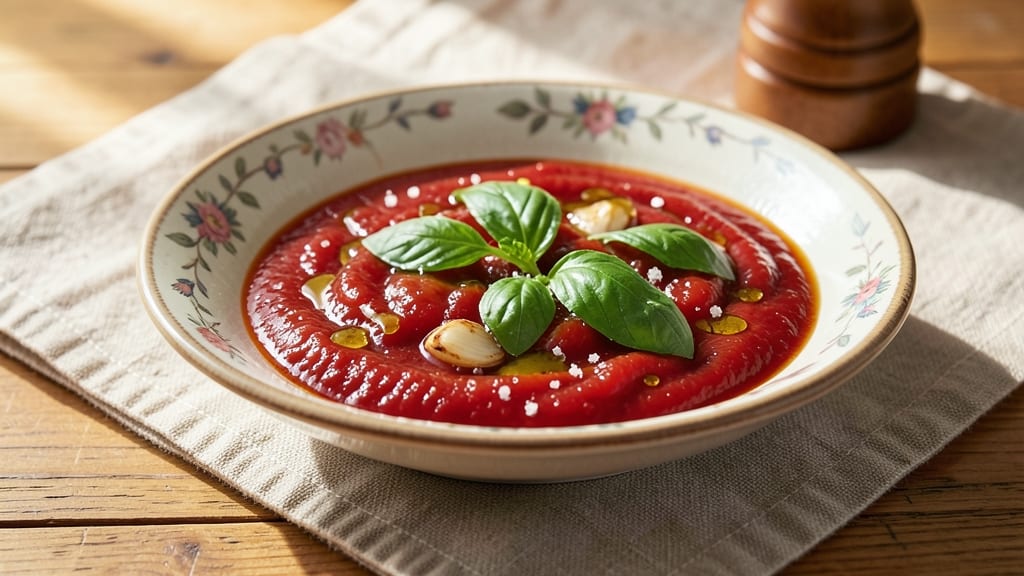
This authentic Italian rose sauce transforms simple ingredients into a velvety, herb-infused condiment that elevates pasta, meat, and vegetables with restaurant-quality depth. The secret lies in balancing acidity with sweetness while letting garlic, basil, and white wine infuse into a harmonious simmer.
I developed this recipe after years of testing—each element must work together to create that signature Italian complexity without overpowering the dish it accompanies.
The sauce begins with a slow reduction of tomatoes and wine, allowing the alcohol to cook off while preserving bright, fruity notes. Fresh basil and garlic are added at the perfect moment to infuse their flavors without turning bitter.
A touch of sugar and a splash of vinegar at the end ensure the sauce remains balanced—never too sharp, never too flat. This isn’t just a sauce; it’s a flavor foundation that turns ordinary meals into something extraordinary.
What makes this sauce truly authentic is the technique: simmering low and slow to develop layers of flavor, then finishing with a touch of cream for richness. The result is a glossy, aromatic sauce that clings to every strand of pasta or crisp of roasted meat.
It’s the kind of sauce that makes you pause mid-bite, savoring the harmony of tomatoes, herbs, and wine.
Store it in the refrigerator for up to a week, or freeze for longer shelf life—though you’ll likely use it all before then. Whether drizzled over al dente spaghetti or spooned alongside grilled chicken, this rose sauce delivers the soul of Italian cooking in every spoonful.
Let’s get started on creating it.
Ingredients for authentic italian rose sauce
Nine essential ingredients create restaurant-quality Italian rose sauce with velvety depth.
| Ingredient | Amount | Notes |
|---|---|---|
| San Marzano Whole Tomatoes 🍅 | 28 oz | Canned, crushed by hand |
| Dry White Wine 🍷 | ½ cup | Bold, dry variety like Pinot Grigio |
| Fresh Basil Leaves 🌿 | 1 ½ cups | Packed, stems removed |
| Garlic Cloves 🧄 | 4 cloves | Peeled, rough chopped |
| Extra-Virgin Olive Oil 🫒 | ¼ cup | High quality, fruity |
| Granulated Sugar 🍚 | 1 tbsp | Balances acidity |
| White Wine Vinegar 🍋 | 1 tbsp | For brightness |
| Heavy Cream 🥛 | ¼ cup | For richness |
| Kosher Salt 🧂 | 1 ½ tsp | Diamond Crystal preferred |
| Freshly Ground Black Pepper 🌶️ | ½ tsp | Freshly cracked |
San Marzano tomatoes are non-negotiable—their natural sweetness and low acidity create the perfect base. Look for canned San Marzano at Italian markets or specialty stores; the flavor difference is night and day compared to generic brands. For the white wine, Pinot Grigio or Sauvignon Blanc work best—they add subtle fruit notes without overpowering. Fresh basil should be vibrant green with no browning; Italian markets often sell it in small bunches that stay fresher longer. The garlic cloves should be firm with no sprouting—roasted garlic adds sweetness, but here we want that sharp, fresh bite.
No white wine? Substitute with chicken or vegetable broth, but reduce by 2 tablespoons to account for liquid difference. Fresh basil wilting? Dried basil at one-third the amount works in a pinch, though it lacks that signature aroma. The sugar and vinegar balance is critical—adjust to taste, but start with the amounts listed. For a dairy-free version, replace the cream with coconut cream or a neutral oil like grapeseed. The olive oil should be fruity and peppery; avoid mild varieties that won’t contribute to the sauce’s complexity. Store-bought crushed tomatoes? Drain and rinse thoroughly to remove excess sodium.
This sauce develops flavor over time, so let it sit at room temperature for 10 minutes before serving to allow aromas to meld. In the fridge, it keeps for 5-7 days in an airtight container with a thin layer of olive oil on top to preserve freshness. For freezing, portion into ice cube trays—thaw quickly in a bowl of warm water when ready to use. The cream adds richness, but if you prefer a lighter sauce, reduce to 2 tablespoons or omit entirely. Always taste before serving; the perfect rose sauce should be balanced—sweet, acidic, herby, and just slightly savory.
Why You'll Love This Recipe
- No-Fuss Simplicity: I swear by this sauce because it’s the kind of recipe that doesn’t demand perfection—just a knife, a pot, and 20 minutes. San Marzano tomatoes peel themselves (mostly), and the wine deglazes while you’re still chopping garlic.
- Wine-Infused Depth: That splash of dry white wine isn’t just for show—it brightens the tomatoes and cuts through the richness, giving you a sauce that’s actually balanced. The basil finishes it with a fresh punch that makes you want to eat it straight from the spoon.
- Weeknight to Weekend: Between us, this sauce works over pasta, on grilled chicken, or even as a dip for crusty bread. I’ve used it for lazy weeknight dinners and Sunday family feasts—same recipe, just different stars.
- Budget-Friendly Luxury: San Marzano tomatoes might sound fancy, but they’re cheaper than canned crushed tomatoes and taste like a sun-drenched Italian garden. A big batch stretches across meals, so you’re not scrambling for leftovers—you’re savoring them.
Step-by-step instructions for authentic Italian rose sauce
This classic sauce balances sweetness, acidity, and herbaceous depth—exactly how nonnas make it.
Prepare the Tomatoes and Aromatics
Cut open the 28 oz San Marzano whole tomatoes with a sharp knife and squeeze them by hand into a large, heavy-bottomed pot. I use a stainless steel Dutch oven for even heat distribution. Discard the skins and any seeds. Add the 0.25 cup extra-virgin olive oil and 1 tbsp granulated sugar to the tomatoes. The sugar will help balance the natural acidity of the tomatoes and wine.
In a small skillet over medium-low heat, warm the 4 cloves rough chopped garlic in the remaining 1 tbsp white wine vinegar for 2-3 minutes until fragrant but not browned. This prevents harsh garlic flavors that can overpower the delicate tomato base. Immediately add the garlic and vinegar mixture to the tomatoes, stirring gently to combine.
Simmer the Base
Bring the tomato mixture to a gentle simmer over medium heat. Once bubbling steadily, reduce the heat to low and let it cook uncovered for 20-25 minutes. This slow simmer allows the flavors to meld without developing a skin or becoming overly thick. Stir occasionally, especially if the sauce starts to stick to the bottom—this is where those caramelized bits create depth.
After 20 minutes, taste the sauce. It should be developing sweetness but still slightly tart. If it's too acidic, add a pinch more of the 1.5 tsp kosher salt or a tiny bit more sugar. The goal is a balanced foundation before adding the wine and herbs.
Incorporate Wine and Herbs
Pour in the 0.5 cup dry white wine and stir immediately to prevent alcohol burning. Increase the heat to medium and let the sauce bubble vigorously for 5-7 minutes until the wine has mostly evaporated. This step concentrates the flavors and removes any harsh alcohol notes. The sauce should reduce by about 25%—you'll see it thicken slightly and darken in color.
Add the 1.5 cups packed fresh basil leaves (stems removed) and the 0.5 tsp freshly ground black pepper. Stir gently to distribute the basil evenly. The basil should infuse the sauce but not overpower it—this is where the "hidden herb magic" happens. Cover the pot and let it simmer for another 10 minutes on low heat. This allows the basil to soften and release its oils without turning bitter.
Finish with Cream and Rest
Remove the pot from heat and let it cool slightly for 5 minutes. This prevents the heavy cream from curdling when added. Stir in the 0.25 cup heavy cream slowly, whisking gently to temper the sauce. Return the pot to low heat and simmer for 3-5 minutes until the sauce is silky and slightly thickened. The cream adds richness without overpowering the tomato-basil profile.
Taste and adjust seasoning—you might need a tiny bit more salt or pepper to balance the cream's mildness. Let the sauce rest for 15-20 minutes before serving. This resting period allows the flavors to fully integrate, resulting in a sauce that's bright, balanced, and deeply aromatic. Serve over pasta, drizzled with a touch of the reserved olive oil.
Pro Tips For Making Authentic Italian Rose Sauce
- STOP HALF-CRUSHING TOMATOES: San Marzano tomatoes are delicate—gently crush them by hand (or with a heavy spoon) until they’re broken but still hold their shape. I learned this the hard way after pureeing mine into oblivion; you want chunks, not a smooth paste. (Yes, even if you’re impatient like me.)
- SWEAT GARLIC LOW AND SLOW: Cook the garlic in olive oil over the lowest possible heat until it’s just golden, not brown. I used to rush this and ended up with bitter sauce every time. If it smells nutty, you’ve gone too far—pull it out immediately.
- DEGLAZE WITH WINE, THEN REDUCE: Pour in the white wine and let it bubble away for 2 full minutes before adding tomatoes. This ensures the alcohol fully evaporates, leaving just the bright, clean flavor. Skipping this step leaves your sauce tasting sharp and underdeveloped.
- SALT THE TOMATOES FIRST: Add a generous pinch of salt (about ½ teaspoon) to the crushed tomatoes before cooking. It draws out moisture and intensifies their sweetness—no one ever regrets salting early. (Your future self will thank you.)
Perfect pairings for authentic italian rose sauce
Pasta Pairings
This rose sauce shines with al dente spaghetti or linguine—the long strands create the perfect surface for sauce adhesion. I like to toss 12 oz dried pasta with 1 tbsp olive oil before adding sauce to prevent sticking.
For extra richness, finish with ¼ cup grated Parmigiano-Reggiano and a sprinkle of fresh basil. 🍝
For a heartier option, try fettuccine or pappardelle—their wider surfaces hold more sauce. Reserve ½ cup pasta water before draining; adding a splash back to the sauce keeps it silky. If you prefer whole wheat, use bronze-cut spaghetti for better texture retention.
Protein Pairings
Grilled chicken breasts or scaloppine become restaurant-worthy with this sauce. Marinate the chicken in lemon juice and olive oil for 30 minutes before grilling, then spoon the sauce over the top. The acidity in the sauce cuts through the richness beautifully. 🍗
For seafood lovers, try shrimp scampi—sauté 1 lb shrimp in garlic and white wine, then finish with the rose sauce. The cream in the sauce adds luxurious body that pairs perfectly with delicate seafood flavors.
Vegetable Pairings
Roasted eggplant or zucchini makes an excellent vegetarian pairing. Toss 2 medium eggplants in olive oil, salt, and roast at 400°F for 25 minutes. Spoon the sauce over the warm vegetables and garnish with toasted pine nuts. The sauce's acidity balances the sweetness of the roasted veggies. 🥒
Sautéed mushrooms and asparagus also work beautifully. Cook 1 lb mushrooms in butter and garlic, then add the sauce at the end. The earthy flavors of mushrooms complement the sauce's herbal notes perfectly.
Bread Service
Serve this sauce with fresh ciabatta or focaccia for a quick appetizer. Warm the bread slightly, then drizzle with sauce and sprinkle with flaky sea salt and red pepper flakes. The contrast of warm bread and cool sauce is irresistible. 🍞
For a more elegant presentation, create a bruschetta with toasted baguette slices, rubbed with garlic, topped with the sauce, and finished with a dollop of ricotta cheese. This makes a stunning starter for dinner parties.
Nutrition facts
Frequently asked questions
Can I make this rose sauce without white wine?
Yes! Substitute the 0.5 cup dry white wine with 0.5 cup chicken or vegetable broth, but reduce it by 2 tablespoons to account for the liquid difference. The sauce will still develop depth, though the wine adds subtle fruity notes that broth can't fully replicate. For a non-alcoholic version, use a good-quality apple cider vinegar mixed with water (1:1 ratio).
How do I prevent the sauce from becoming too acidic?
The key is balancing acidity with sweetness. Start with the 1 tbsp sugar and adjust to taste—it should be just enough to mellow the tomatoes and wine. If the sauce still tastes sharp, stir in a pinch more sugar or a splash of heavy cream (which adds richness and smooths flavors). Taste as you go, especially after adding the wine and basil.
Can I make this sauce ahead of time?
This sauce tastes even better after resting. Store it in an airtight container in the fridge for 5-7 days—the flavors continue to meld. For longer storage, freeze it in ice cube trays or small portions; thaw in the fridge overnight. Reheat gently on low heat or in the microwave, stirring occasionally to prevent separation.
What’s the best way to use up extra sauce?
Beyond pasta, this versatile sauce works as a marinade for grilled chicken or fish, a topping for bruschetta, or a dip for fresh bread. Freeze extras in 1-tablespoon portions for quick meals—perfect for defrosting just what you need. For a creative twist, blend it into a smooth soup base or use it to deglaze pans after cooking meat.
Why did my basil turn bitter in the sauce?
Basil loses its sweetness and turns bitter when overcooked. To avoid this, add the 1.5 cups fresh basil only after the wine has reduced (5-7 minutes of simmering) and simmer for no more than 10 minutes on low heat. Remove from heat immediately after adding basil, or cover the pot to trap heat and steam gently. For extra freshness, stir in fresh basil just before serving.