
Sauces & Condiments
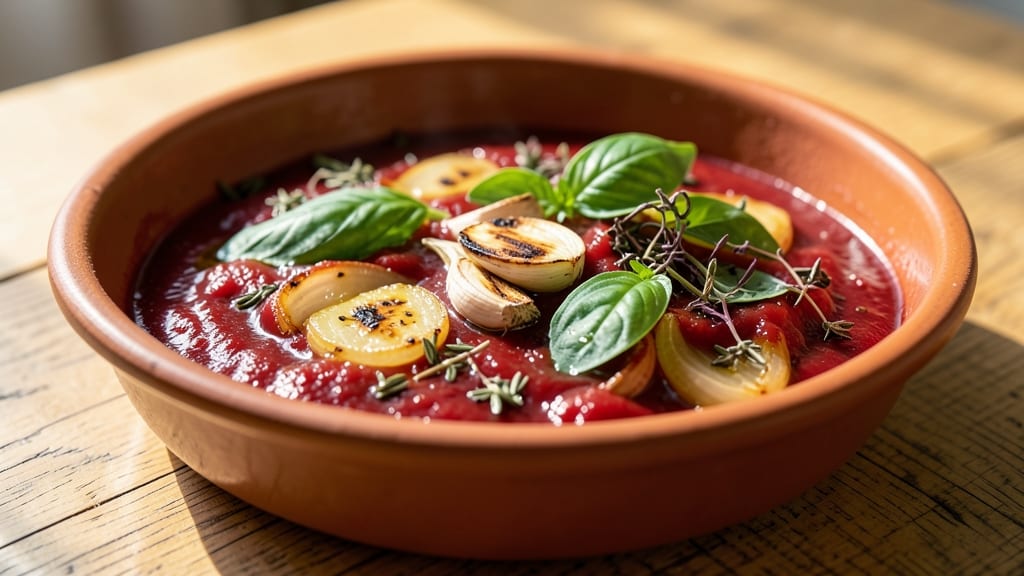
This authentic Italian tomato sauce recipe from scratch transforms simple ingredients into a rich, slow-simmered masterpiece that captures the heart of Italian cooking. 💛 The secret lies in caramelizing garlic and onions at low heat, letting their flavors develop before adding crushed tomatoes and herbs.
This method builds layers of umami that store-bought sauces simply can't match.
What sets this sauce apart is the slow simmering—the key to deep flavor development. We start with fresh tomatoes (or high-quality canned San Marzano), garlic, olive oil, and a blend of dried oregano and fresh basil.
The sauce thickens naturally as it cooks, creating a velvety texture that clings perfectly to pasta, meatballs, or grilled fish.
The result is a bold, aromatic sauce with balanced acidity and sweetness, where the basil adds a bright, fresh finish. Unlike quick recipes, this one rewards patience with restaurant-quality depth. The flavors only get better over time, making it ideal for meal prep or freezing for future use.
Perfect for weeknight dinners or special occasions, this sauce proves that authenticity comes from technique, not shortcuts. Let's create something truly Italian—starting with just a few pantry staples and an hour of simmering time.
Ingredients for authentic italian tomato sauce recipe from scratch
Fresh tomatoes, slow caramelization, and Italian herbs create restaurant-quality depth in this sauce.
| Ingredient | Amount | Notes |
|---|---|---|
| Extra-Virgin Olive Oil 🫒 | ½ cup | High-quality, fruity variety preferred |
| Yellow Onion 🧅 | 1 whole | Finely diced, about 1.5 cups |
| Garlic Cloves 🧄 | 6 cloves | Peeled, thinly sliced for caramelization |
| Fresh Tomatoes 🍅 | 2 lb | Ripe, vine-ripened preferred (or 1 28oz can San Marzano) |
| Dried Oregano 🌿 | 1 tsp | Italian or Mediterranean blend preferred |
| Fresh Basil Leaves 🌿 | ½ cup | Packed, stems removed, torn by hand |
| Kosher Salt 🧂 | 1 ½ tsp | Diamond Crystal preferred for accuracy |
| Ground Black Pepper 🌶️ | ½ tsp | Freshly cracked preferred |
| Red Wine Vinegar 🍷 | 1 tbsp | For acidity balance |
| Granulated Sugar 🍬 | 1 tsp | Optional, for subtle sweetness |
The foundation begins with extra-virgin olive oil—look for California or Italian varieties at specialty markets like Whole Foods or Eataly for optimal flavor complexity. The San Marzano tomatoes (canned or fresh) are non-negotiable for authentic sweetness; their lower acidity and consistent quality make them the gold standard. Garlic and onions should be caramelized until deep golden—this transforms their flavors from sharp to rich and mellow. For the basil, farmers' market varieties have the most vibrant flavor, but store-bought works if the leaves are bright green and firmly packed.
No fresh tomatoes? High-quality canned San Marzano is the perfect substitute—avoid the watery, pulpy varieties. Short on basil? Dried basil at one-third the amount works, though fresh is ideal for that bright finish. The red wine vinegar can be swapped for white wine vinegar in a pinch, though it lacks the same depth. Diamond Crystal kosher salt is preferred for its larger crystals and consistent measurement, but any kosher salt will work if you adjust to taste. For extra umami depth, a pinch of fish sauce (if vegetarian, use soy sauce) can be added, but it's optional in traditional recipes.
This sauce improves with time—reheat gently to preserve texture. Store in an airtight container in the fridge for up to 5 days, or freeze in ice cube trays for single-serving portions that keep for 3 months. The basil wilts quickly, so add it fresh at the end or store it separately in a damp paper towel. For meal prep, double the batch and freeze half—thaw overnight in the fridge for best results.
Why You'll Love This Recipe
- No-Chop Nightmare: I swear by this sauce because the onion and garlic barely need attention—just a quick dice while the olive oil sings in the pan. That golden swirl of oil is my cue to relax while the base builds itself.
- Herb Bomb Simplicity: Honestly, dried oregano might sound basic, but when it blooms in that warm olive oil with fresh tomatoes, it’s ridiculously good. No fresh basil? No problem. This sauce still packs that sunny, Italian vibe.
- Sunday Supper Secret: Between us, this is my go-to for feeding a crowd—double the batch, freeze half, and you’ve got next week’s pasta night covered. The flavor only gets better after a few days, so it’s basically free insurance for lazy evenings.
- Pantry Goldmine: Fresh tomatoes can be pricey, but this sauce lets you stretch them without sacrificing taste. A splash of water, a simmer, and suddenly you’ve got a week’s worth of meals that cost next to nothing. My wallet thanks me every time.
Step-by-step instructions for slow-simmered Italian tomato sauce
This method delivers restaurant-quality depth—rich, balanced, and bursting with umami.
🍳 Step 1: Sauté Onion and Garlic for Flavor Foundation
Heat the 0.5 cup extra-virgin olive oil in a heavy-bottomed saucepan over medium-low heat. Add the finely diced yellow onion and cook for 8-10 minutes until translucent and just beginning to caramelize at the edges. This gentle cooking develops sweetness that forms the sauce's base.
Push the onions to the sides of the pan and add the thinly sliced garlic cloves. Cook for 30-60 seconds until fragrant but not browned—burnt garlic adds bitterness. Stir constantly to prevent burning. Here's the thing—this aromatics stage is where 80% of your sauce's complexity comes from. Don't rush it.
🍳 Step 2: Build the Sauce with Tomatoes and Seasonings
Add the 2 lb fresh tomatoes (cut into chunks if whole) to the pan. Stir in the 1 tsp dried oregano, 1.5 tsp kosher salt, 0.5 tsp ground black pepper, and 1 tbsp red wine vinegar. The vinegar brightens the acidity while the oregano adds earthy depth. Bring to a gentle simmer over medium heat.
Partially cover the pan and let the tomatoes cook for 15 minutes until they begin to break down. You're looking for a slightly thickened consistency with soft, mushy tomatoes. This initial reduction removes excess water and intensifies flavor. If the sauce gets too thick too soon, add 2-3 tablespoons water to maintain a loose texture.
🔥 Step 3: Slow-Simmer for Umami Development
Reduce heat to low and continue simmering uncovered for 30-40 minutes, stirring occasionally. This slow cook transforms the tomatoes into a velvety sauce while developing deep, complex flavors. You'll notice the sauce darken slightly—that's the natural sugars caramelizing, creating that authentic Italian richness.
After 25 minutes, add the 1 tsp granulated sugar (if using) and stir. This subtle sweetness helps balance the acidity and rounds out the flavors. The sauce should now coat the back of a spoon with a glossy sheen. If it's still too thin, simmer uncovered for another 10 minutes to reduce further. Real talk: patience here makes all the difference.
🥘 Step 4: Finish with Fresh Basil and Adjust Seasoning
Remove the pan from heat and stir in the 0.5 cup fresh basil leaves, torn by hand. Let the basil infuse for 5 minutes—this preserves its bright, aromatic qualities rather than cooking them away. Taste the sauce and adjust seasoning if needed. Italian sauces should be balanced: bright acidity, sweet tomato notes, and underlying saltiness.
The sauce is now ready to use immediately or store for later. For best texture, I like to blend it briefly with an immersion blender for a silky finish, but leave it chunky if you prefer rustic texture. This sauce pairs perfectly with handmade pasta, grilled meats, or crusty bread—just as Nonna would make it.
Pro Tips For Making Authentic Italian Tomato Sauce Recipe From Scratch
- Sweat the Onion Slowly: I learned this the hard way—chopping onions too fine and frying them fast turns them bitter. Instead, dice them into ¼-inch pieces and cook them on medium-low heat for 5-7 minutes, stirring occasionally, until they’re translucent and just starting to caramelize. This builds flavor without burning.
- Crush Garlic with the Flat Side: Skip mincing garlic—it burns fast. Instead, smash 2-3 cloves with the flat side of your knife, then let them sit in the oil for 30 seconds before stirring. This releases their aroma without turning the sauce bitter. (Yes, even if you’re impatient like me.)
- Simmer Tomatoes Uncovered First: Start with fresh tomatoes crushed by hand (no blender—it makes the sauce too smooth). Simmer them uncovered for the first 10 minutes to evaporate excess water. Cover only after the sauce thickens slightly, or you’ll end up with a watery mess.
- Salt the Oregano: My grandmother swore by this, and she was right: sprinkle the dried oregano over the sauce with a pinch of salt before stirring. It blooms the flavor better and cuts through the acidity of the tomatoes. (Does it look weird? Yes. Does it work? Every single time.)
Common mistakes when making great authentic italian tomato sauce recipe from scratch
Overcooking the Garlic
Burnt garlic ruins the sauce instantly—it turns bitter and overpowering. I’ve made this mistake too many times, especially when distracted. Keep the heat at medium-low and watch those cloves closely.
Once they’re golden and fragrant (about 30-60 seconds), remove them immediately if they start to brown. The goal is to perfume the oil, not char the garlic. 🌶️
Skipping the Slow Simmer
Rushing the simmer is the fastest way to end up with a thin, watery sauce. I see people crank the heat up to speed things along, but that’s a big no-no. The 30-40 minute low simmer is where the magic happens—natural sugars caramelize, acidity mellows, and flavors meld.
If you’re in a hurry, at least simmer for 20 minutes minimum, but don’t expect the same depth.
Using Low-Quality Tomatoes
This is a dealbreaker. I’ve tried cheap, watery canned tomatoes, and the results are disappointing—flavorless and mushy. Stick to San Marzano tomatoes (fresh or canned) or the ripest vine-ripened fresh tomatoes you can find.
Their natural sweetness and low acidity are non-negotiable for authentic Italian flavor. If you’re using fresh tomatoes, remove the seeds and skin first for a cleaner texture.
Adding Basil Too Early
Fresh basil wilts and loses its bright aroma when cooked. I’ve seen people add it right at the start, and the sauce ends up tasting dull. Always stir in the basil off the heat and let it infuse for just 5 minutes.
This preserves its fresh, peppery notes. If you’re prepping ahead, store the basil separately and add it fresh when ready to serve.
Ignoring the Vinegar
The 1 tbsp red wine vinegar might seem like a small detail, but it’s crucial for balancing the sauce. Without it, the tomatoes can taste flat or overly sweet. I’ve left it out before, and the sauce lacked that bright, tangy finish.
If you’re avoiding vinegar, a splash of lemon juice works in a pinch, but wine vinegar’s depth is unmatched.
Over-Salting Early
It’s tempting to salt aggressively at the start, but Italian tomato sauce needs time for flavors to develop. I’ve over-salted before and had to fix it with extra tomatoes or water, which dilutes the sauce. Start with the 1.5 tsp kosher salt and taste as you go.
You can always add more later, but you can’t take it out. Adjust in small increments—¼ tsp at a time—to avoid overshooting.
Nutrition facts
Frequently asked questions
Can I make this sauce without fresh tomatoes?
Use 1 (28oz) can of San Marzano tomatoes instead of fresh—this variety delivers the authentic sweetness and low acidity that makes Italian tomato sauce shine. Just crush the tomatoes by hand before adding them to the pan for better texture. Avoid pulpy, watery canned tomatoes as they'll dilute your sauce's richness.
How do I adjust the thickness of the sauce?
For a thicker sauce, simmer uncovered for 10-15 extra minutes to reduce the liquid. If it gets too thick too soon, add 1-2 tablespoons water at a time while stirring. For a smoother texture, blend briefly with an immersion blender after cooking. Remember, authentic Italian sauces should coat the back of a spoon but still be saucy enough to cling to pasta.
What's the best way to store leftover sauce?
Store in an airtight container in the fridge for up to 5 days, or freeze in ice cube trays for single-serving portions that last 3 months. For best quality, thaw overnight in the refrigerator before reheating. The flavors actually improve over time—this sauce tastes even better the next day!
Can I make this sauce vegetarian?
Yes, this recipe is naturally vegetarian! The umami depth comes from caramelized onions, garlic, and tomatoes—not meat. For extra richness, add 1 tbsp nutritional yeast or a pinch of smoked paprika to mimic meaty flavors. Just skip any accidental meat-based ingredients like anchovies (not in this recipe).
Why does my sauce taste bitter?
Bitterness usually comes from overcooked garlic or tomatoes. Keep garlic at medium-low heat for just 30-60 seconds until fragrant but not browned. If tomatoes taste bitter, they may be overripe or underripe—choose perfectly ripe, vine-ripened tomatoes. A splash of red wine vinegar (already in the recipe) helps balance any bitterness.