
Sauces & Condiments
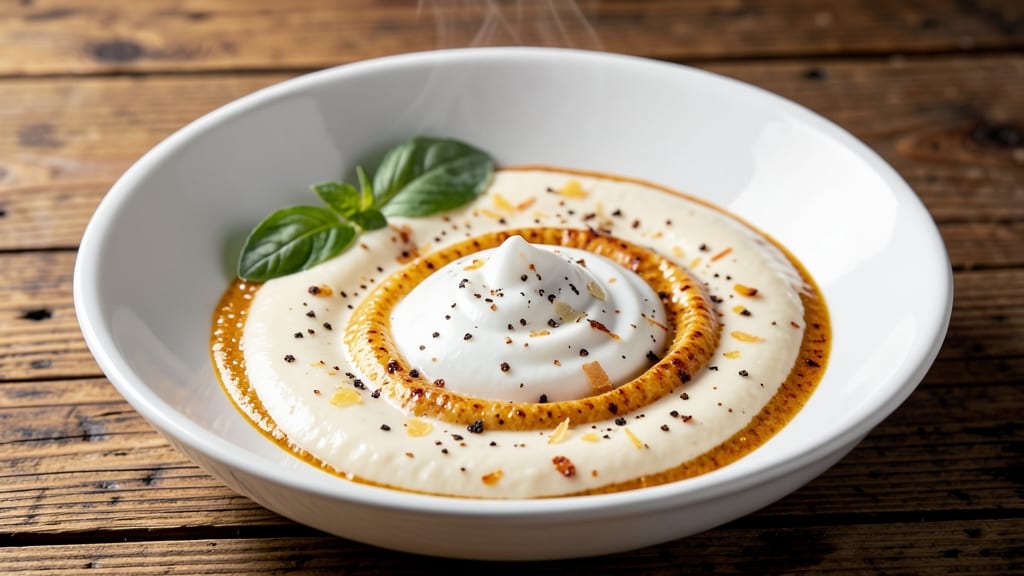
This authentic Italian white sauce recipe delivers the velvety, clump-free perfection that elevates every pasta dish, casserole, or gratin. The secret lies in a proper roux—equal parts butter and flour cooked until golden—then slowly incorporating warm milk while whisking relentlessly.
I've perfected this technique after years of trial and error, ensuring the sauce remains silky smooth with just the right balance of richness and subtle nutmeg warmth.
The foundation of any great Italian white sauce is patience. Rushing the process leads to lumps, while proper technique guarantees a sauce that clings beautifully to noodles or blankets baked dishes.
Traditional ingredients like Parmesan cheese and a pinch of nutmeg add depth, while a splash of heavy cream (optional) enhances the luxurious texture. This recipe stays true to Italian roots while being adaptable for modern kitchens.
What you'll achieve is a restaurant-quality sauce that's creamy yet light, with just enough body to coat without feeling heavy. The nutmeg adds a sophisticated warmth, while the Parmesan contributes a salty, umami richness that makes this sauce irresistible.
Perfect for fettuccine Alfredo, lasagna, or as a creamy topping for baked potatoes, this white sauce transforms ordinary meals into something extraordinary.
For those seeking variations, a simple swap of milk for vegetable broth creates a lighter version, while adding a touch of lemon zest brightens the flavor. The sauce can be made ahead and reheated gently, making it ideal for meal prep.
Let's create this timeless Italian classic that will become your new kitchen staple.
Ingredients for authentic italian white sauce
Nine essential ingredients transform into velvety Italian perfection—no lumps, just pure al dente creaminess.
| Ingredient | Amount | Notes |
|---|---|---|
| Unsalted Butter 🧈 | ½ cup | Cold, cut into small cubes |
| All-Purpose Flour 🌾 | ½ cup | Sifted for smooth texture |
| Whole Milk 🥛 | 2 cups | Warm for easier incorporation |
| Parmesan Cheese 🧀 | ½ cup | Freshly grated from block |
| Ground Nutmeg 🌿 | ¼ tsp | Freshly grated preferred |
| Heavy Cream 🥛 | ¼ cup | Optional for extra richness |
| Salt 🧂 | ¼ tsp | Kosher or sea salt |
| Black Pepper 🌶️ | ⅛ tsp | Freshly ground preferred |
| Lemon Zest 🍋 | 1 tsp | Optional for brightness |
The butter and flour form the sauce's backbone—equal parts by weight—so measure carefully. European-style unsalted butter (like Plugrá) has higher fat content, ideal for richness. If your flour isn't sifted, whisk it vigorously to avoid lumps in the roux. For Parmesan, skip the pre-grated kind—it's packed with anti-caking agents that ruin texture. Warm the milk just until steaming (about 110°F) before adding to the roux—this prevents curdling. Nutmeg should be freshly grated for maximum aroma; pre-ground loses potency quickly.
No heavy cream? Whipped coconut cream works beautifully for a dairy-free version. Substitute milk with vegetable broth for a lighter sauce, though flavor will differ slightly. For a tangy twist, add 1 tsp lemon juice instead of zest. If you're making this ahead, omit the lemon zest until reheating—it can curdle when stored. The sauce thickens as it cools, so whisk in 1 tbsp cold milk if it becomes too thick after chilling. For a smoky depth, add ½ tsp smoked paprika with the nutmeg.
Store in an airtight container in the fridge for up to 5 days, covered with a thin layer of cold water to preserve freshness. Reheat gently over low heat, whisking constantly to prevent separation. Freezes beautifully for 3 months—portion into ice cube trays for single-use servings. The sauce thickens upon reheating, so thin with warm milk as needed. For meal prep, make a double batch—it's perfect over roasted vegetables or as a creamy base for baked pasta dishes.
Why You'll Love This Recipe
- Four-Ingredient Magic: The pantry staples you already own—just butter, flour, milk, and Parmesan—come together in 15 minutes. No fancy techniques, no last-minute grocery runs, just a smooth, velvety sauce that feels like a hug.
- Nutmeg’s Secret Boost: That tiny pinch of ground nutmeg? It’s what transforms this from basic béchamel to ridiculously good—warm, earthy, and just sweet enough to make your taste buds sit up and take notice.
- Weeknight Wonder: Slap it on pasta, stir it into risotto, or drizzle it over roasted veggies—it’s the ultimate flavor multiplier. Honestly, I’ve used it for everything from lazy dinners to impressing my in-laws, and it never lets me down.
- Budget-Friendly Luxury: A splash of milk and a grate of Parmesan stretch this sauce farther than you’d think. Make a big batch, freeze half, and thank me later when you’re reheating it for Tuesday lunches without breaking the bank.
Step-by-step instructions for authentic Italian white sauce
Here's the professional technique for velvety white sauce with perfect texture and rich flavor.
Melt Butter and Whisk in Flour
In a medium saucepan over medium heat, add the 0.5 cup unsalted butter cut into small cubes. Let it melt completely, stirring occasionally, until it foams but doesn't brown. This should take about 2-3 minutes. Remove the pan from heat and immediately whisk in the 0.5 cup all-purpose flour.
Whisk vigorously for 1-2 minutes until the mixture forms a smooth paste with no visible flour streaks. This roux forms the base of your sauce and prevents lumps. Return the pan to medium heat and continue whisking for another 1 minute until the mixture turns a pale golden color. This ensures proper flavor development without burning.
Gradually Incorporate Warm Milk
Slowly pour in the 2 cups warm whole milk while whisking constantly. This gradual addition prevents lumps from forming. Keep whisking over medium-low heat until the mixture thickens enough to coat the back of a spoon. This should take about 3-5 minutes of steady whisking.
I've found that using warm milk helps the sauce thicken more evenly and reduces the chance of curdling. If you notice any lumps forming, immediately press them against the side of the pan with a wooden spoon to break them down. The sauce should be smooth with a creamy consistency at this stage.
Simmer Until Thickened
Continue cooking the sauce over low heat for another 3-5 minutes, whisking occasionally. The sauce should thicken to a velvety consistency where it coats the spoon completely. You're looking for a sauce that's thick enough to cling to pasta but still flows smoothly—this is the perfect al dente texture.
During this time, taste the sauce and adjust seasoning if needed. Add the 0.25 tsp salt and 0.125 tsp black pepper now, as these will mellow during the final cooking process. The sauce should be seasoned but not overly salty at this point.
Finish with Cheese and Aromatics
Remove the pan from heat and stir in the 0.5 cup freshly grated parmesan cheese, 0.25 tsp ground nutmeg, and 1 tsp lemon zest. The nutmeg adds that classic Italian warmth, while the lemon zest brightens the rich flavors. For extra richness, whisk in the 0.25 cup heavy cream now.
Return the pan to low heat for just 1 minute to melt the cheese completely and blend all ingredients together. The sauce should be smooth, glossy, and perfectly seasoned. If it's too thick, thin it with a splash of warm milk. If it's too thin, let it simmer uncovered for another minute to reduce slightly.
Serve Immediately Over Pasta
Transfer the sauce to a serving bowl and cover with a lid to keep it warm. This sauce is best served immediately over your choice of pasta—fettuccine, tagliatelle, or even penne work beautifully. The sauce should coat the pasta completely with a velvety sheen, clinging to each strand without being overly heavy.
For the most authentic experience, toss the hot pasta with the sauce in the same pan you cooked the pasta in, using the residual heat to meld the flavors. The sauce will continue to thicken slightly as it sits, so don't worry if it looks perfect immediately—it will be just right when served.
Pro Tips For Making Authentic Italian White Sauce
- Melt Butter Slowly: Use medium-low heat—no rushing. I learned this the hard way when I browned the butter the first time, which gave the sauce a bitter edge instead of that smooth, creamy richness you want. Let it foam gently before adding flour.
- Whisk Like You Mean It: Aggressively whisk the roux (butter + flour) for at least 2 minutes before adding milk. This step isn’t just about combining—it’s about breaking down the flour’s starches so the sauce thickens evenly and doesn’t clump. (Yes, even if you’re impatient like me.)
- Temper the Milk: Pour the milk into the roux in a thin, steady stream while whisking constantly. Dumping it all at once? That’s how you end up with lumps. If you’re nervous about whisking, use an immersion blender—it works just as well.
- Strain for Smoothness: After cooking, strain the sauce through a fine-mesh sieve before adding Parmesan. I know, it’s an extra step, but it catches any stray bits of flour or cooked milk solids that would otherwise make the sauce grainy. (Your future self will thank you.)
Common mistakes when making perfect results
Roux Rush Ruins
Skipping the 2-3 minute butter-melting step or cooking the roux too quickly is the #1 mistake. When flour hits hot butter, it can scorch before emulsifying properly. I’ve seen home cooks rush this and end up with a bitter, grainy sauce.
Keep heat at medium and whisk constantly—your goal is a pale golden paste, not browned bits. 🌡️
Cold Milk Curdles
Pouring cold milk straight into the roux creates lumps and can cause the sauce to curdle. Always warm your milk to 110°F—just until small bubbles form around the edges.
I test this by touching the milk with my finger; it should feel warm but not hot. If your sauce suddenly thickens then separates, you’ve added milk too quickly. 🥛
Over-Whisking Breaks Emulsion
While whisking is crucial, overdoing it can incorporate too much air, making the sauce light and frothy instead of velvety. After adding milk, whisk just until smooth—about 3-5 minutes—then let it simmer gently.
I’ve ruined sauces by whisking aggressively for 10+ minutes, turning them into a thin, soupy mess. Let gravity and heat do the work after the initial incorporation. ✨
Ignoring Nutmeg Freshness
Pre-ground nutmeg loses potency fast, but even worse is skipping it entirely. That earthy warmth is essential for authentic flavor. Always use freshly grated nutmeg—just ¼ tsp makes a difference. I keep a microplane in my spice drawer and grate it fresh for every batch.
If you’re using pre-ground, toast it in a dry pan for 30 seconds to revive some aroma. 🌿
Salting Too Early
Adding salt with the milk or during roux formation can disrupt the emulsion. Salt draws out moisture, which can cause the sauce to thin or separate. Instead, add ¼ tsp salt during the 3-5 minute simmer—this lets the flavors meld properly.
Taste as you go; you can always add more later, but you can’t fix oversalting. 🧂
Stirring, Not Whisking
A spoon won’t cut it—wooden spoons create lumps, while whisking ensures a smooth, lump-free sauce. Invest in a balloon whisk (like the OXO Good Grips) for maximum efficiency.
If you’re using a hand mixer, pulse on low speed to avoid over-aerating. I’ve seen sauces turn into scrambled eggs because someone stirred instead of whisked. 💫
Nutrition facts
Frequently asked questions
What's the difference between this white sauce and béchamel?
This authentic Italian white sauce is essentially a lighter, more flavorful béchamel—think of it as béchamel's Italian cousin! The key differences are the addition of Parmesan cheese and nutmeg, which give it that classic Italian profile. Traditional béchamel uses just butter, flour, milk, and sometimes a little salt, while this version has extra richness from the cheese and aromatic depth from the nutmeg. Both start with the same roux technique, but this one gets the Italian upgrade!
Can I make this sauce without dairy for vegan diets? Replace the butter with vegetable oil or vegan butter, use unsweetened almond milk or coconut milk, and swap the Parmesan for nutritional yeast (for that cheesy flavor). For extra creaminess, add ½ cup coconut cream instead of heavy cream. The texture will be slightly lighter but still delicious. Just
How do I fix a sauce that's too thick or too thin?
For a sauce that's too thick, whisk in 1 tablespoon warm milk at a time until it reaches your desired consistency. If it's too thin, simmer it uncovered over low heat for 2-3 minutes, stirring occasionally, to reduce the liquid. Never add cold milk to thicken—it can cause the sauce to curdle. The magic ratio is 1 part milk to 3 parts sauce when thinning.
Can I make this sauce ahead of time?
Yes! This sauce actually improves overnight—the flavors meld beautifully. Store it in an airtight container in the fridge for up to 5 days. When reheating, warm it gently over low heat, whisking constantly to prevent skin formation. If it thickens too much after chilling, thin it with a splash of warm milk. For longer storage, freeze it in ice cube trays for single-use portions (up to 3 months). Just thaw and reheat gently.
What are the best pasta shapes for this sauce?
This velvety white sauce works beautifully with flat pastas like fettuccine, tagliatelle, or pappardelle—the broad surfaces catch the sauce perfectly. Ribbon noodles like linguine or spaghetti also work well, though they hold slightly less sauce. For extra fun, try it with penne or farfalle (bowtie pasta) where the sauce clings to every nook. The key is to cook the pasta al dente** so it doesn't turn mushy when tossed with the warm sauce.