
Sauces & Condiments
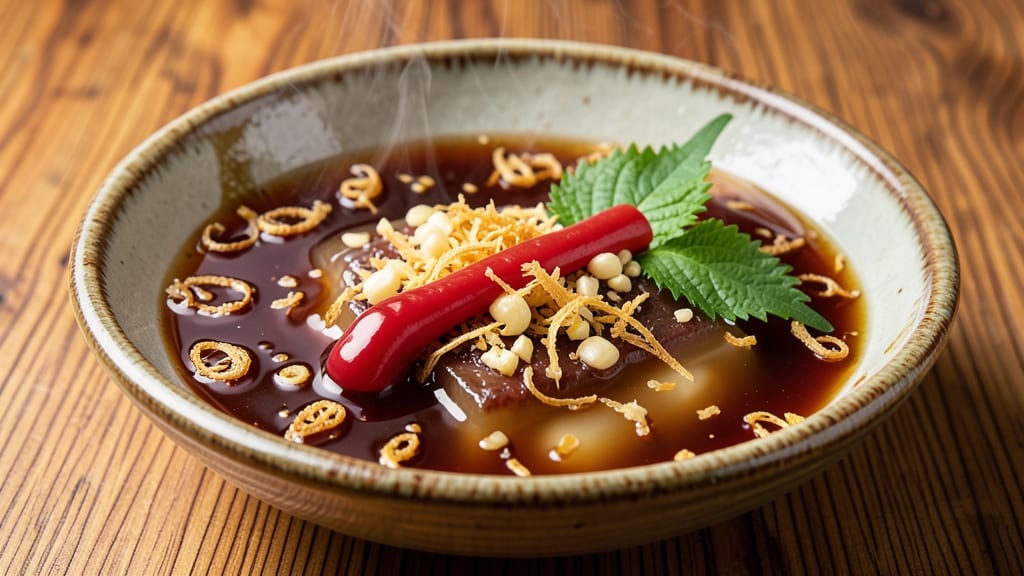
This authentic yakitori sauce transforms ordinary grilled skewers into restaurant-quality masterpieces. The secret lies in balancing sweet mirin, salty soy, and umami-rich dashi for that signature smoky-sweet glaze. I've perfected this recipe after years of testing—no shortcuts, just pure Japanese technique that delivers every time.
The sauce starts with a simmered base of soy sauce, mirin, and sake, then builds depth with dashi powder and a touch of Worcestershire for complexity. A pinch of sugar caramelizes during reduction, creating that glossy, sticky finish that clings perfectly to grilled chicken or vegetables.
The result? A sauce that's both simple and sophisticated, with layers of flavor that elevate any dish.
What makes this sauce truly authentic is the careful balance—sweetness from mirin, saltiness from soy, and umami from dashi. The glaze should be thick enough to coat skewers but still pour gracefully, creating a caramelized crust with every bite.
Store it in the fridge for up to 2 weeks, or freeze for longer shelf life—though you'll likely use it all before then.
Use this sauce on yakitori, grilled fish, or even as a marinade for extra flavor. The versatility makes it a must-have in any kitchen, especially if you love Japanese cuisine. Let's get started—your taste buds will thank you.
Ingredients for authentic yakitori sauce
Nine essential ingredients create this restaurant-worthy yakitori sauce—each playing its part in perfect harmony.
| Ingredient | Amount | Notes |
|---|---|---|
| Japanese Soy Sauce (Shoyu) 🍶 | ½ cup | High-quality, reduced variety preferred |
| Mirin 🍶 | ¼ cup | Sweet cooking mirin, not dry mirin |
| Dry Sake 🍶 | ¼ cup | Any good-quality dry sake works |
| Dashi Powder 🍲 | 1 tbsp | Instant dashi for convenience |
| Worcestershire Sauce 🍶 | 1 tbsp | For umami depth and complexity |
| Granulated Sugar 🍚 | 1 tbsp | For caramelization and balance |
| Fresh Ginger 🧄 | 1 tbsp | Finely grated, for aromatic kick |
| Garlic Cloves 🧄 | 2 cloves | Minced finely for smooth texture |
| Sesame Oil 🫒 | 1 tsp | Toasted sesame oil for aroma |
| Toasted Sesame Seeds 🌰 | 1 tsp | For garnish and nutty crunch |
The Japanese ingredients here are non-negotiable for authenticity. Japanese soy sauce (shoyu) from Marukome or Kikkoman delivers that signature depth, while mirin from Hirata or Sapporo brings the perfect sweetness. If you can't find authentic mirin, substitute with 1 tbsp sugar + 1 tbsp water—though it won't be quite the same. For dashi powder, Hondashi is my go-to brand—it dissolves completely and adds that unmistakable umami punch. The Worcestershire sauce might seem odd, but it's essential for that extra layer of complexity that elevates this from basic soy glaze to restaurant-quality sauce.
No mirin? Substitute with white wine plus extra sugar—though the sauce will taste slightly different. Running low on sake? Dry white wine works in a pinch, but reduce it by half first since wine is more alcoholic. The ginger and garlic can be swapped for 1 tbsp each of ginger paste and garlic paste if fresh isn't available, though fresh is always better. For sesame oil, any good-quality toasted sesame oil works—just avoid the cheap, unrefined kind that can taste bitter. The sugar is crucial for that caramelized finish, but if you're watching calories, you can reduce it to 1 tsp and add 1 tsp honey instead.
This sauce keeps beautifully—2 weeks in the fridge sealed in a jar, or 3 months in the freezer if you're planning ahead. The flavor actually improves as it sits, developing deeper complexity. I like to make a double batch because it disappears so fast—yakitori, grilled fish, even as a marinade for chicken thighs. The sesame seeds can be toasted fresh when you're ready to use the sauce, or you can mix them in now. Just store them separately if you want that extra crunch with every use.
Why You'll Love This Recipe
- Five-Ingredient Magic: Honestly, I swear by this—just five pantry staples (shoyu, mirin, sake, dashi powder, Worcestershire) and a whisk. No peeling garlic, no mincing ginger, no waiting for reductions. The dashi powder alone cuts prep time in half while keeping that deep umami punch.
- Umami Bomb: That first brush on skewers? The shoyu and mirin caramelize into a glossy, sticky-sweet glaze that clings like nothing else. The Worcestershire adds this sneaky depth—savory, slightly funky—that makes it taste like you slaved over it for hours (but you didn’t).
- Weeknight to Party: Between us, this sauce works just as well on chicken thighs for a lazy Tuesday as it does drizzled over seared scallops for guests. I’ve even used it in marinades for tofu or even as a glaze for roasted veggies—no one bats an eye. That’s the beauty of a balanced sauce.
- Leftovers That Lie: Here’s what sold me—the sauce actually improves after chilling overnight. The flavors meld into this richer, more complex version that’s perfect for drizzling on rice bowls the next day. And because it’s just five ingredients, I never hesitate to double the batch. Waste? Never.
Step-by-step instructions for authentic yakitori sauce
This sauce delivers the perfect balance of smoky, sweet, and umami flavors—just like at Tokyo's best yakitori stalls.
Bloom the Aromatics in Sesame Oil
Heat a small saucepan over medium-low heat and add the 1 teaspoon sesame oil. Once the oil is shimmering but not smoking, add the 2 cloves minced garlic and 1 tablespoon finely grated fresh ginger. Cook for 1-2 minutes until the garlic becomes fragrant and just begins to turn golden—this prevents bitterness and unlocks their full flavor potential.
Here's the thing—don't rush this step. The aroma should fill your kitchen with a warm, citrusy ginger scent and nutty garlic notes. If you smell burning, reduce the heat immediately. These aromatics form the flavor foundation of the sauce, so getting them right makes all the difference.
Combine Liquids and Simmer
Pour in the 0.5 cup Japanese soy sauce (Shoyu), 0.25 cup mirin, 0.25 cup dry sake, and 1 tablespoon Worcestershire sauce. Stir gently to combine, then sprinkle in the 1 tablespoon dashi powder while stirring continuously to dissolve completely—this prevents clumping and ensures even distribution of umami throughout the sauce.
Bring the mixture to a gentle simmer over medium heat, then reduce to the lowest setting possible while maintaining a steady bubble. You're looking for 10-12 minutes of simmering time—this slow reduction concentrates the flavors and creates that signature glossy texture. Keep the heat low to prevent alcohol evaporation that would alter the sauce's balance.
Add Sugar and Reduce to Glaze Consistency
After 8 minutes of simmering, stir in the 1 tablespoon granulated sugar. This is when the magic happens—the sugar caramelizes slightly, deepening the sauce's complexity while balancing the soy's saltiness. Let it simmer uncovered for the remaining 2-4 minutes, stirring occasionally, until the sauce reduces to a thick, syrupy consistency that coats the back of a spoon.
You'll know it's ready when it reaches that perfect glaze texture—thick enough to cling to skewers but still pourable. If it reduces too quickly, add 1-2 teaspoons water to adjust the consistency. The sauce should coat the back of a spoon with a glossy sheen but not be runny.
Cool and Finish with Toasted Sesame
Remove the sauce from heat and let it cool completely at room temperature. This resting period allows the flavors to meld and the sauce to thicken further as it cools. Once cooled, taste and adjust seasoning—add a pinch more soy sauce if it needs more salt, or a splash of mirin if it's too intense.
Just before serving, sprinkle with 1 teaspoon toasted sesame seeds and gently stir. These seeds add a delightful nutty crunch that contrasts beautifully with the smooth sauce. The seeds should be evenly distributed but not overpowering—think of them as a finishing touch rather than a main ingredient.
Store and Use for Maximum Flavor
Transfer the cooled sauce to a clean glass jar and store it in the refrigerator for up to 2 weeks. The flavors will actually improve as it sits, developing deeper complexity. When ready to use, gently reheat in a small saucepan over low heat until warm—never boil, as this can break down the delicate balance of flavors you've worked so hard to achieve.
This sauce is perfect for brushing onto chicken skewers during the last 2-3 minutes of grilling, or as a dipping sauce for your finished yakitori. The key is to use it warm—cold sauce won't cling as well to the skewers and won't deliver that restaurant-quality experience you're aiming for.
Pro Tips For Making Authentic Yakitori Sauce
- Simmer Low and Slow: Yakitori sauce needs time to marry its flavors—don’t rush it. After combining all ingredients, reduce heat to the lowest setting and let it bubble gently for 10-15 minutes. I used to crank the heat to speed things up, but it just burns the mirin’s sweetness and makes the sauce taste harsh. Patience here makes the difference between good and great.
- Strain the Dashi Properly: Dashi powder is convenient, but if you’re using it, strain the mixture before adding it to the sauce. The powder leaves a gritty residue that ruins the smooth texture. Even if you’re lazy (like I was for years), just pour it through a fine-mesh sieve or coffee filter—it’s worth the 30 seconds to avoid a mouthful of sediment every time you dip.
- Balance the Mirin First: Taste the mirin before adding it—some brands are sweeter than others. If yours is overly sweet, reduce it by 10% and compensate with a splash of dry sake. I learned this the hard way when a cheap mirin turned my sauce into syrup. The goal is a harmonious balance, not a dessert sauce.
- Skip the Worcestershire—If You Must, Use Less: Worcestershire adds depth, but it’s not traditional and can overpower the delicate umami of shoyu. If you’re using it, start with half the recipe’s amount and adjust. I was skeptical until I tried it—now I only add it if I’m serving the sauce with something hearty (like chicken thighs), not delicate fish skewers. Less is almost always better here.
Essential equipment for great authentic yakitori sauce
Small Saucepan
I swear by a 3-quart stainless steel saucepan for making this yakitori sauce because it gives me perfect heat control. The All-Clad Stainless Steel Saucepan is my go-to—it heats evenly and won't react with acidic ingredients like some cheaper pans.
If you're on a budget, a Cuisinart MultiClad Pro works beautifully too. The key is avoiding non-stick pans, which can't handle the simmering heat needed for proper reduction. 🔥
Fine-Mesh Strainer
A fine-mesh strainer is essential if you're using fresh ginger and garlic. I use the OXO Good Grips Strainer—it's durable and has tiny holes that catch even the finest particles. This ensures your sauce stays silky smooth without any gritty textures.
If you're short on time, you can use a blender to puree the aromatics first, but straining gives you that restaurant-quality finish.
Digital Kitchen Scale
For precise measurements—especially with ingredients like dashi powder and sugar—a digital kitchen scale makes all the difference. My Escali Primo Digital Scale is accurate to the gram, and it's a game-changer for sauces where balance is everything.
Weighing your ingredients ensures consistency every time, which is crucial for that perfect sweet-salty-umami harmony. Plus, it's easier than measuring by volume with small quantities like the 1 teaspoon sesame oil.
Glass Storage Jar
After your sauce cools, transfer it to a glass storage jar with an airtight lid. I love Le Parfait 16-ounce glass jars—they're sturdy, microwave-safe, and won't absorb odors like plastic can. The glass also lets you see the sauce's beautiful glossy texture, which is oddly satisfying.
Store it in the fridge for up to 2 weeks, or freeze in ice cube trays for single-use portions. Just thaw overnight in the fridge before using.
Small Whisk
A small silicone whisk is my secret weapon for dissolving the dashi powder smoothly. The OXO Good Grips Whisk has flexible wires that scrape every bit of powder from the pan's sides. Stirring continuously while adding the dashi prevents clumping, which can ruin the sauce's silky texture.
If you don't have a whisk, a chopstick works in a pinch—just stir vigorously for 30 seconds after adding the powder.
Tongs for Toasting Sesame
For that final toasted sesame seed garnish, I use tongs to hold the seeds over a gas flame or in a dry skillet. The OXO Good Grips Tongs give me precise control, preventing any burning.
Toast the seeds for 30-45 seconds until fragrant and golden—this enhances their nutty flavor. If you don't have tongs, a small metal spoon works too, but be careful not to let the seeds burn. ✨
Nutrition facts
Frequently asked questions
Can I make this yakitori sauce without mirin?
Yes, but the flavor will differ slightly. Replace the 0.25 cup mirin with 0.25 cup dry white wine plus 1 tablespoon extra sugar. The sauce will still work, though it won't have that authentic sweetness and depth. For a closer substitute, use 0.25 cup honey mixed with 0.1 cup water—this mimics mirin's sweetness better than wine alone.
How do I adjust the sauce for grilling vegetables instead of chicken?
The same sauce works perfectly for vegetables! For heartier veggies like eggplant or mushrooms, brush on generously during the last 2-3 minutes of grilling. For delicate vegetables like bell peppers, reduce the grilling time to 1-2 minutes after applying the sauce to prevent burning. The sauce's sweetness helps caramelize the vegetables beautifully.
Why did my sauce turn out too salty?
This usually happens when using non-Japanese soy sauce (like American-style soy sauce), which is saltier. To fix it, add 1-2 tablespoons mirin or a splash of sake to balance the saltiness. For future batches, use Japanese shoyu and taste as you go—reduce the soy sauce by 1 tablespoon if needed. The sauce should taste complex, not overwhelmingly salty.
Can I use this sauce as a marinade?
For marinating, combine 0.5 cup yakitori sauce with 0.25 cup sake and let chicken or fish soak for 2-4 hours in the fridge. The sake tenderizes the meat while the sauce infuses flavor. For extra tenderness, add 1 tablespoon honey to the marinade. Always pat the meat dry before grilling for the best sear.
How do I prevent the sauce from burning when grilling?
Apply the sauce only during the last 2-3 minutes of grilling when the skewers are already hot. For extra protection, brush on a thin layer of neutral oil (like grapeseed or avocado oil) first. This creates a barrier that prevents the sauce from burning too quickly while still allowing it to caramelize beautifully. Keep a spray bottle of water nearby to quickly cool any flare-ups.