
Sauces & Condiments
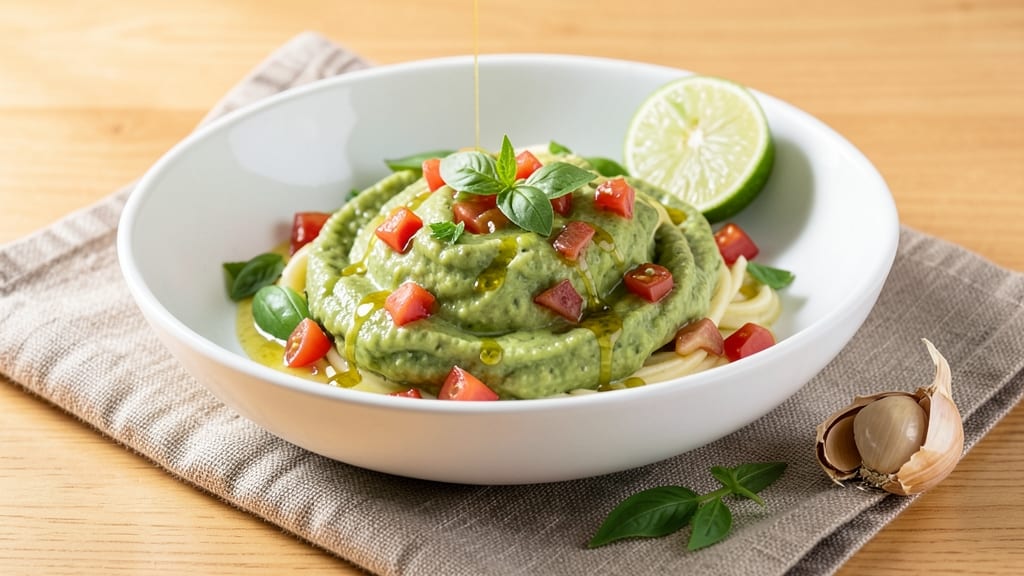
This avocado spaghetti sauce transforms creamy green magic in just 15 minutes—no dairy, no fuss, just rich, velvety perfection that clings to every strand of pasta.
The secret lies in blending ripe avocados with garlic, tomatoes, and fresh herbs until silky smooth, creating a sauce that's both vibrant and deeply satisfying. I developed this recipe after craving something fresh yet indulgent, and it became an instant pantry staple.
The beauty of this sauce is its foolproof simplicity: no cooking required beyond blending and simmering for a few minutes to meld flavors. Avocados provide the creamy base, while tomatoes add brightness and acidity to balance the richness.
Fresh basil and lime juice elevate it from ordinary to extraordinary, delivering a sauce that's as nutritious as it is delicious.
What you'll end up with is a lush green sauce that coats pasta effortlessly, offering a velvety texture and a flavor profile that's both comforting and exciting. It's versatile enough to serve over spaghetti, drizzle on toast, or even use as a dip for crudités. The best part?
It keeps beautifully in the fridge for up to 5 days or freezes for 3 months, making it perfect for meal prep.
This sauce is a game-changer for anyone looking to elevate their pasta dishes with a dairy-free, plant-based option that still delivers restaurant-quality results. Let's make it—your taste buds will thank you.
Ingredients for avocado spaghetti sauce
Eight vibrant ingredients blend into velvety green perfection that transforms any pasta dish.
| Ingredient | Amount | Notes |
|---|---|---|
| Ripe Avocados 🥑 | 2 whole | Pitted, peeled, flesh scooped |
| Cherry Tomatoes 🍅 | 1 cup | Fresh, halved for blending |
| Fresh Garlic Cloves 🧄 | 4 cloves | Peeled, rough chopped |
| Fresh Basil Leaves 🌿 | ½ cup | Packed, stems removed |
| Extra-Virgin Olive Oil 🫒 | ½ cup | High-quality, fruity |
| Fresh Lime Juice 🍋 | 2 tbsp | Freshly squeezed |
| Vegetable Broth 💧 | ½ cup | Low-sodium preferred |
| Nutritional Yeast 🧀 | 2 tbsp | For cheesy depth |
| Salt 🧂 | ½ tsp | Sea salt preferred |
| Black Pepper 🌶️ | ¼ tsp | Freshly ground |
Avocados are the star—pick ripe but firm ones (they should yield slightly to gentle pressure). Trader Joe's and Whole Foods carry the best quality, but any grocery store avocados work if they're fresh. The basil and lime juice are non-negotiable for that bright, fresh flavor—farmers markets often have the freshest basil, but the grocery store variety is fine too. For the garlic, organic cloves are ideal since they're less likely to have dirt or bruises, but regular garlic works perfectly. The nutritional yeast adds that umami depth without any dairy, and Bob's Red Mill brand is my go-to for a rich, cheesy flavor.
No ripe avocados? Substitute 1 cup of silken tofu for a similar texture, though the flavor will be slightly different. Short on basil? Fresh parsley or cilantro at double the amount works in a pinch. Need to skip the lime? Extra lemon juice or vinegar adds brightness, though lime's zesty kick is unique. The vegetable broth can be swapped for water plus 1 tsp tomato paste for extra depth. For a smokier flavor, add ½ tsp smoked paprika to the blend. The olive oil is key—avoid light or refined oils; they lack the fruity complexity that makes this sauce shine.
This sauce keeps beautifully in an airtight container in the fridge for 5 days, though it's best used within 3 days for peak freshness. For longer storage, portion into ice cube trays and freeze—3 months of flavor-preserving magic. To reheat, gently warm in a saucepan over low heat, adding a splash of water if it thickens too much. It's perfect for meal prep: make a big batch on Sunday and use it all week over pasta, as a dip, or even in sandwiches.
Why You'll Love This Recipe
- No Mashing Required: I just toss everything into my food processor—avocados, tomatoes, garlic, basil—and pulse until it’s smooth but still has a little texture. No straining, no lumps, no stress.
- Creamy Without Dairy: That velvety avocado base makes it rich and satisfying, but it’s lighter than heavy cream sauces. Honestly, the garlic and olive oil add a depth that feels fancy without trying too hard.
- Weeknight Meal Prep: I make a big batch on Sundays, and it keeps beautifully in the fridge for four days. Toss it with pasta, stir into eggs, or even spread it on toast—it’s always a hit.
- Budget-Friendly Luxury: Fresh basil and avocados might sound pricey, but a few cloves of garlic and a handful of tomatoes stretch this sauce far. It’s the kind of dish that makes simple ingredients feel special without breaking the bank.
Step-by-step instructions for avocado spaghetti sauce
This vibrant, creamy sauce comes together faster than you'd expect—no cooking required.
Blend the Base Ingredients for Perfect Texture
In a high-powered blender, combine the 2 whole ripe avocados, 1 cup halved cherry tomatoes, 4 cloves rough-chopped garlic cloves, and 0.5 cup packed fresh basil leaves. The avocados should be completely ripe with no brown spots—this ensures a velvety texture rather than graininess. I like to add the basil leaves whole at this stage so they emulsify into the sauce rather than create chunks.
Blend on high speed for 30-45 seconds until completely smooth. You want a homogeneous green paste with no visible texture. If the mixture looks too thick, add 1-2 tablespoons of the vegetable broth to help it blend properly. The sauce should have a thick, pudding-like consistency at this point—this is the foundation of our creamy texture.
Create the Emulsion with Olive Oil and Lime
With the blender running on low speed, slowly drizzle in the 0.5 cup extra-virgin olive oil while simultaneously pouring in the 2 tablespoons fresh lime juice. The lime juice is crucial here—it brightens the flavors and helps stabilize the emulsion. Keep blending for 1-2 minutes until the mixture becomes light and airy, almost like a mayonnaise consistency.
Here's the thing—don't rush this step. The emulsion needs time to fully form. You'll know it's ready when the sauce becomes pale green and holds its shape when you spoon it out. If it looks too thick, add another 1 tablespoon of vegetable broth to loosen it slightly. The sauce should coat the back of a spoon but still be pourable.
Season and Adjust for Perfect Balance
Transfer the blended sauce to a medium bowl and stir in the 2 tablespoons nutritional yeast, 0.5 teaspoon salt, and 0.25 teaspoon black pepper. The nutritional yeast adds that cheesy, umami depth that makes this sauce truly special. Taste immediately—this is your checkpoint. You should notice a bright, fresh flavor with a subtle creaminess from the avocado and a slight tang from the lime.
If the sauce tastes too acidic, add a pinch more salt or a tiny bit of the vegetable broth. If it needs more brightness, add another ½ teaspoon lime juice. The key is balance—you want the flavors to harmonize without any single ingredient overpowering. The sauce should be vibrant, fresh, and ready to coat your pasta beautifully. Let it sit at room temperature for 5-10 minutes before using—this allows the flavors to meld even more.
Combine with Cooked Pasta for Ultimate Creaminess
Cook your spaghetti according to package instructions until al dente, reserving ½ cup pasta water. Drain the pasta but leave about ¼ cup of cooking water clinging to it—this helps the sauce adhere. Transfer the hot pasta to a large bowl and immediately add the avocado sauce, tossing vigorously to coat every strand.
If the sauce starts to thicken as you toss, add 1-2 tablespoons of the reserved pasta water at a time until it reaches your desired consistency. The residual heat from the pasta will gently melt the sauce into a silky coating. Serve immediately while the pasta is still hot—this sauce doesn't reheat well, so enjoy it fresh from the pot. The result should be vibrant green strands of pasta perfectly coated in a creamy, tangy sauce that's rich without being heavy.
Pro Tips For Making Avocado Spaghetti Sauce
- BLEND IN BATCHES: Avocados oxidize fast—don’t blend all at once. Pulse half the tomatoes first, then the avocado in small chunks, blending just until smooth. Finish with the rest of the tomatoes to keep the sauce vibrant longer.
- SALT THE GARLIC: Toss minced garlic in a pinch of salt before cooking—it softens faster and adds depth. I learned this the hard way when my sauce tasted raw and sharp because I skipped it.
- COOK TOMATOES LOW: Cherry tomatoes release their sweetness at 200°F (93°C), not high heat. Simmer them gently until they burst open, then mash them into the sauce. Rushing this step makes the sauce taste mealy.
- SWAP BASIL FOR TIME: Short on fresh basil? Use 1 teaspoon of dried basil plus a squeeze of lemon juice—it mimics the brightness without the fuss. (Yes, it’s not identical, but no one will guess unless you tell them.)
Storing and reheating your avocado spaghetti sauce
Refrigerator Storage
Store your avocado spaghetti sauce in an airtight container with a lid, pressing plastic wrap directly on the surface to prevent browning. I use glass Pyrex containers because they keep the sauce fresh longer and don’t absorb odors.
Keep it refrigerated at 40°F or below for up to 5 days—the flavors actually deepen as the ingredients meld together. The lime juice helps preserve freshness, but I still recommend using it within 3 days for peak creaminess. 💧
Freezing for Later
For longer storage, portion the sauce into ice cube trays—this makes it easy to thaw exactly what you need. Once frozen, transfer the cubes to a freezer bag with all air removed to prevent freezer burn.
This sauce keeps for 3 months without losing its vibrant color or texture. When ready to use, thaw overnight in the fridge and gently reheat on the stovetop with a splash of water to restore creaminess. ❄️
Reheating Safely
Never microwave this sauce directly—it breaks down the avocado’s texture. Instead, transfer it to a saucepan and heat over low-medium heat with 1-2 tablespoons of water or vegetable broth. Stir constantly for 3-5 minutes until warmed through but not hotter than 140°F—any hotter and the avocado will separate.
If it thickens too much, add a little more liquid. The sauce should be smooth and velvety, not grainy. 🔥
Pasta Water Hack
When reheating for pasta, save ¼ cup of your pasta’s cooking water—it’s starch-rich and helps the sauce cling perfectly. Toss the warm sauce with freshly cooked al dente pasta and add pasta water 1 tablespoon at a time until the strands are fully coated.
The residual starch acts like a natural emulsifier, giving you that restaurant-quality cling. This trick works even if you’ve reheated the sauce separately. ✨
Using as a Dip
This sauce doubles as a fresh dip for veggie sticks or toasted bread. Store it in a small airtight container and keep it refrigerated for up to 4 days.
For extra crunch, serve with sliced cucumbers, bell peppers, or crispy pita chips. The lime and garlic flavors make it addictively tangy—perfect for snacking or appetizers. 🥕
Flavor Boost After Storage
If your refrigerated sauce tastes slightly flat after a few days, revive it with a fresh squeeze of lime juice or a pinch of smoked paprika.
The avocado’s natural oils separate slightly over time, so give it a quick blend with 1 tablespoon of water to restore its silky texture. A sprinkle of fresh basil or red pepper flakes also brightens it up instantly. 🌿
Nutrition facts
Frequently asked questions
Can I make this sauce without a high-powered blender?
For a smoother texture, use an immersion blender directly in the bowl after combining all ingredients. If using a regular blender, add 1-2 tablespoons of vegetable broth to help emulsify. The sauce may be slightly thicker but still delicious. For a quick fix, mash the avocados with a fork first, then blend the remaining ingredients separately and mix them together.
How do I prevent the sauce from turning brown after storing?
Press plastic wrap directly on the sauce's surface before sealing the container to minimize air exposure. Add a squeeze of lime juice (extra if needed) before storing, as its acidity helps preserve color. For longer storage, freeze in ice cube trays—this keeps the sauce vibrant for 3 months. Avoid metal containers, as they can react with the lime.
What's the best pasta to use with this sauce?
This creamy sauce works best with al dente spaghetti, linguine, or fettuccine—their ridges help hold the sauce. For extra texture, try whole wheat or chickpea pasta. Avoid delicate pastas like angel hair, as they can overcook when tossed with the sauce. The sauce also pairs beautifully with toasted bread or as a dip for veggies.
Why did my sauce separate after reheating?
Avocado-based sauces are delicate—heat causes oils to separate. Always reheat gently over low-medium heat with 1-2 tablespoons of water or broth, stirring constantly. If it separates, blend briefly with 1 tablespoon of water to restore smoothness. For best results, serve fresh or reheat only what you need.
Can I add protein to this sauce?
Yes! Stir in ½ cup cooked chickpeas, lentils, or crumbled tofu for extra protein. For a smoky twist, add ½ teaspoon smoked paprika or 1 tablespoon nutritional yeast when reheating. Avoid adding protein until serving to prevent overcooking. This sauce pairs well with grilled shrimp or white beans for a complete meal.