
Sauces & Condiments
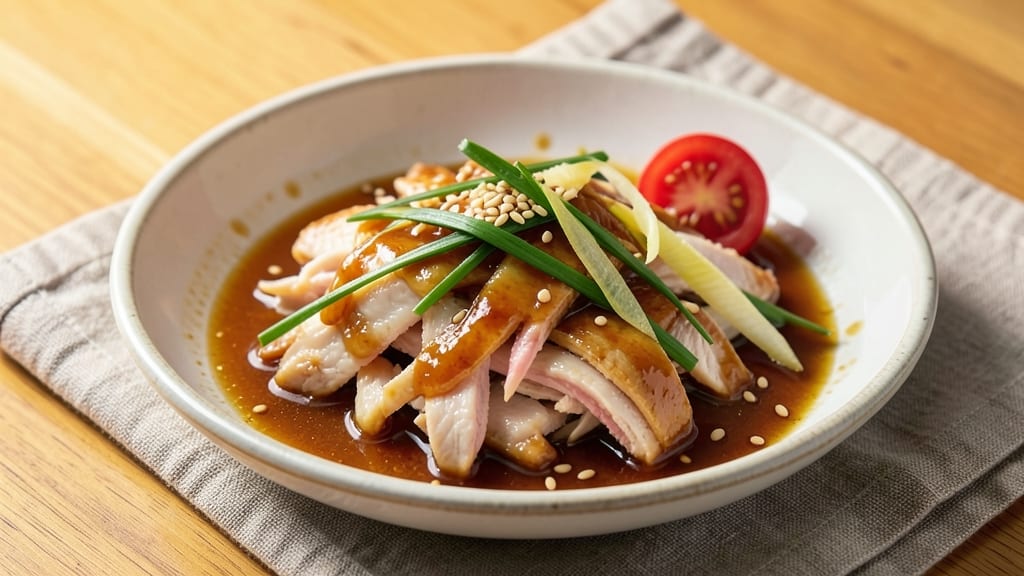
This Bachan’s Japanese sauce recipe transforms simple pantry staples into a rich, umami-packed condiment that elevates everything from grilled meats to stir-fries. I developed it after years of searching for that perfect balance of sweet, salty, and savory—without specialty ingredients.
The secret lies in slow reduction, where soy sauce, mirin, and a touch of sugar meld into a glossy, versatile glaze.
What makes this sauce special is its adaptability—use it as a dipping sauce for tonkatsu, a glaze for teriyaki chicken, or even a marinade for beef. The recipe relies on just five ingredients and takes less than 30 minutes to prepare, with most of that time spent simmering.
No complicated techniques, just precise measurements and patience to build deep flavor.
The result is a smooth, slightly sweet sauce with a molasses-like consistency, perfect for adding depth to dishes. Unlike store-bought versions, this one delivers authentic Japanese umami without artificial additives. Once you taste it, you’ll never go back to bottled sauces again.
Best of all, it keeps well in the fridge for up to two weeks, making it ideal for meal prep. Whether you're cooking for a crowd or just craving that signature Japanese flavor, this sauce is your secret weapon. Let’s get started!
Ingredients for bachans japanese sauce
Five ingredients, infinite flavor—this umami bomb transforms pantry staples into restaurant-quality Japanese sauce.
| Ingredient | Amount | Notes |
|---|---|---|
| Kosher Soy Sauce 🍶 | ½ cup | High-quality, preferably Japanese brand |
| Mirin 🍶 | ¼ cup | Sweet rice wine, not mirin substitute |
| Granulated White Sugar 🍚 | ¼ cup | Fine grain for smooth dissolution |
| Fresh Ginger Root 🌿 | 1 inch | Peeled, thinly sliced (about 1 tbsp grated) |
| Sesame Oil 🫒 | 1 tbsp | Toasted, for aroma (not cooking oil) |
The soy sauce is non-negotiable here—Kikkoman or Yamasa are my go-tos, but any quality Japanese brand works. Mirin is the secret weapon: look for authentic mirin, not the sweetened substitute—it’s worth tracking down at an Asian market or ordering online. Sugar needs to dissolve completely, so fine granulated works best (no powdered). Fresh ginger is key for that bright, zesty kick—buy a small knob and grate only what you need to keep it potent. Sesame oil adds depth, but use the toasted kind (not the light, neutral cooking oil)—it’s what gives that authentic aroma.
No mirin? Dry sherry plus 1 tsp sugar is a decent swap, though it won’t be identical. Running short on soy sauce? Coconut aminos in a pinch, but the flavor will be milder. Ginger too fibrous? Ginger powder at half the amount works, but you’ll lose freshness. Sesame oil missing? Toasted sesame seeds (1 tsp) add texture but won’t replicate the oil’s richness. For extra umami, a dash of fish sauce (if not vegan) or extra soy sauce boosts depth—just taste as you go. The sugar-to-mirin ratio is delicate: if it tastes too sweet, add a splash more soy sauce.
This sauce is a flavor multiplier—make a double batch and freeze half for next time. Store in a glass jar in the fridge for up to 2 weeks, or freeze in ice cube trays for single-use portions. The longer it sits, the deeper the flavors develop—let it come to room temp before using for best results. A splash in ramen, a drizzle on grilled fish, or as a glaze for tofu—this stuff does it all. Trust me, you’ll be reaching for it constantly once you taste how it transforms simple dishes into something extraordinary.
Why You'll Love This Recipe
- Five-Ingredient Magic: I swear, this sauce is the kind of recipe that makes me feel like a genius—just heat, mix, and simmer. No chopping, no measuring cups, no second-guessing. The ginger and sesame oil do all the heavy lifting while I sip my coffee and pretend I’m a Michelin-starred chef.
- Umami Bomb: That first sip? Chef’s kiss. The mirin cuts through the saltiness of the soy sauce, the sugar caramelizes just enough to make it sing, and the fresh ginger adds this bright, zesty kick. It’s the kind of flavor that makes you want to drizzle it on everything—even toast.
- Weeknight Hero: Between us, this is my secret weapon for lazy nights. Toss it with stir-fried veggies, drizzle it over ramen, or even glaze some tofu. Honestly, I’ve used it as a marinade, a dipping sauce, and even a quick glaze for roasted chicken. It’s the Swiss Army knife of sauces.
- Pantry Staple: Here’s what sold me—it lasts forever. I make a big batch and keep it in the fridge for weeks, or even freeze it in ice cube trays for single-use portions. And since it’s just pantry basics (plus a little ginger), it’s one of those recipes that’s always budget-friendly. No excuses.
Step-by-step instructions for bachan's Japanese sauce
This umami-rich sauce comes together in minutes with just five simple ingredients.
Prepare the Fresh Ginger
Start by peeling the 1 inch fresh ginger root using a spoon or vegetable peeler to remove the skin completely. I like to use a mandoline for thin, even slices—about 1/8-inch thick—but a sharp knife works too if you're careful. You should end up with roughly 1 tablespoon of grated ginger after slicing.
Place the sliced ginger in a small bowl and set aside. The fresh ginger will infuse the sauce with bright, zesty notes that balance the richness of the soy and mirin. Don't skip the peeling—ginger skin can make the sauce bitter. If you're short on time, you can use 1 teaspoon of ground ginger, but fresh is always better.
Combine Wet Ingredients
In a medium saucepan, combine the 0.5 cup kosher soy sauce, 0.25 cup mirin, and 0.25 cup granulated white sugar. Stir gently with a wooden spoon until the sugar dissolves completely—this should take about 1-2 minutes over low heat. You want a smooth, syrupy base before adding the ginger.
The mirin will add a subtle sweetness and depth, while the sugar helps balance the saltiness of the soy sauce. If you notice any undissolved sugar granules, keep the pan on low heat and stir until fully incorporated. This step ensures your sauce will have a velvety texture without any graininess.
Simmer the Sauce
Add the sliced ginger to the saucepan and bring the mixture to a gentle simmer over medium-low heat. Let it cook for 5-7 minutes, stirring occasionally, until the liquid reduces by about one-third and the ginger softens slightly. You'll see the sauce thicken and darken slightly—this is where all the magic happens.
Here's the thing—don't let it boil vigorously. A gentle simmer prevents the mirin from evaporating too quickly and losing its delicate sweetness. The ginger should release its aromatic oils into the sauce, creating layers of flavor. If you smell a strong ginger aroma, that's your cue it's ready for the next step.
Finish with Sesame Oil
Remove the saucepan from heat and let it cool slightly for 2-3 minutes. Then, stir in the 1 tablespoon sesame oil until fully incorporated. The oil will add a nutty aroma and help balance the sauce's richness. I like to taste it at this stage to adjust the seasoning—add a pinch more sugar if it's too salty, or a splash of water if it's too thick.
The sesame oil should be toasted, not raw—this makes all the difference in flavor. If you don't have toasted sesame oil, you can lightly toast regular sesame oil in a dry pan for 1-2 minutes before adding it to the sauce. Let the sauce sit for 5 minutes before serving to allow the flavors to meld completely.
Strain and Serve
Once the sauce has cooled enough to handle, strain it through a fine-mesh sieve into a clean bowl or jar to remove the ginger slices. This step ensures a smooth, professional finish. The sauce should coat the back of a spoon and have a glossy sheen—if it's too thick, whisk in 1-2 teaspoons of hot water to reach your desired consistency.
This sauce is incredibly versatile—drizzle it over grilled meats, use it as a dipping sauce for dumplings, or toss it with noodles. It keeps well in the refrigerator for up to 2 weeks, so make extra if you can. The longer it sits, the deeper the flavors become, making it even more irresistible with time.
Pro Tips For Making Bachans Japanese Sauce
- Simmer Low and Slow: This sauce isn’t a race—keep the heat at a bare simmer (just enough to see tiny bubbles) or you’ll burn the sugar and end up with bitter, cloying flavors. I learned this after my first batch turned into a sticky, dark mess that tasted like overcooked caramel.
- Grate Ginger Fine: Skip the food processor for fresh ginger—use a microplane or the smallest holes of a box grater. You want it almost paste-like so it dissolves completely into the sauce. Lumpy ginger just sits there, making your sauce taste uneven.
- Reduce Before Adding Sugar: Let the soy, mirin, and ginger cook down by half before stirring in the sugar. This prevents a sudden spike in sweetness and keeps the balance smooth. Trust me, adding sugar too early turns your sauce into syrup faster than you can say "overpowering."
- Toast Sesame Oil Last: Stir in the sesame oil off the heat at the very end—it burns in seconds and turns acrid. A few drops at room temperature add aroma without risking that bitter aftertaste. (Yes, even if you’re impatient like me.)
Troubleshooting perfect results
Sauce Too Thin?
If your sauce ends up too thin after simmering, don’t panic—simply return it to low heat and cook uncovered for an extra 5-10 minutes, stirring occasionally. You’ll see the liquid reduce further as the alcohol in mirin evaporates.
For a quicker fix, mix 1 tablespoon of cornstarch with 2 tablespoons of water, stir into the sauce, and simmer for 2 minutes until thickened. 🔥
Sauce Too Thick?
Over-reduced sauce? Thin it out gradually with 1 teaspoon of hot water at a time, whisking constantly. Avoid cold water—it can cause the sauce to seize up. For a smoother texture, strain through a fine-mesh sieve again after adding liquid.
If the sauce is still too thick after thinning, let it rest at room temperature for 10 minutes—it often loosens up naturally.
Ginger Flavor Too Strong?
If the ginger overpowers the sauce, reduce the amount next time to ½ inch of root (about ½ teaspoon grated). For immediate fixes, add 1 teaspoon of honey or mirin to mellow the sharpness, or a pinch of salt to balance the flavors.
Straining through a double layer of cheesecloth can also remove excess ginger oils if needed.
Sauce Separates?
Separation usually happens if the sauce cools too quickly or if the sugar didn’t dissolve properly. To fix it, whisk in 1 teaspoon of hot water and return to low heat, stirring constantly until smooth.
For prevention, always dissolve the sugar completely over low heat, and avoid rapid temperature changes when storing. 💡
Lacks Umami Depth?
For extra umami, add ½ teaspoon of fish sauce, 1 teaspoon of Worcestershire sauce, or even a splash of dashi powder. Simmer for an additional 3 minutes, stirring well.
If you’re vegan, use ½ teaspoon of soy sauce + ¼ teaspoon of mushroom powder. The key is to taste as you go—umami builds gradually, so don’t rush the simmering.
Storage Issues?
If your sauce develops mold or an off smell after refrigeration, it’s gone bad. Always store in a clean, airtight glass jar, and use within 2 weeks. For longer storage, freeze in ice cube trays, then transfer to a freezer bag.
Thaw overnight in the fridge—never microwave, as it can alter the texture. When in doubt, toss it and start fresh. ❄️
Nutrition facts
Frequently asked questions
Can I substitute mirin in this Japanese sauce?
Yes, but the flavor will differ slightly. Use ¼ cup dry sherry plus 1 teaspoon sugar as a substitute, though it won't have the same sweetness or depth. For a closer match, try ¼ cup white wine vinegar plus 2 teaspoons honey, though the acidity will be more pronounced. Authentic mirin is ideal for that signature balance of sweet and umami.
How can I make this sauce spicier?
Add ½ teaspoon of red pepper flakes or 1 teaspoon of gochujang (Korean chili paste) during the simmering step. For heat without color, stir in ½ teaspoon of cayenne pepper or a pinch of Sichuan peppercorns (toasted first). Adjust to taste—remember, flavors intensify as the sauce cools.
What's the best way to use this sauce?
This versatile sauce works as a dipping sauce for tonkatsu or gyoza, a glaze for grilled meats or tofu, or a marinade for beef or chicken. Try drizzling it over ramen, udon, or even popcorn for a Japanese-inspired twist. The possibilities are endless—experiment with what you love!
Why did my sauce turn cloudy?
Cloudiness usually means the sugar didn't dissolve completely or the sauce cooled too quickly. To fix it, whisk in 1 teaspoon of hot water and return to low heat until smooth. For prevention, always dissolve sugar over low heat and avoid rapid temperature changes. The sauce should be glossy when finished.
Can I make this sauce without soy sauce?
For a soy-free version, replace the ½ cup soy sauce with ¼ cup coconut aminos plus ¼ cup tamari. The flavor will be milder but still delicious. If you're avoiding gluten entirely, use ¼ cup coconut aminos plus 1 teaspoon of mushroom powder for umami depth. The sauce may need a slightly longer simmer to develop flavor.