
Sauces & Condiments
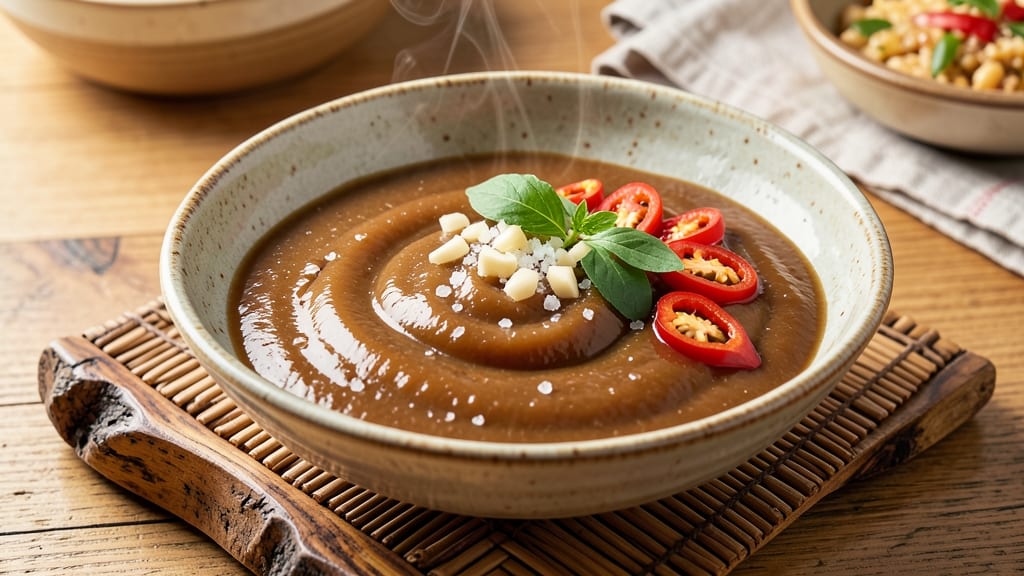
This bagoong sauce recipe transforms simple shrimp paste into a fermented condiment with layers of funky, tangy umami that elevates Filipino dishes. The process is straightforward but requires patience—fermenting the shrimp paste with vinegar and salt creates that signature pungent depth that makes every bite unforgettable.
What starts as a humble paste becomes a flavor powerhouse when blended with garlic, chili, and vinegar.
The magic happens during fermentation, where the shrimp paste develops its signature funk and complexity. You'll blend it with vinegar, garlic, and chili to create a sauce that's perfect for drizzling over sinigang, grilled fish, or even rice.
The tangy, salty, and slightly spicy profile makes it a versatile condiment that adds depth to any dish without overpowering the main flavors.
Once fermented and blended, this sauce keeps well in the refrigerator for weeks, allowing the flavors to mature and intensify over time. The result is a condiment that's rich in umami, with a texture that's smooth yet slightly textured—ideal for adding a bold, savory punch to your favorite Filipino meals.
Whether you're making it for a traditional Filipino feast or experimenting in your kitchen, this bagoong sauce will become a staple in your pantry. The process is simple, but the reward is a condiment that brings authentic Filipino flavor to every dish.
Ingredients for bagoong sauce
Eight simple ingredients transform shrimp paste into a funky, tangy condiment that elevates Filipino dishes.
| Ingredient | Amount | Notes |
|---|---|---|
| Shrimp Paste (Bagoong Alamang) 🦐 | ½ cup | Fermented shrimp paste, not powdered |
| White Vinegar 🍶 | ½ cup | Distilled white vinegar preferred |
| Garlic Cloves 🧄 | 6 cloves | Fresh, peeled, roughly chopped |
| Bird's Eye Chili Peppers 🌶️ | 2 whole | Adjust for spice preference |
| Sea Salt 🧂 | 1 tbsp | Fine grain preferred |
| Sugar 🍚 | 1 tbsp | White granulated sugar |
| Extra-Virgin Olive Oil 🫒 | 2 tbsp | For blending and richness |
| Water 💧 | ¼ cup | For thinning if needed |
The shrimp paste is the heart of this sauce—bagoong alamang (fermented shrimp paste) gives that signature funky depth. Grab it at Asian markets or online (check Filipino specialty stores for authentic varieties). If you can't find it, shrimp paste powder works in a pinch, but it won't have the same rich texture. The vinegar should be distilled white—apple cider vinegar adds unwanted sweetness. For the chili, bird's eye peppers are traditional, but any small red chili works if you can't find them. Store the paste in an airtight container in the fridge until ready to use—it's potent stuff!
No shrimp paste? Anchovy paste mixed with a little vinegar can mimic the umami, though it won't ferment the same way. Short on garlic? Garlic powder at half the amount works, but fresh is ideal. The sugar balances the acidity—brown sugar or coconut sugar adds a caramel note if you're feeling adventurous. For a smoother sauce, blend everything until silky, but leave it slightly textured for that authentic bagoong feel. If it's too thick after blending, add water a teaspoon at a time until you reach the right consistency.
Ferment the shrimp paste with vinegar and salt for at least 24 hours (up to 48 hours) before blending—this is where the magic happens. Once blended, store in a clean glass jar in the fridge for up to 2 weeks. The flavor deepens over time, so make a small batch first to test your taste. This sauce is perfect for drizzling over sinigang, grilled fish, or even rice. If it separates, just stir before using—it's normal! For a longer shelf life, freeze portions for up to 3 months.
Why You'll Love This Recipe
- Five-Ingredient Magic: I swear, this sauce comes together with just a knife, a bowl, and zero stress. The shrimp paste blends into the vinegar like it was meant to be—no fancy techniques, just raw, unfiltered flavor.
- Umami Bomb: That shrimp paste? It’s the secret weapon. One sniff and you’re transported to a bustling Filipino market, where salty, funky, and slightly sweet collide in the best way. Honestly, the chili peppers add just enough heat to make it sing.
- Pantry Staple Flex: Use it on rice, toss it with veggies, or drizzle it over grilled fish—this sauce doesn’t play favorites. My kids even slather it on toast (don’t judge). It’s the kind of thing you’ll reach for when you’re tired of the same old sauces.
- Budget Powerhouse: A tiny block of bagoong goes a long way, and vinegar and garlic are dirt cheap. I’ve made this for under $2 and fed four people. Plus, it keeps for weeks in the fridge, so you’re always covered.
Step-by-step instructions for bagoong sauce
This vibrant sauce balances funky shrimp paste with bright vinegar and aromatic garlic for a perfect umami kick.
Blend the Base Ingredients
In a food processor or blender, combine the 0.5 cup shrimp paste (bagoong alamang) with the 0.5 cup white vinegar. Pulse until the shrimp paste breaks down completely and forms a smooth, thick paste. You want to eliminate any grainy texture at this stage—this ensures a velvety sauce later.
Add the 6 cloves garlic cloves and 2 whole bird's eye chili peppers (seeds removed if you prefer less heat) to the blender. Pulse again until the garlic is finely minced and the chili peppers are broken down into tiny pieces. The mixture should look like a thick, purplish-green paste at this point. If it's too thick, add 1 tablespoon of the 0.25 cup water and blend again until smooth.
Sweeten and Season
Transfer the blended mixture to a small saucepan and place it over medium heat. Add the 1 tablespoon sea salt and 1 tablespoon sugar, stirring constantly to dissolve the sugar completely. The sugar will help balance the funky, salty shrimp paste while adding a subtle sweetness that rounds out the flavors.
Let the mixture simmer gently for 3-4 minutes, stirring frequently to prevent sticking. You're looking for the sauce to thicken slightly but still maintain a smooth, pourable consistency. If it becomes too thick before reaching this point, add 1 tablespoon more of the 0.25 cup water and stir until combined. The sauce should coat the back of a spoon but remain fluid enough to drizzle.
Finish with Olive Oil
Remove the saucepan from heat and stir in the 2 tablespoons extra-virgin olive oil. This step adds richness and helps emulsify the sauce, giving it a silky texture. Let the sauce cool to room temperature—this allows the flavors to meld together fully. The color will deepen as it cools, becoming a beautiful dark amber with red chili flecks.
Taste and adjust the seasoning if needed. You might want to add a pinch more salt to enhance the umami or a splash more vinegar if the sauce tastes too thick. Transfer the finished sauce to a clean jar or airtight container. It will keep in the refrigerator for up to 2 weeks, allowing the flavors to develop even more over time.
Use and Store Properly
This versatile sauce works beautifully as a dipping sauce for grilled fish, a marinade for meats, or a condiment for noodles and rice dishes. For best results, let the sauce come to room temperature before using it—this prevents temperature shock when mixed with hot foods.
If the sauce thickens in the refrigerator, simply stir in 1-2 tablespoons of water to reach your desired consistency. The shrimp paste will settle slightly, so give it a good stir before each use. The aroma alone will make your kitchen smell amazing—like a mix of the sea and a spicy vinegar briny tang.
Pro Tips For Making Bagoong Sauce
- Bloom the Garlic: Slice your garlic cloves thin—paper-thin—and let them sit in the vinegar for 10 minutes before cooking. I used to toss them in raw, and the sauce always tasted raw too. This softens them just enough to melt into the bagoong without overpowering it.
- Toast the Chili: Dry-toast your bird’s eye chilies in a separate pan until they darken and smell smoky—about 30 seconds. This cuts the sharpness and adds depth. I skipped this once and ended up with a sauce that burned my mouth more than it tasted good.
- Salt the Vinegar: Dissolve ½ teaspoon of salt into the vinegar before adding it to the bagoong. It balances the funk upfront, so you’re not playing catch-up later. Trust me, your taste buds will notice the difference.
- Simmer, Don’t Boil: Keep the heat low once the bagoong and vinegar mix—just enough to see tiny bubbles, not a rolling boil. High heat turns the sauce bitter. I learned this after ruining a batch that tasted like vinegar-soaked fish guts.
Dietary considerations for these flavors
Fermented Shrimp Allergy
If you or someone in your household has a shellfish allergy, this bagoong sauce is a no-go—it’s made from fermented shrimp paste.
The protein in shrimp can trigger severe allergic reactions, so opt for a vegetarian alternative like miso paste or anchovy-free umami boosters such as soy sauce and mushrooms. For a similar funky profile, blend fermented black beans with vinegar and chili—it’s a great substitute for the umami kick. 🌱
Gluten-Free Adaptation
This sauce is naturally gluten-free, but always double-check your shrimp paste label—some brands may contain wheat-based additives. If you’re using anchovy paste as a substitute, ensure it’s certified gluten-free.
The rest of the ingredients (vinegar, garlic, chili, etc.) are inherently gluten-free, so you’re safe to enjoy this sauce on gluten-free rice, noodles, or grilled meats without worry. ✨
Low-Sodium Options
The shrimp paste and sea salt in this recipe pack a salty punch, so if you’re watching your sodium intake, reduce the salt to ½ tablespoon or use low-sodium shrimp paste if available.
For extra flavor without the salt, add 1 teaspoon fish sauce (if shellfish allergies aren’t a concern) or 1 tablespoon coconut aminos for a similar umami depth. Taste as you go—you might not need extra salt at all! 💡
Spice-Free Version
Skip the bird’s eye chili peppers entirely if you prefer a mild sauce, or swap them for ½ teaspoon sweet paprika for color without heat. The garlic and shrimp paste still deliver bold flavor, but the sauce will taste more mellow—perfect for kids or sensitive palates.
You can also add ½ teaspoon ground ginger for warmth instead of spice. 🌶️
Vegan-Friendly Substitutes
For a vegan bagoong sauce, replace the shrimp paste with 2 tablespoons miso paste (white or red) mixed with 1 tablespoon soy sauce and 1 tablespoon nutritional yeast for a cheesy, umami-rich base.
Ferment this mixture with vinegar for 24 hours before blending with garlic and chili. The texture won’t be identical, but it’ll mimic the tangy, savory profile beautifully. 🥗
Keto-Friendly Adjustments
This sauce is already low-carb since it relies on shrimp paste, vinegar, and olive oil for flavor. Just skip the sugar—it’s not necessary for keto—but add 1 teaspoon erythritol or monk fruit sweetener if you want a touch of sweetness without carbs.
The sauce pairs perfectly with keto-friendly dishes like grilled fish, cauliflower rice, or zucchini noodles. 💪
Nutrition facts
Frequently asked questions
Can I use regular shrimp paste instead of fermented bagoong alamang?
Regular shrimp paste won't work the same way—it lacks the funky fermentation depth that defines authentic bagoong sauce. For a similar umami kick, try blending 2 tablespoons anchovy paste with 1 tablespoon vinegar before mixing with the other ingredients. The texture won't be identical, but it'll capture some of the savory essence.
How long does the fermentation process take?
The shrimp paste should ferment with vinegar and salt for at least 24 hours (up to 48 hours) before blending. This step develops the signature funk and complexity. For deeper flavor, ferment longer—up to 3 days in the fridge—but don't exceed this time or the vinegar may overpower the shrimp paste.
What are the best dishes to use this sauce with?
This versatile sauce elevates sinigang (Filipino sour soup), grilled fish, or even rice dishes like garlic fried rice. It also works as a dipping sauce for spring rolls or a marinade for meats. Start with 1-2 tablespoons per serving—you can always add more if needed!
Why did my sauce separate after refrigerating?
Separation is normal—the shrimp paste and oil naturally settle. Just stir well before using! For a smoother texture, blend again briefly with 1 tablespoon water to re-emulsify. Store in a clean jar with the lid sealed tightly to prevent future separation.
Can I make this sauce without a blender?
Yes! Mash the shrimp paste with a fork, then finely chop the garlic and chili with a knife. Mix everything in a bowl with a spoon, adding water gradually to reach your desired consistency. The texture will be slightly chunkier but still delicious. For extra smoothness, pulse in a mini food processor if available.