
Sauces & Condiments
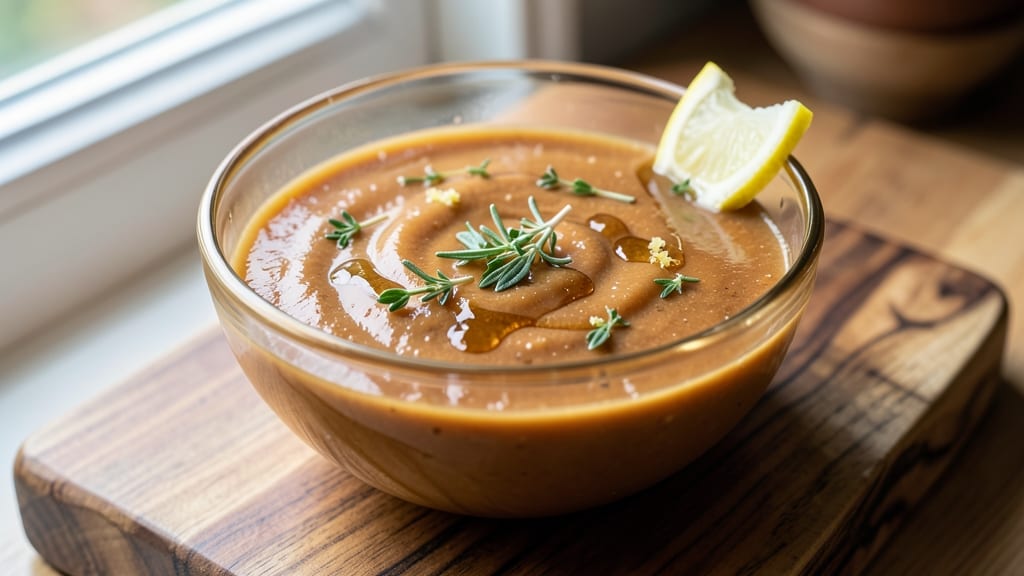
This Bahama Breeze Lemon Butter Sauce transforms ordinary meals into tropical escapes with just a few simple ingredients. The perfect balance of zesty lemon, rich butter, and subtle herbs creates a sauce that elevates grilled fish, shrimp, or even pasta with effortless elegance.
I developed it after craving that bright citrus kick that pairs perfectly with seafood but wanted the creamy richness of a classic butter sauce.
The magic lies in the technique: melting butter until it's golden and fragrant, then infusing it with fresh lemon juice and zest for that signature tang. A touch of honey or a pinch of cayenne adds depth, while fresh herbs like thyme or tarragon bring in aromatic complexity.
What makes this sauce truly special is how versatile it is—it works as a finishing drizzle, a marinade, or even a dip for crusty bread.
By the time you're done, you'll have a velvety, golden sauce that's both rich and refreshing—a perfect complement to grilled meats, seafood, or even roasted vegetables. The aroma alone will transport you to a sunny Bahamian beach, but the taste is what truly delivers that vacation-worthy flavor in every bite.
This sauce is foolproof, requiring just minutes to prepare and storing beautifully in the fridge for up to a week.
Whether you're hosting a dinner party or simply treating yourself to a special meal, this Bahama Breeze Lemon Butter Sauce is the secret weapon that turns ordinary dishes into something extraordinary. Let's get started!
Ingredients for bahama breeze lemon butter sauce
Nine simple ingredients transform into a velvety, citrusy sauce that tastes like a Bahamian vacation.
| Ingredient | Amount | Notes |
|---|---|---|
| Unsalted Butter 🧈 | ½ cup | Cut into small cubes for even melting |
| Fresh Lemon Juice 🍋 | ¼ cup | Freshly squeezed, no seeds |
| Lemon Zest 🍋 | 1 tbsp | Finely grated, vibrant yellow |
| Raw Honey 🍯 | 1 tbsp | Wildflower or clover preferred |
| Fresh Thyme Leaves 🌿 | 1 tbsp | Or 1 tsp dried thyme |
| Fresh Tarragon Leaves 🌿 | 1 tbsp | Chopped finely, optional but recommended |
| Cayenne Pepper 🌶️ | ¼ tsp | Adjust for heat preference |
| Salt 🧂 | ½ tsp | Diamond Crystal kosher preferred |
| Garlic Cloves 🧄 | 1 clove | Minced finely, optional |
The butter is the foundation—European-style melts beautifully and gives that rich, golden texture. Grab a stick of Plugrá or Land O'Lakes unsalted from the dairy case, not the tub margarine. Fresh lemon juice is non-negotiable here; bottled won't cut it. The zest needs to be vibrant yellow—if it's dull, your lemons are past their prime. For the herbs, Trader Joe's or Whole Foods have the freshest thyme and tarragon, but even the grocery store stuff works if it smells aromatic. The honey adds that subtle sweetness that balances the acidity—local honey has more depth, but any raw honey will do.
No fresh thyme? Dried works at one-third the amount, but it lacks that bright aroma. Short on tarragon? Fresh basil or parsley can stand in, though the flavor will differ slightly. Cayenne too spicy? Swap for smoked paprika for warmth without heat. The garlic is optional but adds a lovely depth—skip it if you're sensitive to raw garlic's punch. For a sweeter version, double the honey and reduce the lemon juice slightly. This sauce is forgiving, so don't stress over exact measurements.
This sauce keeps beautifully in the fridge for up to 1 week—just store it in an airtight jar with a thin layer of olive oil on top to preserve the color. It reheats wonderfully, either in the microwave (30-second bursts) or on the stovetop over low heat. I like to make a double batch—one for immediate use and one to freeze in ice cube trays for quick portions later. Perfect for drizzling over grilled fish, shrimp, or even roasted asparagus. The aroma alone will make your kitchen smell like a tropical paradise.
Why You'll Love This Recipe
- Five-Ingredient Magic: The butter, lemon, and honey alone make this feel like a restaurant dish—no fancy techniques required. I swear, I’ve made it with my eyes closed (don’t recommend that, but you get the idea).
- Sunshine in a Bowl: That bright citrus kick from the zest and juice cuts through richness like a tropical breeze. Honestly, the honey and thyme turn it into something ridiculously good—like a hug in sauce form.
- Weeknight or Dinner Party: Drizzle it over grilled fish, toss it with pasta, or serve it with roasted veggies—it works everywhere. Between us, I’ve even used it as a glaze for chicken thighs (life-changing).
- Makes Leftovers Worth It: A small batch stretches far, and it actually tastes better the next day. Store it in the fridge for up to a week, or freeze it for when you’re too lazy to measure. (Yes, even on a Tuesday night.)
Step-by-step instructions for bahama breeze lemon butter sauce
This tangy, velvety sauce comes together in minutes with just a few simple steps.
Melt the Butter Over Gentle Heat
Place a small saucepan over medium-low heat and add the 0.5 cup unsalted butter cut into small cubes. Let it melt slowly, stirring occasionally with a wooden spoon. You'll see the butter transform from solid to liquid, creating a golden pool that should never bubble or brown—just smooth and glossy.
This gentle heat prevents the butter from burning, which would give the sauce an unpleasant bitter taste. I like to keep the heat low enough that I can hold my hand just above the pan comfortably. Once fully melted, the butter should coat the back of your spoon evenly without any graininess.
Add Lemon Juice and Zest for Bright Zing
Remove the pan from heat and immediately stir in the 0.25 cup fresh lemon juice and 1 tablespoon lemon zest. The citrus will sizzle slightly as it hits the warm butter, releasing that fresh, vibrant aroma. Return the pan to low heat and let the mixture simmer gently for 2-3 minutes until slightly reduced.
Here's the thing—adding the lemon zest right away preserves its bright flavor. If you let the butter cool completely before adding it, the zest loses its punch. You'll notice the sauce turning a beautiful pale yellow as the citrus infuses the butter. This is when the magic really starts happening.
Incorporate Sweetness and Herbs
Add the 1 tablespoon raw honey, 1 tablespoon fresh thyme leaves, and 1 tablespoon fresh tarragon leaves to the pan. Stir gently to combine, letting the honey dissolve into the sauce. The thyme and tarragon will release their delicate aromas, creating a fragrant blend that's both earthy and slightly anise-like.
Let the mixture simmer for another 1-2 minutes until the herbs are just wilted but still visible. This ensures they release their flavors without becoming bitter. The honey will help balance the acidity from the lemon while adding a subtle sweetness that rounds out the sauce. If you're using dried herbs, reduce the simmer time to 30 seconds to prevent overpowering the delicate flavors.
Finish with Garlic and Seasonings
Add the minced garlic clove, 0.25 teaspoon cayenne pepper, and 0.5 teaspoon salt to the pan. Stir constantly for 30 seconds until the garlic is fragrant but not browned. The cayenne will add a subtle heat that complements the bright citrus, while the salt enhances all the flavors.
Taste the sauce and adjust the seasoning if needed. You might want to add a bit more salt to balance the acidity or a touch more honey to round out the flavors. The sauce should be bright, tangy, and just slightly spicy with a velvety texture. If it's too thick, you can thin it with a splash of warm water or additional lemon juice.
Strain and Serve Immediately
For the smoothest texture, strain the sauce through a fine-mesh sieve into a clean bowl, pressing gently on the herbs with the back of a spoon to extract all the flavor. This step ensures your sauce is silky and free of any herb bits, perfect for drizzling over seafood, grilled meats, or roasted vegetables.
Serve the sauce immediately while it's still warm, as it will thicken slightly as it cools. It pairs beautifully with shrimp scampi, grilled salmon, or even as a drizzle over buttery mashed potatoes. The contrast of the bright citrus and rich butter creates a flavor profile that's both refreshing and indulgent.
Pro Tips For Making Bahama Breeze Lemon Butter Sauce
- Melt Butter Slowly: I learned this the hard way—dumping cold butter into a hot pan makes it splatter like a science experiment. Instead, cut the butter into small cubes and add them one at a time, letting them melt gradually over medium-low heat. You want it to foam gently, not brown or smoke, or you’ll end up with a bitter aftertaste ruining your bright, citrusy sauce.
- Zest First, Juice After: Fresh lemon zest packs way more flavor than bottled, but it’s easy to overdo it if you’re not careful. Use a fine grater and only take the outermost yellow layer—no white pith, which turns bitter. Then, juice the lemons after zesting, and strain the juice through a fine-mesh sieve to catch any pulp. Trust me, your sauce will taste polished, not scrappy.
- Balance Honey Last: Honey is sticky, and if you add it too early, you’ll end up scraping burnt bits off the bottom of your pan. Wait until the butter’s melted and the lemon juice is simmering, then drizzle in the honey off the heat and whisk like you’re mixing paint. This keeps the sauce smooth and prevents clumping—no one wants a gluey lemon butter.
- Strain the Thyme: Fresh thyme leaves add depth, but chewing on a stem mid-bite is a party killer. Strip the leaves from the stems before adding them to the sauce, then strain the finished mixture through a fine sieve. It’s a little extra work, but your guests will notice the difference—no one wants a mouthful of woody stems when they’re expecting bright, buttery citrus.
Common mistakes when making great bahama breeze lemon butter sauce
Overcooking the Butter
Never let the butter brown or bubble—this turns it bitter and ruins the delicate balance of flavors. I’ve made this mistake when distracted, and the sauce ended up tasting like burnt popcorn.
Keep the heat at medium-low and stir constantly. If the butter starts to foam, immediately reduce the heat or remove the pan from the stove. 🔥
Using Bottled Lemon Juice
Bottled lemon juice lacks the fresh, vibrant acidity of freshly squeezed. The pasteurization process dulls the flavor, making your sauce taste flat. I’ve tried it when short on time, and the result was noticeably weaker.
Always use freshly squeezed juice—it’s worth the extra minute to zest the lemon while you’re at it. 🍋
Skipping the Straining Step
Herb bits in your sauce can make it look unappealing and disrupt the silky texture. I’ve served this sauce without straining, and while it’s still delicious, the mouthfeel isn’t as luxurious.
Use a fine-mesh sieve to ensure a smooth, restaurant-quality finish. Press gently on the herbs with a spoon to extract every last drop of flavor. 🥄
Adding Lemon Zest Too Late
If you wait until the butter is completely cooled to add the zest, it won’t infuse properly. The zest needs the warmth of the butter to release its oils and brighten the sauce.
I once made this mistake and ended up with a sauce that tasted more like plain lemon butter. Add the zest as soon as the butter melts for maximum impact. ✨
Over-Simmering the Sauce
Long simmering reduces the sauce too much, making it thick and heavy. The goal is a velvety, drizzlable consistency—not a glaze. Simmer for only 2-3 minutes after adding the lemon juice and zest.
If it thickens too much, thin it with a splash of warm water or extra lemon juice. 💧
Ignoring the Honey Balance
The honey isn’t just for sweetness—it balances the acidity of the lemon. Without it, the sauce can taste sharp or unrefined. I’ve made this sauce without honey, and while it’s still tangy, it lacks that rounded, vacation-worthy flavor. Start with the 1 tablespoon and adjust to taste. 🍯
Nutrition facts
Frequently asked questions
What's the best way to store leftover Bahama Breeze Lemon Butter Sauce?
Transfer the sauce to an airtight container and refrigerate for up to 1 week. For longer storage, freeze it in ice cube trays—just thaw in the fridge overnight before using. The sauce keeps its vibrant color and flavor when stored properly, though it may thicken slightly upon reheating.
Can I make this sauce without fresh herbs?
Yes! Use 1 teaspoon dried thyme and ½ teaspoon dried tarragon instead, but reduce simmer time to 30 seconds to prevent overpowering flavors. Fresh herbs add brighter aroma, but dried works in a pinch. For extra depth, add ½ teaspoon dried oregano as a substitute.
How can I adjust the heat level in this sauce?
Reduce the cayenne to ¼ teaspoon for mild heat or omit entirely. For a smoky alternative, swap cayenne with ½ teaspoon smoked paprika. Always taste as you go—this sauce's balance is delicate, so small adjustments make a big difference!
What are the best dishes to pair with this sauce?
This sauce shines on grilled seafood (try shrimp or salmon), roasted chicken, or even as a drizzle over buttery mashed potatoes. The citrusy brightness cuts through rich proteins beautifully, while the buttery richness makes it perfect for vegetables too.
Why did my sauce turn grainy?
Graininess usually means the butter didn't melt completely or the sauce cooled too quickly. Next time, melt butter over low heat until completely smooth, then keep the pan warm while adding other ingredients. If it happens, whisk in 1 teaspoon warm water to restore silkiness.