
Sauces & Condiments
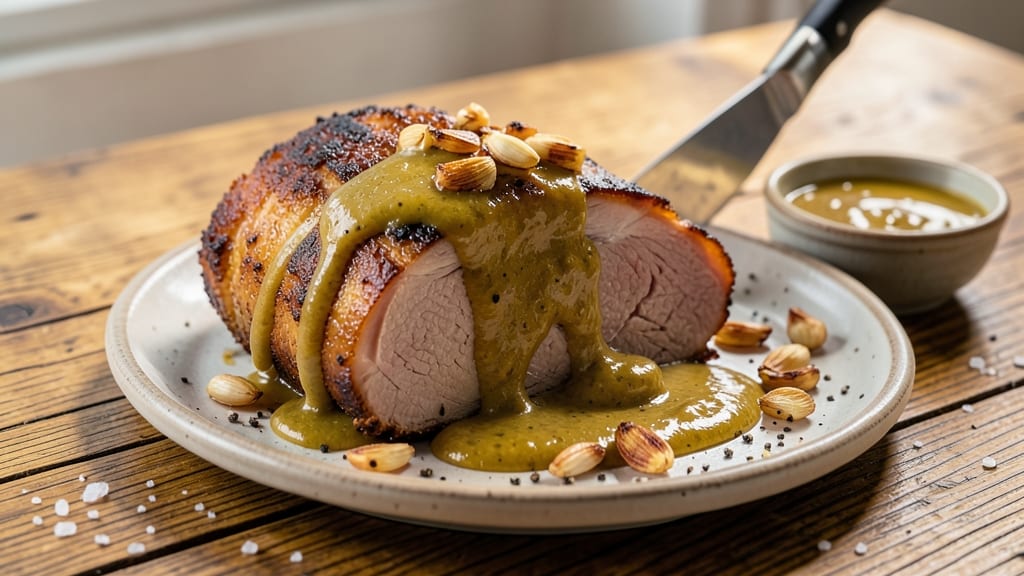
This baked ham with mustard sauce transforms holiday centerpieces into showstopping meals with minimal effort. The secret lies in a rich, tangy glaze that caramelizes into a golden crunch while keeping the meat perfectly tender inside.
After years of perfecting this technique, I’ve developed a foolproof method that delivers restaurant-quality results without the fuss of complicated preparations.
The process begins with a simple yet effective mustard-honey glaze—sweet and savory notes balance perfectly to complement the ham’s natural flavors. What sets this recipe apart is the basting technique: brushing the glaze in layers while baking ensures a glossy finish that cracks into crispy edges.
This isn’t just a side dish; it’s the star of the table, elevated by a sauce that’s as easy to make as it is delicious.
By the time you pull it from the oven, you’ll have a juicy, perfectly seasoned ham with a glaze so rich it’ll have everyone asking for seconds. The sauce isn’t just for dipping—it’s the highlight, infused with warmth from the oven and a tangy kick that cuts through the richness.
Serve it sliced thick, drizzled with extra glaze, and watch it disappear faster than you can say “holiday leftovers.”
Whether you’re hosting Thanksgiving, Christmas, or a casual Sunday dinner, this one-pan method ensures dinner comes together with confidence. The glaze can be adjusted—add a splash of bourbon for depth or keep it classic with just mustard and honey. Here’s how to make it happen without stress.
Ingredients for baked ham with mustard sauce
Six ingredients transform a simple ham into a showstopping centerpiece—no fancy skills needed.
| Ingredient | Amount | Notes |
|---|---|---|
| Uncooked Bone-In Ham 🍖 | 8 lb | Center-cut, 8-10 lb preferred |
| Dijon Mustard 🍯 | ½ cup | High-quality, smooth variety |
| Honey 🍯 | ½ cup | Wildflower or clover preferred |
| Apple Cider Vinegar 🍎 | ¼ cup | For tangy balance |
| Brown Sugar 🍚 | ½ cup | Light or dark, packed |
| Fresh Garlic Cloves 🧄 | 6 cloves | Minced for glaze |
| Fresh Rosemary 🌿 | ¼ cup | Chopped, stems removed |
| Fresh Thyme 🌿 | ¼ cup | Leaves only, stems removed |
| Unsalted Butter 🧈 | ½ cup | Cold, cubed for basting |
| Clarified Butter 🧈 | ¼ cup | Optional, for extra shine |
| Kosher Salt 🧂 | 2 tbsp | Diamond Crystal preferred |
| Freshly Ground Black Pepper 🌶️ | 1 tsp | Coarsely cracked |
| Bourbon or Brandy 🍷 | ¼ cup | Optional, for depth |
| Granulated Sugar 🍚 | 2 tbsp | For final sprinkle |
The ham makes all the difference here. Center-cut bone-in is key—it stays juicier than shank-end cuts. Costco or Whole Foods usually carry the perfect 8-10 lb size, but any grocery store with a butcher counter will have options. Look for good marbling and ask for it to be scored lightly before you buy (if they won't do it, use a sharp knife to make shallow cuts in a diamond pattern). The scoring lets the glaze penetrate deeper, giving you that restaurant-quality crackle. Pro tip: if your ham comes pre-cooked, skip the scoring—just focus on the glaze.
Mustard matters—Dijon is non-negotiable for that tangy depth. No honey? Maple syrup works in a pinch, but it's sweeter so reduce to 1/3 cup. The vinegar keeps things balanced, so don't skip it. For the herbs, fresh is best—dried works at half the amount, but you lose that bright aroma. Running short on time? Pre-minced garlic from the jar is fine, but fresh tastes better. The butter? Cold cubed butter bastes better than melted—it clings to the ham and creates those golden cracks. Want extra shine? Clarified butter adds a silky finish without burning.
This glaze reheats beautifully—just warm it gently in a small saucepan with a splash of water. Store leftovers in the fridge for up to 5 days, covered with plastic wrap pressed right on the surface. For the ham itself, slice it thick (about 1/2-inch) and serve with extra glaze drizzled over the top. The glaze thickens as it cools, so reheat it with a few drops of water or a quick stir with a splash of warm water. Freeze any extra glaze in ice cube trays for quick future meals—just thaw and reheat. The ham keeps for 3-4 days in the fridge, but honestly, it disappears faster than that.
Why You'll Love This Recipe
- Here’s what sold me: this ham works for everything. Glaze it up for Thanksgiving, serve it at a potluck, or throw it together on a Tuesday night when you’re craving something hearty but don’t want to slave over it. Same recipe, endless occasions.
- No-Fuss Prep: I swear by this recipe because it’s actually simple—just a bone-in ham, a quick glaze of Dijon, honey, and vinegar, then bake. No basting, no fussing, no stress. That uncooked ham stays juicy while the glaze caramelizes into a sticky, golden crust.
- Sweet-Spicy Magic: Between us, the mustard sauce is ridiculously good—tangy from the vinegar, sweet from the honey and brown sugar, with that sharp Dijon kick. It’s the kind of flavor that makes people ask, “What’s in it?” before taking seconds.
- Holiday or Weeknight: Here’s what sold me: this ham works for everything. Glaze it up for Thanksgiving, serve it at a potluck, or throw it together on a Tuesday night when you’re craving something hearty but don’t want to slave over it. Same recipe, endless occasions.
Step-by-step instructions for baked ham with mustard glaze
This method delivers restaurant-quality ham with a glossy, caramelized glaze that crackles with every bite.
Prep the Ham and Preheat the Oven
Remove the uncooked bone-in ham from the refrigerator and place it fat-side up on a rack in a roasting pan. This positioning allows the fat to render down and baste the meat as it cooks. Preheat your oven to 325°F—this gentle temperature ensures even cooking without drying out the meat.
While the oven heats, score the surface of the ham in a diamond pattern using a sharp chef's knife. Cut about ½-inch deep into the fat, working in a diamond shape. This creates channels for the glaze to penetrate deeply, resulting in flavor infusion throughout. Pat the ham dry with paper towels—this step is critical for achieving that perfect golden-brown crust.
Create the Mustard Glaze
In a small bowl, whisk together the 0.5 cup Dijon mustard, 0.5 cup honey, 0.25 cup apple cider vinegar, and 0.5 cup brown sugar until smooth and fully combined. The mustard adds depth, while the honey and vinegar create that signature tangy-sweet balance. Add 6 minced garlic cloves, 0.25 cup chopped fresh rosemary, and 0.25 cup fresh thyme leaves, stirring to incorporate.
Place the bowl of glaze in a warm spot while you prepare the ham. This allows the ingredients to meld together, enhancing the flavor profile. If you're using 0.25 cup bourbon or brandy, add it now and let it infuse for 5 minutes—this optional step adds a sophisticated depth that pairs beautifully with the mustard.
Baste and Roast the Ham
Transfer the ham to the preheated oven and roast uncovered for 2 hours. This initial cooking time allows the meat to come up to temperature gently. After 1 hour, baste the ham with the mustard glaze, using a pastry brush to coat it evenly. The glaze should stick to the surface, not pool in the pan.
Continue basting every 30 minutes during the roasting process. The ham is done when the internal temperature reaches 140°F—use a meat thermometer inserted into the thickest part of the ham (not touching bone) to check. The glaze should be bubbling and starting to caramelize, signaling it's ready for the final crisping stage.
Achieve the Golden Crunch
Remove the ham from the oven and increase the temperature to 450°F. Place the ham back in the oven and broil for 10-15 minutes, basting with the glaze every 5 minutes. Watch closely—you want the glaze to turn a deep amber color with crackly edges. If the glaze starts to burn, reduce the heat slightly or move the rack down.
For extra shine, brush the ham with 0.25 cup clarified butter just before removing it from the oven. The clarified butter adds a luxurious sheen and enhances the caramelization. Sprinkle with 2 tablespoons granulated sugar for a final touch of sweetness and texture contrast.
Rest and Serve
Transfer the ham to a cutting board and let it rest for 15-20 minutes before slicing. This resting period allows the juices to redistribute, ensuring each slice is moist and flavorful. The glaze will continue to set slightly, creating that perfect balance of crispy exterior and tender interior.
Slice the ham against the grain for the most tender texture and serve immediately. The mustard glaze should be sticky-sweet with a hint of tang, perfectly complementing the rich, savory ham. Pair with roasted vegetables or a simple green salad for a complete meal that's sure to impress.
Pro Tips For Making Baked Ham With Mustard Sauce
- SCORE THIS HAM: Start with a 325°F (160°C) oven—any hotter and you’ll dry out the bone-in ham before the center hits 145°F. I learned this the hard way after serving a slice that could’ve doubled as a doorstop. Use a meat thermometer; guessing leads to regret.
- BRINE THE HAM OVERNIGHT: Skip the dry rub if you’re short on time—submerge the ham in a mix of 1 gallon water, 1 cup brown sugar, and 1/2 cup salt for at least 12 hours. The bone stays moist, and the glaze sticks better later. (Yes, even if you’re impatient like me.)
- THICKEN THE SAUCE RIGHT: Simmer your mustard-honey-vinegar glaze until it coats the back of a spoon—about 3-4 minutes. If it’s too runny, mix 1 tsp cornstarch with 1 tbsp cold water and stir it in. Thin glaze = soggy ham. Thick glaze = restaurant-quality finish.
- BASTE LIKE A PRO: Brush the ham with the mustard sauce every 30 minutes, starting after the first hour. The acid in the vinegar needs time to work its magic—don’t skip the early bastes. (Pro move: Save the drippings, strain them, and reduce into a syrup for extra flavor.)
Common mistakes when making great baked ham with mustard sauce
Skipping the Score
I’ve seen so many cooks skip scoring the ham entirely, thinking it’s optional. But those shallow diamond cuts are what let the glaze penetrate deep into the meat, creating that signature crackly crust.
If you don’t score, the glaze just sits on the surface, leading to a sticky mess instead of a beautiful caramelized finish. Use a sharp knife and cut about ½-inch deep—this makes all the difference. 🔪
Over-Basting Early
Basting too soon is a common rookie mistake. The glaze needs time to thicken slightly before it can properly caramelize. If you baste too early, the ham stays wet and the glaze won’t develop that beautiful amber color.
Wait until the ham has cooked for at least 1 hour before the first basting—this gives the surface time to dry out and develop a better crust. Patience here is key!
Ignoring the Resting Time
Skipping the 15-20 minute rest after baking is one of the biggest mistakes I see. Without resting, the juices rush out when you slice, leaving you with dry, disappointing ham.
Let the meat relax on a cutting board—this redistributes the juices and keeps every slice moist and flavorful. Trust me, those extra minutes make all the difference. ⏰
Using the Wrong Mustard
Not all mustards are created equal! Using regular yellow mustard instead of Dijon will leave your glaze tasting sharp and unbalanced. Dijon’s smooth, tangy depth is what makes this sauce work. If you’re in a pinch, a high-quality whole-grain mustard can work, but stick with Dijon for that classic flavor.
The texture of the mustard matters too—avoid grainy varieties that won’t blend smoothly into the glaze.
Broiling Without Watching
The final broil step is where the magic happens, but it’s easy to let the glaze burn if you’re not careful. Set a timer and keep an eye on the ham—it should turn a deep amber color with crackly edges.
If it starts to darken too quickly, reduce the heat or move the rack down. A burned glaze ruins an otherwise perfect ham, so stay alert during this critical step. 🌡️
Overlooking the Glaze Thickness
If your glaze is too thin, it’ll pool in the pan instead of sticking to the ham. The ideal consistency should coat the back of a spoon but still drip slowly. If it’s too runny, simmer it for a few minutes to thicken.
A properly thickened glaze caramelizes beautifully and creates that coveted crackly texture. Don’t rush this step—let the glaze reduce naturally for the best results.
Nutrition facts
Frequently asked questions
Can I use pre-cooked ham for this recipe?
Yes, but with adjustments! Pre-cooked hams are fully done at 145°F, so simply score the surface, brush with the glaze, then broil at 425°F for 15-20 minutes until caramelized. Skip the initial roasting step—just focus on creating that golden crust. The internal temperature won't rise much further, so monitor closely to avoid over-browning.
How can I make this glaze ahead of time?
Prepare the glaze up to 2 days ahead and store it in an airtight container in the fridge. Reheat gently in a saucepan over low heat, stirring until smooth. For extra richness, add a splash of water or apple cider vinegar if it thickens too much. The flavors actually improve overnight as the ingredients meld together!
What's the best way to reheat leftover ham with glaze?
Slice the ham and reheat in a skillet over medium-low heat with a splash of water or broth to keep it moist. For extra shine, brush with a mix of 1 tbsp honey and 1 tsp Dijon mustard while warming. The glaze will re-liquefy and create that signature sticky texture. Avoid microwaving—it makes the glaze rubbery!
Can I substitute honey in the glaze?
Try maple syrup (reduce by 1/4 cup since it's sweeter) or agave nectar for a vegan option. For a deeper flavor, swap half the honey for brown sugar syrup (simmer equal parts sugar and water). The key is maintaining the tangy-sweet balance—adjust vinegar or mustard to taste if needed.
How do I adjust the recipe for a smaller ham?
For a 5-6 lb ham, reduce all glaze ingredients by 1/3 and cook at 325°F for 1.5 hours before basting. The cooking time scales roughly 15 minutes per pound, but always use a meat thermometer (140°F internal temp). The glaze quantity should be proportional to the surface area—don't skimp on coverage for that perfect crackly finish!