Sauces & Condiments
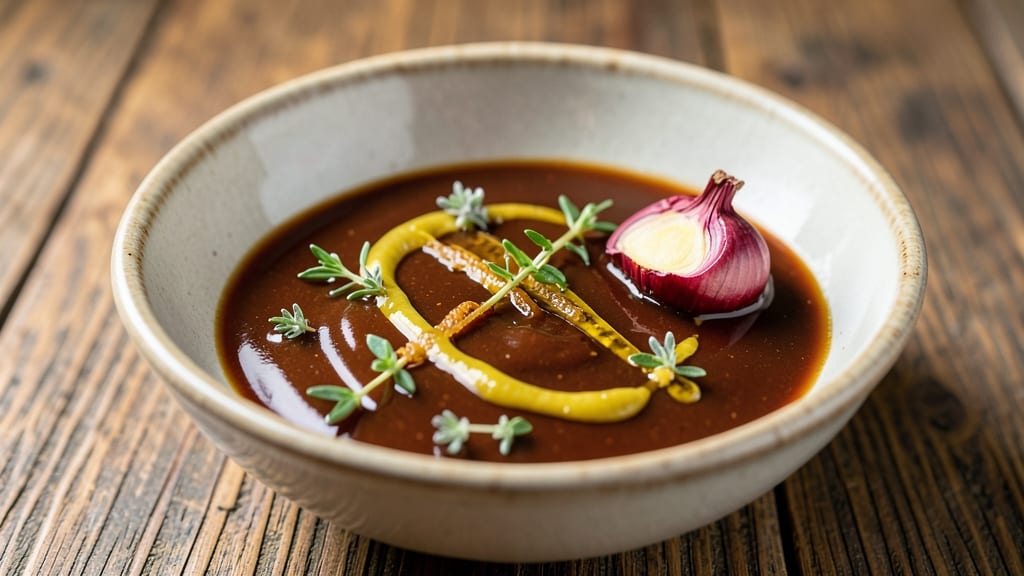
This balsamic vinegar dipping sauce transforms ordinary meals into something extraordinary with just five ingredients and 10 minutes of prep. The perfect balance of sweet and tangy flavors makes it a versatile addition to any table—whether you're serving crisp celery crowns, charred grilled meats, or warm bread.
I developed this recipe after realizing how often a simple, well-seasoned sauce could elevate everyday dishes without complicating the meal.
The secret lies in simmering balsamic vinegar with honey and garlic until thickened, then finishing with a touch of Dijon mustard for depth. This sauce isn’t just for dipping—it works as a marinade, salad dressing, or even a glaze for roasted vegetables.
The richness of the balsamic pairs beautifully with the sharpness of fresh herbs, creating a harmony that’s both sophisticated and approachable.
What sets this sauce apart is its versatility—it stays fresh in the fridge for up to two weeks, making it perfect for meal prep. A drizzle over grilled chicken, a dip for veggie platters, or a finishing touch on pasta transforms simple ingredients into something restaurant-worthy.
The texture is silky-smooth, with just enough tang to cut through rich flavors.
For an extra touch of elegance, serve it with crisp celery crowns or warm, toasted bread. The contrast of textures—creamy sauce, crunchy celery, and soft bread—creates a sensory experience that’s impossible to resist. Let’s make this sauce and turn your next meal into a standout dish.
Ingredients for balsamic vinegar dipping sauce
Five ingredients craft this velvety balsamic sauce—where sweetness meets sophistication for any table.
| Ingredient | Amount | Notes |
|---|---|---|
| Balsamic Vinegar 🍷 | 1 cup | High-quality aged variety preferred |
| Raw Honey 🍯 | ½ cup | Local honey for optimal flavor |
| Garlic Cloves 🧄 | 4 cloves | Freshly minced for aromatic depth |
| Dijon Mustard 🌶️ | 1 tbsp | Mild or strong according to preference |
| Extra-Virgin Olive Oil 🫒 | 2 tbsp | For richness and smooth texture |
| Fresh Thyme Leaves 🌿 | ¼ cup | Or 1 tsp dried thyme if fresh unavailable |
| Sea Salt 🧂 | ½ tsp | Diamond Crystal preferred for balance |
| Black Peppercorns 🌶️ | ¼ tsp | Freshly cracked for subtle heat |
The balsamic vinegar is non-negotiable here—aged varieties from Italian markets deliver the deepest caramel notes. Balsamic glaze works in a pinch, but the reduction process is what creates that luxurious thickness. For honey, local varieties add subtle floral undertones that elevate the sauce. Garlic should be fresh—roasted garlic softens the flavor but loses that essential punch. Thyme is optional but recommended; its earthy notes bridge the sweet and tangy elements beautifully. If you're using dried thyme, measure it by the teaspoon—it's far more concentrated than fresh.
No aged balsamic? Substitute with red wine vinegar plus 1 tbsp brown sugar—it won't be identical, but the tang remains. Honey too expensive? Maple syrup works perfectly, though it leans more molasses-forward. Dijon mustard unavailable? Yellow mustard in equal parts maintains the tang without the same depth. For a richer finish, add 1 tsp of balsamic reduction (store-bought or homemade) instead of olive oil. The sauce's balance relies on these ratios—don't skimp on the honey or vinegar, but feel free to adjust the mustard to taste. Fresh herbs can be swapped for dried at one-third the amount, but the texture will differ slightly.
This sauce thickens as it cools, so stir in a splash of water if it becomes too syrupy. Store in a glass jar in the fridge for up to two weeks—the flavors actually improve with a day or two of resting. For meal prep, make a double batch; it's perfect for drizzling over grilled vegetables, topping salads, or pairing with crisp celery crowns. Freeze portions in ice cube trays for convenient single-use servings. The sauce also reheats beautifully—simmer gently for 2-3 minutes to restore its silky texture.
Why You'll Love This Recipe
- Five-Ingredient Magic: I swear, this sauce is the kind of recipe that makes me feel like a genius—just five things, stirred together while I’m waiting for the chicken to roast. No fancy techniques, no measuring cups that require a magnifying glass, just honest, reliable flavor.
- Sweet-Savory Balance: That first bite of crispy roasted veggies or fresh bread with this sauce? The honey cuts through the tangy balsamic, and the Dijon mustard adds this little pop—like a secret handshake between sweet and sharp. Honestly, I’ve made dipping sauces that were either too sweet or too sour, but this one? Spot-on.
- Game for Any Meal: Between us, I’ve drizzled this on everything from charcuterie boards to leftover pizza, and it always works. Game nights? Check. Weeknight dinners? Double check. Even my picky teenager asked for seconds when I served it with fries—(yes, even on a Tuesday night).
- Stays Fresh, Costs Less: Make a big batch—it keeps in the fridge for weeks without losing its zip, and the ingredients? Cheap. Like, "I can afford to make this twice a week" cheap. Plus, it’s the kind of sauce that turns a $5 grocery run into a $20 meal with zero guilt.
Step-by-step instructions for balsamic vinegar dipping sauce
This sweet-tangy glaze balances bold flavors with precise technique for a restaurant-quality result.
Simmer the Balsamic and Honey Base
Combine the 1 cup Balsamic Vinegar and 0.5 cup Raw Honey in a medium saucepan over medium-high heat. Bring to a gentle boil, then immediately reduce heat to medium-low and let it simmer uncovered for 10-12 minutes. You'll notice the mixture darken and thicken as the alcohol content evaporates, creating a deeper, more concentrated flavor profile.
Stir occasionally with a wooden spoon, scraping the bottom of the pan to prevent any sugar from sticking. The sauce should reduce by about one-third—when it reaches a syrupy consistency that coats the back of a spoon, it's ready for the next step. This reduction is crucial for achieving the perfect balance between sweetness and acidity.
Incorporate Aromatics and Mustard
Add the 4 cloves Garlic Cloves (finely minced) and 1 tbsp Dijon Mustard to the reduced balsamic mixture. Stir well to combine, then return the pan to medium heat for 2-3 minutes. The garlic should become fragrant but not browned—this ensures you capture its aromatic essence without bitterness.
Here's the thing—don't let the garlic burn. It only takes seconds for minced garlic to go from fragrant to bitter. If it starts to darken, immediately remove the pan from heat and stir in 2 tbsp Extra-Virgin Olive Oil to mellow the flavor. The mustard will help emulsify the sauce later, creating a silky texture.
Add Herbs and Seasonings
Remove the pan from heat and stir in the 0.25 cup Fresh Thyme Leaves, 0.5 tsp Sea Salt, and 0.25 tsp Black Peppercorns (freshly cracked). Let the mixture steep for 5 minutes off the heat—this allows the thyme to infuse its earthy aroma into the sauce. The salt and pepper will balance the sweetness and acidity, creating a harmonious flavor profile.
I always use fresh thyme here because the dried version can be overpowering. If you must use dried, reduce to 1 tsp and steep for only 3 minutes. The peppercorns should be cracked just before adding to ensure maximum freshness and subtle heat that complements the sweet-tangy notes.
Finish and Strain for Smooth Texture
Return the pan to low heat and let the sauce simmer gently for another 3-4 minutes to meld all the flavors together. Taste and adjust seasoning if needed—you might want to add a pinch more salt or a splash of balsamic vinegar to fine-tune the balance.
Strain the sauce through a fine-mesh sieve into a clean bowl to remove the thyme leaves and any garlic bits. This step ensures a silky, professional-quality finish. The sauce should now have a glossy sheen and coat the back of a spoon thickly. If it's too thick for dipping, whisk in 1-2 teaspoons of warm water to reach your desired consistency.
Serve Warm or Store Properly
Serve the dipping sauce immediately while warm for the best flavor experience. It pairs beautifully with crisp celery crowns, fresh bread, or grilled meats. The contrast between the cool, crunchy celery and the warm, tangy sauce creates an irresistible combination.
For storage, transfer the sauce to an airtight container and refrigerate. It will keep for up to 1 week, though the flavors continue to develop and deepen over time. To reheat, warm gently in a saucepan over low heat, stirring frequently until just heated through. Avoid boiling, as this can alter the delicate balance of flavors you've worked so hard to achieve.
Pro Tips For Making Balsamic Vinegar Dipping Sauce
- Warm the Honey: Dump that cold honey straight from the jar, and you’re fighting a losing battle. Warm it gently—just 10 seconds in the microwave or a quick dip in warm water—so it blends smoothly with the vinegar instead of clumping like a stubborn guest at a dinner party.
- Mince Garlic Finer: I used to crush whole cloves and wonder why my sauce tasted like garlic hints rather than full-on flavor. Now? I mince it like I’m mad—tiny, even bits—so every bite gets that rich, punchy garlic kick without overpowering the sweetness.
- Whisk Like You Mean It: Stirring with a spoon? You’re doing it wrong. Whisk vigorously for at least 30 seconds after mixing—this emulsifies the olive oil and mustard so the sauce stays silky, not split like a bad relationship. (Yes, even if it looks weird at first.)
- Balance the Vinegar: Balsamic vinegar’s tang can sneak up on you. Start with ¼ cup, taste, then adjust—add honey or mustard first if it’s too sharp, or a splash of water if it’s too thick. The goal? A sauce that’s bold but not bitter, like a well-timed joke.
Flavor customization for this dish
Sweet-Tangy Variations
Swap raw honey for maple syrup to deepen the caramel notes—just reduce the simmer time to 8-10 minutes to prevent over-darkening. For a fruitier twist, stir in 2 tbsp grated orange zest during the final 3 minutes of simmering.
The citrus brightens the sauce beautifully, especially when paired with grilled chicken or seafood. 🍊
Herb Swaps for Depth
Replace thyme with rosemary for a piney, earthy aroma that pairs well with roasted lamb or mushrooms. For a Mediterranean flair, use oregano and add 1 tsp dried basil—this combo works perfectly with charred eggplant or zucchini.
Always use fresh herbs for the best flavor, but if dried is all you have, reduce to ⅓ the amount and steep for half the time.
Spicy Kick Options
Add ½ tsp red pepper flakes or 1 tsp minced jalapeño during the final 2 minutes of simmering for heat. For a smoky depth, stir in ½ tsp smoked paprika with the mustard.
This variation shines with spicy wings or grilled sausages, balancing the sweetness with a bold, warming finish. Adjust to taste—start with ¼ tsp if you're sensitive to spice. 🌶️
Richness Adjustments
For a creamier texture, whisk in 1 tbsp heavy cream or Greek yogurt after straining. This works beautifully with crispy fries or veggie platters.
To make it nutty, add 1 tbsp tahini or walnut oil instead of olive oil—this adds a Middle Eastern-inspired twist that pairs well with hummus and pita chips. Always temper the sauce gently if adding dairy to avoid curdling.
Global Flavor Twists
Transform this sauce into a Thai-inspired glaze by adding 1 tbsp fish sauce and 1 tsp lime juice—simmer for 5 extra minutes to meld flavors. For an Italian touch, fold in 1 tbsp grated Parmesan at the end for a cheesy, umami-rich variation.
These adaptations turn your basic dipping sauce into a versatile global condiment ready for any cuisine. ✨
Nutrition facts
Frequently asked questions
Can I make this sauce without honey?
Swap the honey for ½ cup maple syrup or ¼ cup agave nectar—both work beautifully. For a more savory twist, reduce the sweetener to ¼ cup and add 1 tbsp balsamic reduction instead. The sauce will still thicken properly, though the flavor profile will shift toward tangier.
How do I adjust the thickness for dipping vs. drizzling?
For a thicker dipping consistency, simmer the sauce 2-3 extra minutes to evaporate more liquid. If it becomes too thick, whisk in 1 tsp warm water at a time until smooth. For a thinner drizzling sauce, add 1-2 tbsp water while warm and stir well. The sauce naturally thickens as it cools, so adjust before serving.
What are the best pairings beyond celery and bread?
This sauce excels with grilled chicken or fish, roasted Brussels sprouts, crispy fries, and even soft polenta. For a sweet-savory combo, drizzle over cinnamon-sugar donuts or warm apple slices>. The tangy-sweet balance works surprisingly well with spicy foods too—try it with buffalo wings or jalapeño poppers>.
Why did my sauce turn too dark or bitter?
Over-simmering causes darkening and bitterness—keep heat at medium-low and watch closely after 10 minutes>. If it burns, immediately remove from heat and stir in 1 tbsp olive oil to mellow the flavor. For extra insurance, use aged balsamic vinegar (not white vinegar) and avoid boiling. The sauce should reduce gradually, not darken quickly.
Can I make this sauce ahead for meal prep?
Yes! Make it 2-3 days ahead for deeper flavor development. Store in an airtight container in the fridge for up to 2 weeks>. For meal prep, double the recipe and freeze portions in ice cube trays—thaw overnight in the fridge before using. The sauce actually tastes better after resting, as the flavors meld further. Reheat gently over low heat to preserve texture.