
Sauces & Condiments
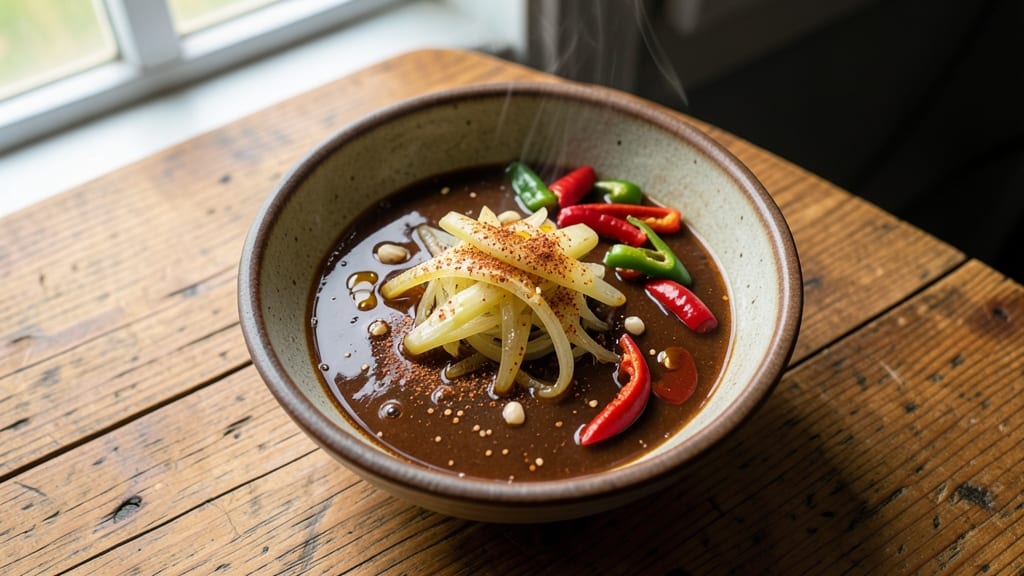
This bamboo sauce recipe transforms humble ingredients into a bold, umami-rich condiment that bridges Southeast Asian tradition with modern creativity. The secret lies in fermented bamboo shoots—earthy, tangy, and deeply savory—which form the sauce’s backbone when simmered with garlic, chili, and a touch of vinegar for brightness.
I developed this version after tasting how it elevates everything from grilled pork to spring rolls, and it’s become a staple in my kitchen for its ability to add depth without overpowering dishes.
The magic happens in balancing textures and flavors: crispy fried shallots add crunch, while a whisper of smoked paprika introduces warmth that lingers on the palate. Unlike store-bought versions, this recipe lets you control the heat and tanginess, ensuring each batch aligns with your taste preferences.
The process is straightforward—simmer, reduce, and finish with fresh herbs—but the result is anything but basic.
What you’ll end up with is a sauce that’s equal parts crispy (thanks to the fried shallots) and velvety, with layers of fermented funk, garlic punch, and a subtle smokiness that makes it irresistible.
It’s the kind of condiment that turns ordinary meals into memorable ones, whether drizzled over noodles, slathered on grilled meats, or used as a dipping sauce for spring rolls. The best part?
It keeps well in the fridge for up to two weeks, so you can make a big batch and enjoy it all week.
Pair it with grilled pork skewers, steamed dumplings, or even as a marinade for tofu—its versatility makes it a must-have for any sauce collection. Ready to elevate your dishes with this bamboo sauce recipe? Let’s get started.
Ingredients for bamboo sauce
Fermented bamboo shoots, crispy shallots, and smoky spices—this sauce is all about texture and depth.
| Ingredient | Amount | Notes |
|---|---|---|
| Fermented Bamboo Shoots 🌱 | 1 cup | Packed, rinsed well |
| Yellow Onion 🧅 | 1 whole | Finely diced |
| Garlic Cloves 🧄 | 6 cloves | Minced, aromatic |
| Fresh Chili Peppers 🌶️ | 2 whole | Thai or serrano, finely chopped |
| Smoked Paprika 🌶️ | 1 tbsp | For smoky depth |
| Rice Vinegar 🍶 | ½ cup | White or seasoned |
| Soy Sauce 🍜 | ¼ cup | Light or all-purpose |
| Shallots 🧅 | ½ cup | Thinly sliced for frying |
| Extra-Virgin Olive Oil 🫒 | ½ cup | For frying shallots |
| Fresh Thai Basil Leaves 🌿 | ¼ cup | Chopped, for freshness |
| Sesame Oil 🌱 | 1 tbsp | Toasted, for aroma |
| Salt 🧂 | 1 tsp | Diamond Crystal preferred |
Fermented bamboo shoots are the star here, and Asian markets or specialty stores are your best bet for quality—look for jars labeled 'fermented' or 'pickled' with a tangy aroma. If you can't find them, bamboo shoots in water work in a pinch, but they won’t have that funky depth. The shallots? Don’t skip frying them—their crispy crunch is what makes this sauce sing. For extra smokiness, toast the smoked paprika in a dry pan for 30 seconds before adding it to the sauce. And if you’re feeling fancy, Thai bird’s eye chilies add serious heat without overpowering the dish.
No fermented bamboo shoots? Substitute with 1/2 cup extra rice vinegar plus 1 tsp fish sauce for a similar tang, though it won’t be identical. Swapping the Thai basil for regular basil? Use half the amount—it’s less aromatic. The soy sauce can be reduced if you’re watching sodium, but don’t skip it entirely—it’s what ties everything together. For a quicker version, store-bought fried shallots (like Trader Joe’s) save time, though homemade are far superior. And if sesame oil is out of stock, toasted sesame seeds (1 tsp) work in a bind.
This sauce keeps beautifully—2 weeks in the fridge sealed in an airtight jar. The flavors actually deepen over time, so don’t hesitate to make a big batch. For extra crispiness, store the fried shallots separately and sprinkle them on top before serving. Freezes well for 3 months, though the texture might soften slightly. I like to portion it into small jars so it’s ready to grab for quick meals—perfect for drizzling over noodles, grilled meats, or even as a dipping sauce for spring rolls.
Why You'll Love This Recipe
- Five-Ingredient Magic: I swear by this—just chop, simmer, and boom. The fermented bamboo shoots add that funky, umami punch without extra effort, and the onions caramelize while you stir. No fancy techniques, no stress.
- Smoky-Spicy Kick: That smoked paprika and fresh chili? It’s the kind of flavor that lingers. The bamboo shoots bring this deep, tangy richness, while the garlic and chili add heat that’s just right—not overpowering, but enough to make you reach for seconds.
- Dinner Party Ready: Serve it with rice, toss it over noodles, or drizzle it on grilled meats. Honestly, I’ve used it as a marinade, a dipping sauce, and even a quick stir-fry base. It’s the kind of sauce that makes you look like a pro without trying.
- Budget-Friendly Pantry Staple: Fermented bamboo shoots last forever in the fridge, and the rest of the ingredients? Onion, garlic, chili—stuff you already have. I’ve made a whole week’s worth of meals from one batch, and it still tastes fresh. No waste, all flavor.
Step-by-step instructions for crispy bamboo sauce with celery crowns
Here's how to transform fermented bamboo shoots into a vibrant, umami-rich sauce with crispy shallots and aromatic depth.
Prepare the Base Ingredients
Start by rinsing the 1 cup Fermented Bamboo Shoots thoroughly under cold water to remove any excess salt or debris. I like to soak them for 5 minutes in a bowl of water, then drain completely. This step ensures your sauce isn't overly briny and develops a cleaner flavor profile.
While the bamboo shoots drain, finely dice the 1 whole Yellow Onion into small, even pieces—about ¼-inch cubes. The smaller the dice, the faster they'll cook and blend into the sauce. Set aside in a separate bowl. For the 6 cloves Garlic Cloves, I prefer to mince them rather than chop, as this releases more aroma when cooked. Finely chop the 2 whole Fresh Chili Peppers—remove seeds if you prefer less heat—but keep the membranes for extra flavor.
Build the Flavor Foundation
Heat 0.25 cup Extra-Virgin Olive Oil in a medium saucepan over medium heat. Add the diced shallots and cook for 3-4 minutes, stirring occasionally, until they turn golden brown and crispy. This step is crucial—it adds texture and depth to the sauce. Remove the shallots with a slotted spoon and set aside on a paper towel to drain excess oil.
In the same pan, add the minced garlic cloves and chopped chili peppers. Sauté for 30 seconds until fragrant—you'll smell the garlic's sweetness and the chili's subtle heat. Immediately add the 1 tbsp Smoked Paprika and stir for 10 seconds to toast the spices. This quick toasting enhances their smoky, earthy flavors without burning them.
Simmer the Sauce to Perfection
Add the drained fermented bamboo shoots, 0.5 cup Rice Vinegar, and 0.25 cup Soy Sauce to the pan. Stir well to combine, then bring the mixture to a gentle boil over medium-high heat. Once boiling, reduce the heat to low and let it simmer uncovered for 10-12 minutes, stirring occasionally. You're looking for the sauce to reduce by about one-third—this concentrates the flavors and thickens the texture.
Taste the sauce at this stage. It should be tangy from the vinegar, salty from the soy sauce, and slightly funky from the bamboo shoots. If it needs more depth, add a pinch of the 1 tsp Salt or a splash of water to balance the flavors. The sauce should coat the back of a spoon but still be pourable.
Finish with Aromatics and Texture
Remove the pan from heat and stir in the 1 tbsp Sesame Oil. The aroma will intensify immediately—this is where the sauce comes together. Add the 0.25 cup Fresh Thai Basil Leaves, chopped, and the crispy shallots you set aside earlier. Gently fold everything together, letting the basil infuse the sauce with its bright, peppery notes.
For the final touch, let the sauce sit off the heat for 5 minutes. This resting period allows the flavors to meld and the texture to thicken slightly. The crispy shallots will soften just enough to blend into the sauce while still adding a delightful crunch. Serve immediately over rice, noodles, or as a dipping sauce for spring rolls.
Pro Tips For Making Bamboo Sauce
- Rinse the Bamboo Shoots: Fermented bamboo shoots pack a funky, umami punch—but they’re also packed with sediment. Give them a quick 30-second rinse under cold water before chopping to cut the grit without losing flavor. I learned this the hard way after spitting out a mouthful of tiny rocks in my first batch.
- Sauté Onions Low and Slow: Skip the high-heat rush—caramelize those onions at medium-low for 8–10 minutes until they’re deep golden, not brown. This builds sweetness that cuts through the bamboo’s tang, and it’s the thing that makes the sauce taste actually balanced. (Yes, it takes longer, but your future self will notice.)
- Toast the Paprika First: Bloom the smoked paprika in the oil for 30 seconds before adding anything else—it deepens the flavor and prevents it from clumping. I was skeptical until I tried it: the sauce now has a richer, almost smoky backbone that wasn’t there before.
- Control the Chili Heat: Seed and finely dice the chili peppers, then taste as you go—add them gradually to the sauce. Fresh chilies vary wildly, and you’ll regret dumping in a whole habanero without testing. Start with half, simmer, then adjust. (Trust me, you’ll thank yourself when you’re not crying into the pot.)
Troubleshooting this recipe
Sauce Too Thin?
If your bamboo sauce ends up too thin after simmering, don’t panic—simmer it uncovered for another 5-10 minutes to reduce further. For a quicker fix, mix 1 tsp cornstarch with 1 tbsp cold water, stir into the sauce, and cook for 1-2 minutes until thickened.
I’ve also had success adding ½ cup cooked and mashed bamboo shoots to bulk up the texture naturally. 🌡️
Funky Fermented Taste Overpowering?
The fermented bamboo shoots should add depth, not dominate. If the funk is too strong, balance it by adding 1 extra tbsp soy sauce or 1 tsp sugar to mellow the tang. For a cleaner profile, strain the sauce through a fine-mesh sieve after simmering to remove excess solids.
I’ve also found that adding ½ cup fresh lime juice at the end brightens the flavor beautifully.
Shallots Not Crispy Enough?
Crispy shallots are key for texture! If yours turn soft, fry them in 0.25 cup neutral oil (like vegetable or canola) over medium-high heat until deep golden brown—about 4-5 minutes.
Work in small batches to avoid crowding the pan. For extra crunch, store them in the freezer for up to 1 month and sprinkle directly over the sauce before serving. 🥔
Sauce Too Salty?
If your sauce tastes too salty, dilute it with 1-2 tbsp warm water or rice vinegar to balance the flavor. For a more subtle fix, add ½ cup fresh cucumber juice or 1 tbsp honey to offset the saltiness.
Always taste as you go—adjust gradually to avoid overcorrecting. I’ve also used ¼ cup coconut milk to mellow the salt while adding creaminess.
Chili Heat Too Intense?
To reduce heat, remove the seeds and membranes from the chilies before chopping. If the sauce is already made, stir in 1 tbsp sweetened condensed milk or 1 tsp sugar to balance the heat.
For a milder version, swap Thai chilies for milder serrano peppers or even ½ tsp cayenne pepper in future batches. Always taste the chilies raw first—they vary wildly in spice level!
Sauce Separating?
If your sauce separates after refrigeration, gently reheat it in a saucepan over low heat while whisking continuously. The heat will help re-emulsify the ingredients. For a smoother texture, blend the sauce briefly with an immersion blender—just 10-15 seconds is enough to restore consistency.
Avoid adding water; it’ll dilute the flavors further. 💫
Nutrition facts
Frequently asked questions
What gives bamboo sauce its unique fermented flavor?
The signature funk comes from fermented bamboo shoots, which develop a tangy, umami-rich profile when properly prepared. The fermentation process creates lactic acid and natural enzymes that give the sauce its distinctive depth. If you can't find fermented versions, soaking regular bamboo shoots in 1 tbsp vinegar + 1 tsp salt for 24 hours mimics some of the flavor, though it won't be identical.
Can I make this sauce without fresh Thai basil?
Swap Thai basil for regular basil or cilantro, but use only half the amount since they're milder. For a different twist, try fresh mint or lemongrass (finely chopped) for a brighter profile. If you prefer no herbs, simply omit them—the sauce will still be delicious, just less aromatic.
How can I adjust the heat level in this sauce?
For milder heat, remove seeds and membranes from chilies before chopping. For extra spice, add ½ tsp red pepper flakes or 1 sliced Thai chili after simmering. If the sauce is already too hot, balance it with 1 tsp sugar or 1 tbsp coconut milk. Always taste raw chilies first—their heat varies dramatically!
What are the best ways to use leftover bamboo sauce?
This versatile sauce works as a marinade, dipping sauce, or finishing drizzle. Try it with grilled meats, noodle bowls, or even as a glaze for tofu. For extra flavor, stir in 1 tbsp fish sauce or 1 tsp honey before using. It also makes a great base for quick stir-fries—just add 1 cup cooked veggies and ½ lb protein.
Why does my sauce look cloudy after refrigeration?
Cloudiness is normal and happens when natural oils separate. Simply stir vigorously or gently reheat over low heat while whisking. For a smoother texture, blend briefly with an immersion blender. The flavor won't be affected—it's just the natural separation of ingredients. Always store in an airtight container to prevent further separation.