Sauces & Condiments
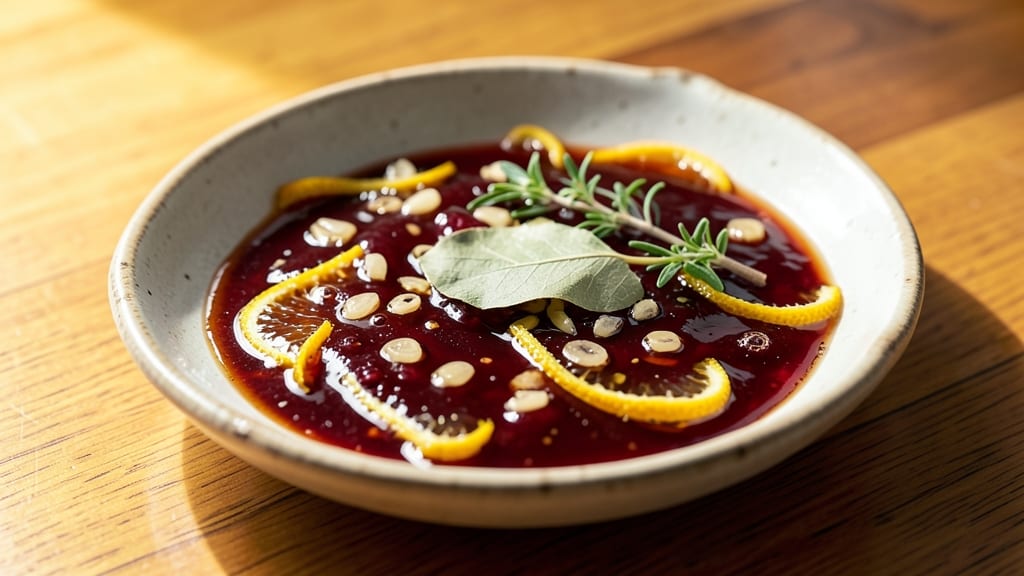
Banyuls sauce recipe transforms simple wine reduction into a bold, aromatic condiment that elevates everything from roasted meats to creamy pastas.
The secret lies in slow reduction of Banyuls wine—a fortified dessert wine with deep berry notes—paired with orange zest for brightness and shallots for depth. Simmering until syrupy creates a sauce that's rich yet balanced, with hints of thyme and bay leaf adding herbal complexity.
This isn't just a reduction; it's a flavor multiplier that turns ordinary dishes into restaurant-worthy meals.
What makes this sauce special is its versatility—drizzle it over duck confit, reduce it further for glaze, or use it as a base for marinades. The key technique is patience: letting the wine reduce gradually preserves its natural flavors while concentrating them into a velvety, intensely aromatic sauce.
With just 10 minutes of active prep and 30 minutes of simmering, you'll have a sauce that keeps beautifully in the fridge for up to two weeks.
Perfect for holiday feasts or weeknight dinners, this sauce delivers professional results with simple ingredients. The orange zest prevents heaviness, while the wine's natural sweetness balances acidity. Ready to transform your cooking with this game-changing condiment?
Ingredients for banyuls sauce
Nine ingredients, one transformative sauce—where bold wine meets citrus brightness for restaurant-quality results.
| Ingredient | Amount | Notes |
|---|---|---|
| Banyuls Wine 🍷 | 2 cups | Fortified dessert wine, not cooking wine |
| Orange Zest 🍊 | 1 tbsp | From 1 large organic orange |
| Shallots 🧅 | 3 whole | Minced, not sliced |
| Fresh Thyme Leaves 🌿 | ½ tsp | Or 1/8 tsp dried thyme |
| Bay Leaves 🍃 | 1 whole | 1 large leaf, removed after simmering |
| Granulated Sugar 🍚 | 1 tbsp | Optional, for balance |
| Extra-Virgin Olive Oil 🫒 | 1 tbsp | For finishing, high quality |
| Salt 🧂 | ¼ tsp | Diamond Crystal kosher salt |
| Black Pepper 🌶️ | ⅛ tsp | Freshly cracked peppercorns |
Banyuls wine is the star, so avoid cooking wine—this fortified dessert wine delivers deep berry notes that elevate the sauce. Kermit Lynch or local wine shops often carry it, but high-end grocery stores like Whole Foods or Trader Joe's may stock it. If unavailable, substitute Port wine or Muscat, though the flavor profile will differ slightly. For the orange zest, use organic when possible—the vibrant peel delivers more aromatic oils. Shallots should be fresh and firm, not sprouting or soft. The thyme and bay leaf add herbal depth, so don't skip them even if you're short on time.
No Banyuls? Port wine or dry red wine works in a pinch, but reduce the sugar to 1/2 tablespoon. Fresh thyme unavailable? Dried thyme at one-third the amount suffices, but toast it first in a dry pan for 30 seconds to enhance flavor. The orange zest can be substituted with lemon zest for brightness, though orange's floral notes are ideal. For a quicker prep, pre-minced shallots from a jar save time, but fresh is always superior. Sugar can be omitted entirely if using a naturally sweet wine, but it helps balance acidity in the reduction.
This sauce develops deeper flavor over time, so reheat gently on low—never microwave. Store in a clean, airtight jar in the fridge for up to 2 weeks, where it continues to meld. For longer storage, freeze in ice cube trays with a splash of water to prevent crystallization, then transfer to a bag for up to 6 months. The sauce thickens as it cools, so thin with a splash of water or wine if needed before serving. A drizzle of extra-virgin olive oil just before serving adds luxurious finish.
Why You'll Love This Recipe
- One-Pot Magic: I swear by this sauce because it’s actually just five ingredients simmered together—no straining, no fuss. The Banyuls wine reduces down to a glossy, fragrant base while I’m chopping veggies for the main dish, so it’s basically hands-off after the initial prep.
- Bright & Deep: That first sip of orange zest hitting your tongue, then the rich, almost chocolatey notes from the Banyuls—it’s like a little flavor explosion. Honestly, the thyme and bay leaves give it this earthy backbone that makes it way more interesting than your average wine sauce.
- Weeknight Swiss Army Knife: Slather it on grilled fish, toss it with roasted potatoes, or drizzle it over seared scallops—it’s my go-to for anything that needs a grown-up boost. Between us, it’s the only sauce I keep in my fridge for spontaneous dinners (yes, even on a Tuesday night).
- Pantry Stash Winner: A bottle of Banyuls lasts forever, and this sauce keeps for weeks in the fridge, so I’m always covered. I’ll be real: I’ve made it twice in one week because it’s that good, and the cost per serving is laughably cheap compared to restaurant-quality sauces.
Step-by-step instructions for Banyuls wine reduction
Master this elegant sauce with precise technique and aromatic balance.
Sauté Shallots Until Translucent
Heat the extra-virgin olive oil in a medium saucepan over medium-low heat. Add the 3 whole shallots, minced finely for even cooking, and sauté for 8-10 minutes until completely translucent and just beginning to turn golden. This gentle cooking prevents bitterness and develops their natural sweetness.
Stir occasionally with a wooden spoon, breaking up any large pieces. You'll notice the shallots release moisture—this should evaporate completely before moving forward. If they brown too quickly, reduce the heat slightly. The goal is silky, sweet shallots that won't overpower the wine's delicate character.
Add Thyme, Bay Leaf, and Sugar
Increase heat to medium and add the 0.5 tsp fresh thyme leaves, 1 whole bay leaf, and 1 tbsp granulated sugar. Stir for 30 seconds to coat the shallots evenly with the sugar and herbs. The sugar will dissolve immediately, balancing the wine's acidity while the thyme and bay leaf infuse subtle earthy notes.
Here's the thing—don't skip the sugar if your Banyuls is particularly tart. The 1 tbsp is just enough to harmonize without making the sauce cloying. Let everything simmer together for 1 minute to meld the flavors before proceeding.
Deglaze with Banyuls Wine
Pour in the 2 cups Banyuls Wine immediately after the sugar dissolves. The alcohol will hiss slightly as it hits the hot pan—this is normal. Increase heat to medium-high and bring to a gentle boil, then reduce to medium to maintain a steady simmer.
Let the wine reduce by half (about 10-12 minutes), stirring occasionally. You'll see the liquid transform from pale ruby to deep garnet as the alcohol burns off. The sauce should coat the back of a spoon when you lift it—this is your signal to add the 1 tbsp orange zest and 0.25 tsp salt.
Finish with Orange Zest and Seasoning
Return to a simmer and cook for an additional 5-7 minutes until reduced by two-thirds and syrupy in consistency. Stir in the 0.125 tsp black pepper and taste. The sauce should be balanced—bright from the orange, rich from the wine, with just a hint of peppery heat.
For maximum flavor, remove the bay leaf immediately after tasting. The sauce will continue thickening slightly off heat, so don't reduce it completely to a paste. Serve warm over roasted meats, seared scallops, or creamy polenta for the perfect balance of sweet, tart, and herbal notes.
Pro Tips For Making Banyuls Sauce
- Use a Splatter Screen: If you’re reducing the Banyuls wine like I usually do, cover the pan with a lid or splatter screen—this stuff boils fast and splashes like a startled cat. I learned this the hard way after wiping wine off my stove for the third time.
- Zest, Don’t Juice: Orange zest is the star here, not juice. The oils in the zest carry the bright, bitter-sweet magic of Banyuls, so skip the juicer—just use a fine grater and work fast before the zest turns bitter. (Yes, even if you’re impatient like me.)
- Deglaze Before Reducing: After cooking the shallots, hit that pan with a splash of the Banyuls wine before adding the rest. The caramelized bits stuck to the bottom will dissolve into the sauce, adding depth. I used to skip this and wondered why my sauce tasted flat.
- Infuse the Wine Cold: Pour the Banyuls into a jar with thyme and bay leaves, then let it sit overnight in the fridge. The herbs steep better cold, and you’ll wake up to wine that’s already perfumed—no waiting while it simmers. (Your future self will thank you.)
Best sauces and condiments for these flavors
Duck Confit Glaze
This sauce transforms into a luxurious glaze when reduced further. After completing the basic reduction, transfer the sauce to a small saucepan and simmer uncovered over low heat for 10-15 minutes, stirring occasionally, until it reaches a thick, syrupy consistency—similar to maple syrup.
Drizzle this over crispy duck confit just before serving for a caramelized finish that enhances the meat's natural richness. The wine's deep berry notes complement duck fat beautifully, creating a restaurant-quality presentation. 🍗
Mushroom Risotto Elevator
Stir 2 tbsp of the Banyuls sauce into creamy risotto at the very end of cooking, just before removing it from heat. The sauce's acidity brightens the richness of the mushrooms and butter, while the orange zest adds a refreshing citrus note.
For extra depth, fold in 4 oz wild mushrooms (like chanterelles or shiitakes) sautéed in 1 tbsp olive oil until golden. The wine reduction prevents the dish from becoming too heavy, making it feel lighter and more elegant. 🍄
Seared Scallop Sauce
Use this sauce as a finishing drizzle for seared scallops to balance their natural sweetness. After searing scallops in a hot pan with 1 tbsp butter, remove them and deglaze the pan with 1 tbsp of the reduced sauce.
Return scallops to the pan, spoon the sauce over them, and finish with a sprinkle of flaky sea salt. The wine's acidity cuts through the buttery richness, while the orange zest adds a bright, citrusy contrast that elevates the dish to fine-dining quality. 🐚
Cheese Board Drizzle
Create a sophisticated cheese board by drizzling small amounts of the sauce over aged cheeses like Comté, Gruyère, or Pecorino Romano. The wine's tannins soften the cheese's sharpness, while the orange zest adds a refreshing contrast.
Pair with walnuts, fig jam, and crusty bread for a balanced, flavorful spread. This sauce acts as a natural cheese sauce alternative, perfect for parties or holiday gatherings. 🧀
Marinade Base
Use this sauce as a marinade for grilled meats like lamb chops or pork tenderloin. Combine ½ cup of the sauce with 1 tbsp olive oil and 1 tbsp fresh rosemary, then marinate the meat for 2-4 hours before grilling.
The wine's acidity tenderizes the meat while infusing it with deep, aromatic flavors. Brush the sauce over the meat during the last 5 minutes of grilling for a caramelized finish. 🍖
Pasta Sauce Twist
Toss freshly cooked tagliatelle or fettuccine with 2 tbsp of the sauce and 2 tbsp of butter for an instant upgrade. The wine's richness coats the pasta beautifully, while the orange zest adds a bright, citrusy note that cuts through the dish's richness.
Finish with crispy pancetta or sautéed spinach for added texture and depth. This sauce transforms simple pasta into a gourmet meal in minutes. 🍝
Nutrition facts
Frequently asked questions
Can I substitute Banyuls wine with another type?
Yes, but the flavor will differ slightly. For a similar profile, use Port wine or Muscat. If using dry red wine like Cabernet, reduce the sugar to ½ tablespoon and add ½ teaspoon orange juice to balance acidity. Avoid cooking wine—it lacks the depth and complexity needed for this sauce.
How long can I store this sauce?
Store in an airtight container in the fridge for up to 2 weeks. The sauce continues to develop flavor over time, so it actually improves with age. For longer storage, freeze in ice cube trays with a splash of water to prevent crystallization, then transfer to a freezer bag for up to 6 months. Always reheat gently on low heat.
Why does my sauce taste too bitter?
Bitter flavors usually come from over-reducing the wine or using too much sugar. Reduce heat to low-medium and add ½ teaspoon orange juice or 1 teaspoon honey to balance. If the shallots browned too much, strain the sauce and start fresh with a new batch of shallots cooked at medium-low heat for 8-10 minutes only.
Can I make this sauce without sugar?
Omit the sugar if your Banyuls is naturally sweet enough. The citrus zest and wine's inherent sweetness will balance acidity. For tart wines, add ½ teaspoon honey or 1 teaspoon orange juice instead. Taste as you go—the sauce should be harmonious, not overly sweet or sharp.
What's the best way to thin this sauce?
If the sauce is too thick, add 1 teaspoon at a time of either Banyuls wine, water, or orange juice while reheating on low. Stir constantly to prevent clumping. For a glossy finish, whisk in ½ teaspoon olive oil or 1 teaspoon heavy cream at the end.