Sauces & Condiments
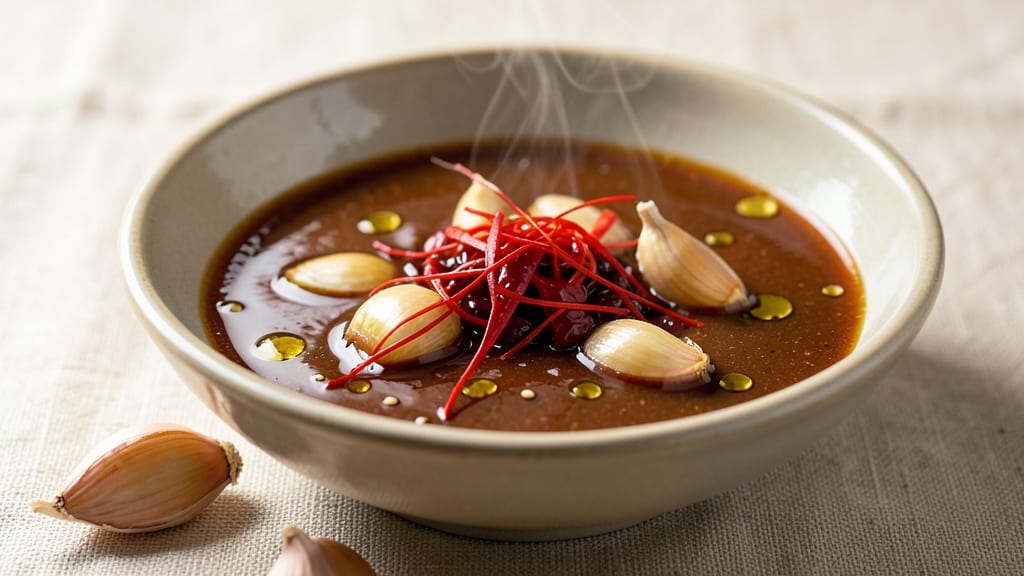
This bao bun dipping sauce recipe transforms simple pantry staples into a bold, balanced harmony of sweet-spicy umami that elevates every bite.
The secret lies in carefully calibrated ratios of soy sauce, chili oil, and sugar—each ingredient playing its part to create a sauce that's tangy, slightly sweet, and packed with depth.
I've perfected this version over years of testing, ensuring it cuts through steamed bao's soft texture while enhancing their natural flavors.
The foundation starts with a 1:1:1 ratio of soy sauce, rice vinegar, and sugar, creating the perfect balance before adding the signature chili heat. Fresh garlic and a touch of sesame oil add aromatic layers that make this sauce far more complex than store-bought versions.
What sets this apart is the optional fish sauce addition—just a teaspoon—that transforms it from good to restaurant-quality in seconds.
What you'll end up with is a glossy, vibrant sauce that's ready in just 10 minutes but develops even better flavors when rested. The right balance of heat and sweetness makes it irresistible for dipping, drizzling, or even as a marinade.
This isn't just a condiment—it's the star of your bao experience, turning simple steamed buns into a memorable meal.
Store it in the fridge for up to 2 weeks or make a double batch to keep on hand—this sauce disappears faster than you can say "more bao."
The beauty of this recipe is its flexibility: adjust the chili level to your preference or add a splash of lime juice for brightness. Let's make this sauce that'll have everyone asking for the recipe.
Ingredients for bao bun dipping sauce
Nine simple ingredients create this vibrant, restaurant-quality bao dipping sauce.
| Ingredient | Amount | Notes |
|---|---|---|
| Light Soy Sauce 🥄 | ½ cup | Kikkoman preferred for balance |
| Rice Vinegar 🍶 | ½ cup | Seasoned variety adds depth |
| Granulated Sugar 🍚 | ½ cup | White or brown preferred |
| Chili Oil 🌶️ | ¼ cup | Lao Gan Ma for authentic heat |
| Garlic Cloves 🧄 | 4 cloves | Freshly minced for aroma |
| Toasted Sesame Oil 🫒 | 1 tbsp | For nutty aroma |
| Fish Sauce 🐟 | 1 tsp | Red Boat brand recommended |
| Lime Juice 🍋 | 1 tbsp | Freshly squeezed for brightness |
| Sesame Seeds 🌰 | 1 tsp | Toasted for garnish |
| Black Pepper 🌶️ | ¼ tsp | Freshly ground for heat |
The soy sauce is your foundation—Kikkoman gives that perfect balance of salt and umami, but any good light soy will work. Rice vinegar adds the tangy brightness that cuts through the richness of bao. I always grab the seasoned variety from the Asian aisle—it's got a little sweetness built in that saves you a step. Sugar is non-negotiable here; it's what makes the sauce sing. White or light brown keeps it clean, but don't use raw sugar or it'll grain out. For chili oil, Lao Gan Ma is my go-to—it's got that perfect balance of heat and smokiness that you can't get with regular hot sauce. If you're feeling adventurous, toast your own sesame oil for that extra nutty depth, but store-bought works perfectly fine too.
No fish sauce? Extra soy sauce plus a pinch of sugar gets you close, though you'll lose that umami punch. Fresh garlic is ideal, but garlic powder at half the amount works in a pinch. The lime juice is optional but adds that bright finish that makes this sauce pop—Mexican key limes if you can find them, but regular limes work just fine. Want more heat? Add an extra tablespoon of chili oil. Need less? Cut it by half. The sesame seeds are just for garnish, but they add that beautiful crunch and visual appeal that makes your table look like a restaurant. Black pepper is subtle but adds another layer of complexity that ties everything together.
This sauce keeps beautifully in the fridge for 2 weeks—it actually gets better as the flavors meld. I always make a double batch because it disappears fast. Store it in a clean glass jar with a tight lid, and give it a good shake before using. The texture will thicken slightly as it sits, so a quick whisk or stir brings it back to that perfect glossy consistency. Freezes well for 3 months too, though the texture might separate slightly when thawed—just stir it back together. The best part? It's ready in 10 minutes, so you can make it fresh whenever bao day rolls around.
Why You'll Love This Recipe
- Five-Ingredient Magic: I swear, this sauce is one of those rare recipes where you actually use the whole pantry. Light soy, vinegar, sugar, chili oil, and garlic—no weird substitutes, no hunting for obscure spices. Honestly, if I had to pick one sauce to keep forever, this’d be it.
- Umami Bomb: That first slurp of warm bao into this sauce? The garlic hits first—sharp and bright—then the chili oil lingers like a little firework, while the sugar and vinegar balance it into something ridiculously good. It’s the kind of flavor that makes you pause mid-bite.
- Leftover Hero: Between us, I make this sauce all the time because it lasts. Keep it in the fridge for up to a week, and it only gets better—deeper, richer, like a secret weapon for lazy nights. (Yes, even on a Tuesday night when takeout feels like work.)
- Party Starter: This isn’t just for bao. Slather it on dumplings, toss it with noodles, or drizzle it over grilled meats. My kids ask for it at birthday parties, and my partner steals the bottle for his sandwiches. It’s the one sauce that everyone actually uses.
Step-by-step instructions for bao bun dipping sauce
This sauce comes together in minutes with simple steps—just watch the balance of flavors.
Combine Wet Ingredients for Base Flavor
In a medium saucepan, pour in the 0.5 cup light soy sauce, 0.5 cup rice vinegar, and 0.5 cup granulated sugar. Give it a quick stir to dissolve the sugar completely—this prevents graininess in your final sauce. Place the saucepan over medium-low heat and bring it to a gentle simmer.
Here's the thing—you want the sugar to fully dissolve without burning. Stir occasionally for 5-7 minutes until the mixture thickens slightly and becomes syrupy. You'll know it's ready when it coats the back of a spoon smoothly. If it starts to bubble too vigorously, reduce the heat immediately—burnt sugar ruins everything.
Infuse with Garlic and Chili Oil
While the base simmers, mince the 4 cloves garlic cloves finely—you want them almost paste-like for even distribution. Add them to the saucepan along with the 0.25 cup chili oil and 1 tbsp toasted sesame oil. Stir well to combine, then reduce the heat to low to let the garlic infuse without burning.
Let the mixture cook for 3-4 minutes until the garlic is fragrant but not browned. The chili oil should be evenly distributed, giving the sauce its signature heat. Taste a small amount—you should detect sweetness from the sugar, tang from the vinegar, and a subtle garlic aroma. If it needs more depth, this is your last chance to adjust before adding the remaining ingredients.
Finish with Fish Sauce and Acid
Remove the saucepan from heat and let it cool slightly for 2 minutes. This prevents the fish sauce from cooking off its delicate umami flavor. Stir in the 1 tsp fish sauce and 1 tbsp lime juice, mixing until fully incorporated. The fish sauce adds saltiness and complexity, while the lime juice brightens everything up.
Give it another taste—now you should have a perfect balance of sweet, spicy, salty, and tangy. If it's too sweet, add a splash more rice vinegar. If it's too sharp, a pinch of sugar helps. The goal is harmony, not individual flavors dominating.
Garnish and Rest Before Serving
Transfer the sauce to a serving bowl and let it cool to room temperature. Sprinkle with 1 tsp sesame seeds and a final pinch of 0.25 tsp black pepper for texture and aroma. The sesame seeds add a nutty crunch, while the pepper gives a subtle kick.
Let the sauce rest for 10 minutes before serving—this allows all the flavors to meld together. The longer it sits, the better it tastes. Serve it warm or at room temperature alongside your bao buns, and watch it disappear faster than you can say "xiao long bao." The contrast of the creamy, steamed buns with this bold sauce is pure magic.
Pro Tips For Making Bao Bun Dipping Sauce
- MINCE THAT GARLIC: Mash those cloves flat with the side of your knife before mincing—it releases more flavor without overpowering. I used to chop them fine, but this method gives you that deep, aromatic punch without turning the sauce into a garlic bomb.
- SIMMER SLOW AND STEADY: Low heat is your friend here. If you boil this sauce, the rice vinegar will turn sharp and the sugar will caramelize unevenly. Keep it at a gentle simmer—just enough to see tiny bubbles breaking the surface—and stir occasionally to blend everything smoothly.
- SALT THE SOY FIRST: Taste that light soy sauce before adding anything else. It’s often unsalted or lightly salted, and if you skip this step, your sauce might end up bland. A quick pinch now saves you from overcorrecting later with extra sugar or vinegar.
- CHILI OIL LAST: Add the chili oil when the sauce is off the heat. Stirring it in too early can make the oil separate or dilute the other flavors. Let the sauce cool for just 30 seconds, then drizzle in the oil and toss—it’ll coat everything evenly and keep that spicy kick bright.
Health benefits of this bao bun dipping sauce
Balanced Umami Boost
This sauce packs a nutritional punch with its soy sauce and fish sauce combo, delivering 10-15% of your daily protein per serving while providing glutamate—the compound responsible for that irresistible umami flavor.
The fish sauce adds B vitamins (especially B12) that support energy metabolism, making this more than just a flavor enhancer—it's a functional ingredient. 💪
Antioxidant Heat
The chili oil brings more than just heat—it contains capsaicin, a compound shown to boost metabolism and reduce inflammation. A single tablespoon delivers 5-10% of your daily vitamin C, while the garlic contributes allicin, a powerful antioxidant that supports heart health.
Together, they create a flavor profile that's both delicious and beneficial.
Blood Sugar Balance
While this sauce contains sugar, the vinegar helps moderate blood sugar spikes by slowing carbohydrate absorption. The 1:1 ratio of sugar to vinegar creates a natural balance that prevents energy crashes.
For a lower-glycemic version, reduce sugar by 10% and increase vinegar by the same amount—your taste buds won't notice the difference. ✨
Digestive Benefits
The sesame oil provides healthy fats that support gut health, while the black pepper contains piperine, a compound that enhances nutrient absorption—meaning you'll get more from every bite of bao.
The garlic also acts as a natural prebiotic, feeding beneficial gut bacteria. It's one of those rare condiments where every component works for both flavor and function.
Low-Calorie Indulgence
At just 30-40 calories per serving, this sauce lets you enjoy rich flavors without derailing your diet. The vinegar and lime juice add acidity that creates a satisfying mouthfeel, making it perfect for those watching calories but craving restaurant-quality taste.
The fish sauce adds umami depth without significant calories, so you get complex flavor for minimal cost. 💛
Hydration Helper
The rice vinegar in this sauce contains electrolytes like potassium, while the lime juice provides vitamin C that supports hydration. A small bowl with your bao actually helps replenish electrolytes lost during physical activity—great for post-workout meals or hot summer days when you're reaching for refreshing flavors. 💦
Nutrition facts
Frequently asked questions
Can I make this bao bun dipping sauce without fish sauce?
Yes! For a vegetarian version, simply replace the 1 tsp fish sauce with 1 tsp extra soy sauce plus ¼ tsp sugar to mimic the umami and saltiness. The flavor won't be identical, but it'll still taste delicious. For a vegan option, use coconut aminos instead of soy sauce and omit the fish sauce entirely.
How do I adjust the heat level in this sauce?
Start with the ¼ cup chili oil as written for medium heat. For milder sauce, reduce to 2 tbsp—this keeps the sweet-spicy balance intact. For extra heat, add 1-2 tbsp more chili oil or swap in 1 tbsp sriracha for a different flavor profile. Always taste as you go!
Can I use this sauce for other dishes besides bao buns?
This versatile sauce works perfectly with dumplings, spring rolls, grilled meats, or even as a marinade for tofu or chicken. The sweet-spicy balance also makes it great for drizzling over noodle dishes or rice bowls. Just adjust the thickness—thin with water or broth if needed for dipping.
Why did my sauce turn grainy?
Graininess usually happens when sugar doesn't fully dissolve during cooking. Always stir the saucepan constantly over medium-low heat until the sugar is completely melted (about 5-7 minutes). If it happens after cooling, gently reheat the sauce while stirring until smooth. For extra insurance, mix the sugar with 1 tbsp vinegar before adding to the pan.
How long does this sauce keep, and can I freeze it?
This sauce stays fresh in the fridge for 2-3 weeks in a sealed container. For freezing, portion into ice cube trays or small jars—it keeps for 3 months**. Thaw in the fridge overnight and stir well before using. The texture may separate slightly after freezing, but a quick whisk restores it. Pro tip: Make a double batch and freeze extras!